poojavara.com

Blogs

Hindu Priest in Mumbai: How to Find and Book a Trusted Pandit

Hindu Priest in Mumbai: How to Find and Book a Trusted Pandit

Finding a reliable Hindu priest in Mumbai can make a significant difference when planning a puja, homam, wedding ceremony, housewarming, or other traditional Hindu ritual. While Mumbai offers numerous priests and puja service providers, choosing someone knowledgeable, experienced, punctual, and familiar with the required rituals can sometimes be challenging.

Whether you are performing a Griha Pravesh Puja, Satyanarayan Puja, Ganesh Puja, Lakshmi Puja, wedding ceremony, or a special homam, the priest plays an important role in conducting the rituals according to the appropriate traditions and procedures.

Today, many families are turning to online Pandit booking services in Mumbai because they provide a convenient way to find priests, compare services, understand ceremony requirements, and schedule a puja from home.

In this guide, we explain how to find a trusted Hindu priest in Mumbai, what to check before booking, which ceremonies you can arrange, and how online Pandit booking can simplify the process.
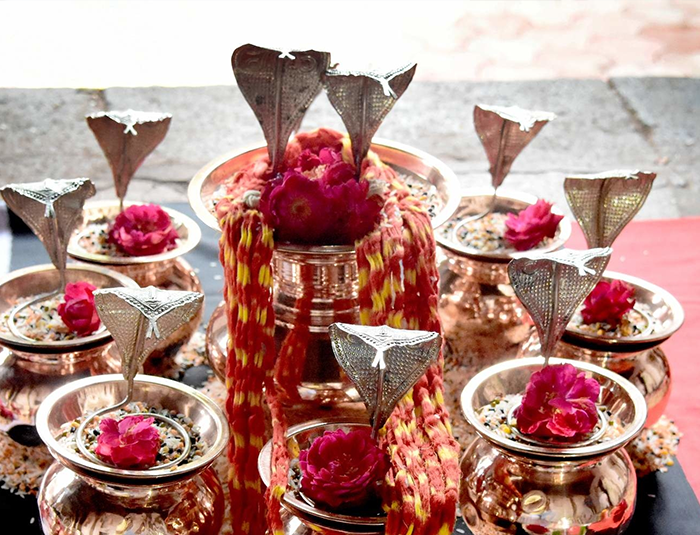
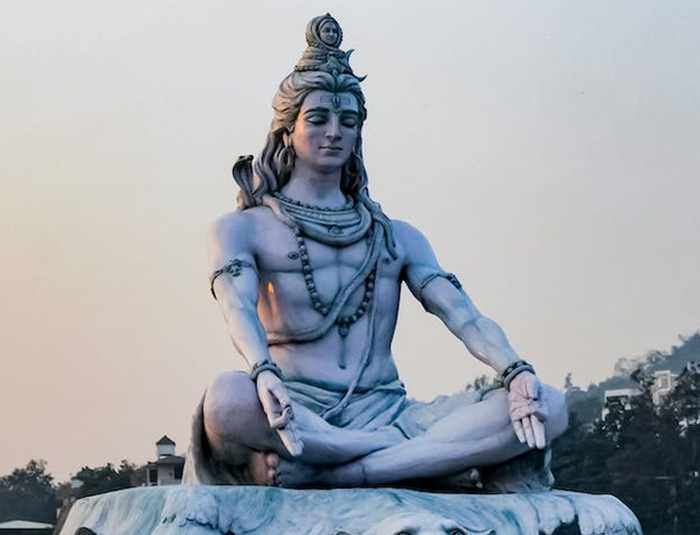
Hindu Priest in Mumbai

Why Choosing the Right Hindu Priest in Mumbai Matters

Hindu rituals often involve specific mantras, procedures, offerings, and traditions. Depending on the ceremony, the priest may need knowledge of particular Vedic procedures and regional customs.

An experienced Hindu priest in Mumbai can help you understand:

  • Which puja is appropriate for your occasion
  • Required puja samagri
  • The correct sequence of rituals
  • Mantras and Sanskrit chants
  • Muhurat and suitable timings
  • Number of priests required
  • Duration of the ceremony
  • Ritual-specific requirements
  • Post-puja procedures

For families who may not be familiar with all the rituals, having an experienced Pandit can make the entire experience more organized and meaningful.

Types of Hindu Pujas You Can Book in Mumbai

Mumbai residents can arrange priests for a wide variety of religious ceremonies. Some commonly requested services include:

1. Griha Pravesh Puja

A Griha Pravesh Puja is traditionally performed when entering a new home. The ceremony is intended to mark the beginning of life in a new residence with prayers and traditional rituals.

Families looking for a Griha Pravesh Pandit in Mumbai can arrange the priest, puja samagri, and other requirements in advance.

2. Satyanarayan Puja

Satyanarayan Puja is a popular Hindu religious ceremony performed by families on various occasions.

A Pandit can guide the family through the puja, katha, offerings, and concluding rituals.

If you are looking for a Pandit for Satyanarayan Puja in Mumbai, booking in advance can help ensure availability on your preferred date.

3. Ganapati Puja

Ganapati Puja is performed to seek the blessings of Lord Ganesha before important occasions and new beginnings.

A qualified Hindu priest can conduct the ceremony according to the family’s preferred tradition.

4. Lakshmi Puja

Lakshmi Puja is commonly performed during festivals and other auspicious occasions. Families may book a Hindu priest in Mumbai to conduct the ceremony and guide them through the required rituals.

5. Homam and Havan

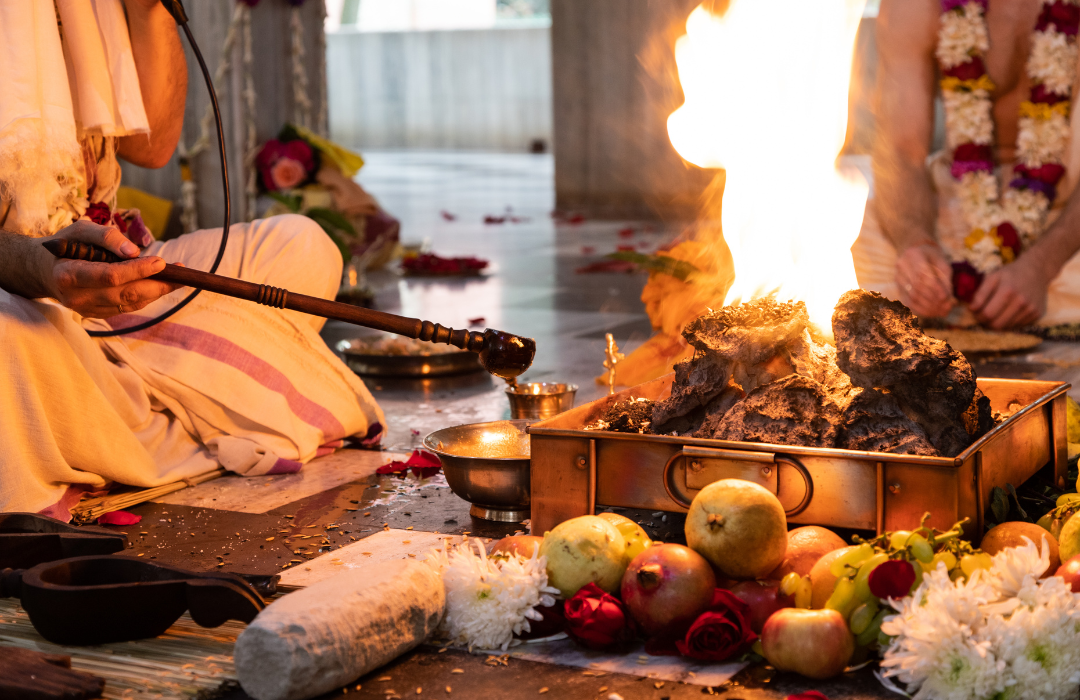
Homams and havans involve offerings made into a sacred fire accompanied by mantras and specific rituals.

Some commonly requested ceremonies include:

  • Ganapati Homam
  • Navagraha Homam
  • Chandi Homam
  • Maha Mrityunjaya Homam
  • Lakshmi Homam
  • Vastu Homam

The required materials and procedures can differ depending on the type of homam.

6. Wedding Ceremonies

Hindu weddings involve several rituals, mantras, and traditional customs. Families can book a Vedic priest in Mumbai who is experienced in conducting Hindu wedding ceremonies.

Depending on the family’s traditions, the priest may conduct rituals such as Kanyadaan, Mangalya Dharanam, Saptapadi and other wedding-related ceremonies.

7. Vastu Shanti Puja

Vastu Shanti Puja may be performed for a home or property according to the family’s beliefs and traditions.

If you are searching for a Vastu Shanti Pandit in Mumbai, check whether the priest is experienced in conducting the specific ceremony you require.

How to Find a Trusted Hindu Priest in Mumbai

With many options available, choosing the right priest requires some research.

Here are important factors to consider.

Check the Priest’s Experience

Ask about the priest’s experience conducting the specific ceremony you need.

For example, if you are planning a Griha Pravesh ceremony, look for someone experienced in Griha Pravesh Puja, rather than choosing a priest solely based on general availability.

Ask About the Ritual Procedure

Different families may follow different traditions.

Before booking, ask:

  • Which rituals are included?
  • How long will the ceremony take?
  • Which language will the mantras and explanations be in?
  • How many priests are required?
  • What materials are needed?

This helps avoid misunderstandings on the day of the ceremony.

Confirm Puja Samagri Requirements

Puja samagri can vary depending on the ceremony.

Ask whether:

You need to purchase the items yourself.

The priest provides a list.

The service provider can arrange the materials.

Decoration or additional services are available.

Having this information beforehand makes preparation easier.

Check Availability

Mumbai is a busy city, and priests can become booked during festivals, auspicious dates, weekends, and popular muhurats.

If you have a fixed date, it is advisable to enquire and book your Hindu priest in Mumbai in advance.

Understand the Pricing

The cost of a Pandit service may depend on:

  • Type of puja
  • Duration
  • Number of priests
  • Travel distance
  • Puja samagri
  • Additional services
  • Special ceremony requirements

Ask for a clear breakdown before confirming your booking.

Why Book a Pandit Online in Mumbai?

Traditional methods of finding a priest often involve asking friends, relatives, neighbors, or local community members.

While these recommendations can be useful, online booking platforms provide another convenient option.

Convenient Booking

You can enquire about priest availability without visiting multiple locations.

Easy Service Comparison

Online platforms may allow you to compare different puja services and understand what is included.

Advance Scheduling

You can provide your preferred date, time, location, and ceremony details while making the enquiry.

Complete Puja Assistance

Some professional puja service providers may offer additional assistance such as:

  • Pandit booking
  • Puja samagri
  • Puja decoration
  • Photography
  • Videography
  • Catering
  • Other event arrangements

This can be particularly helpful when organizing a larger religious function.

Conclusion

Finding the right Hindu priest in Mumbai does not have to be complicated. Whether you are planning a Griha Pravesh, Satyanarayan Puja, wedding, homam, Vastu Shanti, or another traditional Hindu ceremony, taking the time to check the priest’s experience, ceremony requirements, availability, language, pricing, and included services can make the planning process easier.

Online Pandit booking can provide additional convenience by helping you arrange priest services and other puja requirements from one place.

If you are planning a puja or religious ceremony in Mumbai, contact Poojavara to discuss your requirements and book a suitable Hindu priest for your ceremony.
Puja Pandit in Mumbai: How to Find and Book a Trusted Hindu Priest

Puja Pandit in Mumbai: How to Find and Book a Trusted Hindu Priest

Finding the right Puja Pandit in Mumbai can make a significant difference when you are planning a Hindu religious ceremony. Whether it is a Griha Pravesh, Satyanarayan Puja, Ganesh Puja, Lakshmi Puja, Navagraha Puja, Rudrabhishek, Homam, wedding ceremony, or another traditional ritual, having a knowledgeable priest can help ensure that the ceremony is conducted according to the appropriate customs and traditions.

Mumbai is a fast-paced city where people often have busy schedules and limited time to personally search for a qualified priest. At the same time, families may want a Pandit who understands their preferred tradition, language, ceremony requirements, samagri needs, and auspicious timings.

This is where professional Puja Pandit booking services in Mumbai can make the process easier.

Instead of relying only on personal recommendations or last-minute searches, you can compare services, understand what is included, and book a suitable Hindu priest according to your requirements.

In this guide, we explain how to find and book a trusted Puja Pandit in Mumbai, what to check before booking, which questions to ask, and how online Pandit booking can simplify the entire process.

Puja Pandit in Mumbai

Why Choose a Professional Puja Pandit in Mumbai?

Hindu rituals involve different procedures, mantras, offerings, and traditions. Depending on the occasion, the ceremony may require specific knowledge of Vedic rituals and regional customs.

A professional Hindu priest in Mumbai can help with:

  • Performing traditional Hindu rituals
  • Chanting the required mantras
  • Conducting homams and havans
  • Explaining important steps of the ceremony
  • Advising families about required puja samagri
  • Performing rituals at homes, offices, temples, or other venues
  • Following appropriate religious customs
  • Helping families conduct ceremonies according to their tradition

For ceremonies such as Griha Pravesh Puja, for example, the priest may guide the family through various rituals associated with entering a new home.

Similarly, ceremonies such as Satyanarayan Puja, Ganapati Puja, Lakshmi Puja, Rudrabhishek, Navagraha Puja, and Vastu Shanti Puja have their own procedures and requirements.

Choosing the right priest can therefore help make the experience more organized and meaningful for your family.

How to Find a Trusted Puja Pandit in Mumbai

Finding a Pandit does not have to be difficult if you know what to look for. Here are some important factors to consider.

1. Check the Pandit’s Experience

Experience is one of the first things you should consider when searching for a Puja Pandit in Mumbai.

Different priests may specialize in different types of ceremonies. Before booking, ask whether the Pandit regularly performs the specific puja you are planning.

For example, if you need a Griha Pravesh Puja, look for someone experienced in conducting housewarming ceremonies.

If you need a Vastu Shanti Puja, Navagraha Puja, or Homam, confirm that the priest performs these rituals regularly.

2. Ask About the Type of Puja You Need

Not every puja requires the same procedure.

Before contacting a Pandit, clearly identify:

  • Name of the puja
  • Purpose of the ceremony
  • Preferred date
  • Preferred time
  • Location
  • Number of participants
  • Language preference
  • Whether you need puja samagri
  • Whether you require additional services

For example, someone searching for Pandit for Satyanarayan Puja in Mumbai may have different requirements from someone looking for a priest for a wedding ceremony.

Providing these details in advance helps the priest or booking service understand your requirements.

3. Confirm the Puja Timings

Many Hindu ceremonies are performed according to an auspicious muhurat.

If you already have a date and time recommended by your family priest or astrologer, provide those details while booking.

If you do not have a muhurat, ask whether the Pandit can recommend an appropriate time based on the nature of the ceremony.

This is particularly useful for ceremonies such as:

  • Griha Pravesh
  • Marriage ceremonies
  • Business opening pujas
  • Vastu Shanti
  • Vehicle Puja
  • Naming ceremonies

4. Ask About Puja Samagri

One common concern when booking a Pandit is whether puja samagri is included.

Puja samagri can include items such as:

  • Flowers
  • Fruits
  • Coconut
  • Kalash
  • Incense
  • Camphor
  • Turmeric
  • Kumkum
  • Rice
  • Ghee
  • Sacred threads
  • Other items required for the specific ritual

Ask beforehand whether you need to purchase the materials yourself or whether the Puja Pandit service in Mumbai provides them.

This can prevent confusion on the day of the ceremony.

What to Check Before Booking a Hindu Priest

Before confirming your booking, consider these factors.

Availability

Mumbai is a large city, and experienced priests can become busy during festivals and auspicious dates.

Book your Pandit in advance, particularly for:

  • Griha Pravesh
  • Weddings
  • Satyanarayan Puja
  • Ganesh Chaturthi
  • Navratri
  • Diwali
  • Akshaya Tritiya
  • Other auspicious occasions
  •  

Language

If your family prefers a particular language, ask about it before booking.

Depending on the priest, you may be able to find services in languages such as:

  • Hindi
  • Marathi
  • Telugu
  • Kannada
  • Tamil
  • Sanskrit
  • English
  •  

Ceremony Duration

Ask approximately how long the puja will take.

A simple puja may take less time than a detailed homam or elaborate religious ceremony.

Pricing

Pricing can vary based on the type of puja, duration, location, number of rituals, priest experience, and additional services.

Instead of looking only at the lowest price, understand exactly what the quoted price includes.

Conclusion

Finding a suitable Puja Pandit in Mumbai becomes much easier when you clearly understand your ceremony requirements and check important details such as experience, availability, language, samagri, pricing, and the services included.

Whether you are planning a Griha Pravesh, Satyanarayan Puja, Ganapati Puja, Lakshmi Puja, Navagraha Puja, Rudrabhishek, Vastu Shanti, Homam, or another Hindu ceremony, choosing the right priest can help you organize the ritual with greater convenience.

With a reliable online Pandit booking service, families can communicate their requirements, check availability, and arrange a priest for their preferred date and location.

Planning a puja in Mumbai? Explore Poojavara’s Puja and Pandit booking services and find a suitable Hindu priest for your ceremony. Book your Pandit in advance and make your special occasion easier to organize.

Pandit Near Me in Mumbai: How to Find and Book a Trusted Hindu Priest

Pandit Near Me in Mumbai: How to Find and Book a Trusted Hindu Priest

Finding a trusted Pandit near me in Mumbai can be challenging, especially when you need a priest for an important religious ceremony, pooja, homam, or family ritual. Whether you are planning a Griha Pravesh Pooja, Satyanarayan Pooja, Ganesh Pooja, Lakshmi Pooja, Rudrabhishek, Navagraha Pooja, wedding ceremony, or other Hindu ritual, choosing the right priest is an important part of the preparation.

Mumbai is home to people from different regions and Hindu traditions, so families may have specific requirements regarding the pooja vidhi, mantras, samagri, language, muhurat, and customs followed during a ceremony.

Fortunately, finding and booking a Hindu priest in Mumbai has become easier with online priest-booking services. Instead of depending only on personal references or visiting temples to find a priest, you can now explore services online, understand what is included, check availability, and schedule a Pandit for your preferred date and location.

In this guide, we will explain how to find a trusted Pandit near you in Mumbai, what to check before booking, which ceremonies you can arrange, and how online Pandit booking can make the entire process more convenient.

Pandit Near Me in mumbai

Why Finding the Right Pandit in Mumbai Matters

Hindu poojas and rituals often involve specific mantras, procedures, offerings, and traditions. Depending on the ceremony, the Pandit may need to perform several steps in a particular sequence.

For example, a Griha Pravesh Pooja may include Ganapati Pooja, Kalash Sthapana, Vastu-related rituals, Havan, and other ceremonies depending on the family’s tradition.

Similarly, a Satyanarayan Pooja involves specific prayers and the reading of the Satyanarayan Katha.

Choosing an experienced priest can help ensure that:

  • The pooja is performed according to the appropriate rituals.
  • Required mantras and prayers are recited properly.
  • The ceremony follows the family’s tradition and requirements.
  • Pooja samagri requirements are clearly communicated.
  • The Pandit arrives at the agreed date and time.
  • You can understand what is happening during the ceremony.

For this reason, it is useful to research your options before searching for a Pandit near me in Mumbai and making a booking.

How to Find a Pandit Near Me in Mumbai

When searching online for a Hindu priest, you may find several options. However, not every listing will provide the same services or level of convenience.

Here are some practical factors to consider.

1. Identify the Type of Pooja You Need

The first step is to identify the exact ceremony you want to perform.

Some commonly requested Hindu rituals include:

  • Griha Pravesh Pooja
  • Satyanarayan Pooja
  • Ganapati Pooja
  • Lakshmi Pooja
  • Durga Pooja
  • Navagraha Pooja
  • Rudrabhishek
  • Vastu Shanti Pooja
  • Ganesh Havan
  • Chandi Homam
  • Ayudha Pooja
  • New Business Opening Pooja
  • Marriage ceremonies
  • Naming ceremonies
  • Mundan ceremonies
  • Religious festivals and special poojas

Searching for a priest based on the specific ceremony can make the booking process easier.

For example, instead of simply searching for “Pandit near me”, you could search for “Pandit for Griha Pravesh Pooja in Mumbai” or “Pandit for Satyanarayan Pooja in Mumbai.”

2. Check the Pandit’s Experience

Experience can be an important consideration when selecting a Hindu priest.

Before booking, ask whether the Pandit regularly performs the type of ceremony you require. Some priests may specialize in particular rituals or regional traditions.

You can also ask about:

  • Years of experience
  • Types of poojas performed
  • Languages spoken
  • Regional traditions followed
  • Availability on your preferred date
  • Whether the priest brings pooja samagri

This can help you choose a service that matches your family’s requirements.

3. Ask About Pooja Samagri

One of the most common questions families have is whether they need to purchase the pooja items themselves.

Pooja samagri can include items such as:

  • Kalash
  • Coconut
  • Flowers
  • Fruits
  • Incense sticks
  • Camphor
  • Turmeric
  • Kumkum
  • Rice
  • Ghee
  • Havan materials
  • Specific offerings required for the ritual

Some online pooja services offer packages that include the required pooja samagri, while others may provide only the priest.

Always confirm what is included before booking.

4. Confirm the Date, Time and Location

Hindu ceremonies are often performed according to a specific muhurat or auspicious time.

When booking a Pandit, provide:

  • Date of the ceremony
  • Preferred time or muhurat
  • Location in Mumbai
  • Type of pooja
  • Number of participants
  • Any specific family traditions

Providing these details early can help the service arrange a suitable priest.

Benefits of Booking a Pandit Online in Mumbai

Online Pandit booking has become increasingly convenient for families living busy urban lifestyles.

Convenient Booking

You can search for and schedule a priest without having to visit multiple temples or ask several people for recommendations.

Easy Service Selection

Online platforms can allow you to select a particular pooja or ceremony based on your requirements.

Transparent Information

Before booking, you can ask about pricing, inclusions, duration, samagri, and other important details.

Home Pooja Services

Many services can arrange a Pandit to perform the ceremony at your home, apartment, office, or other suitable location in Mumbai.

Support for Different Rituals

Instead of finding separate contacts for different ceremonies, an online pooja service may offer multiple Hindu rituals under one platform.

Popular Pooja Services You Can Book in Mumbai

If you are searching for a Pandit near me in Mumbai, you may also be looking for a particular ceremony.

Griha Pravesh Pooja in Mumbai

A Griha Pravesh Pooja is traditionally performed when entering a new home. Families may perform Ganapati Pooja, Vastu-related rituals, Havan, and other ceremonies according to their traditions.

Satyanarayan Pooja in Mumbai

Satyanarayan Pooja is commonly performed by families on special occasions, after important milestones, or as part of religious observances.

Ganapati Pooja in Mumbai

Ganapati Pooja is performed to seek blessings of Lord Ganesha before important events and occasions.

Lakshmi Pooja in Mumbai

Lakshmi Pooja is commonly associated with prayers for prosperity and is especially popular during festivals such as Diwali.

Navagraha Pooja in Mumbai

Navagraha Pooja involves prayers associated with the nine planetary deities and may be performed according to individual religious traditions.

Rudrabhishek Pooja in Mumbai

Rudrabhishek is a Shiva-related ritual involving the chanting of mantras and offerings according to the prescribed procedure.

Conclusion

Finding a Pandit near me in Mumbai does not have to be complicated. By identifying the type of ceremony you need, checking the priest’s experience, confirming the pooja samagri, discussing the ceremony requirements, and verifying availability, you can plan your religious ceremony with greater convenience.

Whether you are moving into a new home, celebrating a special occasion, performing a traditional family ritual, or simply looking for a Hindu priest for a pooja, online Pandit booking services can make the process easier.

If you are planning a pooja in Mumbai, explore the available services, choose the ceremony that matches your requirements, and book a trusted Pandit in advance through Poojavara.

Plan your pooja with ease and bring your family together for a meaningful traditional ceremony.

Vishnu Sahasranama Pooja in Mumbai: Complete Guide to Benefits, Procedure & Cost

Vishnu Sahasranama Pooja in Mumbai: Complete Guide to Benefits, Procedure & Cost

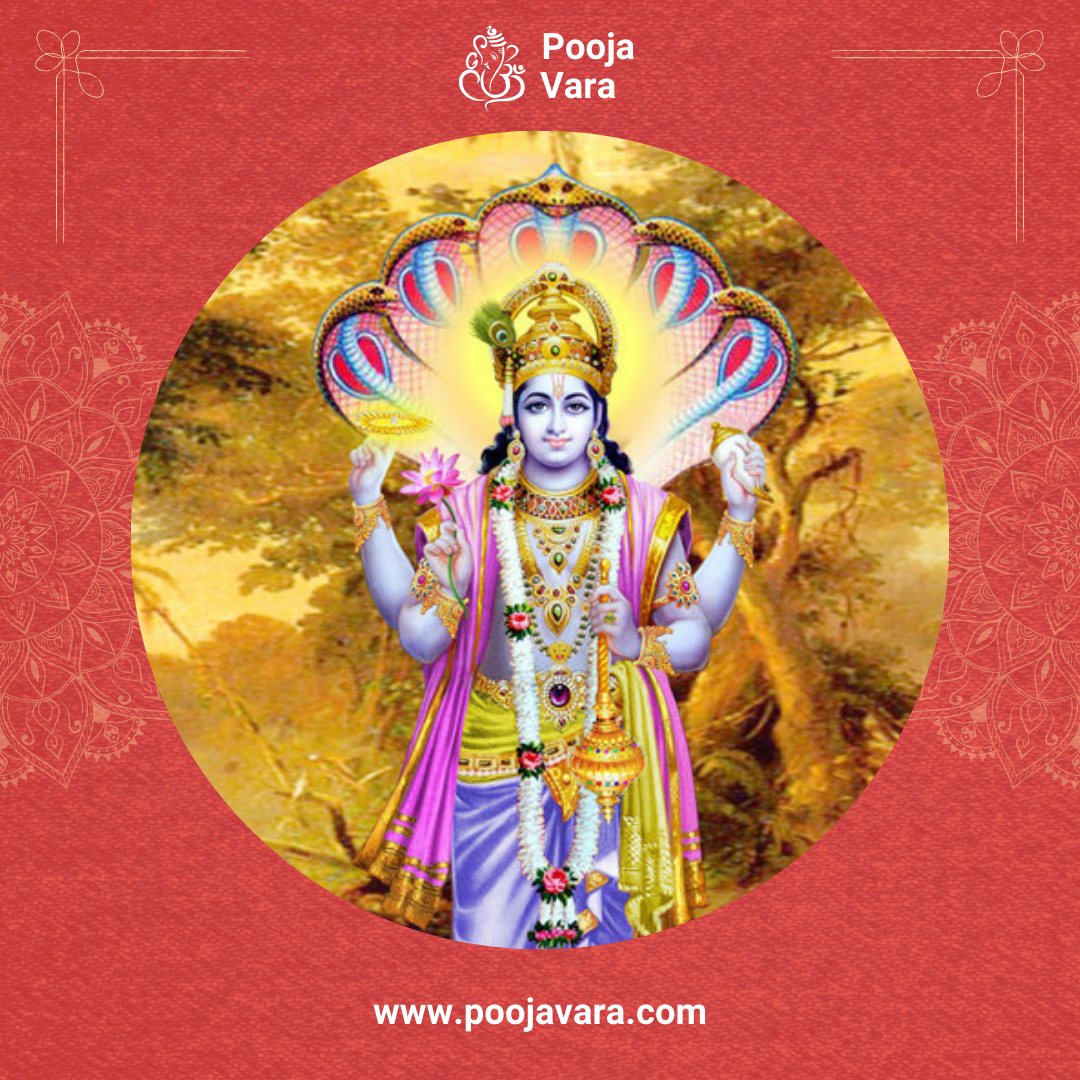
In Hindu tradition, Lord Vishnu is worshipped as the preserver of the universe and is associated with protection, harmony, righteousness, and spiritual well-being. One of the most revered forms of Vishnu worship is Vishnu Sahasranama Pooja, which involves the chanting and recitation of the thousand names of Lord Vishnu.

For devotees living in Mumbai, arranging a traditional pooja can sometimes be challenging because of busy schedules, limited access to experienced priests, and the need to arrange pooja samagri. Vishnu Sahasranama Pooja in Mumbai can be performed at home with the assistance of experienced priests and complete pooja arrangements.

Whether you want to perform this pooja for spiritual purposes, family well-being, a special occasion, or as part of your regular devotional practice, understanding its significance, procedure, benefits, and approximate cost can help you plan the ceremony properly.

In this guide, we explain everything you need to know about Vishnu Sahasranama Pooja in Mumbai, including the pooja procedure, benefits, required samagri, duration, cost, and how to book a priest.

Vishnu Sahasranama Pooja in Mumbai

What Is Vishnu Sahasranama Pooja?

Vishnu Sahasranama literally means the “thousand names of Lord Vishnu.” The Vishnu Sahasranama is traditionally associated with the Mahabharata, where Bhishma Pitamaha explains the glory and names of Lord Vishnu to Yudhishthira.

During Vishnu Sahasranama Pooja, devotees worship Lord Vishnu while reciting or listening to the sacred names of Vishnu. Depending on the family’s tradition and the priest’s guidance, the ceremony may include Sankalpam, Ganapati Pooja, Kalasha Pooja, Vishnu Pooja, Vishnu Sahasranama chanting, offerings, aarti, and Prasadam.

The exact rituals can vary according to family customs, regional traditions, and the type of ceremony being performed.

Why Perform Vishnu Sahasranama Pooja in Mumbai?

Mumbai is a fast-paced city where work, travel, and family responsibilities can make it difficult to visit a temple regularly. Performing Vishnu Sahasranama Pooja at home provides an opportunity for families to participate in a traditional spiritual ceremony in a familiar environment.

A home pooja can also allow family members, including children and elderly relatives, to participate comfortably.

With professional online pooja services in Mumbai, devotees can arrange the priest, pooja samagri, and other requirements without having to manage every detail themselves.

Vishnu Sahasranama Pooja Benefits

Devotees perform Vishnu Sahasranama Pooja for various spiritual and devotional reasons. The benefits traditionally associated with chanting the names of Lord Vishnu include:

1. Promotes Spiritual Peace

Regular recitation of Vishnu Sahasranama is traditionally considered a way to cultivate devotion, concentration, and inner peace.

The structured chanting of the names of Lord Vishnu can also create a calm and devotional atmosphere within the home.

2. Encourages Positive Thoughts

Devotional practices such as Vishnu Sahasranama encourage individuals to focus their minds on spiritual values and positive thoughts.

Many families include the chanting as part of their regular prayer routine.

3. Prayer for Family Well-Being

Families may perform Vishnu Sahasranama Pooja for family welfare, harmony, and prosperity.

The ceremony provides an opportunity for family members to come together and participate in prayer.

4. Supports Devotional Practice

For devotees of Lord Vishnu, reciting the thousand names provides a structured way to deepen their connection with Vishnu.

The practice can be performed during special occasions as well as on suitable days according to one’s family tradition.

5. Creates a Sacred Home Environment

Performing a traditional pooja at home can create a peaceful spiritual atmosphere. The chanting, offerings, lamps, flowers, and aarti become part of the family’s devotional experience.

Note: Spiritual benefits are matters of religious belief and personal experience rather than scientifically established outcomes.

Vishnu Sahasranama Pooja Procedure

The exact Vishnu Sahasranama Pooja procedure may differ depending on the priest and family tradition. A typical ceremony may include the following steps.

1. Preparation of the Pooja Area

The pooja area is cleaned and decorated before the ceremony. A clean platform is generally prepared for the deity, Kalasha, lamps, flowers, and other required items.

2. Sankalpam

The priest performs the Sankalpam, during which the devotee states the intention of performing the pooja.

The Sankalpam may include details such as the devotee’s name, family, location, and purpose of the pooja.

3. Ganapati Pooja

Lord Ganesha is traditionally worshipped at the beginning of many Hindu rituals to seek blessings before proceeding with the main ceremony.

4. Kalasha Pooja

A Kalasha may be prepared and worshipped as part of the ritual. Depending on the tradition, it may contain water and other sacred items.

5. Lord Vishnu Pooja

The priest performs the main worship of Lord Vishnu using traditional offerings such as flowers, Tulasi leaves where appropriate, fruits, incense, lamps, and other pooja materials.

6. Vishnu Sahasranama Chanting

The central part of the ceremony involves the recitation or chanting of the Vishnu Sahasranama.

Devotees may participate by listening to or reciting the names along with the priest.

7. Offerings and Aarti

After the chanting and other rituals, offerings are made to Lord Vishnu. The ceremony generally concludes with aarti and prayers.

8. Prasadam

Prasadam is distributed among the family members and participants after completion of the pooja.

Vishnu Sahasranama Pooja Samagri

The required pooja samagri may vary depending on the specific ritual. Common items can include:

  • Lord Vishnu idol or picture
  • Kalasha
  • Mango leaves
  • Coconut
  • Turmeric
  • Kumkum
  • Sandalwood
  • Flowers
  • Tulasi leaves
  • Fruits
  • Betel leaves and nuts
  • Incense sticks
  • Camphor
  • Ghee/oil lamps
  • Rice
  • Akshata
  • Panchamrit ingredients
  • Naivedyam
  • Pooja vessels
  • Sacred thread
  • Other items recommended by the priest

If you book a complete pooja package, ask the service provider whether pooja samagri is included in the package price.

How Much Does Vishnu Sahasranama Pooja Cost in Mumbai?

The Vishnu Sahasranama Pooja cost in Mumbai can vary depending on several factors.

There is no single fixed price applicable to every pooja because the requirements can differ from one family to another.

Factors that can influence the cost include:

  • Type and duration of the pooja
  • Number of priests
  • Pooja samagri requirements
  • Location within Mumbai
  • Travel requirements
  • Special offerings or decorations
  • Prasadam arrangements
  • Additional rituals included in the package
  • Individual priest or service provider

For an accurate quotation, it is better to share your preferred date, location, number of participants, and pooja requirements with the service provider.

Conclusion

Vishnu Sahasranama Pooja in Mumbai offers devotees an opportunity to worship Lord Vishnu through traditional rituals and the recitation of Vishnu Sahasranama. Whether you are planning a pooja for a special occasion or want to conduct a devotional ceremony at home, understanding the procedure, samagri, duration, and cost can make the planning process easier.

From arranging an experienced priest to organizing pooja materials, a professional pooja service can simplify the process and help your family focus on participating in the ceremony.

If you are planning to perform Vishnu Sahasranama Pooja at home in Mumbai, contact Poojavara to discuss your preferred date, location, pooja requirements, priest availability, and complete arrangements.

Book your Vishnu Sahasranama Pooja in Mumbai with Poojavara and make your traditional pooja arrangements simple and convenient.

Navagraha Homam in Mumbai: Complete Guide to Benefits, Procedure, Cost & Muhurat

Navagraha Homam in Mumbai: Complete Guide to Benefits, Procedure, Cost & Muhurat

Finding the right spiritual remedy for planetary challenges can be an important part of traditional Hindu practice. Navagraha Homam in Mumbai is a Vedic ritual performed to worship the nine Navagrahas and seek their blessings for peace, prosperity, harmony, and overall well-being.

In Vedic astrology, the Navagrahas are Surya (Sun), Chandra (Moon), Mangala (Mars), Budha (Mercury), Guru (Jupiter), Shukra (Venus), Shani (Saturn), Rahu, and Ketu. Rahu and Ketu are understood in Jyotisha as lunar nodes rather than physical planets.

A Navagraha Homam may be performed when an astrologer identifies challenging planetary placements, doshas, or significant planetary periods in a person’s birth chart. Many families also choose the ritual as a traditional spiritual practice for peace, prosperity, and auspicious beginnings.

If you are searching for Navagraha Homam in Mumbai, this guide explains its significance, benefits, procedure, suitable muhurat, expected cost, preparations, and how to arrange the ritual with a qualified priest.

Navagraha Pooja in Mumbai

What Is Navagraha Homam?

Navagraha Homam is a Vedic fire ritual dedicated to the nine planetary deities. The ceremony involves invoking the Navagrahas through traditional mantras, offerings, and prayers into the sacred fire.

The Sanskrit term Navagraha refers to the nine grahas traditionally used in Jyotisha: the Sun, Moon, Mars, Mercury, Jupiter, Venus, Saturn, Rahu, and Ketu.

During the Homam, the priest performs the required sankalpa, invokes the deities, chants prescribed mantras, and makes offerings into the Agni. The exact sequence can vary according to the tradition followed, the purpose of the ritual, the priest, and the individual’s horoscope.

Unlike a simple planetary prayer, a Homam places particular emphasis on Agni, mantra recitation, offerings, and Vedic ritual procedures.

Why Perform Navagraha Homam in Mumbai?

Mumbai is home to people from many regions of India, and families often look for priests who can conduct rituals according to their preferred language and tradition.

A Navagraha Homam in Mumbai can be arranged at a home, temple, or another suitable location, depending on the priest and the type of ceremony.

Common reasons devotees consider Navagraha rituals include:

  • Seeking peace and spiritual well-being
  • Praying for prosperity and stability
  • Beginning a new phase of life
  • Seeking traditional remedies for perceived planetary afflictions
  • Performing a ritual before important events
  • Seeking blessings for career and business
  • Praying for harmony within the family
  • Observing traditional astrological remedies recommended after a Kundali consultation

It is important to understand that these are traditional religious and astrological beliefs, rather than scientifically established effects.

The Nine Navagrahas and Their Traditional Significance

The Navagrahas are traditionally associated with different areas of life in Jyotisha.

1. Surya – Sun

Surya is traditionally associated with vitality, authority, confidence, leadership, and one’s relationship with father or authority figures.

2. Chandra – Moon

Chandra is associated in Jyotisha with the mind, emotions, peace of mind, memory, and maternal connections.

3. Mangala – Mars

Mangala is traditionally connected with courage, energy, determination, property, siblings, and physical strength.

4. Budha – Mercury

Budha is associated with communication, intelligence, learning, business, mathematics, and analytical abilities.

5. Guru – Jupiter

Guru or Brihaspati is traditionally associated with wisdom, education, spirituality, children, prosperity, and guidance.

6. Shukra – Venus

Shukra is associated with relationships, beauty, luxury, creativity, arts, comforts, and material enjoyment.

7. Shani – Saturn

Shani is traditionally associated with discipline, patience, responsibility, hard work, time, and perseverance.

8. Rahu

Rahu is one of the lunar nodes and is traditionally associated with ambition, sudden changes, unconventional experiences, and material desires.

9. Ketu

Ketu, the other lunar node, is traditionally associated with spirituality, detachment, introspection, and liberation.

The specific interpretation of each graha depends on the individual’s horoscope and the Jyotisha tradition being followed.

Benefits of Navagraha Homam

Devotees traditionally perform Navagraha Homam with several spiritual and astrological intentions.

1. Traditional Remedy for Planetary Afflictions

If a person’s Janma Kundali is interpreted as having unfavorable planetary placements or doshas, an astrologer may recommend Navagraha worship as a traditional remedial practice.

2. Prayer for Peace and Harmony

Families may perform the Homam with the intention of creating a peaceful and spiritually positive atmosphere at home.

3. Seeking Prosperity and Stability

Navagraha worship is commonly associated with prayers for prosperity, stability, success, and the removal of perceived obstacles.

4. Support During Major Life Transitions

Some families perform Navagraha Homam before or during significant events such as marriage, starting a business, moving into a new home, or beginning an important professional phase.

5. Spiritual Well-Being

The chanting of mantras, participation in the Homam, and traditional offerings can provide devotees with a structured spiritual experience and an opportunity for prayer and reflection.

These benefits should be understood within the context of Hindu religious tradition and Vedic astrology rather than as guaranteed outcomes.

Navagraha Homam Procedure

The exact procedure can differ according to the priest, sampradaya, regional tradition, and purpose of the ceremony. A typical Navagraha Homam procedure may include the following stages.

1. Sankalpa

The priest takes a formal intention or sankalpa for the ceremony. Details such as the devotee’s name, nakshatra, rashi, and purpose of the ritual may be included.

2. Ganapati Puja

Many Vedic ceremonies begin with prayers to Lord Ganesha before proceeding with the main ritual.

3. Kalasha and Deity Invocation

The priest prepares the required kalasha and invokes the divine presence according to the ritual tradition.

4. Navagraha Invocation

The nine grahas are invoked through appropriate mantras and prayers.

5. Agni Pratishtha

The sacred fire is established as the central element of the Homam.

6. Mantra Chanting and Offerings

The priest chants the relevant mantras and offers prescribed materials such as ghee, grains, herbs, and other Homam samagri into the sacred fire.

7. Navagraha Homam

Specific offerings are made while invoking the blessings of Surya, Chandra, Mangala, Budha, Guru, Shukra, Shani, Rahu, and Ketu.

8. Purnahuti

The ceremony concludes with the final offering, traditionally known as Purnahuti.

9. Blessings and Prasadam

The priest offers prayers for the devotee and family, followed by prasadam according to the arrangement.

Navagraha Homam Muhurat in Mumbai

Choosing the appropriate Navagraha Homam muhurat in Mumbai is an important part of planning the ceremony.

There is no single universal date or time that is suitable for every individual. The appropriate muhurat may depend on factors such as:

  • Janma Nakshatra
  • Rashi
  • Tithi
  • Vara (weekday)
  • Nakshatra on the chosen date
  • Planetary positions
  • Purpose of the Homam
  • Individual Kundali
  • Family or regional tradition

For a personalized ceremony, it is advisable to consult a qualified priest or Jyotisha practitioner rather than selecting a date solely from a generic online calendar.

For general religious observance, priests may also recommend particular weekdays, Nakshatras, or auspicious periods depending on the tradition being followed.

Conclusion

A Navagraha Homam in Mumbai is a traditional Vedic ritual through which devotees worship the nine Navagrahas and seek spiritual blessings for peace, prosperity, harmony, and auspiciousness.

Whether you are considering the ceremony because of a Kundali recommendation or simply wish to perform Navagraha worship as part of your family’s spiritual practices, choosing the right priest and clearly understanding the procedure, muhurat, samagri, and cost can make the experience more organized.

If you are planning Navagraha Homam in Mumbai, Poojavara can help you explore suitable pooja and Homam services and arrange the ceremony according to your requirements.

Looking to book a Navagraha Homam in Mumbai? Contact Poojavara to discuss your preferred date, location, priest requirements, and ceremony details.

Maha Mrityunjaya Homam in Mumbai: Complete Guide to Benefits, Procedure, Cost & Muhurat

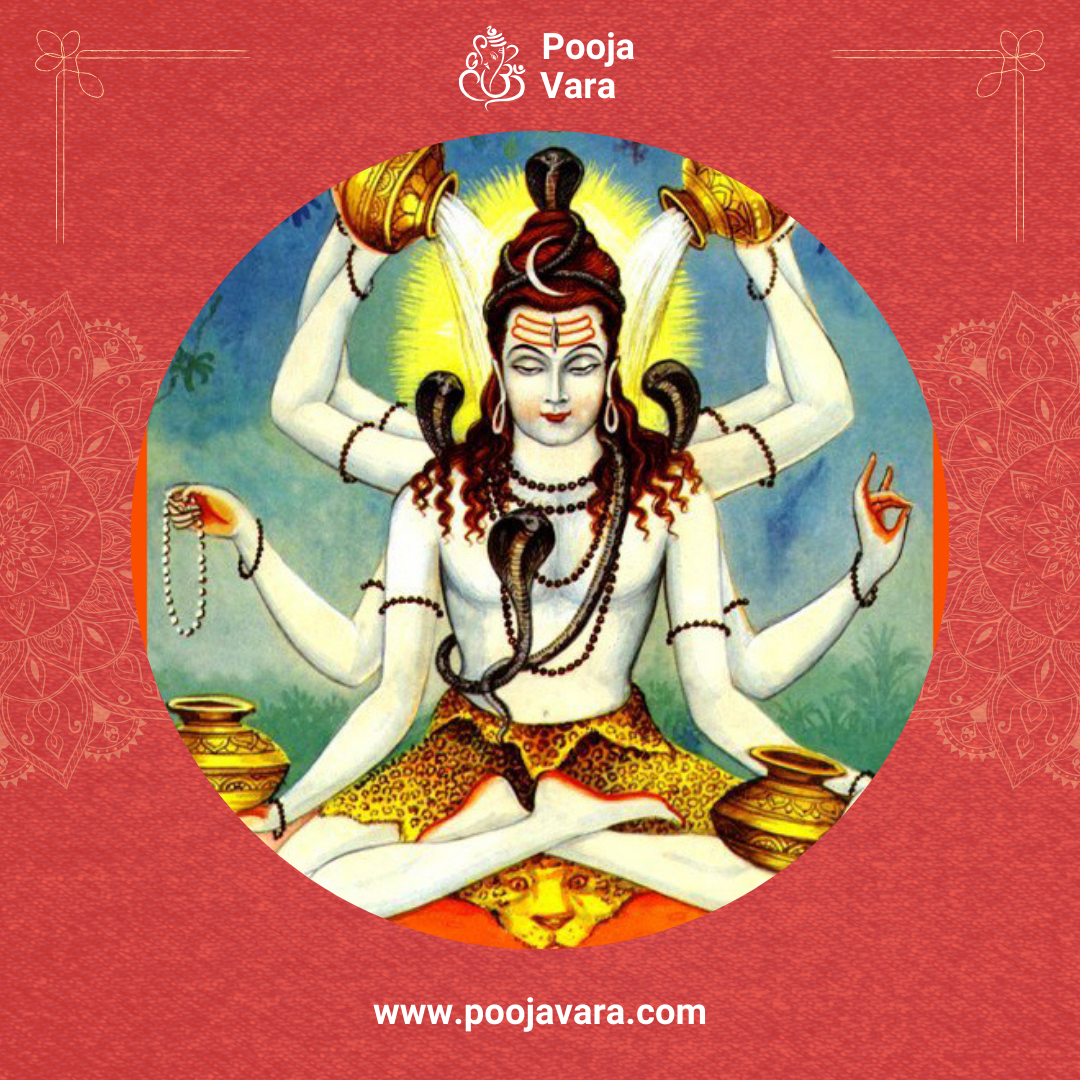
Maha Mrityunjaya Homam in Mumbai: Complete Guide to Benefits, Procedure, Cost & Muhurat

The Maha Mrityunjaya Homam in Mumbai is a sacred Vedic fire ritual dedicated to Lord Shiva and centered around the powerful Maha Mrityunjaya Mantra. Traditionally, devotees perform this homam as a prayer for health, longevity, protection, peace of mind and relief from the fear of untimely death.

The word Mrityunjaya is commonly understood as “victory over death,” while the Maha Mrityunjaya Mantra is also known as the Tryambakam Mantra. The mantra is a Vedic verse associated with Rudra/Shiva and is traditionally used in japa and homa.

For families in Mumbai looking to perform this ritual, an important question is how the ceremony works, what benefits are traditionally associated with it, how much it may cost, and how to choose an appropriate Maha Mrityunjaya Homam muhurat.

This guide covers everything you need to know before booking a Maha Mrityunjaya Homam in Mumbai.

Maha Mrityunjaya Homam in Mumbai

What Is Maha Mrityunjaya Homam?

Maha Mrityunjaya Homam is a Vedic homa or fire ritual performed as an offering to Lord Shiva. During the ceremony, priests chant the Maha Mrityunjaya Mantra and make prescribed offerings into the sacred fire.

The mantra is:

Om Tryambakam Yajamahe Sugandhim Pushti-Vardhanam
Urvarukamiva Bandhanan Mrityor Mukshiya Maamritat

The mantra invokes Tryambaka, the three-eyed form of Shiva, and traditionally expresses a prayer for liberation from the fear and bondage associated with mortality.

The exact procedure can vary according to the sampradaya, priestly tradition, purpose of the sankalpam, number of mantra recitations and scale of the homam. Some versions include a shorter homam, while larger ceremonies may involve extensive japa and multiple priests.

Why Perform Maha Mrityunjaya Homam in Mumbai?

Mumbai is home to people from diverse cultural and spiritual traditions, and families may choose to perform this homam at home, in a temple or at another suitable location.

Devotees traditionally consider Maha Mrityunjaya Homam for occasions such as:

  • Prayers for health and well-being
  • Recovery-related religious observances
  • Seeking longevity and protection
  • Reducing fear and anxiety surrounding difficult circumstances
  • Family prayers for a loved one’s well-being
  • Spiritual purification and peace
  • Important health-related milestones
  • Certain astrological or traditional circumstances

The ritual is ultimately a spiritual and devotional practice. It should not be considered a replacement for medical diagnosis, treatment or professional healthcare. Some service providers also explicitly describe the ritual as being performed alongside, rather than instead of, medical care.

Maha Mrityunjaya Homam Benefits

The following benefits are traditionally associated with the ritual. They should be understood as religious beliefs and spiritual purposes, rather than guaranteed medical outcomes.

1. Prayer for Health and Well-Being

Maha Mrityunjaya Homam is commonly performed when devotees wish to pray for good health and recovery.

Families may organize the ceremony for someone undergoing a difficult period or as part of a broader spiritual practice focused on well-being.

2. Prayer for Longevity

One of the central themes associated with the Mrityunjaya tradition is longevity.

The ritual is traditionally performed with the intention of seeking Ayushya, or long life, and divine blessings for continued well-being.

3. Protection From Fear

The Maha Mrityunjaya Mantra is traditionally associated with overcoming fear of death and difficult circumstances. Chanting the mantra during a homam can therefore become an important spiritual practice for devotees seeking inner strength and peace.

4. Mental and Emotional Peace

Participating in a structured prayer ceremony involving mantra chanting, meditation and sacred fire may provide devotees with a sense of calm, focus and spiritual reassurance.

5. Spiritual Purification

Homa rituals traditionally involve offerings into Agni, the sacred fire, accompanied by mantras and prayers. Devotees may perform the ceremony as part of spiritual purification and devotion to Lord Shiva.

6. Family Well-Being

The homam can also be performed as a family sankalpam, where prayers are made for the health, longevity and overall well-being of a particular family member or the household.

Maha Mrityunjaya Homam Procedure

The exact Maha Mrityunjaya Homam procedure may vary depending on the priest, tradition and scale of the ceremony. A commonly described sequence can include the following stages.

1. Preparation of the Puja Space

The location is cleaned and prepared for the ritual. The homa kund and required puja materials are arranged before the ceremony begins.

For a home ceremony in Mumbai, it is important to have adequate ventilation and a safe area for the sacred fire.

2. Ganapati Puja

The ceremony may begin with prayers to Lord Ganesha.

This is traditionally done before the main ritual to seek blessings and remove obstacles.

3. Punyaha Vachanam

Depending on the tradition, Punyaha Vachanam may be performed as part of the purification and sanctification process.

4. Sankalpam

The priest takes the sankalpam, stating the purpose of the ceremony and relevant details of the devotee.

Details such as name, gotra and nakshatra may be requested where applicable. The specific requirements depend on the priestly tradition.

5. Kalasha Puja

A kalasha may be prepared and worshipped as part of the ritual.

6. Shiva Invocation and Mantra Japa

The main focus then turns toward Lord Shiva and the Maha Mrityunjaya Mantra.

The number of recitations can differ significantly depending on the type and scale of the ceremony. Sources describing different formats mention counts such as 108, 1,008, 11,000 or larger anushthana counts.

7. Maha Mrityunjaya Homam

The priest chants the prescribed mantras while offerings are made into the sacred fire.

The offerings and sequence depend on the particular vidhanam being followed.

8. Poornahuti

The main homam concludes with Poornahuti, the final offering into the sacred fire.

9. Ashirvachanam and Prasadam

The ceremony concludes with blessings and distribution of prasadam.

The precise order and inclusions can vary, so devotees should confirm the complete vidhi with their chosen priest before booking.

Conclusion

The Maha Mrityunjaya Homam in Mumbai is a deeply significant Shiva ritual traditionally performed for prayers related to health, longevity, protection, peace and spiritual well-being. From selecting the appropriate muhurat to understanding the procedure, samagri and cost, proper preparation can help families perform the ceremony with clarity and devotion.

If you are planning a Maha Mrityunjaya Homam in Mumbai, choose an experienced priest or trusted puja service that clearly explains the vidhanam, muhurat, materials, number of priests and complete cost before booking.

Looking to perform Maha Mrityunjaya Homam in Mumbai? Contact Poojavara to discuss your preferred date, location and requirements and get guidance for arranging the ceremony according to your tradition.

Saraswathi Pooja in Mumbai: Complete Guide to Muhurat, Rituals, Samagri & Procedure

Saraswathi Pooja in Mumbai: Complete Guide to Muhurat, Rituals, Samagri & Procedure

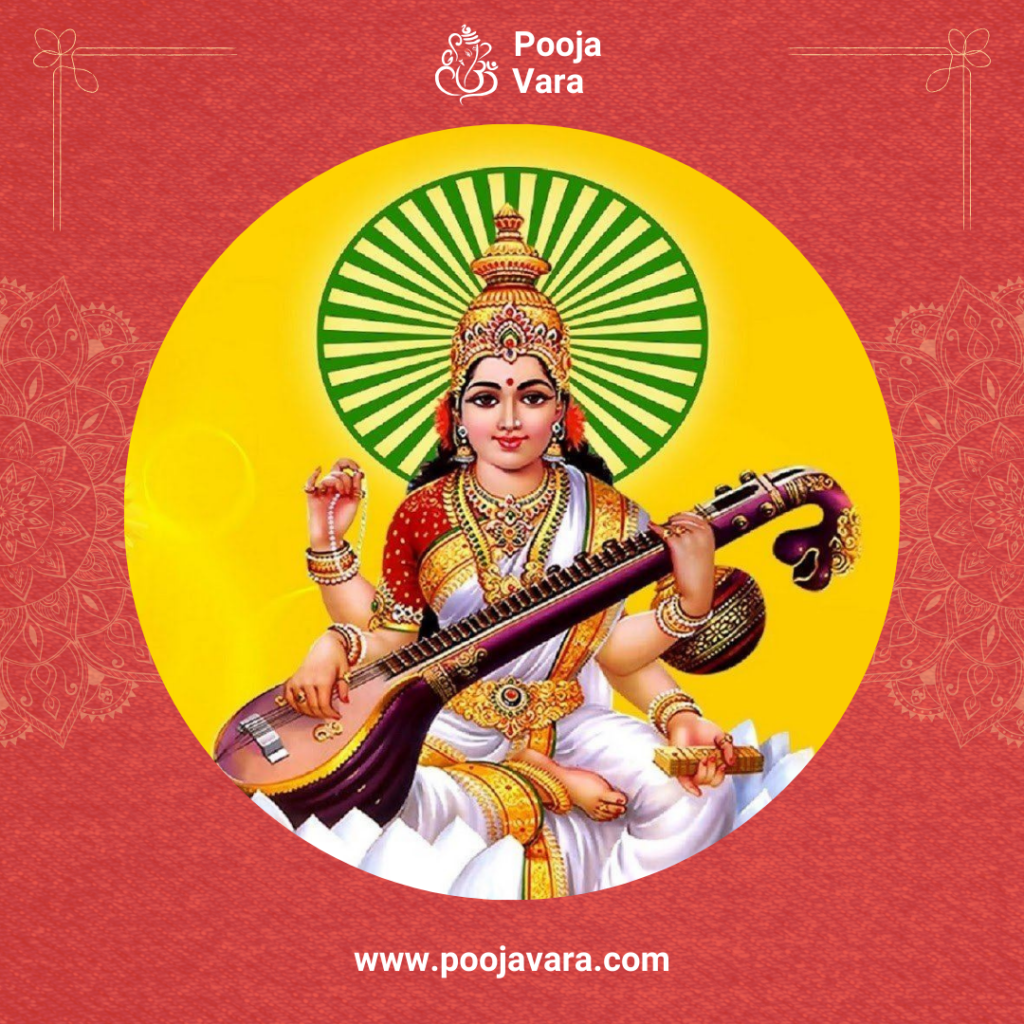
Saraswathi Pooja is a traditional Hindu worship ceremony dedicated to Goddess Saraswathi, the goddess of knowledge, wisdom, learning, music, arts, and creativity. Students, teachers, artists, musicians, professionals, and families commonly perform this pooja to seek blessings for education, intellectual growth, concentration, creativity, and success.

For families living in Mumbai, arranging a traditional Saraswathi Pooja can sometimes feel challenging because of busy schedules, limited access to experienced priests, and the difficulty of organizing all the required pooja samagri. Choosing a reliable Saraswathi Pooja service in Mumbai can make the process easier while helping families perform the rituals according to their traditions.

This guide explains everything you need to know about Saraswathi Pooja in Mumbai, including the significance of the pooja, suitable muhurat, Saraswathi Pooja samagri, rituals, procedure, benefits, preparation tips, and how to book a qualified pandit.

Saraswathi Pooja in Mumbai

What Is Saraswathi Pooja?

Saraswathi Pooja is a Hindu religious ritual performed to worship Goddess Saraswathi, who is traditionally associated with knowledge, wisdom, speech, music, arts, and learning.

The pooja is especially significant for students preparing for examinations, children beginning their education, teachers, musicians, writers, artists, and professionals who want to seek blessings for knowledge and intellectual development.

Depending on regional and family traditions, Saraswathi Pooja may be performed during festivals such as Vasant Panchami, Navaratri, or on other auspicious days selected according to the Hindu calendar.

Families may also perform the pooja before important educational milestones, such as:

  • Starting school or college
  • Beginning a new course
  • Preparing for important examinations
  • Starting music or dance training
  • Beginning a creative profession
  • Opening an educational institution
  • Starting a new business or professional journey
  •  

Why Perform Saraswathi Pooja in Mumbai?

Mumbai is home to people from different regions of India, and families often follow different traditions and methods of performing Saraswathi Pooja.

Finding a qualified Saraswathi Pooja pandit in Mumbai can help families organize the ceremony according to their preferred traditions.

A professional pooja service can assist with:

  • Selecting an appropriate muhurat
  • Arranging a knowledgeable pandit
  • Preparing the required pooja samagri
  • Performing Sanskrit mantras and rituals
  • Explaining the significance of the ceremony
  • Coordinating the pooja at your home or preferred venue

For busy Mumbai families, a complete pooja service can also reduce the time and effort required to organize the ceremony.

When Is Saraswathi Pooja Performed?

One of the most popular occasions for worshipping Goddess Saraswathi is Vasant Panchami, also known as Shri Panchami or Basant Panchami.

The festival is traditionally associated with Goddess Saraswathi and is considered an important occasion for seeking blessings related to learning, knowledge, music, and the arts.

However, the exact Saraswathi Pooja muhurat in Mumbai changes every year because it depends on the Hindu lunar calendar and local sunrise and sunset timings.

Therefore, families should check the Panchang for the relevant year and Mumbai location before finalizing the pooja date and time.

Saraswathi Pooja Muhurat

The ideal pooja timing can vary according to:

  • Tithi
  • Nakshatra
  • Sunrise and sunset
  • Local Panchang calculations
  • Family tradition
  • The specific purpose of the pooja

If you are planning Saraswathi Pooja in Mumbai, it is advisable to consult a qualified pandit who can identify a suitable muhurat based on the applicable Panchang.

Important: Muhurat changes every year. Avoid using a generic date or time from an old article when scheduling the ceremony.

Saraswathi Pooja Samagri List

Preparing the required Saraswathi Pooja samagri in advance can make the ceremony more organized.

The exact requirements can vary according to regional traditions and the pandit’s method of worship, but commonly used items may include:

Basic Pooja Items

  • Saraswathi Devi idol or photograph
  • Pooja chowki
  • Clean cloth
  • Kalash
  • Coconut
  • Mango or other suitable leaves
  • Flowers
  • Garland
  • Turmeric
  • Kumkum
  • Sandalwood
  • Akshata or rice mixed with turmeric
  • Incense sticks
  • Camphor
  • Diyas
  • Cotton wicks
  • Ghee or oil
  • Fruits
  • Betel leaves
  • Betel nuts
  • Panchamrit ingredients
  • Water
  • Sacred thread

Educational Items

Since Goddess Saraswathi represents knowledge and learning, families may place educational and creative items near the deity during the pooja, such as:

  • Books
  • Notebooks
  • Pens and pencils
  • Musical instruments
  • Art materials
  • Educational certificates
  • School or college materials

The items should be clean and respectfully arranged before the ceremony.

Saraswathi Pooja Procedure

The exact procedure may differ depending on the family tradition and the priest conducting the ceremony. A typical Saraswathi Pooja vidhi may include the following steps.

1. Preparation and Cleaning

The pooja area is cleaned and decorated before the ceremony. A clean platform or chowki is prepared for Goddess Saraswathi.

2. Establishing the Kalash

A kalash may be prepared and placed as part of the traditional pooja setup. The priest performs the required purification rituals and invokes divine blessings.

3. Sankalpam

The family performs sankalpam, stating the purpose of the pooja and seeking the blessings of Goddess Saraswathi.

The sankalpam may include the names of family members and the intention behind performing the ceremony.

4. Ganesh Pooja

Lord Ganesha is traditionally worshipped before many Hindu rituals. The priest performs Ganesh Pooja to seek blessings for an auspicious and uninterrupted ceremony.

5. Saraswathi Avahanam

The priest invokes Goddess Saraswathi and begins the main worship using appropriate mantras.

6. Saraswathi Ashtottara Shatanamavali

Depending on the tradition, the priest may recite the Saraswathi Ashtottara Shatanamavali, consisting of 108 names associated with Goddess Saraswathi.

7. Offering Flowers and Naivedyam

Flowers, fruits, and other offerings are presented to the deity. Families may also prepare traditional sweets or other vegetarian offerings as naivedyam.

8. Books and Instruments

Books, musical instruments, educational materials, or artistic tools may be placed before the deity as part of the worship.

9. Saraswathi Mantras

The priest may chant appropriate Saraswathi mantras during the ceremony. One commonly known prayer is:

“Ya Kundendu Tusharahara Dhavala
Ya Shubhra Vastravrita…”

The mantra is traditionally associated with Goddess Saraswathi and is recited as a prayer for knowledge and wisdom.

10. Aarti and Prasad

The ceremony concludes with aarti and distribution of prasad among family members and participants.

Benefits Traditionally Associated With Saraswathi Pooja

Devotees perform Saraswathi Pooja with the intention of seeking blessings for:

  • Knowledge and wisdom
  • Better concentration
  • Learning and education
  • Creativity
  • Academic pursuits
  • Musical and artistic abilities
  • Speech and communication
  • Professional development

It is important to understand that these are religious and devotional beliefs, rather than scientifically established outcomes.

For students, the pooja can also serve as a meaningful spiritual occasion to begin or renew their commitment to learning.

Conclusion

Saraswathi Pooja in Mumbai is a meaningful spiritual ceremony for families, students, teachers, artists, musicians, and professionals who wish to worship Goddess Saraswathi and seek blessings associated with knowledge, wisdom, creativity, and learning.

From selecting an appropriate Saraswathi Pooja muhurat to arranging the required pooja samagri, choosing a knowledgeable pandit and preparing the pooja space, planning each step in advance can make the ceremony smooth and memorable.

If you are planning Saraswathi Pooja at home, at an educational institution, or at another venue in Mumbai, consider booking a reliable pooja service that can assist with the pandit, samagri, rituals, and ceremony arrangements.

Planning a Saraswathi Pooja in Mumbai? Contact Poojavara to discuss your preferred date, location, pooja requirements, and pandit booking.

Annaprasanam in Mumbai: Complete Guide to Muhurat, Rituals, Samagri & Procedure

Annaprasanam in Mumbai: Complete Guide to Muhurat, Rituals, Samagri & Procedure

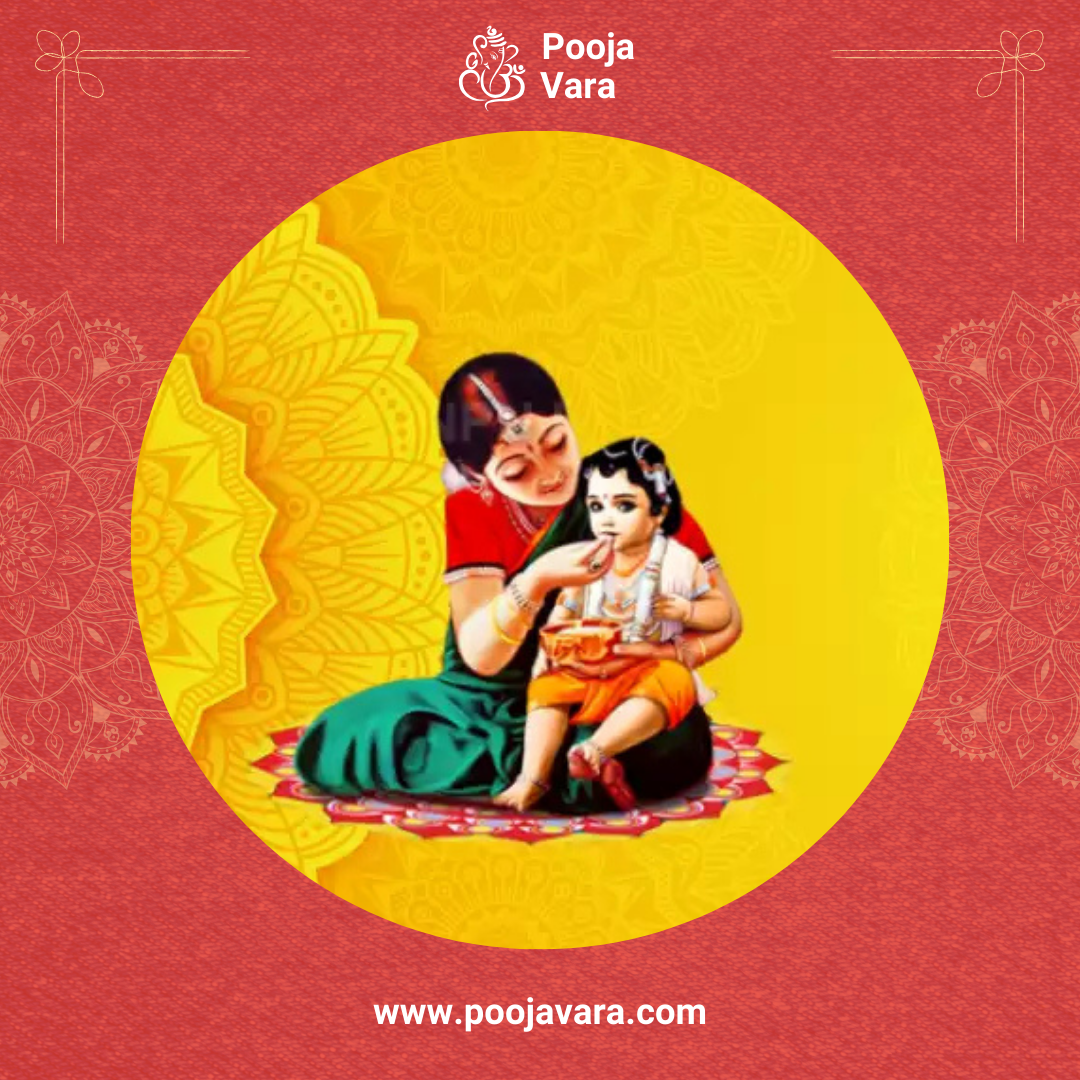
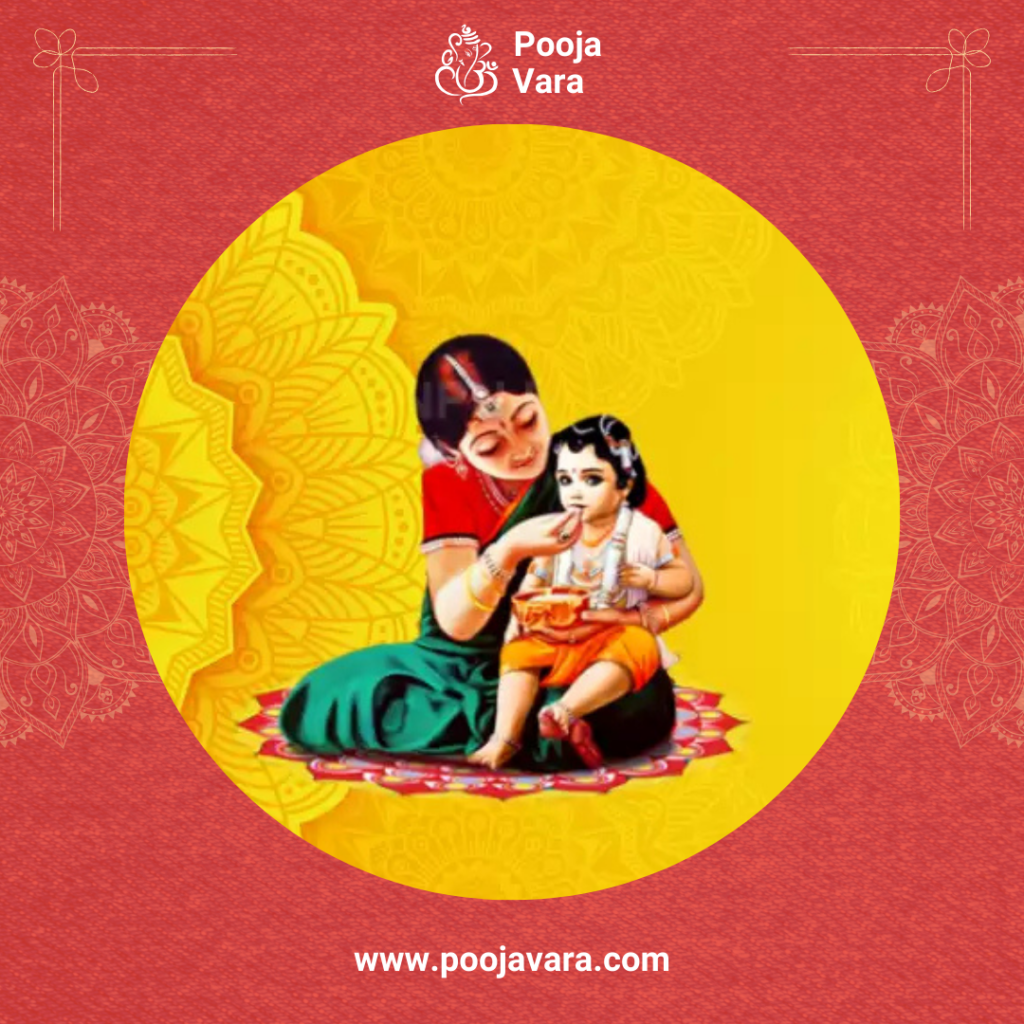
Annaprasanam in Mumbai is a beautiful Hindu ceremony that marks one of the most memorable milestones in a baby’s early life—the first introduction to solid food. Traditionally, the baby is given a small quantity of cooked rice, kheer, or payasam while family members offer prayers and blessings for good health, happiness, nourishment, and prosperity.

The ceremony is known by different names across India, including Annaprashan, Annaprasana, Anna Prashana, Rice Feeding Ceremony, Choroonu, and Mukhe Bhaat. Although the customs vary between communities, the central purpose remains the same: celebrating the baby’s transition from milk to solid food.

For families planning Annaprasanam in Mumbai, choosing the right muhurat, arranging a qualified priest, preparing the required samagri, and understanding the ceremony procedure can make the occasion much more meaningful and stress-free.

In this guide, we cover everything you need to know about Annaprasanam Muhurat in Mumbai, Annaprasanam rituals, Annaprasanam samagri, Annaprasanam procedure, first rice feeding ceremony, and how to arrange the ceremony at home or another suitable venue.

Annaprasanam in Mumbai

What Is Annaprasanam?

Annaprasanam is a traditional Hindu samskara that celebrates a baby’s first intentional intake of solid food. The word is derived from Sanskrit, with anna referring to food or rice and prashana referring to eating or feeding.

Rice or rice-based food is traditionally chosen because it represents nourishment and sustenance. The ceremony therefore combines a practical milestone in a child’s development with religious prayers and family blessings.

The ceremony is generally performed when the baby is around six months old, although the exact age and customs differ according to regional traditions, family practices, and the advice of the family’s priest. Some traditional practices use different months for boys and girls, but these conventions are not universally followed.

Why Is Annaprasanam Important?

Annaprasanam has both cultural and spiritual significance.

1. Celebrates the Baby’s Growth

The ceremony marks an important stage in a baby’s development—the introduction of food beyond milk.

2. Seeks Blessings for the Child

Parents and family members pray for the baby’s health, happiness, longevity, prosperity, and overall well-being.

3. Honors Food and Nourishment

Rice and food have a particularly important place in Indian traditions. The first feeding symbolizes the child’s entry into a new stage of nourishment and growth.

4. Brings the Family Together

Grandparents, relatives, friends, and well-wishers often participate in the ceremony, making it an important family celebration.

Annaprasanam Muhurat in Mumbai

One of the most common questions parents ask is:

“When should Annaprasanam be performed?”

Traditionally, Annaprasanam is performed around the baby’s sixth month. However, the exact date and time are usually selected based on the family’s tradition and a Hindu Panchang.

Some traditions consider factors such as:

  • Tithi
  • Nakshatra
  • Vara (weekday)
  • Lunar phase
  • Baby’s birth details
  • Baby’s gender according to particular traditional customs
  • Family tradition
  • Location of the ceremony

Some traditional sources mention auspicious Shukla Paksha days and particular months, but practices differ considerably between communities. Therefore, families should not rely on a generic date list when selecting their ceremony time.

How to Choose Annaprasanam Muhurat in Mumbai

For a personalized Annaprasanam Muhurat in Mumbai, families can provide the baby’s:

  • Date of birth
  • Exact time of birth
  • Place of birth
  • Parents’ details
  • Preferred ceremony dates, if any

A priest or knowledgeable astrologer can then determine a suitable muhurat according to the family’s customary practice.

Important: Muhurat recommendations are location- and tradition-dependent. A date considered suitable in one region or family tradition may not necessarily be the same for another.

Annaprasanam Samagri List

Preparing the Annaprasanam samagri in advance can make the ceremony much easier.

The exact list can vary depending on the priest, regional customs, and the type of puja being performed. A general checklist may include:

Puja Items

  • Ganesh idol or picture
  • Kalash
  • Coconut
  • Mango leaves
  • Turmeric
  • Kumkum
  • Sandalwood paste
  • Akshata
  • Flowers
  • Garland
  • Incense sticks
  • Camphor
  • Diya
  • Cotton wicks
  • Ghee or oil
  • Betel leaves
  • Areca nuts
  • Fruits
  • Sweets
  • Prasad items
  •  

Annaprasanam Food Items

Traditionally, the baby may be given a very small quantity of:

  • Cooked rice
  • Rice kheer
  • Payasam
  • Soft rice preparation

The specific preparation should follow the family’s tradition and the guidance of the baby’s pediatrician regarding age-appropriate complementary feeding.

Feeding Items

  • Small clean bowl
  • Clean spoon
  • Silver spoon, if customary
  • Clean plate
  • Baby’s new clothes
  • Clean cloth
  • Decorative items for the ceremony

A useful practice is to ask your priest for the exact Annaprasanam samagri list before purchasing anything, because some ceremonies may require additional items.

Conclusion

Annaprasanam in Mumbai is more than a traditional rice-feeding ceremony. It is a celebration of a baby’s growth, nourishment, family traditions, and the blessings of loved ones.

From selecting an appropriate Annaprasanam Muhurat in Mumbai to arranging the Annaprasanam samagri, priest, puja, first feeding, decorations, and family gathering, planning ahead can make the ceremony simple and memorable.

Because customs vary across communities, it is always advisable to confirm the exact muhurat, rituals, samagri, and procedure with a qualified priest who follows your family’s tradition.

Planning Annaprasanam in Mumbai? Explore Poojavara’s pooja and pandit services to arrange your ceremony with the required rituals and support, so your family can focus on celebrating this special milestone.

Lalitha Sahasranama Pooja in Mumbai: Complete Guide to Procedure, Benefits, Samagri & Muhurat

Lalitha Sahasranama Pooja in Mumbai: Complete Guide to Procedure, Benefits, Samagri & Muhurat

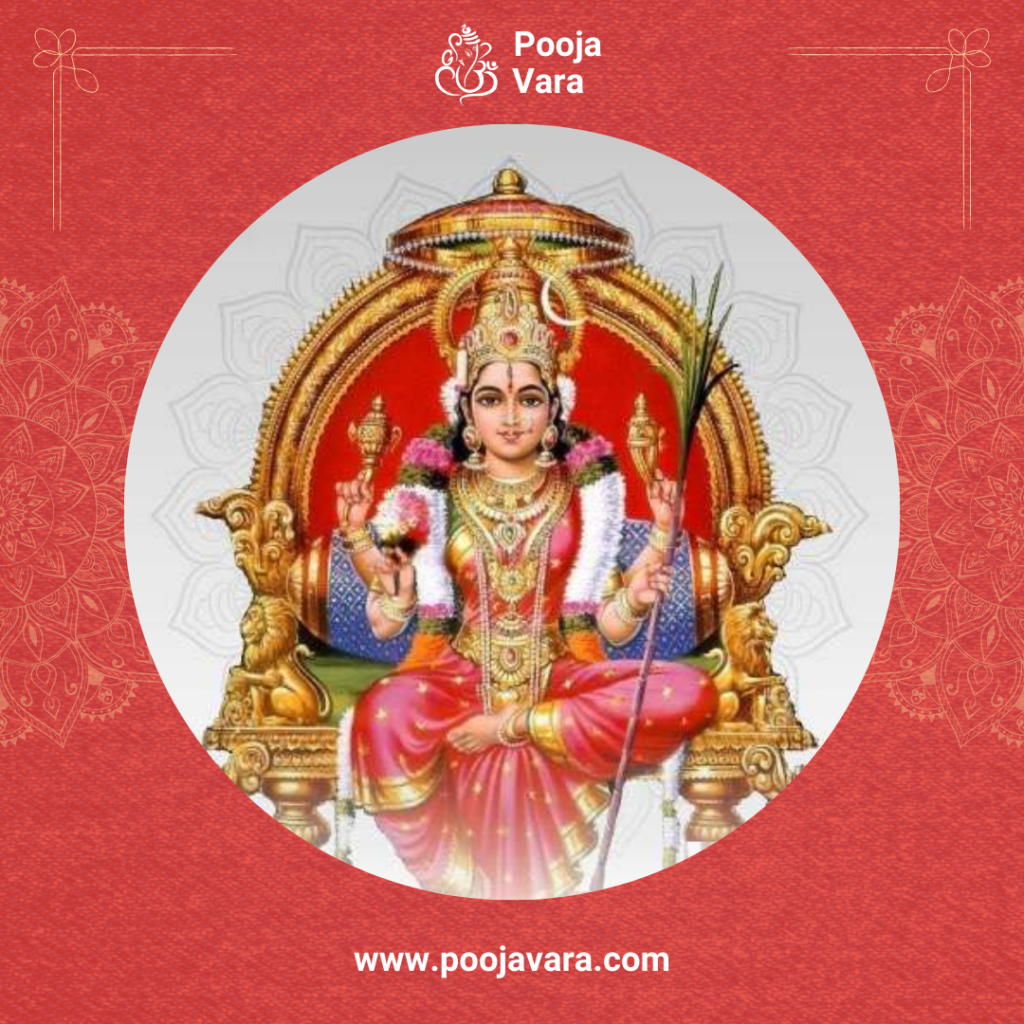
The Lalitha Sahasranama Pooja in Mumbai is a revered form of Devi worship dedicated to Goddess Lalitha Tripura Sundari, a manifestation of the Divine Mother in the Shakti tradition. Lalitha Sahasranama refers to the sacred recitation of the 1,000 names of Goddess Lalitha, traditionally associated with the Brahmanda Purana. The hymn describes different attributes and forms of the Divine Mother and is widely recited as part of Devi worship.

For devotees living in Mumbai, Lalitha Sahasranama Pooja can be performed at home, in a temple, or as part of a larger religious ceremony. It is commonly observed on Fridays, during Navratri, on Purnima (Full Moon), and on other days selected according to family tradition and the guidance of a qualified priest.

Whether you are planning Lalitha Sahasranama Pooja for spiritual practice, family worship, a special occasion, or a personal sankalpam, understanding the puja procedure, samagri, suitable muhurat and preparation can help you organize the ceremony smoothly.

Lalitha Sahasranama Pooja in Mumbai

What Is Lalitha Sahasranama Pooja?

Lalitha Sahasranama Pooja is a form of worship in which devotees offer prayers to Goddess Lalitha Tripura Sundari along with the recitation of her 1,000 sacred names.

The Lalitha Sahasranama is traditionally connected with the Brahmanda Purana and is presented as a dialogue in which Lord Hayagriva teaches the sacred hymn to Sage Agastya.

The practice may be performed as a simple Lalitha Sahasranama Parayanam, or it can be incorporated into a more elaborate puja involving deity worship, sankalpam, offerings, kumkumarchana, naivedyam and aarti. The exact sequence can differ depending on the sampradaya, family tradition, priest and type of ceremony.

For people looking for Lalitha Sahasranama Pooja in Mumbai, the ceremony can be arranged at home with a priest, at a temple, or through a professional puja services.

Why Perform Lalitha Sahasranama Pooja?

Devotees undertake Lalitha Sahasranama recitation as a form of devotional practice, meditation and prayer. The repeated remembrance of the Divine Mother can provide a structured spiritual routine and an opportunity to spend time in prayer and reflection.

Traditional sources associate Lalitha Sahasranama recitation with qualities such as spiritual awareness, inner calm, devotion and positive transformation. These are traditional spiritual beliefs rather than medically or scientifically established outcomes.

Commonly Cited Spiritual Benefits of Lalitha Sahasranama

Some devotees perform Lalitha Sahasranama Pooja with intentions such as:

  • Developing greater devotion toward Goddess Lalitha
  • Creating a peaceful environment for prayer and meditation
  • Maintaining a regular spiritual discipline
  • Seeking blessings for family wellbeing
  • Cultivating concentration and mindfulness
  • Expressing gratitude to the Divine Mother
  • Beginning or continuing a Devi-upasana practice
  • Observing important occasions such as Fridays or Navratri

The meaning and significance of the recitation can also encourage devotees to reflect on the different qualities represented by the names of Goddess Lalitha.

Lalitha Sahasranama Pooja in Mumbai: Complete Procedure

The exact Lalitha Sahasranama Pooja procedure may vary according to the priest and tradition. A typical household ceremony can include the following steps.

1. Purification and Preparation

Before beginning the puja, devotees generally bathe and wear clean clothes. The puja area should be cleaned and arranged beforehand.

A clean and peaceful environment helps devotees focus on the worship without unnecessary distractions.

2. Set Up the Puja Area

A picture or idol of Goddess Lalitha Tripura Sundari may be placed on a clean altar. In traditions where it is appropriate, a Sri Chakra or Sri Yantra may also be used.

A lamp, incense and flowers can be arranged near the deity.

3. Sankalpam

The priest or devotee may perform sankalpam, formally stating the intention of the puja.

Depending on the tradition, details such as the devotee’s name, gotra, nakshatra and purpose of the worship may be included.

4. Ganapati and Preliminary Worship

Many puja traditions begin with prayers to Lord Ganesha, seeking the removal of obstacles before proceeding with the main worship.

Additional preliminary rituals may be performed depending on the chosen puja vidhi.

5. Goddess Lalitha Dhyana

The devotee meditates upon Goddess Lalitha Tripura Sundari and invokes her presence with prayers and appropriate mantras.

6. Lalitha Sahasranama Recitation

The central part of the ceremony is the recitation of the Lalitha Sahasranama, consisting of 1,000 names of the Goddess.

The names may be recited as a stotram or namavali according to the selected tradition. Some ceremonies also include offerings such as flowers or kumkum during the recitation.

7. Kumkumarchana

In some forms of Lalitha Devi worship, kumkumarchana is performed by offering kumkum while chanting the names or mantras associated with the Goddess.

The exact method should be followed according to the priest’s guidance and the tradition being observed.

8. Naivedyam

Food, fruits, sweets or other suitable offerings are presented as naivedyam to the Goddess.

The specific offerings can vary according to family customs and the type of puja.

9. Aarti and Prasadam

The ceremony generally concludes with Devi aarti, followed by prayers and distribution of prasadam.

For a simple Lalitha Sahasranama recitation, the entire practice may be considerably shorter than an elaborate puja or homam. A single recitation is commonly described as taking around 45–60 minutes, although the overall ceremony can take longer depending on the accompanying rituals.

Lalitha Sahasranama Pooja Samagri

The Lalitha Sahasranama Pooja samagri depends on the specific puja vidhi selected. It is a good idea to confirm the final list with your priest before purchasing specialized items.

Common items may include:

  • Goddess Lalitha Devi photo or idol
  • Sri Chakra/Sri Yantra, where applicable
  • Puja plate and vessels
  • Kalash
  • Kumkum
  • Turmeric
  • Sandalwood
  • Red or other suitable flowers
  • Garland
  • Akshata (rice mixed with turmeric)
  • Betel leaves
  • Betel nuts
  • Fruits
  • Coconut
  • Incense sticks
  • Camphor
  • Ghee or oil lamp
  • Cotton wicks
  • Water
  • Panchamrit ingredients
  • Naivedyam or sweets
  • Prasadam items
  • Clean cloth
  • Aarti plate

If a more elaborate ritual or Lalitha Sahasranama Homam is being conducted, additional homam-related materials will be required. The priest should provide the specific list because requirements can differ by tradition.

Conclusion

Lalitha Sahasranama Pooja in Mumbai offers devotees an opportunity to dedicate time to prayer, devotion and the remembrance of Goddess Lalitha Tripura Sundari. Whether you choose a simple home recitation or a formal puja with a priest, preparing the required Lalitha Sahasranama Pooja samagri, selecting a suitable date and understanding the ceremony beforehand can make the experience more organized.

Fridays, Navratri and Purnima are commonly associated with this form of Devi worship, although the appropriate Lalitha Sahasranama Muhurat can depend on your family tradition and the specific ceremony being performed.

If you are planning to perform Lalitha Sahasranama Pooja in Mumbai, Poojavara can help you explore suitable puja arrangements, priest services and related devotional services.

Book your Lalitha Sahasranama Poojain Mumbai and make your sacred occasion easier to organize with the right priest and puja arrangements.

Gowri Pooja in Mumbai: Complete Guide to Procedure, Benefits, Samagri & Muhurat

Gowri Pooja in Mumbai: Complete Guide to Procedure, Benefits, Samagri & Muhurat

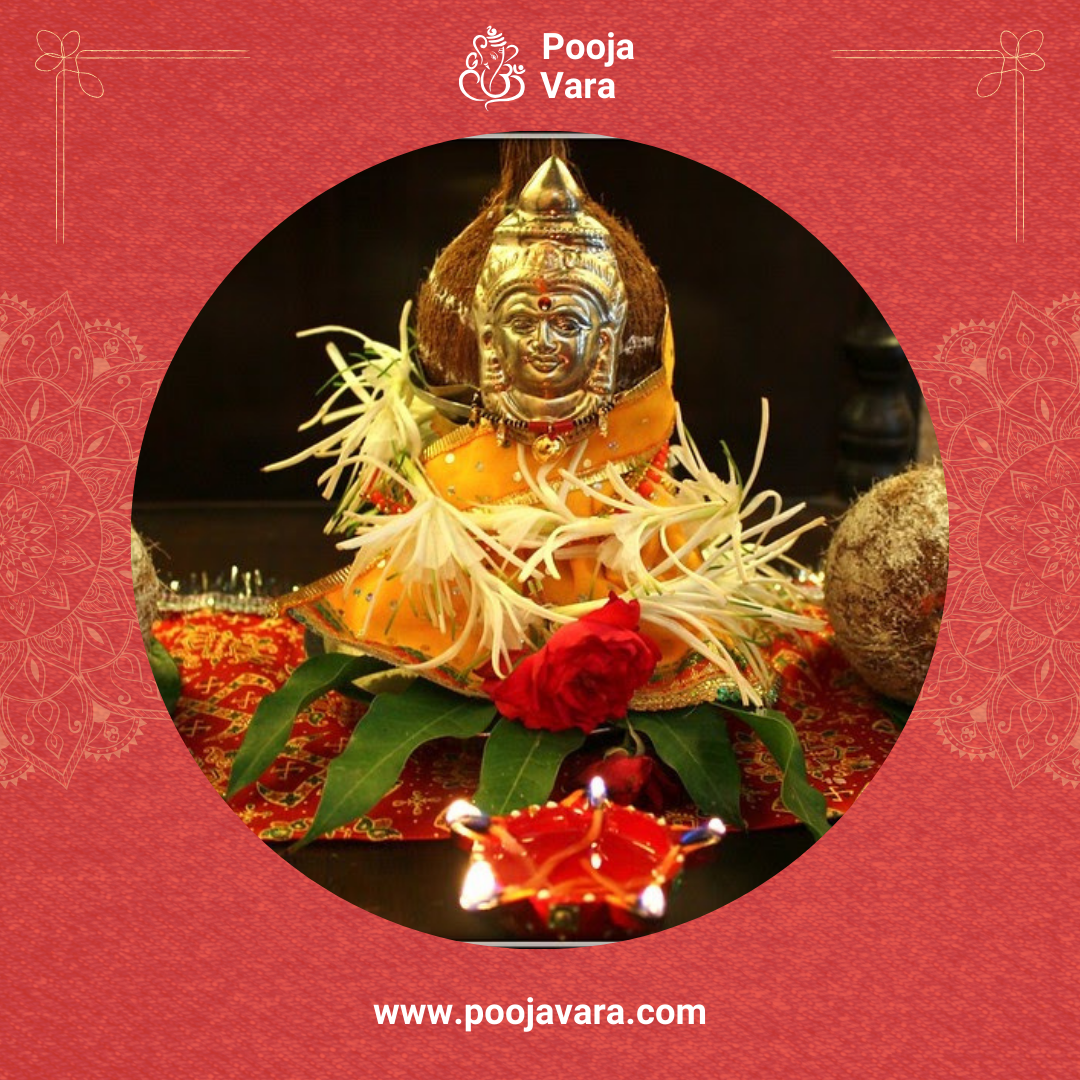
Gowri Pooja is a deeply meaningful Hindu worship dedicated to Goddess Gowri, a form of Goddess Parvati, and is traditionally associated with blessings for prosperity, family harmony, marital well-being and auspiciousness. For devotees living in Mumbai, the festival is also an opportunity to preserve family traditions while celebrating the divine feminine with devotion.

Depending on regional tradition, Gowri worship may be observed as Gauri Pujan, Jyeshtha Gauri Pujan, Gowri Habba or Swarna Gowri Vratha. In Maharashtra, Jyeshtha Gauri is traditionally welcomed into homes around the Ganesh festival, with the celebration involving invocation, puja, offerings and visarjan. In Karnataka, Andhra Pradesh and Tamil Nadu traditions, Gowri Habba is associated with Goddess Gowri and Swarna Gowri Vratha.

If you are planning Gowri Pooja in Mumbai, this guide explains the significance, samagri, basic procedure, muhurat considerations, benefits and frequently asked questions.

Gowri Pooja in Mumbai

What Is Gowri Pooja?

Gowri Pooja is a traditional Hindu puja performed in honour of Goddess Gowri (Parvati).

Goddess Gowri is revered as a symbol of:

  • Purity and devotion
  • Strength and prosperity
  • Family well-being
  • Marital harmony
  • Motherhood
  • Auspiciousness
  • Shakti, or divine feminine energy

The exact form of Gowri worship differs from one region and family tradition to another. For example, Gowri Habba is particularly associated with Karnataka, Andhra Pradesh and Tamil Nadu traditions, while Maharashtra has its own Gauri Pujan/Jyeshtha Gauri customs.

Therefore, families in Mumbai may follow the tradition passed down through their community or consult their family priest for the appropriate method.

Gowri Pooja in Mumbai: Why Is It Important?

Mumbai is home to people from different parts of India, so Gowri Pooja is celebrated according to diverse regional customs.

For many families, the puja is more than a religious ceremony. It is a way of bringing family members together, maintaining ancestral traditions and expressing gratitude.

Devotees traditionally pray to Goddess Gowri for:

  • Peace and happiness at home
  • Prosperity and abundance
  • Healthy family relationships
  • Marital harmony
  • Success in personal and professional life
  • Removal of obstacles
  • Spiritual strength and devotion

These are traditional religious beliefs, rather than scientifically established outcomes.

Gowri Pooja Muhurat in Mumbai

The Gowri Pooja muhurat should ideally be determined according to the Hindu Panchang, local sunrise and the specific tradition being followed.

This is especially important because different Gowri observances can fall on different tithis.

For example, in 2026, Gowri Habba/Swarna Gowri Vratha is listed for Monday, September 14, with the relevant Tritiya tithi extending into the morning. A Mumbai-area Panchang source similarly gives September 14 for the associated Hartalika observance and a morning puja window.

However, do not use a generic muhurat for every Gowri Pooja. Jyeshtha Gauri Pujan in Maharashtra follows a different festival cycle; in 2026, Maharashtra sources place Gauri Avahan on September 17, puja on September 18 and visarjan on September 19.

How to choose the correct Gowri Pooja muhurat

Before beginning the puja:

  1. Identify the exact Gowri festival being observed.
  2. Check the local Mumbai Panchang.
  3. Confirm the tithi and nakshatra.
  4. Check the recommended puja period.
  5. If following a family tradition, confirm the timing with your family priest or purohit.

This is particularly useful when searching for Gowri Pooja services in Mumbai, because the priest should know which regional procedure your family follows.

Gowri Pooja Samagri: Complete List

Preparing the puja samagri in advance makes the ceremony easier and more organised.

Here is a general Gowri Pooja samagri list:

Basic Puja Items

  • Goddess Gowri idol or traditional representation
  • Lord Ganesha idol
  • Puja plate/thali
  • Kalash
  • Coconut
  • Mango leaves
  • Water
  • Akshata/rice
  • Turmeric
  • Kumkum
  • Sandalwood paste
  • Incense sticks
  • Camphor
  • Cotton wicks
  • Diya/oil lamp
  • Flowers
  • Flower garland


Traditional Offerings

  • Fruits
  • Coconut
  • Betel leaves
  • Betel nuts
  • Bananas
  • Seasonal fruits
  • Sweets
  • Jaggery
  • Milk
  • Curd
  • Honey
  • Ghee


Items for Goddess Gowri

Depending on your regional tradition, you may also arrange:

  • Saree or vastra
  • Blouse piece
  • Bangles
  • Kumkum
  • Turmeric
  • Flowers
  • Jewellery
  • Mirror
  • Comb
  • Other traditional Suhag/Solah Shringar items


Naivedyam

The food offered to Goddess Gowri varies by family and region.

It may include:

  • Modak
  • Payasam/kheer
  • Sweet dishes
  • Fruits
  • Traditional regional preparations
  • Coconut-based sweets
  • Jaggery-based offerings

The exact samagri list should follow your family or temple tradition, because Gowri Pooja customs vary significantly across regions.

Gowri Pooja Procedure: Step-by-Step Guide

The following is a general procedure. Your priest may modify it according to your sampradaya, regional tradition and Panchang.

Step 1: Clean the Puja Area

Clean the area where the puja will be performed.

Decorate the space with:

  • Rangoli
  • Flowers
  • Toran
  • Lamps
  • Traditional decorations

A clean and peaceful environment helps create a devotional atmosphere.

Step 2: Take a Bath and Wear Clean Clothes

Devotees traditionally take a bath before the puja and wear clean, preferably traditional clothes.

Women may wear a saree or other traditional attire, while men may wear traditional or clean formal clothing.

Step 3: Prepare the Puja Setup

Place the puja platform or chowki in the designated area.

Arrange:

  • Kalash
  • Gowri idol
  • Ganesha idol
  • Lamps
  • Flowers
  • Puja samagri
  • Naivedyam

If your family tradition uses a specific form or representation of Gowri, prepare it accordingly.

Step 4: Perform Ganapati Puja

Many Hindu pujas begin by invoking Lord Ganesha.

Offer:

  • Flowers
  • Akshata
  • Durva, where appropriate
  • Kumkum
  • Naivedyam

Pray for the successful completion of the puja.

Step 5: Invoke Goddess Gowri

The central part of the ceremony is invoking Goddess Gowri.

Offer flowers, turmeric, kumkum and other traditional items while reciting the appropriate mantras.

Devotees can also recite:

  • Gowri Ashtottara Shatanamavali
  • Gowri mantras
  • Traditional stotras
  • Family-specific prayers

Step 6: Perform Shodashopachara or Traditional Puja

Depending on the tradition, the priest may perform the appropriate upacharas, which can include:

  • Avahana
  • Asana
  • Padya
  • Arghya
  • Achamana
  • Snana
  • Vastra
  • Gandha
  • Pushpa
  • Dhupa
  • Deepa
  • Naivedya
  • Tambula
  • Aarti

The exact sequence can differ according to the puja tradition.

Step 7: Offer Naivedyam

Prepare and offer the traditional food items to Goddess Gowri.

The family may then distribute the prasadam after completion of the puja.

Step 8: Perform Gowri Aarti

Complete the main worship with a traditional Gowri Aarti.

Family members can participate together, making the occasion especially meaningful for children and elders.

Step 9: Prayers and Blessings

Devotees traditionally pray for:

  • Family prosperity
  • Health and well-being
  • Peace at home
  • Marital happiness
  • Success
  • Spiritual growth


Step 10: Visarjan or Completion Ritual

If your specific Gowri tradition involves a temporary idol or ceremonial installation, the celebration may conclude with a visarjan or departure ritual.

For example, Maharashtra’s Jyeshtha Gauri celebration traditionally follows an arrival, main puja and visarjan sequence. In 2026, sources report the Maharashtra observance from September 17–19.

Follow your family tradition regarding when and how the deity is respectfully concluded.

Conclusion

Gowri Pooja is a beautiful way to honour Goddess Gowri and celebrate family, devotion and tradition. Whether your family follows Gowri Habba, Swarna Gowri Vratha, Gauri Pujan or Jyeshtha Gauri, understanding the correct procedure, samagri and muhurat can help you conduct the ceremony respectfully.

If arranging everything yourself feels difficult, professional pooja services can simplify the process by helping with Pandit booking, puja samagri, decorations, rituals and other arrangements.

Planning Gowri Pooja in Mumbai? Book a qualified Pandit and arrange your complete puja requirements in advance for a peaceful and traditional ceremony.