poojavara.com

Blogs

Grihapravesh Pooja in Delhi: Complete Guide for New Homeowners

Grihapravesh Pooja in Delhi: Complete Guide for New Homeowners

Buying a new home is one of life’s most memorable milestones. Whether you have purchased your first apartment, moved into an independent house, or invested in a new property in Delhi NCR, entering your home marks the beginning of an exciting new chapter. For many Hindu families, performing a Grihapravesh Pooja in Delhi is an important tradition that welcomes positive beginnings and expresses gratitude for the new home.

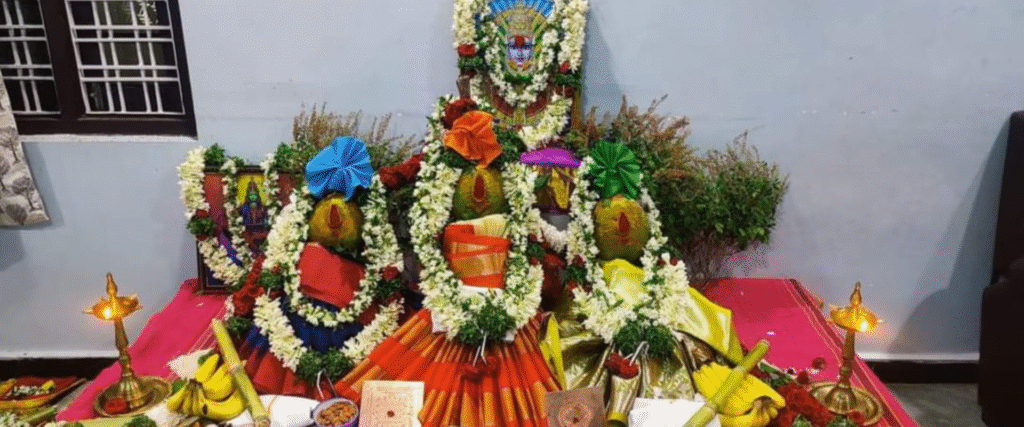
Grihapravesh, also known as Griha Pravesh or Grihapravesham, is a Hindu housewarming ceremony performed when a family enters a new home. The ceremony may involve prayers to Lord Ganesha, Vastu-related rituals, offerings, and other traditional practices intended to invoke blessings for peace, prosperity, and well-being.

However, planning a Grihapravesh Pooja involves more than selecting an auspicious date. Homeowners must also consider the muhurat, find an experienced Hindu priest, arrange puja samagri, prepare the home, and coordinate the ceremony according to their family’s traditions.

If you are planning a Griha Pravesh ceremony in Delhi, this comprehensive guide explains the different types of Grihapravesh Pooja, how to choose an auspicious date, the essential preparations, the role of a priest, expected costs, and how to book puja services conveniently.
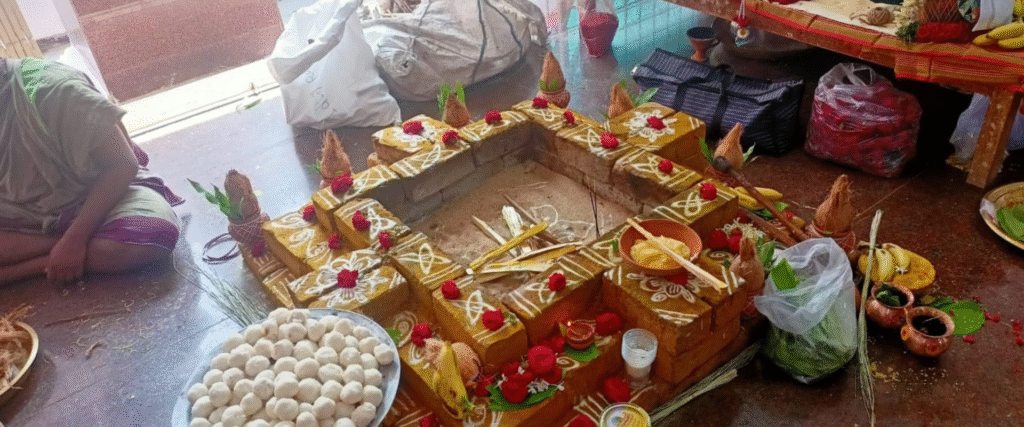
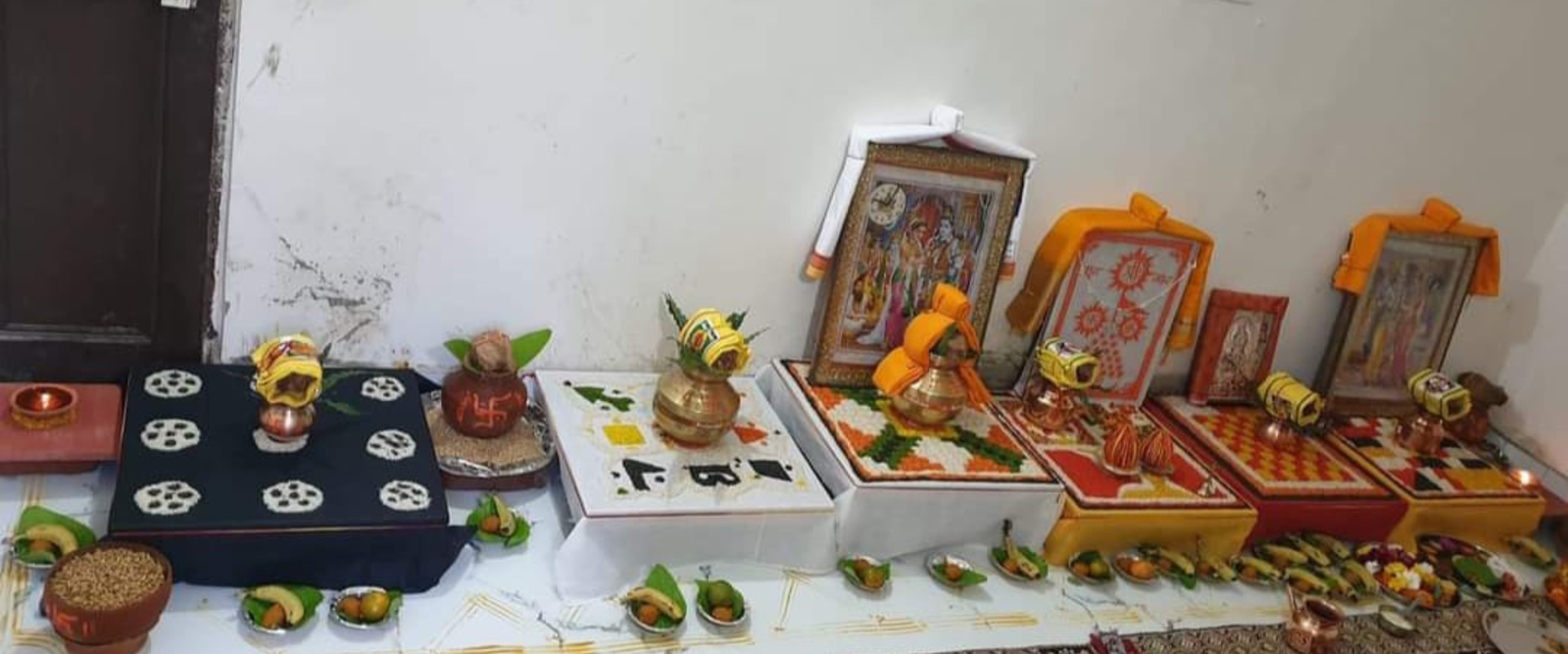
Grihapravesh Pooja in Delhi

What Is Grihapravesh Pooja?

Grihapravesh Pooja is a traditional Hindu ceremony performed when entering a new home. The word Griha means home or house, while Pravesh means entering.

The ceremony is traditionally performed to seek divine blessings for the household and mark the beginning of life in a new residence.

Depending on regional customs and family traditions, a Grihapravesh Pooja may include:

  • Ganesh Pooja to seek blessings before beginning a new chapter.

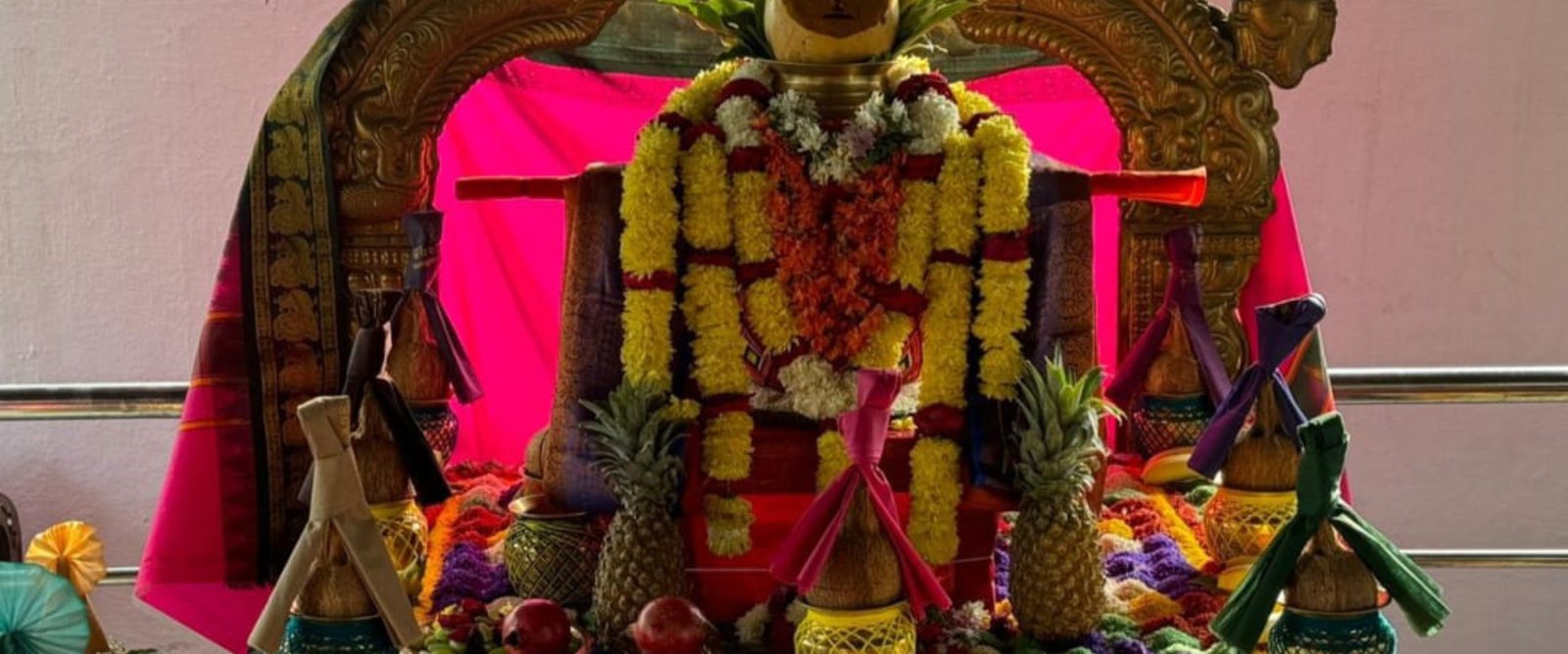
  • Kalash Sthapana as part of the prescribed ritual.

  • Vastu Pooja or Vastu Shanti rituals.

  • Navagraha prayers, when required.

  • Havan or Homam, depending on the ceremony.

  • Traditional offerings, mantras, and prayers.

  • Blessings for the family and the new home.

The exact procedure can vary depending on the priest, the family’s sampradaya, and the type of Grihapravesh ceremony being performed.

For homeowners in Delhi, consulting an experienced priest before the ceremony helps clarify the appropriate rituals, required materials, and preparation.

Why Is Grihapravesh Pooja Important for New Homeowners?

A new home represents security, stability, family growth, and new opportunities. For many Hindu families, Grihapravesh Pooja gives this milestone a spiritual and cultural significance.

1. Welcoming a New Beginning

The ceremony marks the transition from owning or constructing a property to beginning life in the home. Families gather to offer prayers and celebrate the occasion together.

2. Seeking Blessings for Peace and Prosperity

Many families perform Grihapravesh Pooja to seek blessings for harmony, happiness, prosperity, and well-being in their new residence.

3. Following Family Traditions

The ceremony allows families to preserve customs passed down through generations. These traditions may include specific mantras, offerings, and rituals followed by their community.

4. Bringing Family and Friends Together

Grihapravesh Pooja is also an opportunity to celebrate with relatives, friends, and neighbours. Some families arrange a meal or small gathering after completing the religious ceremony.

Types of Grihapravesh Pooja

Hindu traditions describe different forms of Grihapravesh based on the circumstances surrounding the home and the family’s religious practices.

1. Apoorva Grihapravesh

Apoorva Grihapravesh is generally associated with entering a newly constructed house or a new residence for the first time.

Homeowners may choose this ceremony when moving into a newly built independent house, villa, or apartment.

2. Sapoorva Grihapravesh

Sapoorva Grihapravesh is associated with entering a previously occupied home, such as a purchased property that has had earlier residents.

The specific rituals depend on the family’s traditions and the priest’s guidance.

3. Dwandwah Grihapravesh

Dwandwah Grihapravesh is traditionally associated with returning to a home after an extended absence or after circumstances that required the family to leave the residence.

The applicability and procedure of this ceremony may vary according to regional traditions. Consult a knowledgeable priest to determine which ceremony is appropriate for your circumstances.

For most new homeowners in Delhi, the priest can help identify the relevant form of Grihapravesh Pooja based on the property’s history and the family’s customs.

How to Choose an Auspicious Date for Grihapravesh Pooja in Delhi

Choosing a suitable date and time, commonly called the muhurat, is one of the most important steps in planning the ceremony.

Many Hindu families consult a priest or Panchang to identify an auspicious time based on traditional astrological considerations.

What Factors Are Considered When Selecting a Muhurat?

Depending on the family’s tradition, a priest may consider:

  • The Hindu lunar calendar and tithi.

  • The nakshatra.

  • The weekday.

  • The preferred timing for the ceremony.

  • Relevant astrological considerations.

  • Family customs and specific ritual requirements.

Some families also consult their horoscope or seek guidance from a family priest.

When Should You Book the Muhurat?

It is advisable to discuss the date with your priest well before the planned move-in.

This is especially helpful when moving into a newly constructed apartment or villa in Delhi NCR, where possession dates, interior work, and relocation schedules may affect the ceremony.

Important: There is no single auspicious date that is suitable for every family or every year. Ask your chosen priest to confirm the appropriate muhurat for your specific ceremony. Avoid relying on a generic online date without checking whether it suits your requirements.

Step-by-Step Guide to Performing Grihapravesh Pooja

Although the exact procedure differs between traditions, a typical Grihapravesh ceremony may include the following stages.

Step 1: Clean and Prepare the Home

Before the ceremony, clean the home and prepare the designated prayer area.

Complete any essential construction, electrical, plumbing, and interior work that could interfere with the rituals. If the property is in an apartment complex, check any building rules relating to fire, smoke, and common areas.

Step 2: Prepare the Puja Area

Set aside a suitable location for the priest to conduct the ceremony.

Depending on the ritual, you may need a clean platform, puja vessels, flowers, fruits, lamps, and other traditional items.

Step 3: Perform Ganesh Pooja

Many ceremonies begin with prayers to Lord Ganesha, who is traditionally worshipped before important undertakings.

The priest performs the prescribed rituals and guides family members through the required offerings.

Step 4: Conduct Kalash Sthapana

Kalash Sthapana may form part of the ceremony. A kalash is a ritual vessel prepared according to the priest’s instructions.

The materials and procedure can differ according to the tradition being followed.

Step 5: Perform Vastu Pooja or Vastu Shanti

Some families include Vastu-related prayers as part of their Grihapravesh ceremony.

The priest can explain whether Vastu Pooja or a more elaborate Vastu Shanti ritual is appropriate for the occasion.

Step 6: Perform Havan or Homam, If Required

Some Grihapravesh ceremonies include a sacred fire ritual.

If you plan to conduct a havan in a Delhi apartment, confirm whether it is permitted at the property and whether suitable ventilation and fire-safety arrangements are available. The priest should also be informed about any restrictions imposed by the apartment association.

Step 7: Complete the Final Prayers

The ceremony concludes with the prescribed offerings, prayers, and blessings.

Families may then begin using the home according to their traditions and celebrate the occasion with relatives and friends.

Remember that not every Grihapravesh Pooja follows the same sequence. Confirm the complete procedure with your priest in advance.

Puja Samagri Required for Grihapravesh Pooja

Preparing the required puja samagri beforehand can help prevent last-minute difficulties.

The exact list depends on the ceremony and the priest’s instructions, but commonly requested items may include:

Category

Examples

Flowers and leaves

Fresh flowers, mango leaves, garlands

Grains and offerings

Rice, fruits, coconuts

Traditional powders

Turmeric, kumkum, sandalwood

Puja vessels

Kalash, plates, bowls, spoons

Lighting materials

Oil or ghee, cotton wicks, lamps

Havan materials

Havan samagri, ghee, wood or approved fuel

Other essentials

Incense, camphor, betel leaves, betel nuts

Some ceremonies may require additional materials, specific offerings, or items prepared according to regional customs.

Before purchasing anything, ask your priest for a complete list. If you prefer a convenient arrangement, enquire whether the booking service provides a Grihapravesh Pooja package with puja samagri.

How to Find and Book a Priest for Grihapravesh Pooja in Delhi

Finding a suitable priest is one of the most important parts of the planning process.

1. Ask for Recommendations

Start by contacting relatives, friends, neighbours, or members of your community who have recently performed a housewarming ceremony.

Personal recommendations can help you identify priests who are familiar with the rituals you require.

2. Search for Online Puja Services

Online search platforms can help you discover providers offering Grihapravesh Pooja services in Delhi.

You can use search phrases such as:

  • Grihapravesh Pooja in Delhi

  • Griha Pravesh priest in Delhi

  • Pandit for housewarming ceremony in Delhi

  • Online pandit booking in Delhi

  • Vastu Shanti Pooja in Delhi

  • Puja services in Delhi

  • Hindu priest for new home puja

Compare the information provided and confirm that the service covers your specific location.

3. Confirm the Priest’s Experience

Ask whether the priest regularly conducts Grihapravesh ceremonies and whether they can perform the rituals according to your family tradition.

If you prefer a particular language, such as Hindi, Sanskrit, Tamil, or Telugu, confirm this before making a booking.

4. Discuss the Complete Ceremony

Explain whether you need only the basic Grihapravesh Pooja or additional rituals such as Vastu Shanti, Ganesh Pooja, Navagraha Pooja, or Havan.

This allows the priest to estimate the required time and materials more accurately.

5. Confirm the Booking and Payment

Before confirming, obtain details of the date, muhurat, location, fees, samagri, travel expenses, and cancellation policy.

Request written confirmation so both parties have a clear understanding of the arrangements.

Conclusion

Moving into a new home is an important milestone, and Grihapravesh Pooja allows many Hindu families to celebrate it according to their religious beliefs and traditions.

From choosing an appropriate muhurat to arranging puja samagri and booking a knowledgeable priest, every stage of preparation contributes to a well-organized ceremony.

If you are planning a Grihapravesh Pooja in Delhi, begin by identifying the rituals you need, discussing the date with your priest, and preparing a clear checklist of the required materials. Confirm the fees and service inclusions before booking, and make sure the ceremony suits your family’s customs and the practical requirements of your new home.

Online puja booking services can make these arrangements more convenient by helping you enquire about priests and coordinate the ceremony’s requirements.

Ready to begin your new chapter? Explore Grihapravesh Pooja services in Delhi, discuss your ceremony requirements with an experienced priest, and arrange your booking in advance for a smooth and meaningful housewarming ceremony.

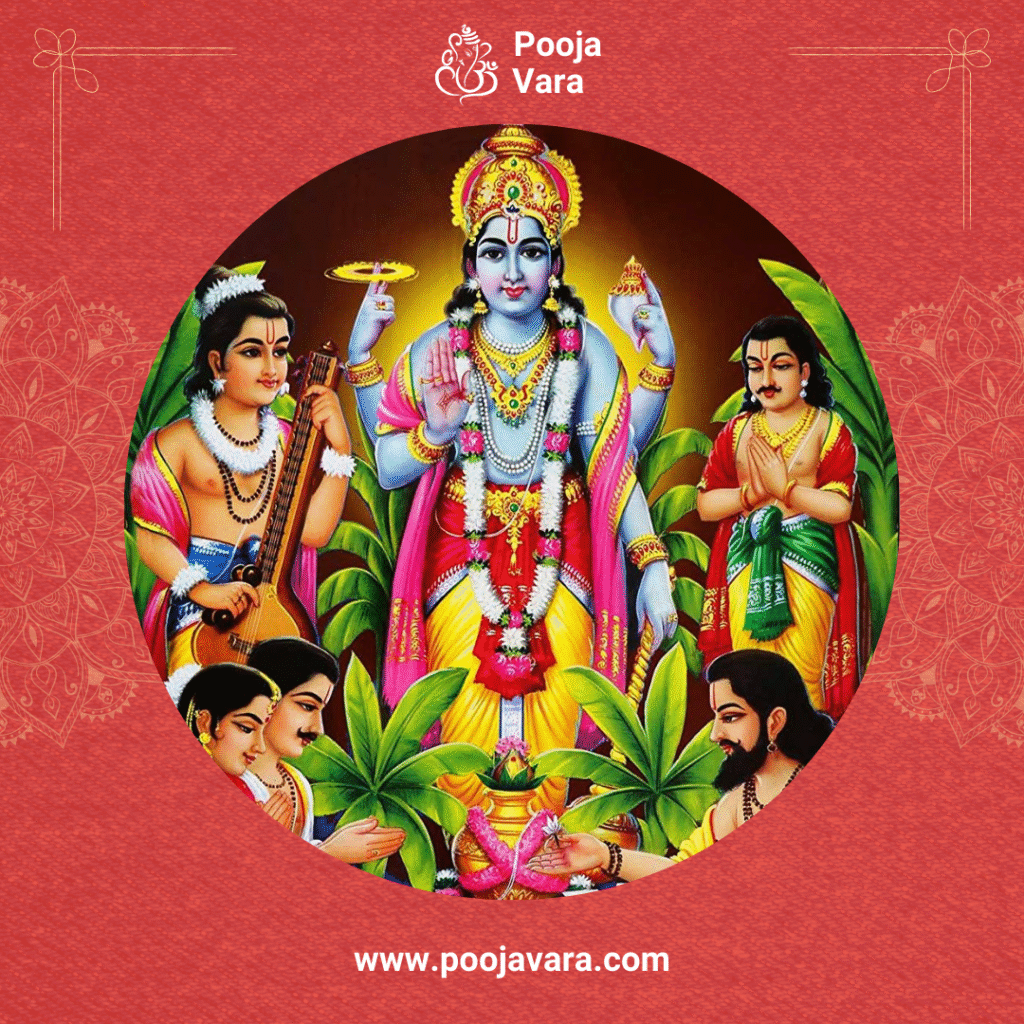
Satyanarayan Puja in Delhi: Complete Guide to Rituals and Booking

Satyanarayan Puja in Delhi: Complete Guide to Rituals and Booking

Satyanarayan Puja is one of the most widely performed Hindu religious ceremonies, observed by families seeking blessings for peace, prosperity, happiness, and well-being. Whether you are celebrating a new beginning, moving into a new home, marking a family milestone, or expressing gratitude, performing Satyanarayan Puja in Delhi can be a meaningful way to connect with your faith and traditions.

Delhi is home to families from diverse cultural and regional backgrounds who celebrate Hindu festivals, auspicious occasions, and important life events. Finding the right pandit, arranging puja samagri, selecting an auspicious time, and understanding the rituals are essential steps when planning this ceremony.

Today, families can simplify these arrangements by using online puja booking services to find a suitable priest and discuss their requirements in advance.

In this complete guide, we explain the significance of Satyanarayan Puja, the rituals involved, the samagri required, suitable occasions for performing the puja, the booking process, and the factors that influence the cost of arranging a Satyanarayan Puja in Delhi.

Satyanarayan Puja in Delhi

What Is Satyanarayan Puja?

Satyanarayan Puja is a Hindu religious ceremony dedicated to Lord Satyanarayan, a benevolent form of Lord Vishnu associated with truth, righteousness, and devotion.

The puja typically includes prayers, offerings, the recitation or listening of the Satyanarayan Katha, and the distribution of prasad among family members and guests.

Many devotees perform this puja to express gratitude, seek divine blessings, and pray for harmony and prosperity in their lives.

The ceremony can be organized at home, in an apartment, at a temple, or at another suitable venue, depending on the family’s preferences and the priest’s guidance.

Families in Delhi may arrange Satyanarayan Puja for various occasions, including:

  • Housewarming ceremonies and Griha Pravesh.

  • Marriage anniversaries and family celebrations.

  • Birthdays and other personal milestones.

  • New business beginnings.

  • Festivals and auspicious days.

  • Expressions of gratitude after achieving an important goal.

  • General prayers for peace, happiness, and well-being.

The exact procedure may vary according to regional traditions, family customs, and the priest conducting the ceremony.

Significance of Satyanarayan Puja in Hindu Tradition

Lord Satyanarayan is worshipped as a form of Lord Vishnu. The word Satyanarayan is commonly understood in relation to truth and the divine.

The ceremony emphasizes devotion, gratitude, truthfulness, and the importance of fulfilling one’s commitments.

Spiritual Significance

Devotees perform Satyanarayan Puja as an expression of faith and devotion. The prayers, mantras, and Katha provide an opportunity for family members to come together and reflect on religious teachings.

Family Unity

The puja often brings relatives and friends together for a shared spiritual experience. Listening to the Katha and participating in the rituals can help preserve family traditions across generations.

Gratitude and New Beginnings

Some families perform the puja after purchasing a property, starting a business, completing an important milestone, or experiencing a significant life event.

Traditional Prayers for Prosperity

Devotees seek blessings for peace, happiness, and prosperity. These are religious aspirations rather than guaranteed outcomes, and the ceremony’s meaning is rooted in faith and devotion.

When Should You Perform Satyanarayan Puja in Delhi?

Satyanarayan Puja can be performed on various auspicious occasions. The appropriate date and time may depend on family tradition, the purpose of the ceremony, and guidance from a knowledgeable priest.

1. Purnima (Full Moon Day)

Purnima is a popular occasion for performing Satyanarayan Puja. Many Hindu families observe the ceremony on the full moon day of the lunar month.

2. During Griha Pravesh

Families may arrange Satyanarayan Puja when moving into a new house. It can be performed as part of the housewarming celebrations, alongside other rituals if required.

If you are planning a housewarming, you can also explore Griha Pravesh Puja in Delhi to understand the associated ceremonies.

3. During Festivals and Auspicious Occasions

Some families perform the puja during festivals, religious observances, anniversaries, and other important occasions.

4. After an Important Milestone

The ceremony may also be organized as an expression of gratitude after a personal or professional achievement.

How do you select the right muhurat?

Consult a priest and share your preferred date, location, and reason for performing the puja. If you require a specific muhurat, confirm it before finalizing your booking.

Avoid assuming that every Purnima or festival date automatically suits every family or ceremony.

Satyanarayan Puja Rituals: Step-by-Step Guide

Understanding the basic procedure can help you prepare for the ceremony and coordinate arrangements with your priest.

The following steps describe a common traditional format. The exact sequence may differ depending on the family’s customs and the priest’s prescribed procedure.

Step 1: Preparing the Puja Area

Begin by cleaning the designated area in your home or venue.

Arrange a clean puja platform, an appropriate image or idol of Lord Satyanarayan, seating for the priest and participants, and the necessary ritual materials.

Flowers, lamps, and other traditional decorations may be used according to your preferences and the priest’s instructions.

Step 2: Sankalpam

Sankalpam is the formal declaration of the devotee’s intention to perform the puja.

The priest guides the participants through the customary prayers and declarations associated with the ceremony.

The sankalpam may include details relating to the devotee, the occasion, and the purpose of the ritual.

Step 3: Preliminary Prayers

Depending on the tradition, the ceremony may begin with prayers to Lord Ganesha and other deities.

These preliminary rituals help prepare for the main worship.

Step 4: Kalash Sthapana

A kalash, or sacred vessel, may be prepared and installed as part of the ceremony.

The priest follows the relevant ritual procedure and recites the prescribed mantras.

The specific materials and method of kalash preparation can vary between traditions.

Step 5: Worship of Lord Satyanarayan

The main worship is dedicated to Lord Satyanarayan, a form of Lord Vishnu.

The priest guides the family through prayers, mantra recitation, and traditional offerings. Flowers, fruits, sandalwood paste, incense, and other items may be offered as prescribed.

Participants can follow the priest’s instructions throughout the ceremony.

Step 6: Satyanarayan Katha

The Satyanarayan Katha is an important part of the puja.

The traditional narrative is commonly presented in five main sections or chapters, with details depending on the version being followed.

The stories emphasize devotion, truthfulness, faith, gratitude, and the importance of respecting religious commitments.

Family members are encouraged to listen attentively and participate according to their tradition.

Step 7: Preparation and Offering of Prasad

Prasad is prepared and offered to the deity as part of the ceremony.

A common preparation associated with Satyanarayan Puja is panchamrit or a sweet offering made with ingredients such as semolina, sugar, ghee, milk, and banana, depending on regional custom.

The exact recipe varies, so ask the priest which preparation is required.

Step 8: Aarti and Prasad Distribution

The ceremony generally concludes with aarti and prayers.

The prasad is then distributed among family members, relatives, and guests.

Some families also arrange a meal or refreshments after the puja.

Satyanarayan Puja Samagri List

Preparing the required materials in advance helps prevent last-minute delays.

The following is a general checklist. The final list should be confirmed with your priest because requirements vary.

Category

Common items

Puja setup

Puja platform, clean cloth, image or idol of Lord Satyanarayan

Basic materials

Kumkum, turmeric, sandalwood paste, rice or akshata

Worship items

Flowers, garland, incense, camphor, oil or ghee lamp

Kalash materials

Kalash, water, mango leaves where customary, coconut

Offerings

Fruits, bananas, betel leaves, betel nuts

Prasad ingredients

Ingredients prescribed for the traditional sweet offering

Additional items

Ghee, cotton wicks, plates, spoons, and other materials requested by the priest

If you are booking through an online puja service, ask whether the package includes complete puja samagri or whether you must purchase the items separately.

This is particularly useful for families arranging the ceremony in apartments or unfamiliar locations in Delhi.

How to Book a Pandit for Satyanarayan Puja in Delhi

Finding a suitable priest is one of the most important parts of organizing the ceremony.

You can search for a Satyanarayan Puja pandit in Delhi through personal recommendations, local temples, or online puja booking platforms.

Follow these steps to arrange your booking.

Step 1: Choose a Reliable Booking Option

Ask relatives and friends for recommendations, contact a nearby temple, or enquire through an online platform that offers Hindu puja services.

Review the available information and clarify any questions before making a commitment.

Step 2: Share Your Puja Requirements

Provide the essential details:

  • Type of ceremony: Satyanarayan Puja.

  • Preferred date and time.

  • Full venue address or locality in Delhi.

  • Preferred language.

  • Family tradition or specific ritual requirements.

  • Whether you need samagri.

  • Approximate number of participants.

This information helps the provider assess availability and suggest an appropriate arrangement.

Step 3: Confirm the Priest’s Experience

Ask whether the priest regularly performs Satyanarayan Puja and is familiar with your preferred ritual procedure.

If your family follows a specific regional tradition, explain this before booking.

Step 4: Clarify the Total Price

Confirm the priest’s dakshina, travel expenses, samagri costs, and any additional charges.

Ask whether the quoted price covers the complete ceremony or only the priest’s services.

Step 5: Confirm the Booking

Once you agree on the details, request written confirmation.

Keep a record of the ceremony date, time, location, fees, service inclusions, and contact details. Reconfirm the arrangements before the scheduled day.

Satyanarayan Puja in Delhi: Expected Cost

The cost of Satyanarayan Puja in Delhi depends on the service provider, ritual requirements, venue, and materials included.

There is no single fixed price that applies to every ceremony.

Factors that can influence the total cost include:

  • Priest’s dakshina and experience.

  • Duration of the puja.

  • Travel distance within Delhi NCR.

  • Whether puja samagri is included.

  • Additional rituals requested by the family.

  • Number of priests required.

  • Special arrangements or additional services.

For an accurate estimate, request an itemized quotation from the provider.

When comparing options, check whether each quotation includes the same services. A package that includes the priest, samagri, and travel may offer a different overall value from one that covers only the priest’s fee.

Benefits of Booking Satyanarayan Puja Online

Online booking can make it easier to organize a religious ceremony, particularly for families with limited time.

Convenient Enquiries

You can enquire about availability and service inclusions without visiting multiple locations.

Easier Scheduling

You can share your preferred date, location, and ceremony details in one enquiry.

Samagri Arrangements

Some providers offer puja packages that include the required ritual materials, reducing the need to purchase everything separately.

Support for Different Traditions

Depending on availability, a provider may help you find a priest who speaks your preferred language or follows your family’s regional customs.

Better Advance Planning

Confirming the arrangements ahead of time gives you more opportunity to prepare the venue, inform guests, and organize prasad.

Remember to verify the provider’s services and booking terms before making payment.

Conclusion

Satyanarayan Puja is a meaningful Hindu ceremony through which families express devotion, gratitude, and prayers for peace and prosperity. Understanding the rituals, preparing the necessary samagri, selecting an appropriate time, and choosing a suitable priest can help you organize the ceremony with confidence.

Whether you are arranging the puja for a housewarming, a family celebration, an important milestone, or a personal religious observance, planning ahead can make the process simpler.

When booking a Satyanarayan Puja in Delhi, discuss your family’s traditions, preferred language, ceremony date, venue, samagri requirements, and budget with the priest or service provider. Confirm all arrangements before the day of the ceremony.

Planning Satyanarayan Puja in Delhi? Explore available puja services, enquire about an experienced pandit, and arrange the ceremony according to your family’s requirements.

Make your preparations easier with clear communication, thoughtful planning, and a priest who understands the rituals you wish to perform.

How to Find a Pandit Near Me for Pooja at Home in Delhi

How to Find a Pandit Near Me for Pooja at Home in Delhi

Finding a reliable Pandit near me for pooja at home in Delhi is an important step when planning a Hindu religious ceremony. Whether you are organizing a Griha Pravesh Puja, Satyanarayan Puja, Ganesh Puja, Vastu Shanti, Navagraha Puja, or a special family ritual, choosing the right pandit helps you prepare for the ceremony with confidence and peace of mind.

Delhi is home to families from different parts of India, each with unique religious customs, languages, and traditions. Some families prefer a Hindi-speaking pandit, while others may require a priest familiar with Tamil, Telugu, Kannada, Malayalam, or other regional traditions. Finding someone who understands your family’s specific requirements can make the entire experience more comfortable.

Traditionally, families relied on relatives, neighbours, or local temples to find a priest. Today, online pandit booking services make it easier to discover suitable priests, enquire about availability, and arrange pooja services at home.

In this guide, we explain how to find a pandit near you in Delhi, what to check before booking, which home poojas you can arrange, how pricing works, and how to prepare for a smooth religious ceremony.

Pandit Near Me

Why Hire a Pandit for Pooja at Home in Delhi?

Performing a Hindu puja at home is a meaningful way for families to observe religious traditions, celebrate important milestones, and seek blessings for their households.

A knowledgeable pandit can guide the ceremony according to the selected ritual and your family’s traditions. Depending on the type of puja, the priest may help with the required mantras, offerings, ritual sequence, and preparation.

Here are some reasons to book a pandit for pooja at home:

  • Traditional rituals: A suitable priest can perform the ceremony according to the relevant religious practices.

  • Guidance and preparation: The pandit can explain which materials are needed and how to prepare the puja area.

  • Convenience: You can conduct the ceremony in your home without arranging travel to a temple.

  • Family participation: Family members can participate in the rituals in a familiar environment.

  • Language preferences: You can look for a priest who understands your preferred language and regional customs.

  • Advance planning: Booking ahead helps you coordinate the date, timing, materials, and other arrangements.

The right priest depends on the ceremony you are planning, so it is useful to communicate your requirements before confirming a booking.

How to Find a Pandit Near Me for Pooja at Home in Delhi

If you are searching for a pandit near me in Delhi, several options are available. Compare the choices based on experience, availability, location, language, and the specific rituals you need.

1. Search Online for Local Pandit Services

Online search is one of the easiest ways to discover priests who offer home puja services.

Try searching for relevant phrases such as:

  • Pandit near me for pooja at home in Delhi

  • Pandit for home puja in Delhi

  • Hindu priest in Delhi

  • Online pandit booking in Delhi

  • Puja services in Delhi

  • Griha Pravesh pandit in Delhi

  • Satyanarayan Puja pandit in Delhi

  • Hindi-speaking pandit near me

  • Homam services in Delhi

Use Google Search or Google Maps to identify providers that serve your locality. Check their available services, contact details, reviews, and booking procedures.

Remember that a website or listing appearing in search results does not automatically guarantee quality. Contact the provider to verify the details before making a payment.

2. Ask Family, Friends, and Neighbours

Personal recommendations can help you find a priest who has already performed ceremonies for people you know.

Ask relatives, friends, or neighbours about their experiences. Find out whether the priest was punctual, explained the ritual clearly, followed the requested tradition, and communicated the costs in advance.

However, always confirm that the recommended priest performs the particular puja you need. A priest experienced in simple household rituals may not necessarily offer every type of homam or elaborate ceremony.

3. Contact Nearby Temples

Local temples can be another source of recommendations.

You can contact a temple in your neighbourhood and ask whether its priests perform ceremonies at private residences or can recommend someone who does.

Confirm the priest’s availability, travel arrangements, preferred language, and service fees before finalizing the booking.

4. Use an Online Pandit Booking Platform

Online puja booking platforms can help you enquire about priests for different ceremonies from one place.

Depending on the provider, you may be able to specify:

  • Type of puja

  • Preferred date and time

  • Home address or locality

  • Language preference

  • Regional tradition

  • Puja samagri requirements

  • Budget and additional services

Some platforms may also offer complete puja packages that include the priest and ritual materials. Check exactly what is included because services differ between providers.

Popular Poojas You Can Perform at Home in Delhi

Families arrange home pujas for religious observances, new beginnings, family celebrations, and important life events. The following are some common ceremonies for which you may want to find a pandit near you.

1. Griha Pravesh Puja

A Griha Pravesh Puja in Delhi is performed when entering a new home. Families may arrange the ceremony in a newly purchased apartment, independent house, or villa.

Depending on the family’s tradition, the ritual may involve prayers for peace, prosperity, and well-being.

Before booking, confirm the muhurat, ceremony procedure, priest’s availability, and whether puja samagri is included.

2. Satyanarayan Puja

Satyanarayan Puja is performed by many Hindu families on auspicious occasions, during family celebrations, and as part of personal religious observances.

When booking a Satyanarayan Puja pandit in Delhi, ask whether the service includes the complete puja, katha, and guidance on the required offerings.

Also confirm whether your family needs to arrange the materials separately.

3. Ganesh Puja

Ganesh Puja is commonly performed before important events and new beginnings. Families may organize it at home before starting a new venture, celebrating an occasion, or conducting another religious ceremony.

Explain the purpose of the puja when booking so the priest can confirm the appropriate arrangements.

4. Vastu Shanti Puja

A Vastu Shanti Puja at home in Delhi may be arranged when moving into a new property or when a family wishes to perform traditional Vastu-related rituals.

Discuss your specific requirements with the priest because the procedure and materials can vary depending on the tradition followed.

5. Lakshmi Puja

Lakshmi Puja is associated with prayers to Goddess Lakshmi and is performed by families on festivals and other auspicious occasions.

If you need a pandit for Lakshmi Puja, confirm the preferred timing, ritual procedure, and required offerings before booking.

6. Navagraha Puja

Navagraha Puja involves prayers to the nine planetary deities according to Hindu religious traditions.

If you require a specific Navagraha ritual or homam, explain your requirements clearly. Confirm that the priest performs the particular ceremony you have in mind.

7. Rudrabhishek and Homam

Rudrabhishek is a Shiva-related ritual, while homam involves offerings into a sacred fire as part of a prescribed ceremony.

These rituals may require additional preparation, specific materials, and sufficient space. Discuss the arrangements with the priest before confirming the booking.

8. Naming Ceremonies and Other Family Pujas

Families may also book a pandit for Namakaran, Annaprasana, birthday pujas, anniversaries, and other religious occasions.

Share the ceremony details and expected number of participants so the priest can advise you on the preparations.

Conclusion

Finding a pandit near me for pooja at home in Delhi becomes easier when you know your requirements and understand what to check before booking.

Start by identifying the puja you want to perform, your preferred date and muhurat, your location, and any language or family tradition preferences. Then compare suitable priests, confirm their experience, discuss the required materials, and request a clear quotation.

Whether you are planning a Griha Pravesh Puja, Satyanarayan Puja, Ganesh Puja, Vastu Shanti, Navagraha Puja, or a special family ceremony, early planning can help make the experience more organized and meaningful.

Online pandit booking services provide a convenient way to enquire about priests and coordinate arrangements from home. Take time to verify the provider’s details and confirm all the requirements before finalizing your booking.

Planning a pooja at home in Delhi? Start by exploring suitable pandit booking options, sharing your ceremony requirements, and confirming your preferred date. Choose a priest who understands your traditions and helps you prepare for your ceremony with confidence and peace of mind.

Best Pandit in Delhi: How to Choose the Right Priest for Your Pooja

Best Pandit in Delhi: How to Choose the Right Priest for Your Pooja

Finding the best pandit in Delhi for your pooja is an important step in ensuring that your religious ceremony is conducted according to your family’s traditions and spiritual requirements. Whether you are planning a Griha Pravesh Puja, Satyanarayan Puja, wedding ceremony, Vastu Shanti, Ganesh Puja, or a special homam, choosing the right priest can make the entire experience more meaningful and organized.

Delhi is home to families from different parts of India, each with unique customs, languages, and religious practices. Some families prefer a Hindi-speaking pandit, while others may require a priest familiar with Tamil, Telugu, Kannada, or other regional traditions. Similarly, certain ceremonies require specific ritual knowledge, preparation, and materials.

With online priest booking services becoming increasingly accessible, finding a suitable pandit is easier than ever. However, not every priest offers the same services, follows the same traditions, or specializes in every type of pooja.

In this guide, we will explain how to choose the best pandit in Delhi, what factors to consider before booking, which questions to ask, how much a priest may charge, and how online pandit booking can simplify your arrangements.

Best Pandit in Delhi

Why Is Choosing the Right Pandit Important?

A pandit, also known as a Hindu priest or pujari, performs religious rituals, recites mantras, and guides devotees through traditional ceremonies. Depending on the occasion, the priest may also help select an appropriate muhurat, explain the puja procedure, and provide a list of required materials.

Choosing a suitable pandit is important for several reasons.

  • Knowledge of rituals: The priest should understand the procedures associated with your specific pooja.

  • Tradition and customs: Different families may follow different regional and religious traditions.

  • Language preferences: A priest who communicates in your preferred language can help family members understand the ceremony.

  • Proper preparation: Knowing the required samagri and arrangements helps prevent last-minute confusion.

  • Clear communication: Discussing the procedure, duration, and fees beforehand makes planning easier.

  • Convenience: An experienced priest can help coordinate the ceremony according to the agreed schedule.

For example, a priest performing a Satyanarayan Puja may need a different set of skills and preparation from someone conducting an elaborate wedding ceremony or homam.

Therefore, instead of choosing a pandit based only on availability or price, consider the complete requirements of your pooja.

How to Find the Best Pandit in Delhi

There are several ways to find a suitable Hindu priest in Delhi. Your choice will depend on your ceremony, location, budget, and preferred tradition.

1. Ask for Recommendations From Family and Friends

Personal recommendations are one of the most traditional ways to find a pandit.

Ask relatives, friends, neighbours, or members of your community whether they know a priest who regularly performs the ceremony you are planning.

Recommendations can provide useful information about a priest’s punctuality, communication, experience, and approach to religious ceremonies.

However, confirm whether the recommended priest is familiar with your specific pooja. A priest suitable for a simple household ceremony may not necessarily specialize in a complex homam or wedding ritual.

2. Contact Local Temples in Delhi

Local temples can be another source of information when searching for the best pandit in Delhi.

You can contact a nearby temple and enquire whether its priests perform ceremonies at private residences, offices, or other venues.

Before proceeding, ask about availability, travel arrangements, ceremony requirements, and the priest’s experience with your particular ritual.

3. Search Online for Pandit Services

Online searches allow you to discover priest booking services without visiting multiple locations.

Consider searching for phrases such as:

  • Best pandit in Delhi

  • Hindu priest in Delhi

  • Pandit for pooja in Delhi

  • Pujari in Delhi

  • Online pandit booking in Delhi

  • Experienced pandit for Griha Pravesh in Delhi

  • Satyanarayan Puja pandit in Delhi

  • Vastu Shanti pandit in Delhi

  • Wedding pandit in Delhi

  • Homam services in Delhi

Review the provider’s website to understand which ceremonies are available and how bookings are handled.

If customer reviews are available, look for detailed feedback about the specific service rather than relying only on overall ratings.

4. Use an Online Puja Booking Platform

Online puja booking platforms can simplify the process by helping you enquire about priests for different ceremonies.

Depending on the provider, you may be able to specify your preferred date, location, language, ceremony type, and additional requirements.

Before booking, confirm the priest’s suitability, the final price, the services included, and the cancellation policy.

8 Important Factors to Consider When Choosing the Best Pandit in Delhi

Finding a priest is only the first step. The next step is making sure that the person you select is appropriate for your religious ceremony.

1. Experience With Your Specific Pooja

One of the most important considerations is the priest’s familiarity with the ceremony you want to perform.

For example, you may need a pandit for:

  • Griha Pravesh Puja

  • Satyanarayan Puja

  • Ganesh Puja

  • Lakshmi Puja

  • Vastu Shanti Puja

  • Navagraha Puja

  • Rudrabhishek

  • Durga Puja

  • Wedding rituals

  • Naming ceremonies

  • New business opening puja

  • Homam or Havan

Ask whether the priest regularly conducts your particular ritual and whether any special preparation is required.

For elaborate ceremonies, discuss the expected procedure and duration in advance.

2. Knowledge of Your Family’s Traditions

Hindu rituals can vary according to regional customs, family traditions, and religious practices.

For example, a family may prefer a particular sampradaya or follow customs associated with its regional background.

When searching for the best pandit in Delhi, explain your expectations clearly. Ask whether the priest can conduct the pooja according to your preferred tradition.

This is particularly important for weddings, Griha Pravesh ceremonies, and rituals that involve several stages.

3. Language and Communication

Language can influence how comfortably your family participates in the ceremony.

Depending on availability, you may prefer a Hindi-speaking priest or someone who can conduct the rituals in Sanskrit, Tamil, Telugu, Kannada, Malayalam, or another language.

Before booking, confirm the languages in which the priest can explain the procedure and communicate instructions.

4. Availability on Your Preferred Date

A knowledgeable priest may already have commitments, especially during festivals, wedding seasons, and auspicious dates.

Contact the service provider early and confirm the date, start time, venue, and expected duration.

If you have a muhurat, communicate it clearly and ask the priest to confirm whether they can arrive in time.

5. Transparency in Pricing

The cost of a priest can vary considerably depending on the ritual and service requirements.

Ask for a detailed quotation covering the priest’s dakshina, travel, puja samagri, additional priests, and any extra arrangements.

Transparent pricing helps you compare services fairly and avoid unexpected expenses.

6. Availability of Puja Samagri

Some priests expect families to arrange all the materials, while certain online services offer packages that include the required puja samagri.

Depending on the ritual, materials may include flowers, fruits, coconuts, rice, turmeric, kumkum, ghee, incense, lamps, and other offerings.

Ask for a complete checklist if you are responsible for purchasing the items.

7. Reviews and Reputation

If you find a priest through an online platform, examine the available customer reviews.

Look for feedback relating to:

  • Punctuality

  • Communication

  • Knowledge of the requested ritual

  • Clarity about pricing

  • Preparation and organization

  • Overall customer experience

Treat reviews as one source of information rather than a guarantee of quality. When possible, verify important details directly with the provider.

8. Clear Booking and Cancellation Terms

Before confirming your booking, understand the provider’s payment process and cancellation policy.

Ask what happens if the ceremony date changes or the assigned priest becomes unavailable.

Written confirmation of the agreed arrangements can help prevent misunderstandings.

Popular Poojas for Which You Can Book a Pandit in Delhi

Families often require priests for housewarming ceremonies, religious occasions, weddings, and important milestones.

Griha Pravesh Puja in Delhi

Griha Pravesh Puja is performed when entering a new home. Depending on the family’s tradition, the ceremony may include prayers for prosperity, peace, and well-being.

When booking a Griha Pravesh pandit in Delhi, confirm the muhurat, ritual procedure, materials, and whether additional ceremonies are required.

Satyanarayan Puja in Delhi

Satyanarayan Puja is commonly performed on auspicious occasions, family celebrations, and other important days.

Ask whether the priest will conduct the complete puja and katha and whether the quoted price includes the necessary materials.

Vastu Shanti Puja in Delhi

Vastu Shanti Puja may be performed when moving into a property or when families wish to conduct traditional Vastu-related rituals.

Discuss your requirements with the priest, as the exact procedure may vary according to family customs and the purpose of the ceremony.

Ganesh Puja and Lakshmi Puja

Ganesh Puja is often performed before new beginnings, while Lakshmi Puja is associated with prayers for prosperity and well-being.

These ceremonies are popular during festivals, business openings, and household religious occasions.

Navagraha Puja and Rudrabhishek

Navagraha Puja involves prayers to the nine planetary deities, while Rudrabhishek is a Shiva-related ritual.

If you require a specific procedure or homam, confirm that the priest is familiar with the requested ceremony.

Wedding and Family Ceremonies

A pandit may also be required for weddings, engagements, naming ceremonies, Annaprasana, and other family events.

For weddings, discuss the complete ceremony schedule, regional customs, venue requirements, and whether the priest can coordinate with other event arrangements.

Conclusion

Choosing the best pandit in Delhi requires more than checking availability or comparing prices. You should consider the priest’s experience, knowledge of your specific ritual, familiarity with your family traditions, communication skills, and the services included in the booking.

Whether you are organizing a Griha Pravesh Puja, Satyanarayan Puja, Vastu Shanti, wedding ceremony, Navagraha Puja, or business opening ritual, planning ahead can make the entire process easier.

Start by identifying your ceremony and preferred date, then shortlist suitable priests and clarify all arrangements before confirming your booking. Online pandit booking services can make it easier to enquire about available priests and coordinate the requirements of your ceremony.

Looking for a pandit for your upcoming pooja in Delhi? Explore suitable priest booking options, share your ceremony requirements, and confirm the date, services, and pricing in advance.

With the right preparation and a priest who understands your traditions, you can organize your religious ceremony with greater confidence and peace of mind.

Online Pandit Booking in Delhi: A Step-by-Step Guide

Online Pandit Booking in Delhi: A Step-by-Step Guide

Finding the right pandit for a Hindu puja or religious ceremony is an important part of preparing for an auspicious occasion. Whether you are planning a Griha Pravesh Puja, Satyanarayan Puja, wedding ceremony, Vastu Shanti, Navagraha Puja, or a homam, choosing an experienced priest who understands your family’s traditions can help make the ceremony smooth and meaningful.

Traditionally, families in Delhi relied on relatives, neighbours, and local temples to find a suitable pandit. However, with busy schedules and growing demand for convenient religious services, online pandit booking in Delhi has become an accessible option for families who want to arrange ceremonies without contacting multiple priests individually.

Online booking allows you to enquire about priests, discuss your preferred date and time, explain your ritual requirements, and understand the associated costs before confirming a service. Depending on the provider, you may also be able to arrange puja samagri, homam materials, and other ceremony-related services.

In this comprehensive guide, we explain how to book a pandit online in Delhi, which details to prepare, how to choose the right priest, what affects booking costs, and how to make your puja arrangements easier.

Online Pandit Booking in Delhi

What Is Online Pandit Booking in Delhi?

Online pandit booking is a convenient way to find and schedule a Hindu priest for religious ceremonies through a website, online service platform, or digital enquiry system.

Instead of relying exclusively on personal recommendations or visiting temples, you can submit your requirements online and enquire about available priests.

Depending on the service provider, online pandit booking in Delhi may include:

  • Priests for different Hindu pujas and ceremonies.

  • Assistance with scheduling and preferred muhurat.

  • Priests who speak different languages.

  • Rituals performed according to particular regional traditions.

  • Puja samagri arrangements.

  • Homam and Havan services.

  • Wedding and family ceremony arrangements.

  • Additional services such as decoration or event coordination.

The services available differ between providers, so confirm the exact inclusions before making a booking.

Why Choose Online Pandit Booking in Delhi?

Delhi is home to families who follow different Hindu traditions and celebrate a wide range of religious occasions. Finding a priest who matches your specific requirements can take time, particularly during festival seasons or on auspicious dates.

Online pandit booking offers several potential benefits.

1. Convenient Booking Process

You can enquire about a priest from home, work, or anywhere with internet access. This is particularly useful for people managing busy schedules or planning a ceremony at short notice.

2. Easier Ceremony Planning

You can communicate your ceremony type, location, preferred date, language, and other requirements before confirming the booking.

This helps both you and the service provider understand what needs to be arranged.

3. Access to Different Puja Services

Online platforms may offer priests for a variety of ceremonies, from simple daily or family pujas to elaborate homams and wedding rituals.

This makes it easier to enquire about the service that best suits your occasion.

4. Better Cost Clarity

A structured enquiry allows you to ask about priest fees, travel expenses, puja materials, and additional services before confirming.

Always request a clear quotation rather than assuming every service includes the same items.

5. Support for Different Traditions

Families may have specific language preferences or follow Tamil, Telugu, Kannada, Malayalam, North Indian, or other regional customs.

When booking online, you can explain your preferences and ask whether a suitable priest is available.

Step-by-Step Guide to Online Pandit Booking in Delhi

Follow these steps to make your booking process easier and more organized.

Step 1: Identify the Puja or Ceremony You Need

Start by deciding which ceremony you want the pandit to perform.

Common requirements include:

  • Griha Pravesh Puja

  • Satyanarayan Puja

  • Ganesh Puja

  • Lakshmi Puja

  • Vastu Shanti Puja

  • Navagraha Puja

  • Rudrabhishek

  • Durga Puja

  • Ayudha Puja

  • Wedding rituals

  • Engagement ceremonies

  • Namakaran or naming ceremonies

  • Annaprasana

  • Birthday puja

  • New business opening puja

  • Homam and Havan

Each ceremony may involve different procedures, materials, preparation time, and expertise.

For example, a family arranging a Griha Pravesh Puja may need a priest familiar with housewarming rituals, while a family planning a wedding may require someone experienced in the relevant marriage customs.

Tip: Specify the exact ceremony when making your enquiry instead of simply requesting a pandit for a puja.

Step 2: Choose a Reliable Online Puja Service

Search for providers offering online pandit booking in Delhi.

Review their websites and service information to understand:

  • Which ceremonies they arrange.

  • Whether they serve your location.

  • Whether they explain the booking process.

  • What information they require.

  • Whether pricing or quotation details are available.

  • How they handle cancellations or changes.

  • Whether they provide contact details for enquiries.

If you find a suitable provider, contact them to discuss your requirements.

Do not assume that every platform verifies priests in the same way. Ask about the provider’s process for selecting and confirming the priest.

Step 3: Select Your Preferred Date and Muhurat

The date and time of a ceremony can be important to many Hindu families.

If you have already selected a muhurat, share it with the service provider. If you need assistance identifying an auspicious time, ask whether the provider or priest can offer that service.

When enquiring, mention:

  • Preferred ceremony date.

  • Start time or muhurat.

  • Expected duration, if known.

  • Whether the date is flexible.

Booking early is advisable for weddings, housewarming ceremonies, festivals, and other occasions when many families may require priests on the same day.

If your date is fixed, confirm availability before making other arrangements.

Step 4: Provide Your Location in Delhi NCR

The location helps the provider determine whether the priest can travel to your venue and whether additional travel charges may apply.

Delhi NCR includes Delhi and nearby cities such as Noida, Gurugram, Ghaziabad, and Faridabad. Clearly identify the venue rather than assuming every provider serves the entire region.

You should provide:

  • Locality or neighbourhood.

  • Complete venue address when requested.

  • Venue type, such as a home, apartment, office, shop, or community hall.

  • Parking or access details if relevant.

If the ceremony will take place in an apartment complex, mention any restrictions concerning fire rituals or the use of homam materials.

Step 5: Confirm Language and Regional Traditions

A suitable pandit should be able to perform the required ritual according to your agreed preferences.

Depending on availability, you may prefer a priest who can communicate in Hindi, Sanskrit, Tamil, Telugu, Kannada, Malayalam, or another language.

You should also explain any particular family customs or regional procedures.

Before booking, ask:

  • Can the priest perform this specific puja?

  • Can the ceremony follow our preferred tradition?

  • Will the priest explain the procedure to family members?

  • Are any additional priests required?

  • Can the priest accommodate our requested timing?

Clarifying these details beforehand helps prevent misunderstandings during the ceremony.

Step 6: Ask About Puja Samagri

Puja samagri refers to the materials and offerings required for a religious ceremony.

Depending on the ritual, these may include flowers, fruits, rice, turmeric, kumkum, coconuts, ghee, incense, lamps, kalash, betel leaves, and other items.

The requirements vary from one ceremony to another.

Some service providers offer a complete puja package, while others arrange only the priest and expect the family to purchase the materials.

Before confirming your booking, ask whether:

  • The samagri is included in the quoted price.

  • The priest will provide a materials list.

  • Special homam materials are required.

  • The family must arrange any additional items.

  • Materials will be delivered beforehand or brought by the priest.

This allows you to prepare in advance and avoid last-minute purchases.

Step 7: Confirm the Total Booking Cost

The price of online pandit booking in Delhi depends on several factors.

These may include the type of puja, ceremony duration, number of priests, travel requirements, samagri, and additional arrangements.

Ask the provider for a clear breakdown of the charges.

Confirm whether the quotation includes:

  • Priest dakshina.

  • Travel expenses.

  • Puja samagri.

  • Homam materials.

  • Additional priests.

  • Extra rituals.

  • Any applicable service charges.

Also ask about advance payments, cancellation terms, rescheduling, and refunds.

Comparing the complete service package is more useful than comparing the initial price alone.

Step 8: Confirm the Booking in Writing

Once you have agreed on the details, request written confirmation through email, WhatsApp, or the provider’s booking system.

Your confirmation should include:

  • Puja or ceremony name.

  • Date and start time.

  • Venue and location.

  • Preferred language and tradition.

  • Priest fee and included services.

  • Samagri arrangements.

  • Payment terms.

  • Contact details for coordination.

Reconfirm the arrangements a day or two before the ceremony, particularly if the event involves multiple services or a strict muhurat.

Conclusion

Arranging a Hindu puja should be a meaningful experience rather than a stressful task. With online pandit booking in Delhi, families can enquire about suitable priests, discuss their ritual requirements, coordinate schedules, and understand service costs before confirming their arrangements.

The key is to plan ahead, choose a provider that clearly explains its services, verify the priest’s experience with your ceremony, and confirm the complete booking details in writing.

Whether you need a pandit for Griha Pravesh Puja, Satyanarayan Puja, Vastu Shanti, Navagraha Puja, a wedding, or a business opening ceremony, preparing the essential details in advance can make the process smoother.

Planning a puja in Delhi? Explore online pandit booking options, share your ceremony requirements, and confirm your preferred date, location, and service inclusions with a suitable provider.

Choose a priest who understands your family’s traditions and helps you prepare for your ceremony with confidence, care, and clarity.

Pandit Booking in Delhi: Booking Process and Charges

Pandit Booking in Delhi: Booking Process and Charges

Finding the right pandit for a Hindu puja or religious ceremony is an important part of preparing for any auspicious occasion. Whether you are planning a Griha Pravesh Puja, Satyanarayan Puja, wedding ceremony, Vastu Shanti, Navagraha Puja, or business opening ritual, choosing an experienced priest can help ensure that the ceremony follows your family’s traditions and requirements.

With the growing demand for convenient religious services, Pandit booking in Delhi has become easier through online platforms, local temple networks, and personal recommendations. Instead of spending hours searching for an available priest, families can enquire about services, discuss their requirements, compare charges, and arrange a suitable booking in advance.

However, the process involves more than simply finding an available pandit. You should also consider the type of puja, preferred language, religious tradition, auspicious timing, puja samagri, travel expenses, and the total service cost.

In this comprehensive guide, we explain how to book a pandit in Delhi, what the booking process involves, how much a pandit may charge, and what to check before confirming your appointment.

Pandit Booking in Delhi

What Is Pandit Booking in Delhi?

Pandit booking in Delhi refers to arranging the services of a Hindu priest for religious ceremonies, pujas, homams, weddings, and other traditional occasions.

You can find a pandit through local temples, community recommendations, independent priests, or online puja service providers.

Depending on the provider, you may be able to book a priest for a specific ceremony, request assistance with selecting an auspicious time, arrange puja materials, or enquire about a complete puja package.

Many families prefer booking in advance because it provides time to discuss the ceremony, understand the requirements, and prepare the necessary materials.

Common reasons for booking a pandit in Delhi include:

  • Performing a Griha Pravesh Puja for a new home.

  • Organizing a Satyanarayan Puja at home.

  • Conducting Ganesh Puja or Lakshmi Puja.

  • Arranging Vastu Shanti Puja.

  • Performing Navagraha Puja or Rudrabhishek.

  • Organizing wedding and engagement ceremonies.

  • Conducting naming ceremonies and Annaprasana.

  • Performing a new business opening puja.

  • Arranging Homam or Havan rituals.

The right priest depends on the ceremony you want to perform and the traditions your family follows.

How to Book a Pandit in Delhi: Step-by-Step Process

Booking a pandit becomes easier when you know what information to prepare and which questions to ask.

Step 1: Choose the Type of Puja

The first step is to identify the ceremony for which you need a priest.

Different pujas have different procedures, durations, and material requirements. For example, a simple Ganesh Puja may involve fewer arrangements than an elaborate Griha Pravesh ceremony or a homam.

Popular services for which families seek pandits in Delhi include:

  • Griha Pravesh Puja: Traditionally performed when entering a new home.

  • Satyanarayan Puja: Conducted on auspicious occasions and family celebrations.

  • Vastu Shanti Puja: Performed according to family traditions for property-related religious observances.

  • Ganesh Puja: Commonly performed before important occasions and new beginnings.

  • Lakshmi Puja: Associated with prayers for prosperity and well-being.

  • Navagraha Puja: Involves prayers to the nine planetary deities.

  • Rudrabhishek: A Shiva-related ritual involving ceremonial offerings.

  • Wedding Puja: Includes the religious rituals required for a traditional Hindu marriage.

  • New Business Opening Puja: Arranged before opening a shop, office, or commercial establishment.

Clearly explaining your requirements helps the service provider identify a suitable priest.

Step 2: Select Your Preferred Date and Muhurat

Once you have selected the puja, determine your preferred date and time.

If your family has already consulted an astrologer or identified a muhurat, share those details while booking.

If you need help selecting an auspicious time, ask whether the priest or service provider offers muhurat guidance.

It is advisable to book early for weddings, housewarming ceremonies, festival days, and other dates when demand for priests may be high.

When discussing availability, confirm whether the priest can arrive sufficiently early to prepare for the ceremony.

Step 3: Choose the Right Location

Delhi and the surrounding National Capital Region include numerous residential and commercial areas. The exact venue can influence availability and travel arrangements.

Provide your locality and venue details when enquiring about a booking.

Your ceremony might take place in:

  • An apartment or residential society.

  • An independent house or villa.

  • An office or commercial property.

  • A shop or showroom.

  • A temple or community hall.

  • A wedding venue.

If the ceremony is outside Delhi, such as in Noida, Gurugram, Ghaziabad, or Faridabad, confirm that the service provider covers that location.

Step 4: Confirm Language and Religious Tradition

Delhi is home to families who follow different regional Hindu traditions.

Some families prefer a priest who conducts rituals in Hindi, while others may require a Telugu, Tamil, Kannada, Malayalam, or Sanskrit-speaking priest, depending on the ceremony.

You should also discuss any particular family customs or ritual procedures that need to be followed.

Before confirming the booking, ask whether the pandit has experience conducting your specific ceremony according to your preferred tradition.

Step 5: Discuss Pandit Booking Charges

The next step is to obtain a clear quotation.

Ask the service provider to explain the total cost and whether the quoted amount includes:

  • Priest dakshina.

  • Travel expenses.

  • Puja samagri.

  • Homam materials, if applicable.

  • Additional priests, if required.

  • Special ritual arrangements.

  • Any other applicable service charges.

Do not assume that every package includes puja materials or travel. Some providers offer priest-only bookings, while others may provide complete puja packages.

Request a written breakdown before making payment.

Step 6: Confirm Your Booking

After agreeing on the ceremony details and charges, request a written booking confirmation.

The confirmation should include the date, time, venue, type of puja, priest availability, agreed price, and included services.

Ask about advance payment, cancellation terms, and what happens if the assigned priest becomes unavailable.

Keep the provider’s contact details accessible so you can reconfirm the arrangements before the ceremony.

Conclusion

Booking a pandit in Delhi becomes easier when you understand the process, prepare your requirements, and confirm the complete service cost in advance.

Start by selecting the ceremony, choosing your preferred date and muhurat, sharing your location, and explaining your language and family traditions. Next, compare suitable providers, ask about their experience, and clarify whether the booking includes puja samagri, travel, and any additional services.

Whether you are arranging a Griha Pravesh Puja, Satyanarayan Puja, Vastu Shanti, homam, wedding, or business opening ceremony, planning ahead can help you find a suitable priest and avoid unnecessary last-minute confusion.

Online pandit booking services can make the process more convenient by helping you enquire about priests, understand available packages, and coordinate your ceremony requirements.

Planning a puja in Delhi? Explore available pandit booking services, share your ceremony details, and request a clear quotation to get started.

Choose a priest who understands your traditions, confirm the arrangements in advance, and prepare for your religious occasion with greater confidence and peace of mind.

Puja Services in Delhi: How to Book a Priest for Home Puja

Puja Services in Delhi: How to Book a Priest for Home Puja

Performing a puja at home is a meaningful way for Hindu families to celebrate important occasions, seek divine blessings, and follow their religious traditions. Whether you are moving into a new house, celebrating a festival, starting a business, or organizing a family ceremony, finding the right priest can help make the occasion peaceful and well organized.

With the availability of Puja Services in Delhi, arranging a home puja has become more convenient. Instead of visiting multiple temples or relying entirely on personal recommendations, families can explore online puja booking services, compare available options, and enquire about experienced Hindu priests for their specific rituals.

However, booking a priest involves more than selecting a date. You may need to consider the type of puja, preferred language, family traditions, auspicious timing, puja samagri, priest availability, and the overall cost.

In this comprehensive guide, we explain how to book a priest for a home puja in Delhi, explore popular Hindu rituals, discuss important booking considerations, and share practical tips to help you plan your ceremony with confidence.

Puja Services in Delhi

What Are Puja Services in Delhi?

Puja services in Delhi help individuals and families arrange Hindu religious ceremonies at homes, apartments, offices, shops, temples, and other venues.

Depending on the service provider, these arrangements may include a qualified or experienced priest, ritual guidance, puja samagri, homam materials, and assistance with scheduling the ceremony.

Some providers offer individual priest bookings, while others provide complete puja packages that include materials and additional arrangements.

Common services include:

  • Griha Pravesh Puja

  • Satyanarayan Puja

  • Ganesh Puja

  • Lakshmi Puja

  • Vastu Shanti Puja

  • Navagraha Puja

  • Rudrabhishek

  • Durga Puja

  • Ayudha Puja

  • Marriage and wedding ceremonies

  • Naming ceremonies

  • Annaprasana

  • New business opening puja

  • Homam and Havan services

When selecting a provider, confirm which services are available for your location and whether the priest can perform your preferred ritual according to your family’s traditions.

Why Book a Priest for Home Puja in Delhi?

Many families prefer conducting religious ceremonies at home because it provides a familiar and comfortable environment for family members to participate.

Booking a priest in advance can help you prepare for the ceremony and understand its requirements.

1. Follow Your Family’s Religious Traditions

Different families follow different customs, languages, and ritual procedures. A priest who understands your preferred tradition can help conduct the ceremony according to your requirements.

When enquiring about puja services in Delhi, explain your family’s regional customs and any specific rituals you want included.

2. Get Guidance on Puja Samagri

Preparing the materials for a puja can be confusing, especially if you are organizing the ceremony for the first time.

A priest can provide a list of required items, which may include flowers, fruits, rice, turmeric, kumkum, coconut, ghee, incense, lamps, and other ritual materials.

Some service providers also offer puja samagri packages, making preparation easier.

3. Plan the Ceremony in Advance

Booking early gives you time to confirm the date, muhurat, priest availability, duration, and venue arrangements.

This is particularly useful during major festivals, wedding seasons, and other auspicious occasions when demand for priests may increase.

4. Reduce Last-Minute Arrangements

A confirmed booking helps you coordinate with the priest and prepare the necessary items before the ceremony.

If your chosen provider offers additional services, you may also be able to arrange homam materials or other ceremony-related requirements through the same provider.

How to Book a Priest for Home Puja in Delhi

Booking a priest can be straightforward when you follow a clear process.

Step 1: Identify the Type of Puja

Begin by deciding which ceremony you want to perform.

For example, you may need a priest for a housewarming ceremony, a religious festival, a family celebration, or a business opening.

Common requirements include:

  • Griha Pravesh Puja for entering a new home

  • Satyanarayan Puja for an auspicious occasion

  • Ganesh Puja before an important event

  • Vastu Shanti Puja for traditional Vastu-related rituals

  • Lakshmi Puja for religious observances associated with prosperity

  • Navagraha Puja for prayers to the nine planetary deities

  • Rudrabhishek for Shiva worship

  • Homam or Havan for specific religious ceremonies

Clearly identifying the puja helps the service provider understand your needs and arrange an appropriate priest.

Step 2: Choose Your Preferred Date and Muhurat

The date and time are important considerations for many Hindu ceremonies.

If you have already consulted a family priest or astrologer and selected a muhurat, share the details when making your booking.

If you need help determining an auspicious time, ask whether the service provider offers muhurat guidance.

Make sure the priest confirms availability for the entire ceremony, especially if the ritual requires an extended duration.

Step 3: Provide Your Location in Delhi

Share the location where the puja will take place.

You can provide your locality and venue details during the initial enquiry, followed by the complete address once the booking is being finalized.

Delhi NCR also includes neighbouring cities such as Noida, Gurugram, Ghaziabad, and Faridabad. If your home is in one of these locations, specify the city because travel arrangements and service availability may differ.

Step 4: Select Your Preferred Language and Tradition

Delhi is home to families from many parts of India. Depending on availability, you may want a priest who can conduct the ceremony in Hindi, Sanskrit, Tamil, Telugu, Kannada, Malayalam, or another language.

You should also discuss whether your family follows a particular regional tradition or ritual procedure.

Before confirming the booking, ask the priest whether they are comfortable performing your specific ceremony and explaining the procedure to family members.

Step 5: Confirm Puja Samagri Requirements

Ask whether the priest will bring the required materials or whether your family needs to arrange them.

Some puja packages include essential samagri, while others cover only the priest’s services.

Confirm whether the following items are included, if applicable:

  • Basic puja materials

  • Flowers and fruits

  • Kalash and other ritual vessels

  • Ghee and homam materials

  • Additional materials required for specific ceremonies

Request a checklist in advance so that nothing important is missed.

Step 6: Compare Prices and Finalize Your Booking

Before confirming, request a clear quotation that explains the total cost.

Check whether the price includes priest dakshina, travel, samagri, additional priests, and any other agreed services.

Once both parties agree on the details, request written confirmation of the ceremony, date, time, location, fees, and service inclusions.

Conclusion

Arranging a home puja becomes easier when you understand the ceremony requirements and choose a suitable priest in advance. By confirming the puja type, date, muhurat, language, family traditions, samagri, and total cost, you can plan your religious ceremony with greater confidence.

Whether you are organizing a Griha Pravesh Puja, Satyanarayan Puja, Ganesh Puja, Vastu Shanti, Lakshmi Puja, or homam, the right preparation can help your family focus on the spiritual significance of the occasion rather than last-minute arrangements.

Online Puja Services in Delhi offer a convenient starting point for finding priests and enquiring about ceremony-related services. Take time to compare providers, clarify what is included, and confirm the booking details before the event.

Planning a home puja in Delhi? Explore suitable puja services, share your ceremony requirements, and book a priest who understands your preferred traditions. Start planning early to make your upcoming puja organized, meaningful, and convenient for your family.

Pandit Services in Delhi: Complete Guide to Hindu Rituals

Pandit Services in Delhi: Complete Guide to Hindu Rituals

Hindu rituals are an important part of Indian culture, helping families celebrate special occasions, mark new beginnings, express gratitude, and maintain spiritual traditions. Whether you are moving into a new home, organizing a wedding, celebrating a festival, or performing a religious ceremony for your family, finding the right pandit can make the entire experience more meaningful and organized.

If you are looking for Pandit Services in Delhi, you have several options for arranging traditional Hindu ceremonies at home, in temples, at wedding venues, or at business premises. From Griha Pravesh Puja and Satyanarayan Puja to Vastu Shanti, Navagraha Puja, Rudrabhishek, and various homams, experienced priests can guide families through the rituals according to their preferred traditions.

Delhi is home to people from different regions of India, each with distinct languages, customs, and religious practices. Therefore, choosing a pandit who understands your family’s requirements, preferred language, and specific ceremony is essential.

Today, online pandit booking services make it easier to enquire about priests, discuss puja requirements, compare service packages, and arrange ceremonies according to your schedule.

In this complete guide, we will explore popular Hindu rituals, the different pandit services available in Delhi, how to book a suitable priest, what to consider before booking, and how to prepare for a successful puja.

Pandit Services in Delhi

What Are Pandit Services in Delhi?

Pandit services refer to professional religious services provided by Hindu priests who perform pujas, homams, havans, and other traditional ceremonies.

A pandit may help with selecting the appropriate ritual procedure, reciting mantras, explaining the ceremony, identifying the required puja samagri, and guiding family members through the proceedings.

Depending on the priest and service provider, Pandit Services in Delhi may include:

  • Home puja and family ceremonies

  • Griha Pravesh and Vastu Shanti rituals

  • Satyanarayan Puja

  • Ganesh and Lakshmi Puja

  • Navagraha Puja and Homam

  • Rudrabhishek and Shiva-related rituals

  • Wedding and engagement ceremonies

  • Naming ceremonies and Annaprasana

  • Business opening and office inauguration pujas

  • Festival-specific religious ceremonies

  • Special homams and havans

The exact services available depend on the priest’s experience, religious tradition, location, and availability.

Why Are Hindu Rituals Important?

Hindu rituals are performed for various spiritual, cultural, and family-related purposes. Many families follow these practices to seek divine blessings, express gratitude, observe important milestones, and preserve traditions across generations.

1. Celebrating New Beginnings

Ceremonies such as Griha Pravesh Puja and Ganesh Puja are commonly performed when starting a new chapter in life, moving into a home, or opening a business.

2. Maintaining Family Traditions

Families may follow specific rituals passed down through generations. A knowledgeable pandit can help conduct the ceremony according to the family’s preferred customs.

3. Observing Festivals and Auspicious Occasions

Many families arrange special pujas during Diwali, Navratri, Ganesh Chaturthi, and other religious festivals.

4. Marking Important Life Events

Naming ceremonies, Annaprasana, weddings, and milestone birthday rituals help families celebrate important moments while observing their cultural traditions.

5. Creating a Meaningful Spiritual Experience

A priest can explain the purpose of different rituals, guide participants through the proceedings, and help families understand the traditional significance of the ceremony.

Popular Pandit Services in Delhi for Hindu Rituals

Different ceremonies require different procedures and preparations. Below are some of the popular Hindu puja services families may seek in Delhi.

1. Griha Pravesh Puja in Delhi

Griha Pravesh Puja is performed when entering a new home. Families commonly arrange this ceremony when moving into a newly constructed house, apartment, or other residential property.

Depending on the family’s tradition, the ceremony may include Ganesh Puja, Vastu-related rituals, Kalash Puja, and other prescribed practices.

A pandit can help you:

  • Discuss an appropriate muhurat.

  • Explain the ceremony procedure.

  • Prepare a list of required puja samagri.

  • Conduct the agreed rituals.

  • Guide family members during the ceremony.

If you are planning a housewarming, consider booking a [Griha Pravesh Puja in Delhi] service in advance, particularly during busy festive periods.

2. Satyanarayan Puja in Delhi

Satyanarayan Puja is a Hindu religious ceremony dedicated to Lord Vishnu in his Satyanarayan form.

Families may perform this puja during housewarming celebrations, birthdays, anniversaries, and other auspicious occasions.

The ceremony commonly includes prayers, offerings, and the recitation of the Satyanarayan Katha according to the selected tradition.

Before booking, confirm whether the pandit will conduct the complete puja and katha and whether the service includes samagri.

3. Ganesh Puja in Delhi

Ganesh Puja is performed to worship Lord Ganesha, who is traditionally associated with wisdom and the removal of obstacles.

It is often conducted before weddings, housewarming ceremonies, new business ventures, and other important occasions.

A pandit can guide the family through the prescribed prayers, offerings, and rituals.

4. Vastu Shanti Puja in Delhi

Vastu Shanti Puja is performed by families who wish to observe traditional Vastu-related rituals for a home, office, or other property.

It may be arranged when moving into a new property or during certain renovation and construction-related occasions.

The ritual procedure can vary according to the family’s customs and the specific purpose of the ceremony. Discuss the requirements with the pandit before making a booking.

5. Navagraha Puja and Homam

Navagraha Puja involves prayers to the nine planetary deities in Hindu tradition.

Some families arrange Navagraha Puja or a related homam as part of their religious observances or in accordance with astrological guidance.

When enquiring about Navagraha Puja in Delhi, specify whether you require a simple puja, a homam, or a more elaborate ceremony.

6. Rudrabhishek Puja in Delhi

Rudrabhishek is a Shiva-related ritual involving the ceremonial bathing of a Shiva Lingam and the recitation of prescribed prayers and mantras.

The ceremony may involve offerings such as water, milk, flowers, and other materials, depending on the tradition followed.

Confirm the required samagri, expected duration, and whether any additional priests are necessary.

7. Wedding and Marriage Rituals

Hindu weddings often involve several religious ceremonies, with procedures varying according to regional and family traditions.

A wedding pandit may conduct rituals such as Ganesh Puja, Kanyadaan, Pheras, and other prescribed rites, depending on the family’s customs.

When booking a wedding pandit in Delhi, discuss the ceremony schedule, language, regional traditions, venue, and total duration well in advance.

8. New Business Opening Puja

Business owners may arrange a puja when inaugurating a shop, office, commercial property, or new venture.

Depending on their tradition, they may choose Ganesh Puja, Lakshmi Puja, or another appropriate ceremony.

A pandit can explain the required preparations and help coordinate the ritual around the inauguration schedule.

9. Naming Ceremony and Annaprasana

Families may also require pandit services for important milestones in a child’s life.

A naming ceremony, commonly known as Namakaran, is performed to formally name a child. Annaprasana is a traditional ceremony associated with a baby’s first intake of solid food.

The exact procedures and appropriate timing may differ according to family customs and regional traditions.

Conclusion

Hindu rituals are an important way for families to celebrate milestones, observe traditions, and mark meaningful occasions. Whether you are planning a Griha Pravesh Puja, Satyanarayan Puja, wedding, Navagraha Puja, or business inauguration, choosing a suitable priest can help make the ceremony more organized and meaningful.

With Pandit Services in Delhi, families can explore different ritual options, discuss their traditions, arrange puja materials, and enquire about priests according to their preferred date and location.

Before booking, confirm the priest’s experience, language, ritual procedure, availability, service inclusions, and total cost. Planning these details in advance can help prevent last-minute confusion.

Planning a Hindu ceremony in Delhi? Explore suitable pandit booking options, share your requirements, and arrange your puja with confidence. Find a priest who understands your family’s traditions and helps you prepare for your special occasion.

Pooja Services in Delhi: Complete Guide to Home Pooja

Pooja Services in Delhi: Complete Guide to Home Pooja

Performing a pooja at home is an important part of Hindu traditions, helping families celebrate auspicious occasions, seek divine blessings, and maintain their spiritual practices. Whether you are moving into a new house, celebrating a festival, starting a business, or organizing a family ceremony, choosing the right pooja services in Delhi can make the entire experience more convenient and meaningful.
Delhi is home to families from diverse cultural and regional backgrounds, each following unique religious customs and rituals. From Griha Pravesh and Satyanarayan Puja to Ganesh Puja, Vastu Shanti, Navagraha Puja, and Rudrabhishek, families often need experienced priests who understand their preferred traditions and ceremony requirements.
However, arranging a home pooja involves several steps, including finding a suitable pandit, selecting an auspicious date, arranging puja samagri, preparing the worship area, and coordinating the ceremony. Professional home pooja services can help simplify these arrangements and allow families to focus on the spiritual significance of the occasion.
In this comprehensive guide, we will explain the different types of home pooja services available in Delhi, how to book a pandit online, what materials you may need, how much a pooja might cost, and how to choose the right service provider for your religious ceremony.

Pooja Services in Delhi

What Are Pooja Services in Delhi?

Pooja services in Delhi refer to arrangements that help individuals and families conduct Hindu religious rituals at home, offices, temples, or other venues.

Depending on the service provider, these arrangements may include a qualified pandit, ritual guidance, puja samagri, homam materials, and assistance with ceremony scheduling.

Some providers offer priest-only bookings, while others provide complete pooja packages that include the priest and necessary materials.

Common home pooja services include:

Griha Pravesh Puja for entering a new home.

Satyanarayan Puja for auspicious family occasions.

Ganesh Puja before important beginnings.

Vastu Shanti Puja for traditional Vastu-related rituals.

Lakshmi Puja during festivals and other auspicious occasions.

Navagraha Puja and related rituals.

Rudrabhishek for worship of Lord Shiva.

Birthday, naming, and other family ceremonies.

Business opening and office inauguration pujas.

Homam and Havan services.

These services can help families organize their ceremonies according to their preferred religious traditions and practical requirements.

Why Choose Professional Home Pooja Services in Delhi?

Organizing a religious ceremony independently can involve considerable preparation. You may need to contact a priest, understand the ritual procedure, purchase the required materials, and coordinate the ceremony around everyone’s schedule.

Professional home pooja services can make this process easier.

1. Experienced Pandits for Different Rituals

Different ceremonies require different procedures and preparation. A service provider may help you find a pandit who is familiar with your particular pooja.

Before booking, confirm the priest’s experience with the required ritual and whether they can follow your family’s preferred customs.

2. Convenient Online Booking

Online booking allows you to enquire about available priests without visiting multiple temples or contacting several people individually.

You can share your ceremony requirements, preferred date, location, language, and other details through the provider’s booking process.

3. Puja Samagri Arrangements

Puja samagri includes the materials required to perform a religious ceremony.

Depending on the package, the provider may supply items such as flowers, fruits, incense, ghee, rice, turmeric, kumkum, and other ritual materials.

Always check whether the quoted package includes samagri or whether you need to arrange it separately.

4. Support With Scheduling

For ceremonies performed at an auspicious time, advance coordination is particularly important.

A professional service may help confirm the priest’s availability and coordinate the ceremony around your preferred muhurat.

5. Flexible Home Pooja Packages

Depending on the provider, you may be able to select a basic priest booking or a more comprehensive package with materials and additional arrangements.

This flexibility helps you choose a service according to your requirements and budget.

Types of Home Pooja Services in Delhi

Families may organize different pujas throughout the year for religious occasions, important milestones, and new beginnings.

Here are some popular options to consider when looking for home pooja services in Delhi.

1. Griha Pravesh Puja in Delhi

Griha Pravesh Puja is a traditional ceremony performed when entering a new home.

Families may arrange this pooja for a newly constructed house, purchased apartment, independent home, or villa. The ceremony can involve prayers, offerings, and other rituals according to the family’s tradition.

A Griha Pravesh service may include:

  • A pandit experienced in housewarming rituals.

  • Guidance on the muhurat.

  • A list of required puja materials.

  • Ganesh Puja or other associated rituals, where appropriate.

  • Havan arrangements, if included in the chosen ceremony.

If you are moving into a new property in Delhi NCR, confirm whether the service covers your specific locality, including areas in Noida, Gurugram, Ghaziabad, or Faridabad.

2. Satyanarayan Puja at Home

Satyanarayan Puja is performed by many Hindu families on auspicious occasions, during family celebrations, and as part of their regular religious practices.

The ceremony may include the worship of Lord Satyanarayan, the recitation of the associated katha, and offerings according to the prescribed procedure.

When booking a Satyanarayan Puja in Delhi, ask whether the service includes:

  • The complete puja procedure.

  • Satyanarayan Katha.

  • Puja samagri.

  • Prasad preparation or arrangements.

  • Guidance on the ceremony duration.

Confirm any specific requirements with the priest before the ceremony.

3. Ganesh Puja

Ganesh Puja is commonly performed before important events, family functions, business activities, and other auspicious beginnings.

A pandit can guide the family through the traditional worship procedure, mantras, and offerings.

If you are booking Ganesh Puja at home, share the purpose of the ceremony and ask which materials need to be arranged.

4. Vastu Shanti Puja

Vastu Shanti Puja is associated with traditional Vastu-related religious practices and may be performed when entering a property or during other occasions.

The exact procedure depends on the family’s customs and the purpose of the ceremony.

Before booking Vastu Shanti Puja in Delhi, discuss the ritual requirements, expected duration, materials, and whether a homam is included.

5. Lakshmi Puja

Lakshmi Puja is associated with the worship of Goddess Lakshmi and is particularly popular during Diwali and other auspicious occasions.

Families may arrange the ceremony at home, in shops, or at business premises.

If you require Lakshmi Puja services in Delhi, confirm whether the priest can conduct the ritual according to your preferred tradition and whether the booking includes the required materials.

6. Navagraha Puja

Navagraha Puja involves prayers to the nine planetary deities within Hindu religious traditions.

Some families arrange this ritual as part of specific religious observances or other ceremonies.

Discuss your requirements with the priest because the materials and procedures can vary according to the ritual being performed.

7. Rudrabhishek and Homam Services

Rudrabhishek is a Shiva-related ritual involving ceremonial offerings and prayers. Homam or Havan services involve offerings into a sacred fire as part of the prescribed ceremony.

These ceremonies may require additional materials, preparation, and suitable space.

Before booking, clarify the type of ritual, number of priests required, fire-safety arrangements, and whether the service provider supplies the necessary materials.

8. Birthday, Naming, and Family Poojas

Families may also book priests for Namakaran, Annaprasana, birthday pujas, and other important family occasions.

These ceremonies can be organized at home or at a suitable venue, depending on the ritual and the family’s preferences.

Conclusion

Arranging a home pooja becomes easier when you understand the different ceremonies available, the priest’s responsibilities, and the materials required. Whether you are planning a Griha Pravesh Puja, Satyanarayan Puja, Ganesh Puja, Vastu Shanti, or a family religious ceremony, careful preparation can help you organize the occasion according to your traditions.
Choosing the right pooja services in Delhi means looking beyond price. Consider the priest’s experience, your preferred language, the ceremony procedure, samagri arrangements, availability, and the provider’s communication.
Online booking services can make the process more convenient by helping you enquire about priests and coordinate important arrangements in advance.
Planning a pooja at home in Delhi? Explore suitable puja services, share your ceremony requirements, and confirm your preferred date, priest, and package inclusions before booking.
Make your next religious occasion easier to organize by choosing a service that understands your family’s needs and helps you prepare for the ceremony with confidence.

Pujari in Delhi: How to Find and Book a Priest

Pujari in Delhi: How to Find and Book a Priest

Finding a knowledgeable and experienced Pujari in Delhi is an important step when planning a Hindu puja, religious ceremony, homam, wedding ritual, housewarming, or special family occasion. A qualified priest can help you perform rituals according to your family traditions, explain the puja procedure, arrange the required samagri, and guide you through each stage of the ceremony.
Delhi is home to families from different regions of India, each following their own religious customs, languages, and traditions. Whether you need a priest for a Griha Pravesh Puja, Satyanarayan Puja, Ganesh Puja, Vastu Shanti Puja, Navagraha Puja, Rudrabhishek, or a wedding ceremony, finding someone who understands your specific requirements is essential.
Traditionally, families find priests through relatives, local temples, or community recommendations. Today, online platforms have made it easier to find and book a pujari in Delhi without spending hours searching for suitable options.
In this guide, we explain how to find a reliable Hindu priest, what to consider before booking, popular puja services available in Delhi, expected costs, and how online pandit booking can simplify your religious arrangements.

Pujari in Delhi

Why Do You Need an Experienced Pujari in Delhi?

Hindu rituals involve specific mantras, traditional procedures, offerings, and customs. The requirements can differ depending on the ceremony, family tradition, regional practices, and purpose of the puja.

An experienced pujari can help you:

  • Perform the required rituals according to the selected tradition.

  • Understand the procedure and purpose of the ceremony.

  • Identify the necessary puja samagri.

  • Coordinate the ceremony according to the agreed muhurat.

  • Guide family members during the puja.

  • Perform the appropriate mantras and religious practices.

  • Prepare for ceremonies at homes, apartments, offices, shops, or event venues.

For example, a Griha Pravesh Puja may involve rituals associated with entering a new home, while a Satyanarayan Puja follows a different procedure. Similarly, a wedding ceremony or elaborate homam may require additional preparation and time.

Choosing a priest who is familiar with your specific ceremony helps make the experience more organized and comfortable for your family.

How to Find a Pujari in Delhi

There are several ways to find a Hindu priest in Delhi. The best approach depends on the type of puja, your preferred tradition, availability, and budget.

1. Ask Family Members and Friends

Personal recommendations are one of the most common ways to find a pujari.

Ask relatives, friends, neighbours, or members of your community whether they know a priest who performs the ceremony you need.

Recommendations can help you learn about a priest’s experience, communication style, ritual knowledge, punctuality, and approximate fees.

However, a priest recommended for one type of puja may not necessarily specialize in another. Always confirm that the priest is familiar with your specific ceremony.

2. Contact Nearby Temples

Local temples can be another useful source of information.

You can contact a temple in your neighbourhood and enquire about priests who conduct ceremonies at private residences or other venues.

Ask whether the priest is available on your preferred date and whether they can perform the required rituals outside the temple.

3. Search Online for a Pujari in Delhi

Online searches make it easier to discover services and compare available options.

You can search using relevant terms such as:

  • Pujari in Delhi

  • Hindu priest in Delhi

  • Pandit in Delhi

  • Pujari near me

  • Online pandit booking in Delhi

  • Puja services in Delhi

  • Griha Pravesh priest in Delhi

  • Satyanarayan Puja in Delhi

  • Homam services in Delhi

  • Wedding pandit in Delhi

Review the available service information carefully. Check whether the provider explains its services, booking process, pricing, and cancellation policy.

4. Use an Online Puja Booking Platform

Online puja booking platforms can help you enquire about priests for different ceremonies from one place.

Depending on the provider, you may be able to request a priest based on your location, preferred date, language, ceremony type, and religious tradition.

Before confirming a booking, verify the service inclusions and the priest’s suitability for your requirements.

How to Book a Pujari Online in Delhi

Booking a priest online can simplify the process, particularly when you have a busy schedule or need to arrange a ceremony in advance.

Step 1: Choose the Type of Puja

Start by identifying the ceremony you want to perform.

Common options include:

  • Griha Pravesh Puja

  • Satyanarayan Puja

  • Ganesh Puja

  • Lakshmi Puja

  • Vastu Shanti Puja

  • Navagraha Puja

  • Rudrabhishek

  • Durga Puja

  • Ayudha Puja

  • Marriage and wedding rituals

  • Engagement ceremonies

  • Namakaran or naming ceremonies

  • Annaprasana

  • Birthday puja

  • New business opening puja

  • Homam and Havan

Providing the exact ceremony helps the service provider understand your needs and identify a suitable priest.

Step 2: Select Your Preferred Date and Muhurat

Share your preferred date and time while enquiring about availability.

If you already have a muhurat, provide the details to the priest or booking service. If you need assistance choosing an auspicious time, ask whether the provider offers that guidance.

For important ceremonies, try to book early, especially during festival periods, wedding seasons, and other auspicious dates when demand for priests may be higher.

Step 3: Provide Your Location in Delhi

Share the complete venue address or at least the locality during the initial enquiry.

For example, your ceremony may take place in an apartment, independent house, villa, office, shop, temple, or community hall.

Delhi NCR includes several distinct areas, so clarify whether the venue is in Delhi or a nearby location such as Noida, Gurugram, Ghaziabad, or Faridabad. Travel arrangements and service availability may differ.

Step 4: Specify Your Language and Tradition

Delhi has families who follow different regional Hindu traditions.

Depending on availability, you may prefer a priest who can conduct the ceremony in Hindi, Sanskrit, Tamil, Telugu, Kannada, Malayalam, or another language.

You should also explain any particular family customs or ritual procedures you want followed.

Confirm these requirements before booking rather than assuming every priest performs all ceremonies in the same way.

Step 5: Confirm the Fees and Service Inclusions

Before paying or confirming the booking, request a clear quotation.

Ask whether the price includes:

  • Priest dakshina

  • Travel expenses

  • Puja samagri

  • Homam materials

  • Additional priests, if required

  • Ceremony preparation

  • Any additional services

Clarify the payment schedule, cancellation terms, and arrangements if the priest becomes unavailable.

Step 6: Receive Booking Confirmation

Once the details are agreed upon, request written confirmation of the date, time, location, ceremony, quoted price, and included services.

Keep the provider’s contact information accessible so you can reconfirm arrangements before the event.

Popular Puja Services Available in Delhi

Families may need priests for religious occasions, important milestones, property-related ceremonies, and business events.

Griha Pravesh Puja in Delhi

A Griha Pravesh Puja in Delhi is performed when a family enters a new home. Depending on the family’s tradition, the ceremony may include prayers for prosperity, peace, and well-being.

Before booking, discuss the muhurat, ritual procedure, samagri requirements, and whether any additional ceremonies are needed.

Satyanarayan Puja in Delhi

Satyanarayan Puja is performed by many Hindu families during auspicious occasions, family celebrations, and other important events.

Confirm whether the priest will conduct the complete puja and katha and whether the family must arrange the offerings and other materials.

Vastu Shanti Puja in Delhi

Vastu Shanti Puja may be arranged when moving into a property or when a family wishes to perform traditional Vastu-related rituals.

Discuss the specific requirements with the priest, as the procedure can vary according to family customs and the purpose of the ceremony.

Ganesh Puja in Delhi

Ganesh Puja is commonly performed before important occasions, new beginnings, family functions, and business activities.

When booking, explain the occasion and confirm the duration, required materials, and preferred language.

Navagraha Puja in Delhi

Navagraha Puja involves prayers to the nine planetary deities according to Hindu religious traditions.

If you need a specific Navagraha ritual or homam, describe the requirement clearly so the priest can confirm whether they perform that particular ceremony.

Rudrabhishek and Homam Services

Rudrabhishek is a Shiva-related ritual, while homams involve offerings made through a sacred fire as part of the prescribed ceremony.

These rituals may require particular materials, preparation, and additional arrangements. Confirm the procedure and inclusions before finalizing your booking.

Wedding and Family Ceremonies

A pujari may also be required for weddings, engagements, naming ceremonies, Annaprasana, and other family occasions.

For weddings, discuss the full ceremony schedule, regional customs, venue requirements, and whether the priest can coordinate with the wedding planner.

Conclusion

Finding the right pujari in Delhi becomes easier when you know what to look for. Start by identifying your ceremony, preferred date, language, family tradition, and budget. Then compare suitable priests, confirm their experience, and understand the complete service cost before making a booking.
Whether you need a priest for Griha Pravesh, Satyanarayan Puja, Vastu Shanti, Navagraha Puja, a wedding, or a business opening ceremony, advance planning can help you organize the event smoothly.
Online puja booking services offer another convenient way to enquire about priests and coordinate ceremony requirements without unnecessary hassle.
Planning a puja in Delhi? Explore reliable priest booking options, share your ceremony requirements, and confirm your preferred date and arrangements in advance.
Choose a priest who understands your traditions and helps you conduct your ceremony with care, clarity, and proper preparation.