poojavara.com

Online Pooja Booking in Mumbai: How It Works

Online Pooja Booking in Mumbai: How It Works

In a busy city like Mumbai, finding time to personally arrange every detail of a traditional Hindu pooja can be challenging. From finding an experienced pandit to purchasing samagri and choosing an auspicious date and time, organizing a pooja requires careful planning.

This is where online pooja booking in Mumbai makes the entire process easier.

With online booking services, devotees can choose the pooja they need, select a convenient date and location, and arrange for a qualified pandit and required pooja samagri—all without spending hours searching or coordinating with multiple people.

Whether you are planning a Griha Pravesh Pooja in Mumbai, Satyanarayan Pooja, Ganesh Pooja, Lakshmi Pooja, wedding rituals, or another Hindu ceremony, online pooja booking can provide a convenient way to organize traditional rituals while staying connected to your spiritual practices.

In this guide, we explain how online pooja booking in Mumbai works, what you should look for when choosing a service, what information you need to provide, and how to prepare for your pooja.

online pooja booking in Mumbai

What Is Online Pooja Booking in Mumbai?

Online pooja booking in Mumbai is a convenient service that allows devotees to arrange Hindu religious ceremonies through a website or online platform.

Instead of personally visiting a temple, pandit, or religious service provider to make arrangements, you can submit your requirements online or contact the service provider through phone or WhatsApp.

Depending on the service, the provider may help arrange:

  • Experienced pandit or purohit
  • Pooja samagri
  • Pooja setup
  • Appropriate mantras and rituals
  • Muhurat consultation
  • Home visits
  • Temple poojas
  • Special occasion poojas
  • Personalized religious ceremonies

The process is particularly useful for Mumbai residents who have busy schedules or are unfamiliar with local pandits and pooja arrangements.

How Does Online Pooja Booking in Mumbai Work?

The online pooja booking process is generally simple. While the exact procedure may differ between providers, most bookings follow these steps.

1. Choose the Pooja You Need

The first step is selecting the type of pooja you want to perform.

Popular poojas that people commonly book online in Mumbai include:

  • Griha Pravesh Pooja
  • Satyanarayan Pooja
  • Ganesh Pooja
  • Lakshmi Pooja
  • Lakshmi Ganesh Pooja
  • Navagraha Pooja
  • Vastu Shanti Pooja
  • Rudrabhishekam
  • Durga Pooja
  • Marriage-related rituals
  • Naming ceremonies
  • Engagement rituals
  • Festival poojas
  • Havan and Homam
  • Punya Vachanam

Before booking, check whether the service provider offers the specific ritual you require.

For example, if you have recently purchased a new house, you may want to search for Griha Pravesh Pooja services in Mumbai rather than simply searching for a general pandit.

2. Select Your Preferred Date and Time

Once you have selected the pooja, the next step is choosing a suitable date and time.

Many Hindu rituals are performed according to Shubh Muhurat, or an auspicious time determined according to traditional Panchang calculations.

For important ceremonies such as Griha Pravesh, marriage rituals, or Vastu Pooja, it is advisable to discuss the date and time with the pandit before confirming the booking.

If you already know your preferred date, provide it while making the inquiry.

A professional pooja service should help you understand whether your preferred timing is suitable and, where applicable, suggest an appropriate muhurat.

3. Provide Your Location Details

For a home pooja, you will need to provide your Mumbai location.

Usually, this includes:

  • Name of the person booking
  • Phone number
  • Full address
  • Area/locality
  • Preferred date
  • Preferred time
  • Type of pooja
  • Number of participants

Providing accurate information helps the service provider assign a suitable pandit and plan travel time.

For example, a booking in Andheri may require different scheduling considerations from a booking in Navi Mumbai, Thane, Borivali, or South Mumbai.

4. Confirm the Pooja Package

Pooja services may be offered in different packages.

A basic package may include only the pandit and religious ceremony, while a comprehensive package may include:

  • Pandit
  • Pooja samagri
  • Flowers
  • Kalash
  • Havan materials
  • Fruits
  • Other required ritual items
  • Pooja setup

Before confirming your booking, ask exactly what is included in the pooja package.

This prevents confusion on the day of the ceremony.

5. Make the Payment

After confirming the pooja, date, location, and package, you can proceed with payment.

Depending on the service provider, payment options may include:

  • Online payment
  • UPI
  • Bank transfer
  • Payment gateway
  • Partial advance payment

Always check the final price and included services before making payment.

6. Receive Booking Confirmation

Once the booking is confirmed, you should receive the relevant details.

A booking confirmation may include:

  • Pooja name
  • Date
  • Time
  • Address
  • Pandit’s details
  • Package information
  • Payment confirmation
  • Preparation instructions

Keep these details handy until the pooja is completed.

What Are the Benefits of Online Pooja Booking in Mumbai?

Online booking has become increasingly popular because it simplifies the process of arranging traditional ceremonies.

Convenience

The biggest advantage is convenience.

Instead of calling multiple pandits and asking about availability, you can submit your requirements online and coordinate the entire process remotely.

This is especially helpful for working professionals and families with busy schedules.

Easy Access to Pandits

Finding the right pandit can sometimes be difficult, especially when you move to a new area.

An established online pooja service can help connect you with experienced priests familiar with traditional rituals.

Pooja Samagri Assistance

One of the most time-consuming parts of organizing a pooja is purchasing all the required items.

Some services provide complete pooja samagri, reducing the need to visit multiple shops.

Better Planning

Online booking allows you to confirm important details in advance.

You can discuss:

  • Ritual requirements
  • Number of participants
  • Pooja duration
  • Samagri
  • Muhurat
  • Fees
  • Location

This makes the ceremony easier to plan.

Suitable for Different Hindu Ceremonies

Online pooja services aren’t limited to one type of ceremony.

Depending on the provider, you may be able to book services for housewarming ceremonies, festivals, religious occasions, family rituals, and other important events.

Conclusion

Traditional rituals are an important part of many Hindu families’ lives, but organizing a pooja in a city as busy as Mumbai doesn’t have to be stressful.

With online pooja booking in Mumbai, you can conveniently arrange a pandit, select your preferred ceremony, discuss the muhurat, organize pooja samagri, and prepare for the ceremony from the comfort of your home.

Whether you’re moving into a new house, celebrating a special occasion, seeking blessings for your family, or observing an important religious ceremony, choosing a reliable pooja service can help make the experience more organized and meaningful.

Ready to arrange your pooja in Mumbai? Explore Poojavara’s pooja services, choose the ceremony you need, and get in touch to plan your pooja with experienced pandits and convenient booking support.

Homam Services in Mumbai: Complete Guide to Vedic Fire Rituals

Homam Services in Mumbai: Complete Guide to Vedic Fire Rituals

In Hindu tradition, fire is considered a sacred medium through which prayers and offerings are made to the divine. A Homam, also known as Havan or Yajna, is an ancient Vedic ritual performed by offering specially prepared materials into a sacred fire while chanting powerful Sanskrit mantras.

Today, many families in Mumbai perform Homam rituals for important occasions such as housewarming, marriage, childbirth, business success, health, prosperity, spiritual well-being, and removal of negative influences.

However, arranging a traditional Homam in a busy city like Mumbai can sometimes feel complicated. Finding an experienced priest, arranging the required Samagri, selecting the right Homam and choosing a convenient date and time are all important parts of the process.

Professional Homam services in Mumbai can make the entire experience easier by helping families organize the ceremony according to traditional Vedic practices.

In this complete guide, we will explain everything you need to know about Homam Pooja in Mumbai, including its significance, popular types, benefits, procedure, approximate costs, booking process and frequently asked questions.

Homam services in Mumbai

What Is a Homam?

A Homam is a Vedic fire ritual in which offerings are placed into a specially prepared sacred fire while priests recite specific mantras.

The fire, known as Agni, holds an important position in Vedic traditions. During the ritual, different offerings such as ghee, grains, herbs, fruits and other sacred materials may be offered according to the specific Homam being performed.

The exact procedure varies depending on the purpose of the ceremony and the deity being worshipped.

A traditional Homam generally involves:

  • Preparation of the Puja area
  • Sankalpam or religious intention
  • Invocation of deities
  • Kalasha Pooja
  • Ganapati Pooja
  • Agni Pratishtha
  • Chanting of specific mantras
  • Offerings into the sacred fire
  • Purnahuti
  • Blessings and Prasadam

Because different Homams follow different procedures, it is advisable to consult a knowledgeable Vedic priest before selecting a ceremony.

Why Do People Perform Homam in Mumbai?

Mumbai is a fast-paced metropolitan city where people often balance demanding careers, businesses and family responsibilities.

Despite modern lifestyles, many families continue to follow traditional Hindu rituals during important milestones.

Some common reasons for performing a Homam include:

  • Seeking divine blessings
  • Starting a new phase of life
  • Performing a housewarming ceremony
  • Praying for prosperity
  • Seeking blessings for marriage
  • Performing rituals for childbirth
  • Praying for health and well-being
  • Supporting spiritual practices
  • Performing traditional family rituals
  • Beginning a new business or venture

The purpose and procedure should always be determined according to the family’s tradition and the guidance of the priest.

Popular Types of Homam Services in Mumbai

There are many types of Homams performed for different spiritual and religious purposes.

1. Ganapathi Homam

Ganapathi Homam is dedicated to Lord Ganesha and is commonly performed before starting important activities.

Families may perform it when:

  • Moving into a new home
  • Starting a business
  • Beginning a new project
  • Conducting a major ceremony
  • Seeking blessings before an important event

It is traditionally associated with seeking Lord Ganesha’s blessings and removing obstacles.

2. Navagraha Homam

Navagraha Homam is performed as part of traditional worship of the nine planetary deities.

It may be conducted as part of certain religious or astrological practices, particularly when families seek blessings and harmony in life.

The specific procedure and mantras can vary according to the priest’s tradition.

3. Sudarshana Homam

Sudarshana Homam is dedicated to Lord Sudarshana, associated with the divine discus of Lord Vishnu.

Devotees may perform this Homam as part of prayers for protection, spiritual strength and well-being.

4. Ayushya Homam

Ayushya Homam is traditionally associated with prayers for longevity and well-being.

It is commonly performed for children and on certain auspicious occasions.

Parents may choose this ceremony as a way of offering prayers and seeking blessings for their child’s well-being and long life.

5. Lakshmi Homam

Lakshmi Homam is dedicated to Goddess Lakshmi, traditionally associated with prosperity, abundance and good fortune.

It can be performed by families or business owners as part of their religious practice when seeking blessings for prosperity and financial well-being.

6. Dhanvanthari Homam

Dhanvanthari Homam is dedicated to Lord Dhanvantari, traditionally associated with Ayurveda and healing.

Families may perform this Homam as part of prayers for health and well-being.

7. Maha Mrityunjaya Homam

The Maha Mrityunjaya Homam involves the chanting of the Maha Mrityunjaya Mantra and is traditionally performed as a spiritual prayer for health, strength and protection.

The ritual should be conducted under the guidance of a qualified priest familiar with the appropriate Vedic procedure.

Benefits of Performing Homam

Homam is primarily a spiritual and religious practice, rather than a guaranteed solution to personal, financial or health problems.

Devotees traditionally associate Homam with several spiritual benefits, including:

Spiritual Well-Being

The chanting of mantras and participation in a traditional fire ritual can create a focused and devotional atmosphere.

Positive Environment

Families often perform Homam when beginning a new chapter, such as moving into a home or starting a business.

Traditional Family Practices

Homam allows families to preserve and continue Vedic traditions and rituals across generations.

Devotional Practice

The ceremony provides an opportunity to pray, meditate and express gratitude.

Auspicious Beginnings

Certain Homams are traditionally performed before important events to seek divine blessings.

Homam Pooja at Home in Mumbai

One of the most convenient options for families is Homam Pooja at home in Mumbai.

Instead of travelling to a temple, a qualified priest can conduct the ceremony at the family’s residence.

Home Homam services can be particularly convenient for:

  • Senior citizens
  • Families with young children
  • Housewarming ceremonies
  • Small family gatherings
  • Traditional family rituals
  • People with busy schedules

Before booking, make sure the priest or service provider understands your requirements, family tradition and available space.

Adequate ventilation and a safe area for the sacred fire are also important.

What Is Included in Homam Services?

Professional Homam services may include several components depending on the package selected.

Common inclusions can include:

  • Experienced Vedic priest
  • Puja Samagri
  • Homam ingredients
  • Kalasha materials
  • Flowers
  • Fruits
  • Ghee
  • Sacred herbs
  • Mantra chanting
  • Fire ritual setup
  • Purnahuti materials
  • Prasadam

However, inclusions vary between service providers.

Tip: Always ask for a complete list of inclusions before confirming your booking.

Conclusion

A Homam is more than a religious ceremony—it is an important part of India’s ancient Vedic tradition and provides families with an opportunity to come together in prayer, devotion and gratitude.

Whether you are planning a housewarming, family ceremony, religious occasion, new business beginning or a traditional Vedic ritual, selecting the right Homam and an experienced priest can make the experience meaningful and organized.

For families looking for Homam services in Mumbai, professional Pooja service providers can help with priest arrangements, Samagri, ceremony planning and the overall ritual process.

If you are planning a Homam at home or at another location in Mumbai, book your Homam Pooja with an experienced Vedic priest and make your ceremony simple, traditional and hassle-free.

Rudrabhishek Pooja in Mumbai: Benefits, Samagri & Booking

Rudrabhishek Pooja in Mumbai: Benefits, Samagri & Booking

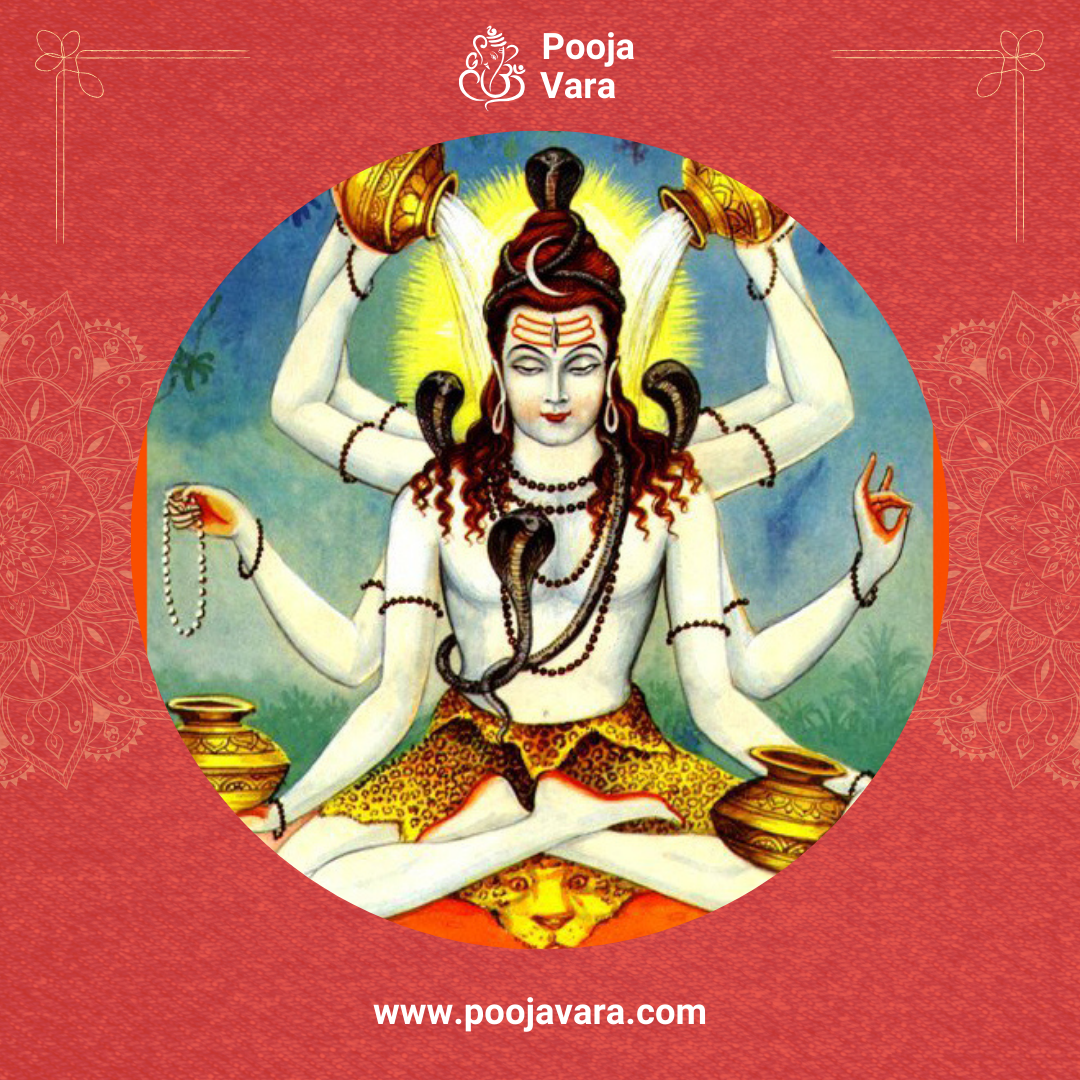
If you are looking for Rudrabhishek Pooja in Mumbai, you may be seeking more than just a traditional religious ritual. Rudrabhishek is one of the most revered forms of Lord Shiva worship, traditionally performed with sacred offerings such as water, milk, honey, curd, ghee, bilva leaves, flowers, and other pooja samagri.

For devotees, Rudrabhishek is a meaningful way to offer prayers to Lord Shiva, seek blessings, express gratitude, and begin important phases of life with spiritual devotion. Whether you want to perform Rudrabhishek for a personal sankalp, family well-being, a special occasion, or spiritual purposes, arranging the pooja correctly can make the experience more peaceful and convenient.

In a busy city like Mumbai, finding experienced priests, arranging the required Rudrabhishek samagri, selecting an appropriate date, and coordinating the pooja can sometimes feel difficult. This guide explains everything you need to know about Rudrabhishek Pooja in Mumbai, including its significance, benefits, samagri, procedure, suitable occasions, and how to book the pooja.

Rudrabhishek Pooja in Mumbai

What Is Rudrabhishek Pooja?

Rudrabhishek is a sacred Hindu ritual in which Lord Shiva is worshipped through the ceremonial bathing, or Abhishek, of a Shiva Lingam.

The word “Rudra” refers to a powerful form of Lord Shiva, while “Abhishek” means ritual bathing or offering. During the ceremony, different sacred substances are offered to the Shiva Lingam while priests traditionally chant Shiva mantras and portions of the Sri Rudram.

The ceremony can be performed at a temple, home, office, or another suitable place where the necessary arrangements can be made.

The exact procedure and offerings can vary depending on the tradition, priest, family customs, and type of Rudrabhishek being performed.

Why Do Devotees Perform Rudrabhishek?

Devotees commonly perform Rudrabhishek to:

  • Offer prayers to Lord Shiva
  • Seek divine blessings for the family
  • Mark important occasions
  • Perform a personal spiritual sankalp
  • Pray for peace and well-being
  • Begin a new phase of life with devotion
  • Observe special Shiva-related occasions
  • Participate in a traditional Vedic pooja

The focus of the ceremony is devotion and prayer rather than simply completing a ritual.

Rudrabhishek Pooja in Mumbai – Why Choose a Professional Service?

Mumbai is a fast-paced city, and organizing a traditional pooja can require considerable preparation. A professional pooja service can help coordinate the priest, samagri, procedure, and other arrangements.

When choosing a Rudrabhishek Pooja service in Mumbai, consider the following:

Experienced Vedic Priests

Look for priests who have experience conducting Rudrabhishek according to established Vedic traditions.

Complete Pooja Samagri

Ask whether the service includes the required Rudrabhishek pooja samagri or whether you need to purchase the items separately.

Home Pooja Facility

If you prefer privacy and convenience, you can choose a service that conducts Rudrabhishek at your home.

Transparent Pricing

Before booking, understand what is included in the package, including priest dakshina, samagri, travel charges, and any additional services.

Flexible Scheduling

Choose a provider who can coordinate according to your preferred date and time, subject to priest availability and traditional considerations.

Benefits of Rudrabhishek Pooja

Rudrabhishek is primarily a spiritual practice, and devotees perform it with faith and devotion. Many Hindu traditions associate Lord Shiva worship with peace, purification, protection, and spiritual well-being.

Some commonly described Rudrabhishek benefits include:

1. Promotes Spiritual Peace

The chanting of Shiva mantras and performance of Abhishek can create a calm and devotional atmosphere. Many devotees find the ritual helpful for prayer, reflection, and spiritual focus.

2. Encourages Mental Calmness

The repetitive chanting, structured ritual, and devotional environment can provide a peaceful experience and encourage mindfulness.

3. Seeking Lord Shiva’s Blessings

Devotees perform Rudrabhishek to express their devotion and seek the blessings of Lord Shiva for themselves and their families.

4. Family Well-Being

Families may perform Rudrabhishek as a collective prayer for harmony, peace, prosperity, and general well-being.

5. A Meaningful Spiritual Sankalp

Rudrabhishek can be performed when making a personal spiritual commitment or seeking blessings before an important stage of life.

6. Traditional Worship During Auspicious Occasions

Rudrabhishek is particularly popular during important Shiva-related occasions such as Maha Shivratri and the holy month of Shravan.

Important: Religious benefits are matters of faith and tradition. They should not be presented as guaranteed medical, financial, or scientific outcomes.

Rudrabhishek Pooja Samagri List

One of the most common questions people ask before booking is: “What is required for Rudrabhishek Pooja?”

The exact samagri can differ according to the type of pooja and priest’s tradition. A general list may include:

Basic Abhishek Items
  • Pure water
  • Milk
  • Curd
  • Honey
  • Ghee
  • Sugar
  • Panchamrit ingredients
  • Coconut water, where traditionally used
Shiva Pooja Items
  • Bilva (Bel) leaves
  • Fresh flowers
  • Fruits
  • Coconut
  • Sandalwood
  • Kumkum
  • Turmeric
  • Akshata (rice)
  • Incense sticks
  • Camphor
  • Cotton wicks
  • Ghee or oil for diya
Other Pooja Requirements
  • Kalash
  • Clean cloth
  • Betel leaves
  • Betel nuts
  • Sacred thread
  • Pooja plate
  • Shiva Lingam, if required
  • Rudraksha, where applicable
  • Other items according to the priest’s prescribed procedure

If you book a Rudrabhishek Pooja in Mumbai through a professional service, confirm beforehand whether the package includes all required samagri.

Rudrabhishek Pooja Procedure

While the exact procedure varies by tradition, a typical Rudrabhishek may include several stages.

1. Sankalp

The priest begins by taking the sankalp, stating the purpose of the pooja and details traditionally required for the ritual.

2. Ganesh Pooja

Lord Ganesha is worshipped at the beginning of many Hindu ceremonies to seek blessings for the successful completion of the ritual.

3. Kalash and Other Preparations

The priest prepares the required kalash and pooja setup according to the chosen ritual.

4. Shiva Abhishek

The central part of the ceremony involves offering sacred substances to the Shiva Lingam.

Depending on the tradition, offerings may include:

  • Water
  • Milk
  • Curd
  • Honey
  • Ghee
  • Sugar
  • Panchamrit
  • Other prescribed substances
5. Mantra Chanting

Shiva mantras and, depending on the ritual, portions of the Sri Rudram are recited during the ceremony.

6. Bilva Patra and Flower Offering

Devotees offer Bilva leaves and flowers to Lord Shiva as part of the worship.

7. Aarti and Prasad

The ceremony generally concludes with Shiva Aarti, prayers, and distribution of prasad.

The priest may explain the appropriate procedure and offerings based on your specific pooja.

Best Time for Rudrabhishek Pooja

Rudrabhishek can be performed on various days depending on personal devotion, family traditions, and the guidance of a priest.

It is especially popular during:

Mondays

Monday, traditionally associated with Lord Shiva, is considered an important day for Shiva worship.

Shravan Month

The month of Shravan is particularly significant for Shiva devotees. Many people perform special Shiva poojas during this period.

Maha Shivratri

Maha Shivratri is one of the most important occasions for Lord Shiva worship. Many devotees perform Abhishek and other Shiva rituals on this day.

Pradosh

Pradosh is another important period associated with Lord Shiva worship. Devotees may perform special prayers and Abhishek according to their traditions.

If you are unsure about the best date or time, consult an experienced priest who can guide you according to your family tradition and purpose of the pooja.

Rudrabhishek at Home in Mumbai

One of the most convenient options for families is Rudrabhishek at home.

Instead of travelling to a temple, devotees can arrange for a priest to visit their residence and conduct the ceremony.

This can be particularly convenient for:

  • Families with elderly members
  • Families with young children
  • People with busy schedules
  • Special family occasions
  • Devotees who prefer private worship

Before booking a home Rudrabhishek, make sure you have enough space for the pooja setup and clarify whether the priest or service provider will bring the required samagri.

How to Book Rudrabhishek Pooja in Mumbai

Booking a Rudrabhishek can be simple when you plan the requirements in advance.

Step 1: Decide the Type of Pooja

First, discuss your purpose and determine which form of Rudrabhishek is appropriate.

Step 2: Select the Date

Choose your preferred date and check priest availability.

Step 3: Choose Home or Temple

Decide whether you want the ceremony at home, a temple, or another suitable location.

Step 4: Confirm the Samagri

Ask whether the service includes complete pooja samagri.

Step 5: Confirm the Cost

Get clarity about the total cost and what is included.

Step 6: Book the Priest

Once the date, time, location, and requirements are confirmed, complete your booking.

For the best experience, avoid waiting until the last minute for popular dates such as Maha Shivratri, Shravan Mondays, and other auspicious occasions.

Conclusion

Rudrabhishek is a deeply meaningful form of Lord Shiva worship that combines sacred Abhishek, mantra chanting, prayer, and devotion. Whether you are planning the pooja during Shravan, Maha Shivratri, Pradosh, a Monday, or a personally significant occasion, proper preparation can make the ceremony more peaceful and memorable.

From arranging the Rudrabhishek samagri to selecting an experienced priest and deciding whether to conduct the ceremony at home or another suitable location, planning ahead helps ensure that everything is ready for the day of the pooja.

If you are planning Rudrabhishek Pooja in Mumbai, contact a trusted pooja service provider today. Share your preferred date, location, and requirements to receive guidance on the appropriate pooja, samagri, priest availability, and booking process.

Book your Rudrabhishek Pooja in Mumbai and begin your spiritual occasion with devotion and the blessings of Lord Shiva.

Navagraha Pooja in Mumbai: Benefits, Rituals & Cost

Navagraha Pooja in Mumbai: Benefits, Rituals & Cost

When life seems to be moving through a difficult phase—whether it involves career obstacles, financial instability, relationship concerns, health-related worries, or repeated delays—many devotees turn to traditional Vedic rituals for spiritual guidance and peace. Navagraha Pooja in Mumbai is one such important Hindu ritual performed to seek the blessings of the nine planetary deities, traditionally known as the Navagrahas.

According to Vedic astrology, the positions and influences of the nine celestial bodies can affect different areas of an individual’s life. Navagraha Pooja is performed with the intention of reducing unfavorable planetary influences and strengthening positive energies through prayers, mantras, offerings, and other prescribed rituals.

For devotees living in Mumbai, arranging a Navagraha Pooja at home with an experienced priest can be a convenient way to perform the ceremony according to traditional practices without having to travel far.

In this guide, we will explain what Navagraha Pooja is, its benefits, rituals, who should perform it, the approximate Navagraha Pooja cost in Mumbai, and how you can book the pooja with a qualified priest.

Navagraha Pooja in Mumbai

What Is Navagraha Pooja?

Navagraha Pooja is a traditional Hindu Vedic ritual dedicated to the nine Navagrahas:

Surya (Sun)

Chandra (Moon)

Mangala (Mars)

Budha (Mercury)

Guru or Brihaspati (Jupiter)

Shukra (Venus)

Shani (Saturn)

Rahu

Ketu

Each planetary deity is associated with different aspects of life. Devotees perform Navagraha Pooja to pray for harmony, protection, prosperity, mental peace, and overall well-being.

The pooja may be recommended based on a person’s Janma Kundali, particularly when an astrologer identifies unfavorable planetary placements, doshas, or periods associated with challenging planetary influences.

However, many families also perform Navagraha Pooja as a general spiritual practice for peace and prosperity.

Why Perform Navagraha Pooja in Mumbai?

Mumbai is a fast-paced city where people often have demanding professional and personal schedules. Traveling to a temple or arranging a traditional ceremony outside the city may not always be convenient.

Booking a Navagraha Pooja in Mumbai allows devotees to perform the ritual at home, office, or another suitable location.

An experienced Vedic priest can guide the family through the required rituals, mantras, sankalpam, offerings, and other procedures.

Some devotees choose to perform the pooja at important milestones such as:

  • Starting a new business
  • Moving into a new home
  • Beginning a new job
  • Marriage-related occasions
  • Before important journeys
  • During challenging planetary periods
  • After consulting an astrologer
  • For family peace and prosperity
  • As part of spiritual and devotional practice
  •  

Navagraha Pooja Benefits

The benefits associated with Navagraha Pooja are primarily spiritual and devotional. Devotees believe that sincerely performing the ritual can help create a positive and peaceful environment.

1. Seeking Relief From Planetary Doshas

One of the main reasons people perform Navagraha Pooja is to seek relief from unfavorable planetary influences identified in a horoscope.

The pooja involves prayers and offerings to all nine planetary deities rather than focusing on only one planet.

2. Promotes Mental Peace

Regular prayer and Vedic chanting can provide a sense of calm and spiritual focus. Families often perform Navagraha Pooja when they are experiencing stress, uncertainty, or emotional disturbances.

3. Prayers for Career and Business Growth

Devotees may perform Navagraha Pooja when facing repeated professional obstacles, business difficulties, or delays in important plans.

The ceremony is intended to seek divine blessings for clarity, stability, and progress.

4. Prayers for Financial Stability

Navagraha Pooja is also performed by devotees who wish to pray for financial stability and prosperity.

It is important to understand that the pooja is a spiritual practice and should not be considered a guaranteed financial solution.

5. Supports Family Harmony

The ceremony brings family members together for prayer and devotion. Many families perform the pooja with the intention of creating a peaceful and positive atmosphere at home.

6. Spiritual Protection and Positive Energy

Devotees believe that worshipping the Navagrahas helps create spiritual protection and encourages positive energy in their surroundings.

7. Seeking Blessings During Difficult Periods

Certain planetary periods, such as Shani Mahadasha, Sade Sati, or challenging Rahu and Ketu periods, are traditionally considered significant in Vedic astrology.

In such situations, an astrologer or priest may recommend specific prayers or planetary remedies.

The Nine Navagrahas and Their Significance

Understanding the nine planetary deities helps explain the purpose of Navagraha worship.

Surya – Sun

Surya represents vitality, confidence, leadership, authority, and self-expression.

Chandra – Moon

Chandra is traditionally associated with emotions, mental peace, imagination, and the mind.

Mangala – Mars

Mangala represents courage, strength, energy, determination, and action.

Budha – Mercury

Budha is associated with communication, intelligence, learning, business, and analytical abilities.

Guru – Jupiter

Guru represents wisdom, knowledge, spirituality, prosperity, education, and guidance.

Shukra – Venus

Shukra is associated with relationships, beauty, comforts, creativity, luxury, and artistic abilities.

Shani – Saturn

Shani is traditionally associated with discipline, responsibility, patience, karma, hard work, and perseverance.

Rahu

Rahu is associated with ambition, material desires, unconventional experiences, and sudden changes.

Ketu

Ketu is associated with spirituality, detachment, intuition, and liberation.

Navagraha Pooja Rituals

The exact procedure can vary according to the family tradition, priest, temple tradition, and purpose of the ceremony.

A typical Navagraha Pooja procedure may include the following steps.

1. Ganapati Pooja

The ceremony may begin with prayers to Lord Ganesha to seek blessings and remove obstacles before beginning the main ritual.

2. Sankalpam

The priest performs the sankalpam, formally stating the intention of the pooja and invoking divine blessings for the devotee or family.

3. Kalasha Sthapana

A kalasha may be established as part of the ritual according to the prescribed tradition.

4. Navagraha Avahana

The nine planetary deities are invoked through traditional prayers and mantras.

5. Abhishekam

Depending on the ritual method, the deities or representative idols may receive abhishekam using prescribed materials.

6. Navagraha Mantra Chanting

Specific mantras associated with the nine planetary deities are chanted during the pooja.

7. Offerings

Flowers, fruits, grains, lamps, incense, and other traditional offerings may be made according to the priest’s instructions.

8. Archana and Prayers

The priest performs archana and offers prayers for the devotee’s stated intentions.

9. Aarti

The ceremony generally concludes with aarti and prayers.

10. Prasadam and Blessings

After completion of the ritual, prasadam is distributed to the participants.

How Long Does Navagraha Pooja Take?

The duration depends on the type and scale of the ceremony.

A simple Navagraha Pooja may take approximately 1–2 hours, while a more elaborate ceremony involving additional homam, abhishekam, or other Vedic rituals may take longer.

If you are booking a priest for a home pooja in Mumbai, ask about the expected duration before confirming your booking.

Navagraha Pooja Cost in Mumbai

The Navagraha Pooja cost in Mumbai can vary depending on several factors, so there is no single fixed price applicable to every ceremony.

Typical pricing may depend on:

  • Type of Navagraha Pooja
  • Number of priests
  • Whether homam is included
  • Pooja materials
  • Flowers and offerings
  • Kalasha and other ritual requirements
  • Travel distance
  • Location of the ceremony
  • Number of participants
  • Additional poojas requested
  • Dakshina for the priest

For a basic home ceremony, prices may commonly start from a few thousand rupees, while elaborate Navagraha Pooja packages with homam and additional rituals can cost considerably more.

Before booking, ask for a complete quotation that clearly explains what is included in the package.

What Is Included in a Navagraha Pooja Package?

Depending on the service provider, a Navagraha Pooja package may include:

  • Experienced Vedic priest
  • Pooja samagri
  • Navagraha-related offerings
  • Kalasha requirements
  • Flowers and fruits
  • Mantra chanting
  • Pooja setup guidance
  • Homam, if included
  • Prasadam
  • Priest dakshina

Always confirm the inclusions before booking because different service providers may offer different packages.

Conclusion

Navagraha Pooja in Mumbai is a meaningful traditional ritual for devotees seeking spiritual peace, divine blessings, and harmony in their lives. Whether you are performing the ceremony because of an astrological recommendation or simply as an act of devotion, following the proper Vedic procedure with the guidance of an experienced priest can make the experience more organized and meaningful.

From understanding the nine planetary deities to selecting the right date, priest, pooja materials, and package, planning ahead can help you conduct the ceremony smoothly.

If you are looking to book Navagraha Pooja in Mumbai, choose a trusted pooja service that provides experienced priests, transparent pricing, proper ritual guidance, and convenient home services.

Book your Navagraha Pooja in Mumbai today and begin your spiritual journey with devotion, faith, and the blessings of the Navagrahas.

FAQs

Navagraha Pooja is a traditional Hindu ritual dedicated to the nine planetary deities—Surya, Chandra, Mangala, Budha, Guru, Shukra, Shani, Rahu, and Ketu. Devotees perform it to seek blessings, spiritual peace, and harmony.

The cost varies depending on the type of ceremony, priest count, pooja materials, homam, travel, and other requirements. Basic ceremonies may cost a few thousand rupees, while elaborate rituals can cost more.

Yes. Navagraha Pooja can be performed at home with the assistance of a qualified priest who can arrange or guide you through the required rituals and pooja materials.

A basic ceremony may take around 1–2 hours, while an elaborate pooja with homam and additional rituals can take longer.

Yes. Navagraha Pooja traditionally involves worshipping all nine planetary deities: Sun, Moon, Mars, Mercury, Jupiter, Venus, Saturn, Rahu, and Ketu.

Vastu Shanti Pooja in Mumbai: Complete Guide

Vastu Shanti Pooja in Mumbai: Complete Guide

Moving into a new home is one of the most important milestones in life. Whether you have purchased a new apartment, constructed a house, or moved into a renovated property, many Hindu families perform traditional rituals to create a spiritually positive and peaceful environment. One of the most significant rituals associated with this purpose is Vastu Shanti Pooja.

If you are looking for Vastu Shanti Pooja in Mumbai, this complete guide explains everything you need to know—from its significance and benefits to the pooja procedure, required samagri, suitable occasions, muhurat, and how to arrange a qualified pandit.

Mumbai is a fast-paced city where people frequently move into newly purchased apartments, redeveloped homes, and newly constructed properties. A properly organized Vastu Shanti Pooja can help families begin their new chapter with faith, tradition, and positive intentions.

Vastu Shanti Pooja in Mumbai

What Is Vastu Shanti Pooja?

Vastu Shanti Pooja is a Hindu religious ceremony performed to seek blessings for harmony, peace, prosperity, and positive energy within a property.

The ceremony is traditionally associated with Vastu Shastra, an ancient Indian architectural and spiritual system that emphasizes harmony between living spaces, nature, and cosmic energies.

The word “Vastu” refers to a dwelling or place of residence, while “Shanti” means peace. Therefore, Vastu Shanti Pooja can broadly be understood as a ritual intended to establish peace and auspiciousness within a home or property.

The pooja may involve prayers and offerings to various deities, Vastu Purusha, the Navagrahas, and other divine forces according to the family’s tradition and the priest’s prescribed procedure.

Why Is Vastu Shanti Pooja Performed?

Families choose to perform Vastu Shanti Pooja for several traditional and spiritual reasons.

1. To Begin Life in a New Home Auspiciously

Entering a new home is considered an important transition. Performing a Vastu Shanti Pooja provides an opportunity for the family to seek divine blessings before beginning their new life in the property.

2. To Promote Peace and Harmony

The ceremony is traditionally performed with the intention of creating a peaceful and harmonious atmosphere for everyone living in the home.

3. To Seek Prosperity and Well-Being

Many families perform the pooja to seek blessings for prosperity, happiness, good fortune, and overall well-being.

4. To Follow Family Traditions

For many Hindu families, Vastu Shanti Pooja is an important part of their religious and cultural traditions when moving into a new property.

5. After Construction or Major Renovation

Some families perform Vastu Shanti after constructing a new house or completing significant structural renovations.

It is important to understand that these are religious and traditional beliefs, rather than scientifically established guarantees of particular outcomes.

When Should You Perform Vastu Shanti Pooja?

One of the most common questions people ask is: When should Vastu Shanti Pooja be performed?

The ceremony is commonly considered for occasions such as:

  • Moving into a newly constructed house
  • Purchasing a new apartment or independent house
  • Performing Griha Pravesh
  • Completing major home renovations
  • Constructing a new property
  • Moving into a previously occupied property, according to family tradition
  • Performing certain remedial rituals recommended by a qualified priest

The exact date and time, or Vastu Shanti Pooja muhurat, may depend on factors such as the Hindu calendar, nakshatra, tithi, location, and the family’s religious customs.

For an auspicious date, it is advisable to consult a qualified pandit rather than selecting a muhurat solely from a generic online calendar.

Vastu Shanti Pooja and Griha Pravesh: Are They the Same?

Although they are closely connected, Vastu Shanti Pooja and Griha Pravesh Pooja are not necessarily identical.

Griha Pravesh is traditionally associated with entering or inaugurating a home. It includes rituals intended to mark the family’s auspicious entry into the property.

Vastu Shanti, on the other hand, focuses specifically on Vastu-related prayers and seeking harmony and peace within the property.

Depending on regional customs, family traditions, and the priest’s recommendations, both ceremonies may be performed together.

If you are planning a housewarming ceremony, you can also explore our guide on [Griha Pravesh Pooja in Mumbai] for additional information.

Vastu Shanti Pooja Procedure

The exact procedure can vary depending on the family’s tradition, regional customs, priest, and type of ceremony. A typical Vastu Shanti ceremony may include several stages.

1. Sankalp

The priest begins by taking a Sankalp, or sacred intention, on behalf of the family. Details such as the names of family members and the purpose of the ceremony may be included.

2. Ganesh Pooja

Lord Ganesha is traditionally worshipped at the beginning of many Hindu ceremonies because he is associated with auspicious beginnings and the removal of obstacles.

3. Kalash Sthapana

A sacred kalash may be established as part of the ceremony. It represents auspiciousness and divine presence.

4. Punyahavachanam

A purification ritual may be performed using sacred water and mantras. The purpose is traditionally to purify the surroundings and prepare the space for the ceremony.

5. Vastu Purusha Pooja

The priest performs prayers associated with Vastu Purusha, the symbolic deity connected with the energy and layout of the dwelling.

6. Navagraha Pooja

Depending on the prescribed ritual, prayers may be offered to the Navagrahas, or nine planetary deities.

7. Havan or Homam

A sacred fire ritual may be performed. Offerings are made into the fire while specific mantras are chanted.

8. Vastu Shanti Mantras and Offerings

The priest performs the prescribed Vastu-related prayers and offerings according to the selected ritual procedure.

9. Purnahuti

The ceremony may conclude with Purnahuti, the final offering into the sacred fire.

10. Aarti and Prasad

Aarti is performed, followed by distribution of prasad to family members and guests.

The procedure may differ based on the specific Vedic tradition followed by the priest.

Vastu Shanti Pooja Samagri List

If you are arranging a Vastu Shanti Pooja in Mumbai, it is useful to confirm the complete samagri list with your pandit before the ceremony.

Common items may include:

  • Kalash
  • Coconut
  • Mango leaves
  • Rice
  • Turmeric
  • Kumkum
  • Sandalwood
  • Flowers
  • Fruits
  • Betel leaves and areca nuts
  • Ghee
  • Camphor
  • Incense sticks
  • Cotton wicks
  • Sacred thread
  • Panchamrit ingredients
  • Havan samagri
  • Dry fruits
  • Grains
  • Puja utensils
  • Navagraha-related materials, where required
  • Other items prescribed by the priest

The exact requirements can vary considerably depending on the type of Vastu Shanti ceremony. Therefore, do not purchase a large quantity of items based solely on a generic list.

How Much Does Vastu Shanti Pooja Cost in Mumbai?

The Vastu Shanti Pooja cost in Mumbai can vary depending on several factors.

These may include:

  • Type and duration of the ceremony
  • Number of rituals included
  • Dakshina for the pandit
  • Number of priests
  • Pooja samagri
  • Havan requirements
  • Travel charges
  • Number of family members or guests
  • Whether the ceremony is performed at an apartment, independent house, or larger property
  • Additional rituals requested by the family

Instead of selecting a priest based only on the lowest price, consider the priest’s experience, clarity about the rituals, language preferences, inclusions, and overall service quality.

When booking a Vastu Shanti Pooja in Mumbai, ask for a clear quotation explaining what is included in the package.

How to Book Vastu Shanti Pooja in Mumbai

Organizing a traditional ceremony in Mumbai can be challenging because of busy schedules, travel, apartment restrictions, and the difficulty of finding an available priest.

A reliable booking process should ideally include:

Step 1: Choose the Type of Pooja

Confirm whether you require only Vastu Shanti or a combined ceremony such as Vastu Shanti and Griha Pravesh.

Step 2: Discuss the Date and Muhurat

Share your preferred dates with the pandit and ask for an appropriate muhurat based on your requirements and traditional practices.

Step 3: Confirm the Pooja Samagri

Ask whether the priest or service provider will arrange the samagri or whether the family needs to purchase it.

Step 4: Confirm the Number of Priests

Some ceremonies may require more than one priest depending on their scope.

Step 5: Confirm Language Preferences

If your family prefers Sanskrit, Hindi, Marathi, Telugu, Kannada, Tamil, or another language, discuss this before booking.

Step 6: Confirm the Total Cost

Get clarity about pandit dakshina, samagri, travel, and any additional charges before the ceremony.

Step 7: Prepare the Home

Clean the property and keep the designated pooja area ready before the pandit arrives.

Conclusion

A new home represents more than bricks, walls, and interiors—it represents a new beginning for your family. Vastu Shanti Pooja in Mumbai offers families a traditional way to mark that beginning with prayers, devotion, and the blessings of the divine.

Whether you are moving into a new apartment in Mumbai, completing the construction of your dream home, or planning a Griha Pravesh ceremony, choosing the right pandit and preparing the rituals in advance can make the experience smoother and more meaningful.

Start by deciding which rituals you need, selecting an appropriate date and muhurat with a qualified priest, confirming the pooja samagri, and understanding the complete cost before booking.

Planning a Vastu Shanti Pooja in Mumbai? Contact a trusted pooja service provider today to check pandit availability, discuss your ceremony requirements, and arrange your pooja at a convenient date and location.

FAQs

Vastu Shanti Pooja is a traditional Hindu ceremony performed to seek peace, harmony, auspiciousness, and divine blessings for a home or property.

It is commonly performed when moving into a new home, after constructing a house, after major renovations, or on occasions recommended by a qualified priest according to family tradition.

Yes. The ceremony can traditionally be adapted for apartments and flats. However, residents should check their housing society’s rules regarding havan, fire, smoke, noise, and timing.

The cost varies according to the type of ceremony, number of priests, pooja samagri, duration, travel, and additional rituals. It is best to request a detailed quotation before booking.

Common materials include kalash, coconut, mango leaves, rice, turmeric, kumkum, flowers, fruits, ghee, camphor, havan samagri, grains, and other items specified by the priest.

New Business Opening Pooja in Mumbai: Complete Guide to Rituals, Muhurat & Pandit Booking

New Business Opening Pooja in Mumbai: Complete Guide to Rituals, Muhurat & Pandit Booking

Starting a new business is a major milestone. Whether you are opening a retail shop, corporate office, clinic, restaurant, showroom, consultancy, studio, or a home-based business, a traditional New Business Opening Pooja in Mumbai can provide a spiritually meaningful beginning to your entrepreneurial journey.

In Hindu tradition, a business inauguration or Vyapar Udghatan Pooja is performed to seek the blessings of Lord Ganesha, Goddess Lakshmi, Vastu Purusha and other deities associated with prosperity, wisdom and protection. Depending on the premises and family tradition, the ceremony may include Ganesh Pooja, Lakshmi Pooja, Vastu Shanti, Navagraha Pooja, Kalash Sthapana and Havan.

Choosing the right business opening muhurat in Mumbai, arranging the required pooja samagri and booking an experienced Vedic Pandit can make the inauguration smooth and well organised.

If you are planning a new business inauguration, this complete guide explains the rituals, auspicious timing, preparation, samagri and how to book a Pandit for business opening pooja in Mumbai.

New Business Opening Pooja in Mumbai

What Is New Business Opening Pooja?

New Business Opening Pooja is a traditional Hindu ceremony performed before commencing operations at a new commercial venture. It is also commonly referred to as Business Opening Pooja, Shop Opening Pooja, Office Opening Pooja, Vyapar Udghatan Pooja or Business Inauguration Pooja.

The ceremony is intended to mark an auspicious beginning, purify the premises and seek divine blessings for prosperity, stability and the removal of obstacles.

A typical ceremony may combine:

  • Ganesh Pooja
  • Lakshmi Pooja
  • Vastu Pooja or Vastu Shanti
  • Navagraha Pooja
  • Kalash Sthapana
  • Ganesh Havan or Vastu Havan
  • Saraswati Pooja, where appropriate
  • Kuber Pooja, where appropriate
  • Dwar Pooja
  • First transaction or symbolic business opening

The exact rituals can vary according to the family tradition, business type, location and guidance of the Pandit.

Why Perform Business Opening Pooja in Mumbai?

Mumbai is one of India’s major commercial centres, with thousands of businesses opening, relocating and expanding every year. For many business owners, the inauguration is not simply a formal event—it is a sacred beginning.

Performing a New Business Opening Pooja in Mumbai is traditionally associated with:

1. Seeking Lord Ganesha’s Blessings

Lord Ganesha is traditionally worshipped at the beginning of auspicious activities. Business owners seek His blessings for removing obstacles and ensuring a smooth start.

2. Invoking Goddess Lakshmi

Lakshmi Pooja is performed to seek blessings associated with wealth, prosperity and abundance. It is especially common during shop, office and commercial inaugurations.

3. Purifying the Business Premises

Vastu-related rituals and Havan may be performed to spiritually purify the premises and establish an auspicious environment.

4. Starting the Business on an Auspicious Note

A Shubh Muhurat provides a traditional framework for beginning important activities. In Vedic astrology, factors such as Tithi, Nakshatra, weekday and Lagna may be considered while selecting a suitable time.

5. Bringing Family and Employees Together

A business inauguration pooja can also become an important cultural occasion where business partners, employees, family members and well-wishers participate in the new beginning.

Business Opening Muhurat in Mumbai

One of the most important decisions before a business inauguration is selecting the Shubh Muhurat.

There is no single universal time that is suitable for every business. A suitable muhurat can depend on the date, location, Panchang factors and, in some traditions, the business owner’s birth details.

For Mumbai, dedicated Panchang calculations can provide location-specific muhurat windows. For example, Drik Panchang publishes Mumbai-specific shop-opening timings and notes that its timings are based on the local time of Mumbai.

Factors Considered While Selecting Muhurat

A Pandit or Jyotish expert may consider:

  • Tithi
  • Nakshatra
  • Vara or weekday
  • Lagna
  • Hora
  • Rahu Kalam
  • Planetary positions
  • Business owner’s Janma Nakshatra
  • Business owner’s horoscope, where personalised muhurat is requested

Some commonly referenced auspicious Nakshatras for business-related activities include Rohini, Pushya, Hasta, Chitra and Revati. However, the suitability of a particular date should be verified for the specific location and ceremony rather than relying on a generic list.

Should You Choose a General or Personalised Muhurat?

For a simple shop or office inauguration, many families choose an auspicious Panchang-based time.

For an important business launch, partnership, factory, large commercial property or major investment, some families prefer a personalised muhurat based on the owner’s birth details.

Your Pandit can advise which approach is appropriate.

Complete Rituals for New Business Opening Pooja

The exact procedure can differ, but a traditional ceremony may include the following steps.

1. Ganesh Pooja

The ceremony commonly begins with Lord Ganesha. The Pandit performs Ganesh invocation, Sankalp and offerings while seeking blessings for an obstacle-free beginning.

2. Sankalp

The business owner makes a Sankalp, formally stating the intention of performing the pooja and beginning the new business.

The Sankalp may include details such as:

  • Owner’s name
  • Gotra
  • Family details
  • Business name
  • Purpose of the ceremony
  • Location
  • Date and Muhurat
3. Kalash Sthapana

A Kalash is established as part of the traditional worship procedure. It represents auspiciousness, purity and divine presence.

4. Vastu Pooja

For a new commercial premises, Vastu Pooja or Vastu Shanti may be included. The purpose is traditionally associated with creating harmony within the premises and seeking blessings from Vastu Purusha.

5. Lakshmi Pooja

Goddess Lakshmi is worshipped for prosperity, abundance and financial well-being.

6. Navagraha Pooja

Some business inauguration ceremonies include Navagraha worship to seek planetary harmony and blessings.

7. Havan

A Havan may be performed as part of the ceremony. Offerings are made into the sacred fire while Vedic mantras are recited.

Depending on the chosen package and tradition, Ganesh Havan, Navagraha Havan or Vastu Havan may be performed.

8. Dwar Pooja

The entrance of the business premises may be worshipped because it represents the point through which customers, employees and opportunities enter the business.

9. Shop, Office or Equipment Pooja

Depending on the business, the owner may worship:

  • Cash counter
  • Computer systems
  • Machinery
  • Vehicles
  • Business documents
  • Tools and equipment
  • Office desks
  • Account books
10. First Transaction

Some traditions include a symbolic first sale, invoice, payment or business transaction after the pooja. This marks the formal commencement of commercial activity.

Conclusion

Opening a new business is the beginning of a new chapter filled with ambition, responsibility and opportunity. For families who follow Hindu traditions, performing a New Business Opening Pooja in Mumbai is a meaningful way to mark this important milestone and seek divine blessings before beginning operations.

From selecting the right business opening muhurat in Mumbai to arranging pooja samagri and booking an experienced Pandit, advance planning can make the entire ceremony peaceful and well organised.

Whether you are opening a shop, office, showroom, restaurant, clinic, studio or starting a new venture from home, the pooja can be customised to suit your business and family tradition.

Planning your business inauguration in Mumbai? Book an experienced Pandit for your New Business Opening Pooja and give your new venture an auspicious beginning. Contact Poojavara today to enquire about available Pandits, suitable rituals, Muhurat guidance and pooja arrangements.

FAQs

New Business Opening Pooja is a Hindu ceremony performed before starting a new business, shop, office or commercial venture. It commonly includes Ganesh Pooja and may include Lakshmi Pooja, Vastu Pooja, Navagraha Pooja and Havan.


The ceremony should ideally be performed at an auspicious Muhurat selected according to the relevant Panchang factors and, where desired, the business owner’s birth details. Mumbai-specific Panchang timings should be checked for the selected date.

Ganesh Pooja is commonly performed for an auspicious and obstacle-free beginning. Lakshmi Pooja, Vastu Pooja, Navagraha Pooja and Havan may also be included depending on the business and family’s tradition.

Yes. Traditionally, the pooja can be performed before commencing business operations, followed by the formal opening or first transaction during the selected auspicious period.

The duration depends on the rituals selected. A simple ceremony may take around one to two hours, while an elaborate ceremony with Havan and additional rituals may take longer.

Durga Puja in Mumbai: Complete Guide to Rituals, Muhurat, Samagri & Pandit Booking

Durga Puja in Mumbai: Complete Guide to Rituals, Muhurat, Samagri & Pandit Booking

Durga Puja is one of the most spiritually significant festivals dedicated to Goddess Durga, the divine embodiment of शक्ति (Shakti), courage, protection and victory over evil. In Mumbai, the festival takes on a unique character, blending traditional Bengali Durga Puja celebrations with the wider customs of Shardiya Navratri followed by Hindu communities across the city.

Whether you are planning a Durga Puja at home in Mumbai, arranging a community celebration, looking for the right Durga Puja muhurat, preparing the required Durga Puja samagri, or searching for an experienced pandit for Durga Puja in Mumbai, proper planning can make the ceremony peaceful and spiritually meaningful.

In this complete guide, you will learn about the Durga Puja dates in Mumbai, important rituals, puja vidhi, auspicious timings, samagri list, Ashtami and Navami rituals, and how to book a qualified pandit for your ceremony.

Durga Puja in Mumbai

What Is Durga Puja?

Durga Puja is a Hindu festival celebrating Goddess Durga and her victory over Mahishasura, symbolising the triumph of good over evil. Traditionally, Durga Puja is observed across several days, with the principal days being Shashthi, Saptami, Ashtami, Navami and Vijayadashami.

In Mumbai, it is important to understand that the term “Durga Puja” can refer to two closely related traditions:

  • Bengali-style Durga Puja, generally celebrated over five principal days.
  • Navratri/Shardiya Durga worship, observed over nine nights and culminating in Vijayadashami.

According to the 2026 Mumbai Durga Puja calendar, the principal five-day Durga Puja period begins on 16 October 2026 with Shashthi and continues through 20 October 2026, Vijayadashami.

The exact rituals and timings can differ according to family tradition, regional customs, sampradaya and the local Panchang. Therefore, families should confirm the final Durga Puja muhurat in Mumbai with their pandit before beginning the ceremony.

Durga Puja Dates in Mumbai 2026

If you are planning Durga Puja in Mumbai in 2026, the main festival days are:

Puja DayDateMajor Rituals
Maha Shashthi16 October 2026Kalparambha, Bodhan, Amantran & Adhivas
Maha Saptami17 October 2026Nabapatrika/Kolabou Puja
Maha Ashtami19 October 2026Durga Ashtami, Kumari Puja, Sandhi Puja
Maha Navami20 October 2026Navami Puja, Homa and associated rituals
Vijayadashami20 October 2026Durga Visarjan, Sindoor Utsav

The 2026 calendar identifies 16 October as Shashthi, 17 October as Saptami, 19 October as Ashtami, 20 October as Navami and later Dashami/Vijayadashami on the same calendar period. Festival observances can overlap because of tithi calculations, so the precise ceremony schedule should be checked against the local Mumbai Panchang.

Why Is the Muhurat Important?

Hindu rituals traditionally use tithi, nakshatra, yoga and local sunrise/sunset calculations to determine auspicious periods. The correct time can therefore change depending on the location.

For a home ceremony, your pandit may determine the appropriate time for:

  • Kalash Sthapana
  • Durga Avahan
  • Main Sankalp
  • Ashtami Puja
  • Sandhi Puja
  • Havan
  • Navami Puja
  • Visarjan

Rather than following a generic internet timing, it is advisable to ask a qualified Mumbai pandit to calculate or verify the appropriate local muhurat for your specific ceremony.

Important Durga Puja Rituals and Vidhi

A traditional Durga Puja consists of several rituals. The exact sequence may vary depending on the tradition followed by the family or community.

1. Ganesh Puja

Lord Ganesha is worshipped at the beginning of the ceremony as the remover of obstacles. The pandit performs prayers and offerings before proceeding with the main Durga Puja.

2. Sankalp

The devotee makes a formal Sankalp, stating the intention of performing the puja. The sankalp may include the devotee’s name, family details, location and purpose of the worship.

3. Kalash Sthapana

A sacred Kalash is established as part of the worship. It represents auspiciousness, abundance and the divine presence.

Depending on the tradition, the Kalash may be decorated with mango leaves, coconut, sacred thread and other ritual items.

4. Durga Avahan

Durga Avahan is the invocation of Goddess Durga. The pandit recites prescribed mantras and prayers while invoking the divine presence of Maa Durga.

This is one of the most important parts of the ceremony because it formally establishes the devotional focus of the puja.

5. Shodashopachara Puja

The Goddess may be worshipped through Shodashopachara, a traditional sixteen-step method of offering respect and devotion.

The offerings can include:

  • Water
  • Flowers
  • Gandha
  • Incense
  • Deepa
  • Naivedya
  • Clothing or symbolic offerings
  • Fruits
  • Other traditional items

The exact procedure depends on the ritual tradition being followed.

6. Durga Ashtami Puja

Maha Ashtami is one of the most important days of Durga Puja. Devotees offer special prayers to Goddess Durga and may perform additional rituals such as Kumari Puja and Havan.

Ashtami is especially significant for devotees seeking divine strength, protection and removal of obstacles.

7. Kumari Puja

In traditions where it is observed, young girls are worshipped as manifestations of the Divine Mother.

Their feet may be respectfully washed and they may be offered food, flowers, gifts and other traditional offerings.

8. Sandhi Puja

Sandhi Puja is associated with the transition between Ashtami and Navami. It is considered a highly significant period in the Durga Puja tradition.

Because Sandhi Puja depends on the exact tithi transition, the timing should be calculated using the local Panchang rather than relying on a fixed clock time.

9. Durga Havan

A Havan may be performed as part of Ashtami or Navami worship. Offerings are made into the sacred fire while appropriate mantras are recited by the pandit.

If you are planning a home Havan in Mumbai, make sure there is sufficient ventilation and a safe, suitable area for the fire ritual.

10. Aarti and Prasad

The ceremony concludes with Durga Aarti, prayers and distribution of Prasad among family members and devotees.

Durga Puja Samagri List

Preparing the samagri in advance can prevent last-minute stress, particularly during the busy festival period in Mumbai.

The exact list should always be confirmed with your pandit because requirements differ by ritual tradition.

Basic Durga Puja Samagri

Common items may include:

  • Goddess Durga idol or picture
  • Puja chowki
  • Red or yellow cloth
  • Kalash
  • Coconut
  • Mango leaves
  • Sacred thread
  • Akshata/rice
  • Kumkum
  • Turmeric
  • Sandalwood
  • Flowers
  • Garland
  • Durva, where applicable
  • Betel leaves
  • Betel nuts
  • Fruits
  • Dry fruits
  • Incense sticks
  • Dhoop
  • Camphor
  • Ghee
  • Cotton wicks
  • Oil
  • Panchamrit ingredients
  • Naivedya
  • Prasad
  • Diya
  • Puja utensils
  • Gangajal or clean water
  • Dakshina

Additional Items for Havan

If your Durga Puja includes Havan, additional materials may include:

  • Havan Kund
  • Havan samagri
  • Ghee
  • Wood/sacred samidha
  • Camphor
  • Dry coconut
  • Offerings specified by the pandit
  • Matchbox/lighter for safe ignition

Nabapatrika-Related Items

For Bengali-style Durga Puja, Nabapatrika/Kolabou Puja is an important Saptami ritual. The materials and preparation can be quite specific, so it is better to ask your priest to provide a tradition-specific list rather than using a generic Navratri samagri checklist.

How to Prepare Your Home for Durga Puja in Mumbai

If you are conducting Durga Puja at home, preparation is just as important as the ceremony itself.

Clean the Puja Area

Clean the room or designated puja area thoroughly before the ceremony. Keep the space uncluttered and peaceful.

Prepare the Puja Chowki

Cover the chowki with a clean cloth and arrange the idol, Kalash and other required items according to your pandit’s instructions.

Keep Samagri Organised

Place frequently used items together in separate containers. This makes it easier for the pandit and family members during the ceremony.

Plan for Mumbai Traffic

If you are inviting a pandit from another part of Mumbai, confirm the arrival time in advance. Mumbai traffic can affect travel time, especially during major festivals.

Confirm Ritual Requirements Early

Ask your pandit:

  • What rituals will be performed?
  • What samagri should the family arrange?
  • What items will the pandit bring?
  • How long will the puja take?
  • What is the exact muhurat?
  • Is Havan included?
  • Are Dakshina and travel charges separate?
  • Are there any specific regional customs to follow?

Conclusion

Durga Puja in Mumbai is much more than a religious ceremony. It is an opportunity for families to come together, express devotion to Maa Durga and seek blessings for strength, prosperity, protection and well-being.

Whether you are planning a small Durga Puja at home, a special Durga Ashtami Puja, a complete Navratri ceremony or a community celebration, advance preparation can make the experience more meaningful.

Start by deciding your tradition and rituals, confirming the Durga Puja muhurat, arranging the puja samagri, and booking a knowledgeable pandit in Mumbai well in advance.

Looking for a trusted pandit for Durga Puja in Mumbai? Contact us today to discuss your preferred date, location, rituals and samagri requirements and arrange your puja with experienced Vedic guidance.

FAQs

The principal Durga Puja period in Mumbai in 2026 begins with Maha Shashthi on 16 October 2026 and concludes around Vijayadashami on 20 October 2026, subject to local tithi calculations.

The auspicious time depends on the specific ritual, tithi, local Panchang and family tradition. It is recommended to confirm the exact Durga Puja muhurat in Mumbai with a knowledgeable pandit.


Yes. Durga Puja can be performed at home when the appropriate rituals, samagri and procedures are arranged according to your tradition.


Common items include a Durga idol or image, Kalash, coconut, mango leaves, flowers, kumkum, turmeric, rice, incense, lamps, fruits, Naivedya and other ritual materials. The exact samagri list depends on the puja tradition and rituals included.


If you are unfamiliar with the rituals, mantras or muhurat, booking an experienced pandit can make the ceremony much easier and help ensure that the traditional procedures are followed properly.


Ganapati Pooja in Mumbai: Complete Guide to Booking a Pandit

Ganapati Pooja in Mumbai: Complete Guide to Booking a Pandit

Ganapati Pooja is one of the most auspicious Hindu rituals performed to seek the blessings of Lord Ganesha, the remover of obstacles and the deity associated with wisdom, prosperity, and new beginnings. Whether you are moving into a new home, starting a business, celebrating Ganesh Chaturthi, beginning an important project, or simply seeking spiritual blessings for your family, performing Ganapati Pooja with proper rituals can make the occasion deeply meaningful.

For families living in a busy city like Mumbai, finding an experienced and reliable pandit for Ganapati Pooja can sometimes be challenging. Busy schedules, traffic, different locations, language preferences, and uncertainty about the required pooja samagri can make the process complicated.

Fortunately, booking a qualified pandit for Ganapati Pooja in Mumbai can be simple when you know what to look for.

In this complete guide, we explain everything you need to know about Ganapati Pooja, including its significance, when it is performed, what rituals are involved, how to prepare, what pooja items are required, how to choose a pandit, and how you can conveniently book a pandit for your ceremony.

Ganapati Pooja in Mumbai

What Is Ganapati Pooja?

Ganapati Pooja, also known as Ganesh Pooja or Ganesh Puja, is a Hindu worship ritual dedicated to Lord Ganesha.

Lord Ganesha is traditionally worshipped before beginning important activities because he is regarded as Vighnaharta, meaning the remover of obstacles. Devotees seek his blessings for success, wisdom, prosperity, peace, and the smooth completion of important undertakings.

Ganapati Pooja may be performed as a standalone ritual or as part of a larger religious ceremony.

Depending on the purpose of the pooja, the rituals may include:

  • Sankalp
  • Ganapati Dhyan
  • Avahan
  • Kalash Sthapana
  • Panchamrit Abhishekam
  • Ganapati Archana
  • Offerings of flowers, fruits and sweets
  • Durva grass offering
  • Modak offering
  • Ganapati Atharvashirsha or other prayers
  • Aarti
  • Prasad distribution

The exact procedure can vary according to family traditions, regional customs, and the type of Ganapati Pooja being performed.

Why Perform Ganapati Pooja?

Ganapati Pooja is performed for several spiritual and traditional purposes.

1. Removing Obstacles

Lord Ganesha is traditionally worshipped as the remover of obstacles. Families often perform Ganapati Pooja before important milestones, ceremonies, or new ventures.

2. Seeking Success and Prosperity

Devotees pray to Lord Ganesha for success in personal, professional, educational, and business-related activities.

3. Auspicious New Beginnings

Ganapati Pooja is particularly popular when starting something new, such as:

  • Moving into a new house
  • Starting a business
  • Opening a shop or office
  • Beginning a new project
  • Starting a new job
  • Purchasing a property
  • Beginning an educational journey
4. Family Well-Being

Many families perform Ganapati Pooja to pray for peace, happiness, prosperity, and harmony within the household.

5. Religious and Festival Celebrations

Ganapati Pooja is an important part of Ganesh Chaturthi celebrations and other Hindu religious occasions.

When Can You Perform Ganapati Pooja in Mumbai?

Ganapati Pooja can be performed on various auspicious occasions depending on the purpose and family tradition.

Some common occasions include:

  • Ganesh Chaturthi
  • Sankashti Chaturthi
  • Before a housewarming ceremony
  • Before starting a new business
  • Before opening a shop or office
  • During important family functions
  • Before commencing a new project
  • On auspicious Hindu dates
  • During religious festivals
  • For personal spiritual observances

If you are planning a specific ceremony, it is advisable to consult an experienced pandit regarding the appropriate date and muhurat.

Ganapati Pooja in Mumbai: Why Book a Pandit?

Performing a traditional Ganapati Pooja involves multiple steps and mantras. While families can perform simple worship at home, many devotees prefer to have a qualified pandit conduct the ceremony according to traditional practices.

A pandit can help with:

  • Selecting or confirming the auspicious muhurat
  • Performing the required rituals
  • Chanting the appropriate mantras
  • Guiding family members through the ceremony
  • Explaining important rituals
  • Conducting the sankalp
  • Performing Ganapati Abhishekam and Archana
  • Conducting the final aarti
  • Advising about pooja samagri

This can make the ceremony more organized and meaningful, especially for families who are unfamiliar with the complete procedure.

How to Choose the Right Pandit for Ganapati Pooja in Mumbai

Choosing the right pandit is an important part of planning your pooja.

1. Check Experience

Look for a pandit who has experience conducting Ganapati Pooja and similar Hindu ceremonies.

An experienced pandit should be comfortable performing the rituals required for your particular occasion.

2. Ask About the Pooja Procedure

Before booking, ask what rituals are included in the Ganapati Pooja package.

This helps you understand exactly what you are booking.

3. Confirm Language Preference

Mumbai is a multicultural city, and families may prefer ceremonies conducted in Sanskrit, Hindi, Marathi, Telugu, Kannada, Tamil, or another language.

If language is important to your family, confirm this before booking.

4. Ask About Pooja Samagri

Some pandits provide the required pooja materials, while others may give you a list so that your family can purchase them.

Ask clearly:

“Is pooja samagri included in the booking?”

This can prevent last-minute confusion.

5. Confirm Date, Time and Location

Mumbai traffic can significantly affect travel time. Confirm the exact address, ceremony date, and reporting time with the pandit in advance.

6. Understand the Charges

Ask about the total cost before confirming your booking.

The final price may depend on factors such as:

  • Type of Ganapati Pooja
  • Duration of the ceremony
  • Number of rituals
  • Location
  • Pooja samagri requirements
  • Travel requirements
  • Special ceremony requirements

Ganapati Pooja Samagri: What Do You Need?

The exact list of items can vary depending on the pooja procedure and the pandit’s tradition.

Common Ganapati Pooja samagri may include:

  • Ganapati idol or image
  • Kalash
  • Coconut
  • Mango leaves
  • Flowers
  • Durva grass
  • Kumkum
  • Turmeric
  • Sandalwood
  • Incense sticks
  • Camphor
  • Diya
  • Cotton wicks
  • Rice
  • Fruits
  • Betel leaves
  • Betel nuts
  • Modak or other traditional sweets
  • Panchamrit ingredients
  • Ghee
  • Milk
  • Curd
  • Honey
  • Sugar
  • Water
  • Prasad ingredients

If you are booking a pandit through a professional pooja service, ask whether the service provider can arrange the pooja samagri.

Ganapati Pooja Procedure

Although the exact procedure can differ according to tradition, a typical Ganapati Pooja may follow a sequence similar to this:

Step 1: Preparation

The pooja area is cleaned and decorated. The Ganapati idol or image is placed in an appropriate location.

Step 2: Sankalp

The devotees make a sankalp, stating their intention to perform the pooja and seeking divine blessings.

Step 3: Ganapati Avahan

Lord Ganesha is invoked through traditional prayers and mantras.

Step 4: Abhishekam

Depending on the type of pooja, the Ganapati idol may be ritually bathed using water and other auspicious substances.

Step 5: Alankaram and Archana

The deity is decorated with flowers, sandalwood, kumkum, and other offerings.

Devotees may offer durva grass, flowers, fruits, sweets, and other traditional offerings.

Step 6: Mantra and Stotra Recitation

The pandit may recite appropriate Ganapati mantras, stotras, or scriptures according to the selected pooja.

Step 7: Naivedyam

Food and sweets are offered to Lord Ganesha as naivedyam.

Modak is especially associated with Lord Ganesha and is commonly offered during Ganapati worship.

Step 8: Aarti

The ceremony concludes with Ganapati Aarti, followed by prayers and blessings.

Step 9: Prasad

The family receives prasad and blessings from the pandit.

How to Book a Pandit for Ganapati Pooja in Mumbai

Booking a pandit does not have to be complicated.

A convenient process is:

Step 1: Choose the type of Ganapati Pooja you require.

Step 2: Select your preferred date and time.

Step 3: Provide your Mumbai location and contact details.

Step 4: Confirm the ceremony requirements with the pooja service provider.

Step 5: Check whether pooja samagri is included.

Step 6: Confirm the pandit’s availability and total charges.

Step 7: Complete the booking and prepare the pooja space.

For families who want a convenient and organized experience, online pooja booking services can simplify the process of finding a suitable pandit.

Conclusion

Ganapati Pooja is more than a religious ritual—it is an opportunity for families to begin an important journey with devotion, positivity, and the blessings of Lord Ganesha.

Whether you are planning a Ganapati Pooja at home in Mumbai, preparing for a new business, moving into a new home, celebrating Ganesh Chaturthi, or simply seeking divine blessings, choosing an experienced pandit can make the ceremony more organized and meaningful.

From selecting the appropriate muhurat and preparing the pooja samagri to conducting the traditional rituals and aarti, a knowledgeable pandit can guide your family throughout the ceremony.

If you are looking for a convenient way to book a pandit for Ganapati Pooja in Mumbai, Poojavara can help make the process easier. Explore the available pooja services, select your preferred ceremony and date, and plan your Ganapati Pooja with confidence.

Book your Ganapati Pooja in Mumbai today and begin your auspicious occasion with the blessings of Lord Ganesha.

FAQs

You can book a pandit through a reliable online pooja service by selecting your preferred date, time, location, and type of Ganapati Pooja. Confirm the ceremony details and samagri requirements before booking.


Yes. Ganapati Pooja can be performed at home. A pandit can conduct the ceremony at your residence and guide family members through the required rituals.

Depending on the ceremony, you may need a Ganapati idol, flowers, durva grass, fruits, sweets, coconut, kalash, kumkum, turmeric, incense, camphor, and other pooja materials. Ask your pandit for the exact list.

It depends on the service provider and package. Always confirm whether pooja samagri is included before completing your booking.

Availability depends on the service provider and location. If you have a language preference, mention it while making the booking.

Chandi Homam in Mumbai: Complete Guide

Chandi Homam in Mumbai: Complete Guide

In Hindu tradition, certain rituals are performed not only for spiritual growth but also to seek divine protection, remove obstacles, and create a positive atmosphere at home or workplace. Chandi Homam is one such powerful Vedic ritual dedicated to Goddess Chandi, a fierce and protective manifestation of Goddess Durga.

For devotees living in Mumbai, arranging traditional rituals can sometimes be challenging due to busy schedules, limited space, and difficulty finding experienced priests. Booking a professional Chandi Homam in Mumbai allows devotees to perform the ritual according to traditional practices with the necessary samagri, Vedic mantras, and puja procedures.

Whether you are planning Chandi Homam for your family, a new home, business, spiritual well-being, or protection from negative influences, understanding the ritual beforehand can help you prepare properly.

In this complete guide, we explain the significance, benefits, procedure, samagri, ideal occasions, approximate cost, and important things to consider when booking a Chandi Homam in Mumbai.

Chandi Homam in Mumbai

What Is Chandi Homam?

Chandi Homam, also known as Chandi Havan, is a sacred fire ritual dedicated to Goddess Chandi or Chamundeshwari, a powerful form of Goddess Durga.

The ritual involves invoking the divine energy of Goddess Chandi through Vedic mantras, offerings, and fire oblations. Depending on the tradition and purpose, the Homam may include the recitation of portions of the Devi Mahatmyam (Durga Saptashati) along with other traditional prayers and mantras.

The sacred fire, known as Agni, is considered an important medium through which offerings are made during the Homam.

A properly conducted Chandi Homam generally involves:

  • Sankalpam or taking a spiritual resolve
  • Ganapati Puja
  • Kalasha Sthapana
  • Invocation of the deities
  • Chandi-related mantra recitation
  • Homam and sacred fire offerings
  • Purnahuti
  • Prasadam and blessings

The exact procedure can vary according to the priest’s tradition, family customs, and the purpose of the ritual.

Why Perform Chandi Homam?

Chandi Homam is traditionally performed by devotees seeking the blessings and protective energy of Goddess Chandi.

Many families choose this Homam during important phases of life, particularly when they want to begin something new or seek spiritual strength during challenging circumstances.

Traditionally, Chandi Homam is associated with intentions such as:

  • Seeking divine protection
  • Removing spiritual obstacles
  • Promoting peace and positivity
  • Praying for family well-being
  • Seeking strength and courage
  • Beginning an important new venture
  • Creating a spiritually positive environment
  • Offering prayers during significant life events

It is important to understand that these are traditional spiritual beliefs, rather than scientifically established guarantees.

Benefits of Chandi Homam

1. Spiritual Protection

Goddess Chandi is traditionally worshipped as a powerful protective deity. Devotees perform Chandi Homam to seek protection from negative influences and difficulties.

2. Removal of Obstacles

The ritual is commonly performed with the intention of overcoming obstacles and challenges in personal, family, professional, or spiritual life.

3. Positive Environment

The chanting of sacred mantras and performance of the Homam can create a peaceful and devotional atmosphere for participants.

4. Family Well-Being

Families may perform Chandi Homam together as a collective prayer for health, harmony, prosperity, and overall well-being.

5. Strength and Confidence

Goddess Chandi represents divine feminine power and strength. Devotees may perform the ritual as a prayer for courage, determination, and inner strength.

6. Spiritual Growth

Participating in mantra recitation, meditation, prayer, and traditional rituals can provide an opportunity for spiritual reflection and devotion.

Who Can Perform Chandi Homam?

Chandi Homam can generally be performed by individuals, couples, or families depending on the ritual format and the purpose of the Homam.

It may be suitable for:

  • Families seeking blessings and protection
  • Couples beginning a new phase of life
  • Devotees facing important transitions
  • Business owners starting a new venture
  • Families performing special devotional rituals
  • People wishing to undertake a powerful Devi worship

The specific requirements may differ according to the tradition followed by the priest.

If you are unsure whether Chandi Homam is appropriate for your particular situation, discuss the purpose of the ritual with the priest before booking.

Chandi Homam Procedure

The procedure can vary depending on the sampradaya, priest, and type of Homam. However, a typical Chandi Homam in Mumbai may include the following stages.

1. Sankalpam

The priest begins by taking Sankalpam, which establishes the intention behind performing the ritual. Details such as the devotee’s name, family and purpose of the Homam may be included according to tradition.

2. Ganapati Puja

Lord Ganesha is traditionally worshipped before beginning major Hindu rituals. This is performed to seek blessings for the successful completion of the ceremony.

3. Kalasha Puja

A sacred Kalasha is prepared and worshipped as part of the ritual. It represents divine presence and auspiciousness.

4. Devi Invocation

The priest invokes Goddess Chandi through traditional mantras and prayers.

5. Chandi Mantra and Devi Mahatmyam Recitation

Depending on the ritual format, relevant portions of Devi Mahatmyam, Chandi-related mantras, and other prayers may be recited.

6. Homam

The main fire ritual begins. Various traditional offerings are placed into the sacred fire while priests chant prescribed mantras.

7. Purnahuti

The ceremony concludes with Purnahuti, the final offering into the sacred fire.

8. Aarti and Prasadam

The ritual may conclude with Aarti, prayers, blessings, and distribution of prasadam.

Chandi Homam Samagri

The exact list of materials required for Chandi Homam depends on the ritual format and priest. Common items may include:

  • Havan Kund
  • Ghee
  • Samidha or sacred wood
  • Homa samagri
  • Kalasha
  • Coconut
  • Betel leaves
  • Betel nuts
  • Turmeric
  • Kumkum
  • Rice
  • Flowers
  • Fruits
  • Incense sticks
  • Camphor
  • Panchamrit ingredients
  • Devi Puja items
  • Purnahuti materials

If you are booking a priest or service provider, ask whether Chandi Homam samagri is included in the package. This can make the preparation much easier.

How Long Does Chandi Homam Take?

The duration depends on the type and scale of the ritual.

A shorter Homam may take a few hours, while an elaborate Chandi ritual involving extensive recitation and additional ceremonies can take considerably longer.

Before scheduling your ceremony, confirm:

  • Starting time
  • Expected duration
  • Number of priests
  • Required preparations
  • Samagri requirements
  • Number of participants
  • Whether prasadam is included

This is particularly important in Mumbai, where travel time and scheduling can affect the overall experience.

When Is the Best Time to Perform Chandi Homam?

Chandi Homam may be performed on auspicious days determined according to Hindu traditions and the devotee’s purpose.

Depending on the family’s tradition, devotees may consider:

  • Navaratri
  • Fridays
  • Tuesdays
  • Full Moon days
  • Special Devi festivals
  • Auspicious dates recommended by a priest

However, the most suitable date can depend on the individual’s intention, family tradition, Panchang considerations, and availability of the priest.

Therefore, it is advisable to consult an experienced priest before finalizing the date.

Chandi Homam in Mumbai: What Should You Prepare?

Mumbai is a large metropolitan city, and devotees may have different requirements depending on whether the Homam is conducted at a residence, temple, community hall, or another suitable location.

Before booking a Chandi Homam in Mumbai, consider the following:

Choose an Experienced Priest

The priest should be familiar with the relevant mantras, procedure, and traditional requirements.

Confirm the Ritual Details

Ask exactly what type of Chandi Homam will be performed and what is included.

Check the Samagri

Confirm whether the service provider supplies all required puja and Homam materials.

Prepare the Space

If the Homam is being conducted at home, keep a clean and sufficiently ventilated area ready for the Havan Kund.

Confirm the Number of Priests

A simple ceremony and an elaborate Chandi Homam may involve different numbers of priests.

Ask About Dakshina and Additional Charges

Clarify the complete cost beforehand to avoid confusion later.

How Much Does Chandi Homam Cost in Mumbai?

The cost of Chandi Homam in Mumbai can vary considerably depending on several factors.

These may include:

  • Number of priests
  • Type of Chandi Homam
  • Duration
  • Ritual complexity
  • Puja samagri
  • Venue
  • Additional ceremonies
  • Prasadam arrangements
  • Travel requirements

Instead of choosing a service solely based on price, devotees should consider the authenticity of the ritual, experience of the priests, transparency of pricing, and what is included in the package.

For current pricing, it is best to request a customized quotation based on your preferred date and requirements.

Chandi Homam at Home in Mumbai

One of the convenient options for Mumbai residents is performing Chandi Homam at home.

A home-based Homam allows family members to participate together without having to travel to another location.

Before arranging the ritual at home, ensure that:

  • There is adequate space for the Havan Kund.
  • The area is clean and well ventilated.
  • Children are supervised around the fire.
  • Required puja materials are available.
  • Building or society rules allow the use of a Havan Kund.
  • The priest is informed about the venue beforehand.

If your apartment has restrictions regarding fire rituals or smoke, discuss alternative arrangements with the priest or service provider.

Conclusion

Chandi Homam in Mumbai is a significant Hindu fire ritual performed to seek the blessings of Goddess Chandi and invoke divine protection, strength, and positivity. From preparing the required samagri to selecting an experienced priest and choosing an appropriate date, proper planning can make the ceremony more meaningful and organized.

Whether you want to perform Chandi Homam at home, during Navaratri, for your family, or as part of an important spiritual occasion, choosing a reliable puja service can simplify the entire process.

If you are planning a Chandi Homam in Mumbai, contact Poojavara to discuss your requirements, check priest availability, understand the ceremony details, and book your puja service. Make your sacred occasion convenient, traditional, and memorable for your family.

FAQs

Lakshmi Pooja is a Hindu ritual dedicated to Goddess Lakshmi. Devotees perform it to seek blessings for prosperity, abundance, financial stability, happiness, and well-being.

The auspicious timing depends on the occasion and Hindu calendar. Diwali is one of the most popular occasions, but Lakshmi Pooja may also be performed on Fridays, Akshaya Tritiya, and other auspicious occasions. Consult a pandit for the appropriate muhurat.

Yes. Lakshmi Pooja can be performed at home. Families can conduct a simple prayer themselves or invite a qualified pandit for a more detailed traditional ritual.

Common samagri includes a Lakshmi idol or picture, Ganesha idol, flowers, fruits, sweets, rice, turmeric, kumkum, sandalwood, incense, camphor, diyas, kalash, coconut, betel leaves, betel nuts, and other traditional offerings.

Yes. Devotees can arrange a pandit for home Lakshmi Pooja in Mumbai. It is advisable to confirm the pandit’s availability, pooja procedure, charges, language preference, and samagri requirements in advance.

Lakshmi Pooja in Mumbai: Complete Guide for Devotees

Lakshmi Pooja in Mumbai: Complete Guide for Devotees

For millions of devotees, Goddess Lakshmi represents wealth, prosperity, abundance, good fortune, and happiness. Performing Lakshmi Pooja in Mumbai is an important spiritual practice for families and businesses seeking divine blessings for financial stability, success, and overall well-being.

Mumbai is a vibrant city where tradition and modern life exist side by side. From homes and apartments to offices and commercial establishments, devotees regularly perform Lakshmi Pooja on auspicious occasions such as Diwali, Lakshmi Pooja, Akshaya Tritiya, Fridays, housewarming ceremonies, and other important Hindu festivals.

Whether you are performing the pooja for the first time or looking for an experienced pandit to conduct the rituals according to traditional customs, understanding the procedure, required samagri, benefits, and preparations can make the experience more meaningful.

In this complete guide, we will explain everything you need to know about Lakshmi Pooja in Mumbai, including the pooja procedure, samagri, benefits, auspicious occasions, and how devotees can arrange a traditional pooja at home.

Lakshmi Pooja in Mumbai

What Is Lakshmi Pooja?

Lakshmi Pooja is a Hindu ritual dedicated to Goddess Lakshmi, the goddess associated with wealth, prosperity, fortune, abundance, and material well-being.

The pooja involves invoking Goddess Lakshmi and seeking her blessings for:

  • Financial prosperity
  • Business growth
  • Success in professional life
  • Peace and happiness at home
  • Removal of financial obstacles
  • Abundance and stability
  • Positive energy
  • Overall family well-being

The rituals may vary depending on the region, family tradition, occasion, and type of Lakshmi Pooja being performed.

In Mumbai, many families prefer to perform Lakshmi Pooja at home with the guidance of a qualified pandit who can conduct the rituals and mantras according to traditional practices.

Why Perform Lakshmi Pooja in Mumbai?

Mumbai is one of India’s major financial and commercial centers. With people from different communities and regions living in the city, religious traditions remain an important part of everyday life.

Performing Lakshmi Pooja in Mumbai can be especially significant for:

  • Families looking for prosperity and harmony
  • Business owners starting a new venture
  • Shop owners seeking business growth
  • Professionals praying for career success
  • Families celebrating Diwali
  • New homeowners
  • Devotees observing special religious occasions

Many devotees believe that sincere prayer, cleanliness, positive intentions, and proper observance of traditional rituals create an auspicious environment for welcoming prosperity into their homes.

When Is Lakshmi Pooja Performed?

Lakshmi Pooja can be performed on different auspicious occasions. The exact date and muhurat may depend on the Hindu calendar and the purpose of the pooja.

Lakshmi Pooja During Diwali

Diwali is one of the most popular occasions for performing Lakshmi Pooja. Families clean and decorate their homes, light diyas, prepare offerings, and worship Goddess Lakshmi along with Lord Ganesha.

Friday Lakshmi Pooja

Friday is traditionally associated with Goddess Lakshmi. Some devotees perform special Lakshmi Pooja or Lakshmi-related prayers on Fridays.

Akshaya Tritiya

Akshaya Tritiya is considered an auspicious day for beginning new ventures, investments, purchases, and spiritual activities. Some families perform Lakshmi Pooja on this occasion to seek blessings for prosperity and success.

Business and Shop Lakshmi Pooja

Business owners may perform Lakshmi Pooja at their shops, offices, or commercial establishments, particularly during Diwali or the beginning of a new financial cycle.

Important: The most suitable pooja date and timing can vary according to the lunar calendar, location, family tradition, and specific ritual. Devotees should consult a knowledgeable priest for the appropriate muhurat.

Lakshmi Pooja Samagri: What Do You Need?

Proper preparation of pooja samagri helps ensure that the ritual can be performed smoothly.

Common items used for Lakshmi Pooja may include:

  • Goddess Lakshmi idol or picture
  • Lord Ganesha idol or picture
  • Kalash
  • Coconut
  • Mango leaves
  • Flowers
  • Garlands
  • Kumkum
  • Turmeric
  • Akshata
  • Sandalwood
  • Incense sticks
  • Camphor
  • Diyas
  • Ghee or oil
  • Cotton wicks
  • Fruits
  • Sweets
  • Betel leaves
  • Betel nuts
  • Rice
  • Panchamrit ingredients
  • Pooja thali
  • Coins or currency
  • Red cloth
  • Sacred thread
  • Other items recommended by the pandit

The exact list may change depending on the specific type of Lakshmi Pooja and regional customs.

How Is Lakshmi Pooja Performed?

The detailed procedure may differ according to tradition, but a typical Lakshmi Pooja may include the following steps.

1. Cleaning and Preparing the Space

The pooja area and home are cleaned before the ritual. Devotees may decorate the entrance with rangoli, flowers, torans, and diyas.

2. Setting Up the Pooja Altar

A clean and suitable place is selected for the pooja. The idols or images of Goddess Lakshmi and Lord Ganesha are placed respectfully.

3. Kalash Sthapana

A kalash may be prepared with water and other traditional elements and placed according to the prescribed ritual.

4. Ganesh Pooja

Lord Ganesha is traditionally worshipped before beginning many Hindu rituals. Devotees seek his blessings for the successful completion of the pooja.

5. Sankalp

The devotee makes a spiritual resolve, stating the purpose of performing the pooja and seeking divine blessings.

6. Lakshmi Pooja

The priest performs the prescribed mantras, offerings, and rituals dedicated to Goddess Lakshmi.

7. Offerings

Flowers, fruits, sweets, kumkum, turmeric, rice, and other offerings are presented during the pooja.

8. Lakshmi Aarti

The pooja concludes with Lakshmi Aarti and prayers. Family members participate and seek blessings.

9. Prasad Distribution

The offerings are distributed among family members and devotees as prasad.

Benefits of Performing Lakshmi Pooja

Devotees perform Lakshmi Pooja with the belief that Goddess Lakshmi’s blessings can bring prosperity and positivity into their lives.

Some commonly associated spiritual benefits include:

Financial Prosperity

Devotees pray for financial stability, abundance, and responsible growth.

Business Success

Business owners may perform Lakshmi Pooja while seeking success, growth, and new opportunities.

Peace and Positivity

A devotional environment can encourage positivity, gratitude, and spiritual well-being within the family.

Removal of Obstacles

Devotees seek divine blessings to overcome difficulties and obstacles related to their personal and professional lives.

Family Well-Being

Lakshmi Pooja can be an opportunity for family members to come together in prayer and celebrate their shared traditions.

It is important to understand that religious rituals are matters of faith and devotion; they should not be viewed as a guaranteed method of achieving financial results.

Conclusion

Lakshmi Pooja in Mumbai is more than a religious ritual—it is an opportunity for devotees and families to come together, express gratitude, follow cherished traditions, and seek blessings for prosperity and well-being.

Whether you are celebrating Diwali, opening a new business, moving into a new home, or simply wishing to perform a traditional Lakshmi Pooja, proper planning can make the experience peaceful and meaningful.

From selecting the right muhurat and arranging pooja samagri to finding an experienced pandit, every part of the preparation contributes to a smooth ceremony.

If you are looking for a convenient way to arrange Lakshmi Pooja in Mumbai, explore Poojavara’s pooja services and book a suitable pandit for your requirements.

Bring tradition, devotion, and auspiciousness into your home with a professionally arranged Lakshmi Pooja. Contact Poojavara today to plan your pooja.

FAQs

Lakshmi Pooja is a Hindu ritual dedicated to Goddess Lakshmi. Devotees perform it to seek blessings for prosperity, abundance, financial stability, happiness, and well-being.

The auspicious timing depends on the occasion and Hindu calendar. Diwali is one of the most popular occasions, but Lakshmi Pooja may also be performed on Fridays, Akshaya Tritiya, and other auspicious occasions. Consult a pandit for the appropriate muhurat.

Yes. Lakshmi Pooja can be performed at home. Families can conduct a simple prayer themselves or invite a qualified pandit for a more detailed traditional ritual.

Common samagri includes a Lakshmi idol or picture, Ganesha idol, flowers, fruits, sweets, rice, turmeric, kumkum, sandalwood, incense, camphor, diyas, kalash, coconut, betel leaves, betel nuts, and other traditional offerings.

Yes. Devotees can arrange a pandit for home Lakshmi Pooja in Mumbai. It is advisable to confirm the pandit’s availability, pooja procedure, charges, language preference, and samagri requirements in advance.