

Performing Lalitha Sahasranama Pooja in Delhi is a meaningful way for devotees to worship Goddess Lalitha Tripura Sundari, a revered form of Goddess Shakti. Dedicated to the Divine Mother, this sacred worship combines the chanting of her thousand names with traditional puja rituals, prayers, and offerings. Many devotees perform this pooja to seek divine blessings, spiritual growth, peace of mind, prosperity, and harmony in family life.
Whether you want to perform Lalitha Sahasranama Pooja at home, arrange it during Navratri, celebrate a special family occasion, or observe a regular devotional practice, understanding the rituals and preparation can help you plan the ceremony more comfortably.
For families living in Delhi, finding a knowledgeable priest who understands the appropriate procedures, Sanskrit pronunciation, and your preferred religious tradition is an important part of organizing the pooja.
In this complete guide, we explain the significance of Lalitha Sahasranama Pooja, its traditional procedure, required pooja samagri, auspicious occasions, expected booking considerations, and how to book a priest for Lalitha Sahasranama Pooja in Delhi.
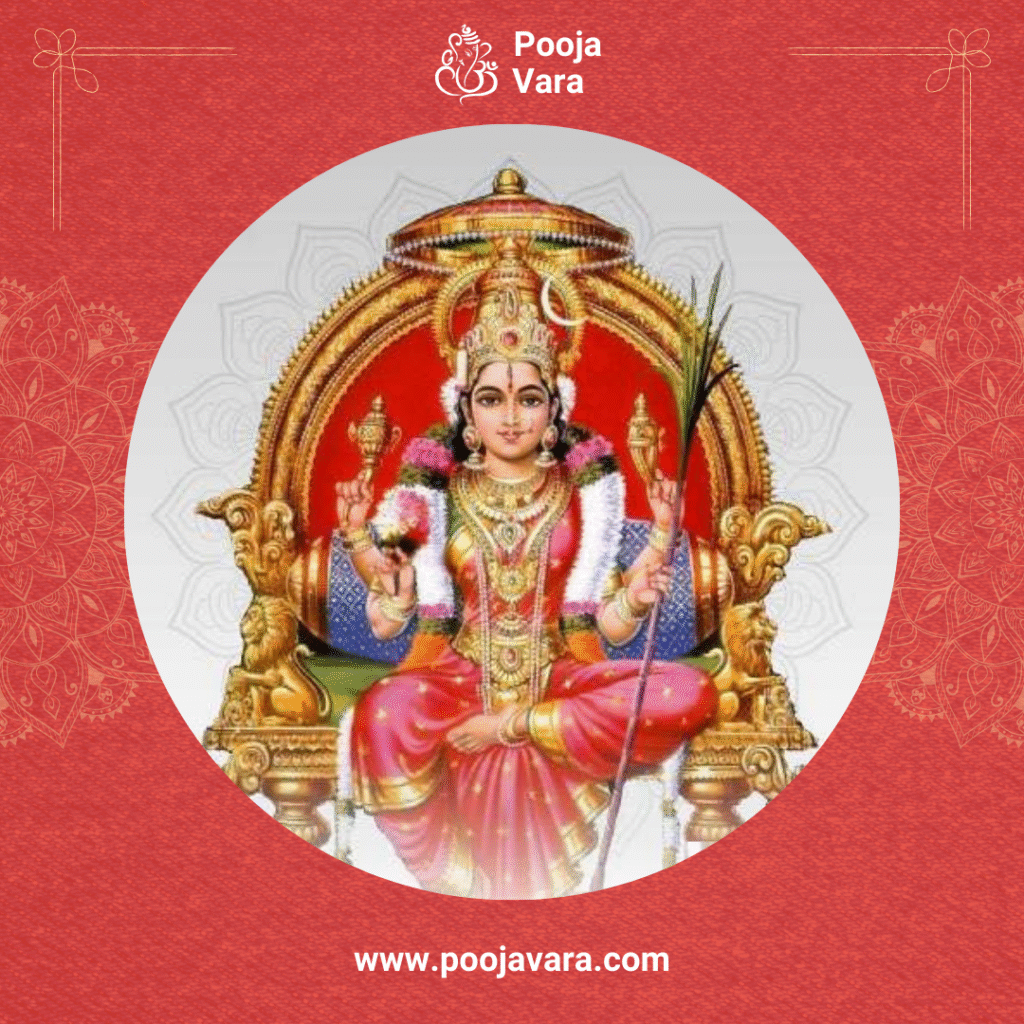
Lalitha Sahasranama Pooja is a form of Hindu worship dedicated to Goddess Lalitha Tripura Sundari, who represents the Divine Feminine and is associated with compassion, wisdom, spiritual power, and auspiciousness.
The term Lalitha Sahasranama refers to the thousand sacred names of Goddess Lalitha. These names are traditionally found in the Brahmanda Purana and form an important part of Sri Vidya devotional traditions.
Each name expresses a different divine quality, attribute, or aspect of the Goddess. Devotees recite or listen to these names as an act of devotion and remembrance.
The worship may involve chanting the Lalitha Sahasranama, offering flowers, performing archana, lighting lamps, and presenting traditional offerings.
Depending on the family tradition and the priest’s guidance, the ceremony may be performed as a simple home pooja or as part of a more elaborate ritual.
Devotees commonly perform this pooja to:
Express devotion to Goddess Lalitha Tripura Sundari.
Seek blessings for peace, harmony, and well-being.
Develop concentration and a regular spiritual practice.
Pray for prosperity and auspiciousness.
Celebrate religious festivals and important family occasions.
Participate in traditional worship with family members.
These are religious beliefs and devotional intentions rather than guaranteed outcomes. The experience and procedure can vary according to individual beliefs and traditions.
The Lalitha Sahasranama is an important devotional text in Shakta traditions, which focus on the worship of the Divine Mother.
Its thousand names describe the Goddess through different spiritual, symbolic, and devotional attributes. For many devotees, chanting the text is a way to cultivate devotion, reflect on divine qualities, and establish a peaceful atmosphere for prayer.
The recitation may be conducted individually, with family members, or under the guidance of a priest.
In some traditions, the worship also includes Lalitha Devi Archana, in which flowers or other prescribed offerings are presented while reciting the names of the Goddess.
Navratri is an important period for devotees of Goddess Durga and other forms of Shakti. Some families choose to perform Lalitha Sahasranama Pooja during Navratri as part of their devotional observances.
The pooja may also be arranged during Fridays, Purnima (full moon days), or other occasions considered auspicious by the family or their religious tradition.
There is no single schedule followed by every household. Devotees should consult their priest about the preferred date, procedure, and timing for their specific observance.
The exact procedure for Lalitha Sahasranama Pooja can differ according to the family’s tradition, the priest’s practice, and whether the ceremony is simple or elaborate.
The following steps describe a common structure for a traditional home pooja. Your priest may adapt the sequence to suit your requirements.
The pooja area is cleaned and arranged before the ceremony begins.
A clean altar or table may be prepared with an image or idol of Goddess Lalitha, a lamp, flowers, and other required materials.
Devotees may also arrange a clean cloth, a plate for offerings, and a suitable place for the priest to sit.
Sankalpam is the formal statement of intention before beginning the ritual.
Depending on the tradition, the priest may recite a sankalpam mentioning the occasion, the worshippers, and the purpose of the pooja.
This step establishes the devotional intention for the ceremony.
Some traditions begin with prayers to Lord Ganesha before proceeding with the main worship.
Ganapati Pooja is performed to seek blessings for an auspicious beginning and the smooth completion of the ritual.
Whether this is included as a separate step depends on the pooja procedure selected.
In ceremonies that include kalasha sthapana, a sacred pot is prepared according to the prescribed method.
The priest may perform the appropriate invocation and other preparatory rites before beginning the main worship of Goddess Lalitha.
The materials and sequence used for this step vary between traditions.
The main worship begins with prayers and the invocation of Goddess Lalitha according to the selected procedure.
The priest may offer flowers, kumkum, or other prescribed items while reciting appropriate mantras and names of the Goddess.
In Lalitha Devi Archana, the offerings are made as part of the devotional worship.
Lalitha Sahasranama Parayanam is the recitation of the thousand names of Goddess Lalitha.
It is a central part of the pooja when the ceremony specifically includes Lalitha Sahasranama chanting.
The recitation may be performed by the priest, the devotees, or both, depending on the arrangement.
If your family wants the complete text recited, confirm this with the priest when booking.
Naivedyam refers to food or other prescribed offerings presented to the Goddess as part of the ritual.
Depending on the tradition, offerings may include fruits, sweets, or other prepared items.
The pooja may conclude with aarti, prayers, and the distribution of prasadam among family members.
After the main rituals, the priest may provide instructions for completing the ceremony and distributing prasadam.
Families can ask questions about the ritual, recommended devotional practices, or any customary closing procedures.
Important: Not every Lalitha Sahasranama Pooja includes all the steps listed above. Confirm the exact procedure with your priest before the ceremony.
Lalitha Sahasranama Pooja is a meaningful devotional practice for worshipping Goddess Lalitha Tripura Sundari. Understanding the ritual procedure, preparing the necessary samagri, selecting an appropriate date, and finding a knowledgeable priest can help your family organize the ceremony with confidence.
Whether you plan a simple Lalitha Sahasranama recitation, Lalitha Devi Archana, or a more elaborate pooja, discuss your requirements with the priest before confirming the arrangements.
For families in Delhi, online pooja booking services can provide a convenient way to enquire about priest availability, ceremony requirements, and additional services.
Planning Lalitha Sahasranama Pooja in Delhi? Explore suitable pooja services, share your preferred date and ritual requirements, and book a priest who understands your family’s traditions.
May your worship be filled with devotion, peace, and auspiciousness.
