

The Maha Mrityunjaya Homam in Delhi is a sacred Hindu fire ritual dedicated to Lord Shiva, traditionally performed to seek blessings for health, peace, strength, protection, and spiritual well-being. Rooted in ancient Vedic traditions, this homam involves the chanting of the Maha Mrityunjaya Mantra and the offering of prescribed materials into a sacred fire under the guidance of a knowledgeable priest.
Families may arrange this ritual during challenging periods, on auspicious occasions, for personal spiritual practices, or as part of their regular religious observances. Whether you are planning the homam at home, in a temple, or at another suitable venue, understanding the ritual procedure and booking requirements can help you prepare with confidence.
If you are looking for Maha Mrityunjaya Homam services in Delhi, this guide explains the significance of the ritual, its traditional procedure, preparations, samagri requirements, priest selection, booking process, and important questions to ask before confirming your arrangements.
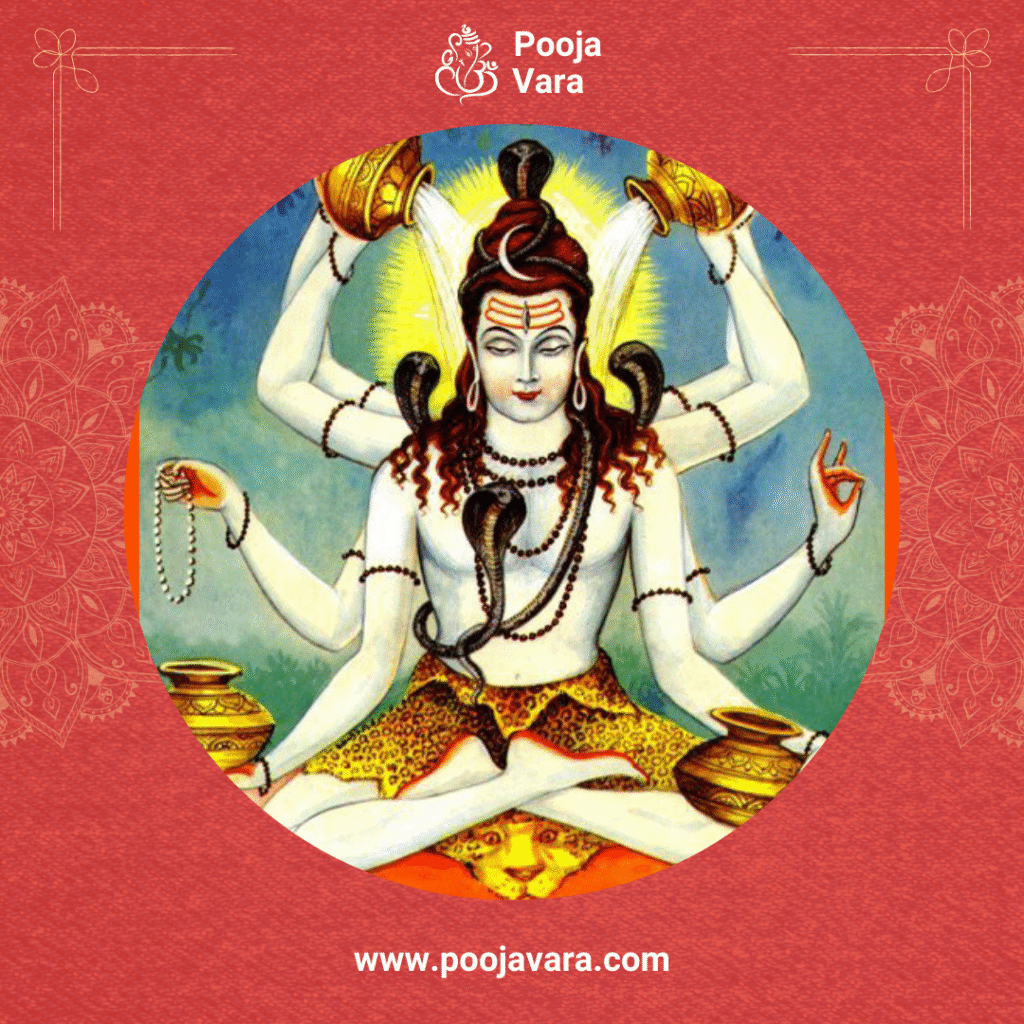
Maha Mrityunjaya Homam is a Vedic fire ritual dedicated to Lord Shiva and associated with the Maha Mrityunjaya Mantra, also known as the Tryambakam Mantra.
The mantra appears in the Rigveda (7.59.12) and is traditionally recited as a prayer for liberation, well-being, and freedom from the fear of death. In Hindu religious practice, devotees also associate its recitation with courage, inner peace, and spiritual strength during difficult times.
The homam combines mantra chanting with offerings into a sacred fire. A priest guides the ritual according to the selected tradition and the requirements of the family.
People searching for a Maha Mrityunjaya Homam in Delhi may be looking for a priest who can conduct the ceremony at a residence, temple, or other appropriate venue.
It is important to understand that this is a religious practice. Although devotees may perform the homam for blessings and emotional or spiritual support, it should not be considered a substitute for medical care or professional treatment.
Lord Shiva is worshipped in many Hindu traditions as a symbol of transformation, spiritual awareness, and liberation. The Maha Mrityunjaya Mantra is an important prayer associated with Shiva worship.
Many devotees perform Maha Mrityunjaya Homam as a prayer for health, recovery, strength, and well-being for themselves or their loved ones.
Families may arrange the ritual during periods of uncertainty or when they wish to pray for someone facing health challenges. Religious observances can provide comfort and a meaningful way to express faith, hope, and family support.
The chanting of Vedic mantras and participation in a traditional homam may help devotees focus their attention on prayer and reflection.
For many families, the ceremony provides an opportunity to gather, observe religious traditions, and seek spiritual strength.
In Hindu belief, devotees may perform this homam to seek Lord Shiva’s blessings and protection from difficulties, fear, and negative influences.
The specific intention and procedure should be discussed with the priest before the ceremony.
Some families arrange Maha Mrityunjaya Homam on auspicious days, during periods of personal difficulty, or as part of a larger Shiva-related religious observance.
The appropriate date, duration, mantra count, and ritual procedure can vary according to the family’s tradition and the priest’s guidance.
The Maha Mrityunjaya Mantra is the central prayer associated with this homam.
The mantra is traditionally recited as follows:
Om Tryambakam Yajamahe
Sugandhim Pushtivardhanam
Urvarukamiva Bandhanan
Mrityor Mukshiya Maamritat
The mantra is a prayer to the three-eyed Lord Shiva, asking for spiritual nourishment, liberation from bondage, and freedom from the fear of death, using the image of a ripe fruit separating naturally from its stem.
Devotees recite this mantra as an expression of faith and a prayer for peace, strength, and spiritual liberation.
During a Maha Mrityunjaya Homam, the priest may chant the mantra a prescribed number of times, depending on the ceremony being performed. The exact count and associated rituals should be confirmed before booking.
The procedure for a Maha Mrityunjaya Homam in Delhi may vary depending on the priest, Vedic tradition, family customs, and the scope of the ceremony. However, a traditional homam may include the following stages.
The ceremony begins with preparing and cleaning the designated ritual space.
The priest or family arranges the homam kund, puja materials, offerings, seating, and other necessary items. If the ceremony is conducted at home, the chosen area should have adequate ventilation and enough room for participants.
For apartment ceremonies, check any building rules concerning open flames, smoke, and fire safety before making arrangements.
Sankalpam is the formal declaration of the intention behind the ritual.
The priest may ask for details such as the name of the person or family performing the homam and the purpose of the ceremony. The exact procedure varies by tradition.
This step establishes the devotional intention with which the ceremony is performed.
Some ceremonies begin with Ganapati Puja to seek Lord Ganesha’s blessings before proceeding with the main ritual.
The priest performs the prescribed prayers and offerings according to the selected tradition.
Depending on the ritual format, the priest may establish a kalasha and perform preliminary prayers to invoke divine blessings.
Additional preparatory rituals may be included based on the family’s requirements and the priest’s prescribed procedure.
The priest proceeds with Shiva-related prayers and the chanting of the Maha Mrityunjaya Mantra.
The exact sequence of invocations, offerings, and accompanying mantras may differ between traditions. Discuss the intended procedure with the priest before the ceremony.
Mantra japa is an important component of the ritual.
The priest chants the Maha Mrityunjaya Mantra according to the agreed format. Depending on the ceremony, a particular repetition count may be prescribed.
If you have requested a specific japa count, confirm it in advance because it can influence the overall duration, preparation, and cost.
The priest prepares or maintains the sacred fire and offers the prescribed materials while chanting the appropriate mantras.
Offerings may include ghee, herbs, grains, or other ritual ingredients, depending on the tradition.
The homam should be performed with appropriate fire safety precautions, particularly in residential buildings.
Purnahuti is the concluding offering in a homam. It marks the completion of the principal fire ritual.
The priest may then perform concluding prayers, blessings, and other prescribed closing rites. Any additional rituals depend on the scope of the ceremony.
Important: Not every Maha Mrityunjaya Homam follows an identical sequence. Ask your priest to explain the planned procedure, duration, mantra count, and any additional ceremonies included in your booking.
Families may choose to perform this homam for different devotional reasons.
Common occasions include:
Praying for the well-being of a family member.
Seeking spiritual strength during a challenging period.
Observing an auspicious occasion dedicated to Lord Shiva.
Performing a religious ceremony recommended within the family’s tradition.
Organizing a special prayer at home or in a suitable religious venue.
Continuing a family tradition of Shiva worship.
Some devotees prefer to perform Shiva-related rituals on Mondays, during Maha Shivaratri, or on other dates they consider auspicious. The suitable date depends on the family’s preferences and the guidance they seek from their priest.
There is no single date that must be followed by every family. Confirm your preferred date and any muhurat requirements before arranging the ceremony.
Maha Mrityunjaya Homam is an important Shiva-related religious observance for devotees seeking spiritual strength, peace, and blessings for themselves and their families. Understanding the ritual procedure, preparing the required samagri, and selecting an experienced priest can help make the ceremony organized and meaningful.
If you are planning a Maha Mrityunjaya Homam in Delhi, begin by identifying your preferred date, venue, ritual requirements, and budget. Discuss the mantra japa count, ceremony duration, language, and samagri arrangements with the priest before confirming your booking.
Online puja booking services can simplify the process by helping you enquire about suitable priests and coordinate essential arrangements.
Planning Maha Mrityunjaya Homam in Delhi? Explore available homam services, discuss your requirements with a priest, and confirm your booking in advance to prepare for your ceremony with confidence.
