

Buying a new home is one of life’s most memorable milestones. Whether you have purchased your first apartment, moved into an independent house, or invested in a new property in Delhi NCR, entering your home marks the beginning of an exciting new chapter. For many Hindu families, performing a Grihapravesh Pooja in Delhi is an important tradition that welcomes positive beginnings and expresses gratitude for the new home.
Grihapravesh, also known as Griha Pravesh or Grihapravesham, is a Hindu housewarming ceremony performed when a family enters a new home. The ceremony may involve prayers to Lord Ganesha, Vastu-related rituals, offerings, and other traditional practices intended to invoke blessings for peace, prosperity, and well-being.
However, planning a Grihapravesh Pooja involves more than selecting an auspicious date. Homeowners must also consider the muhurat, find an experienced Hindu priest, arrange puja samagri, prepare the home, and coordinate the ceremony according to their family’s traditions.
If you are planning a Griha Pravesh ceremony in Delhi, this comprehensive guide explains the different types of Grihapravesh Pooja, how to choose an auspicious date, the essential preparations, the role of a priest, expected costs, and how to book puja services conveniently.
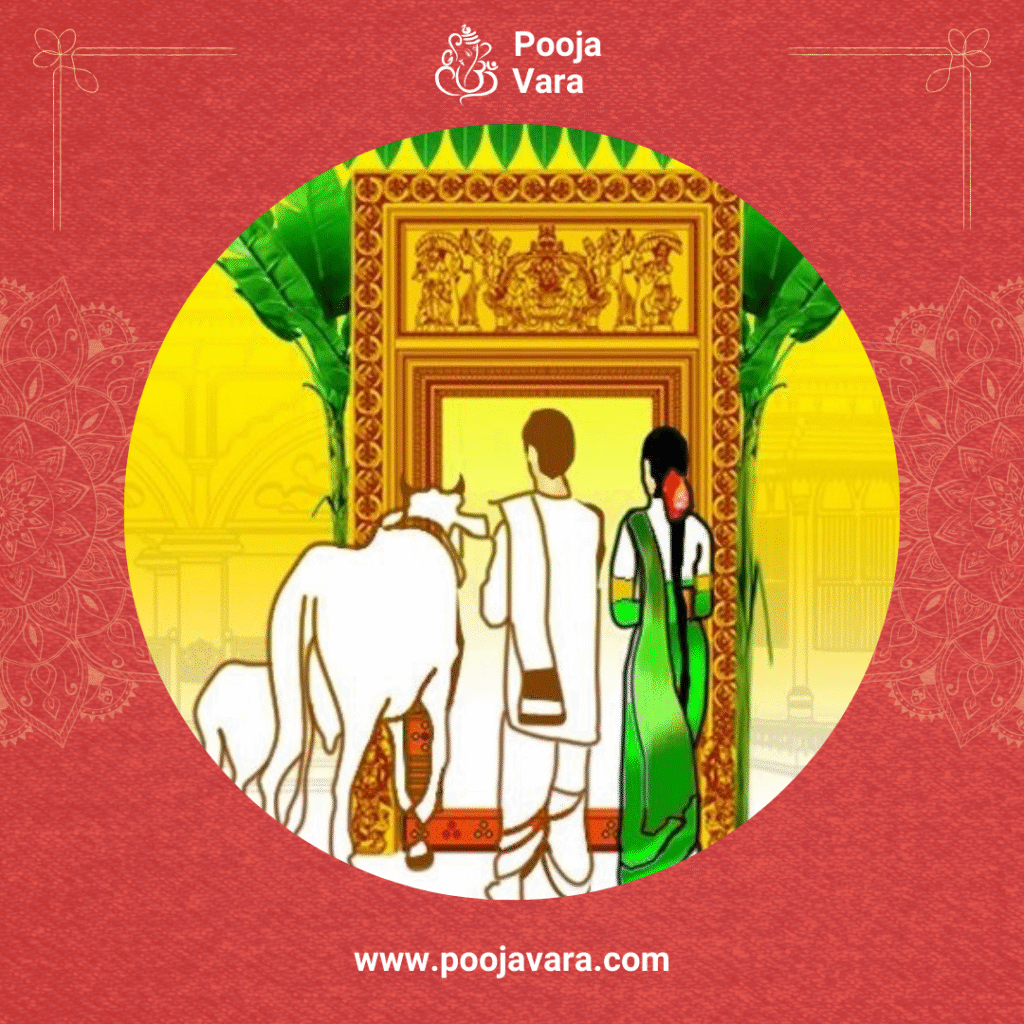
Grihapravesh Pooja is a traditional Hindu ceremony performed when entering a new home. The word Griha means home or house, while Pravesh means entering.
The ceremony is traditionally performed to seek divine blessings for the household and mark the beginning of life in a new residence.
Depending on regional customs and family traditions, a Grihapravesh Pooja may include:
Ganesh Pooja to seek blessings before beginning a new chapter.
Kalash Sthapana as part of the prescribed ritual.
Vastu Pooja or Vastu Shanti rituals.
Navagraha prayers, when required.
Havan or Homam, depending on the ceremony.
Traditional offerings, mantras, and prayers.
Blessings for the family and the new home.
The exact procedure can vary depending on the priest, the family’s sampradaya, and the type of Grihapravesh ceremony being performed.
For homeowners in Delhi, consulting an experienced priest before the ceremony helps clarify the appropriate rituals, required materials, and preparation.
A new home represents security, stability, family growth, and new opportunities. For many Hindu families, Grihapravesh Pooja gives this milestone a spiritual and cultural significance.
The ceremony marks the transition from owning or constructing a property to beginning life in the home. Families gather to offer prayers and celebrate the occasion together.
Many families perform Grihapravesh Pooja to seek blessings for harmony, happiness, prosperity, and well-being in their new residence.
The ceremony allows families to preserve customs passed down through generations. These traditions may include specific mantras, offerings, and rituals followed by their community.
Grihapravesh Pooja is also an opportunity to celebrate with relatives, friends, and neighbours. Some families arrange a meal or small gathering after completing the religious ceremony.
Hindu traditions describe different forms of Grihapravesh based on the circumstances surrounding the home and the family’s religious practices.
Apoorva Grihapravesh is generally associated with entering a newly constructed house or a new residence for the first time.
Homeowners may choose this ceremony when moving into a newly built independent house, villa, or apartment.
Sapoorva Grihapravesh is associated with entering a previously occupied home, such as a purchased property that has had earlier residents.
The specific rituals depend on the family’s traditions and the priest’s guidance.
Dwandwah Grihapravesh is traditionally associated with returning to a home after an extended absence or after circumstances that required the family to leave the residence.
The applicability and procedure of this ceremony may vary according to regional traditions. Consult a knowledgeable priest to determine which ceremony is appropriate for your circumstances.
For most new homeowners in Delhi, the priest can help identify the relevant form of Grihapravesh Pooja based on the property’s history and the family’s customs.
Choosing a suitable date and time, commonly called the muhurat, is one of the most important steps in planning the ceremony.
Many Hindu families consult a priest or Panchang to identify an auspicious time based on traditional astrological considerations.
Depending on the family’s tradition, a priest may consider:
The Hindu lunar calendar and tithi.
The nakshatra.
The weekday.
The preferred timing for the ceremony.
Relevant astrological considerations.
Family customs and specific ritual requirements.
Some families also consult their horoscope or seek guidance from a family priest.
It is advisable to discuss the date with your priest well before the planned move-in.
This is especially helpful when moving into a newly constructed apartment or villa in Delhi NCR, where possession dates, interior work, and relocation schedules may affect the ceremony.
Important: There is no single auspicious date that is suitable for every family or every year. Ask your chosen priest to confirm the appropriate muhurat for your specific ceremony. Avoid relying on a generic online date without checking whether it suits your requirements.
Although the exact procedure differs between traditions, a typical Grihapravesh ceremony may include the following stages.
Before the ceremony, clean the home and prepare the designated prayer area.
Complete any essential construction, electrical, plumbing, and interior work that could interfere with the rituals. If the property is in an apartment complex, check any building rules relating to fire, smoke, and common areas.
Set aside a suitable location for the priest to conduct the ceremony.
Depending on the ritual, you may need a clean platform, puja vessels, flowers, fruits, lamps, and other traditional items.
Many ceremonies begin with prayers to Lord Ganesha, who is traditionally worshipped before important undertakings.
The priest performs the prescribed rituals and guides family members through the required offerings.
Kalash Sthapana may form part of the ceremony. A kalash is a ritual vessel prepared according to the priest’s instructions.
The materials and procedure can differ according to the tradition being followed.
Some families include Vastu-related prayers as part of their Grihapravesh ceremony.
The priest can explain whether Vastu Pooja or a more elaborate Vastu Shanti ritual is appropriate for the occasion.
Some Grihapravesh ceremonies include a sacred fire ritual.
If you plan to conduct a havan in a Delhi apartment, confirm whether it is permitted at the property and whether suitable ventilation and fire-safety arrangements are available. The priest should also be informed about any restrictions imposed by the apartment association.
The ceremony concludes with the prescribed offerings, prayers, and blessings.
Families may then begin using the home according to their traditions and celebrate the occasion with relatives and friends.
Remember that not every Grihapravesh Pooja follows the same sequence. Confirm the complete procedure with your priest in advance.
Preparing the required puja samagri beforehand can help prevent last-minute difficulties.
The exact list depends on the ceremony and the priest’s instructions, but commonly requested items may include:
Category | Examples |
|---|---|
Flowers and leaves | Fresh flowers, mango leaves, garlands |
Grains and offerings | Rice, fruits, coconuts |
Traditional powders | Turmeric, kumkum, sandalwood |
Puja vessels | Kalash, plates, bowls, spoons |
Lighting materials | Oil or ghee, cotton wicks, lamps |
Havan materials | Havan samagri, ghee, wood or approved fuel |
Other essentials | Incense, camphor, betel leaves, betel nuts |
Some ceremonies may require additional materials, specific offerings, or items prepared according to regional customs.
Before purchasing anything, ask your priest for a complete list. If you prefer a convenient arrangement, enquire whether the booking service provides a Grihapravesh Pooja package with puja samagri.
Finding a suitable priest is one of the most important parts of the planning process.
Start by contacting relatives, friends, neighbours, or members of your community who have recently performed a housewarming ceremony.
Personal recommendations can help you identify priests who are familiar with the rituals you require.
Online search platforms can help you discover providers offering Grihapravesh Pooja services in Delhi.
You can use search phrases such as:
Grihapravesh Pooja in Delhi
Griha Pravesh priest in Delhi
Pandit for housewarming ceremony in Delhi
Online pandit booking in Delhi
Vastu Shanti Pooja in Delhi
Puja services in Delhi
Hindu priest for new home puja
Compare the information provided and confirm that the service covers your specific location.
Ask whether the priest regularly conducts Grihapravesh ceremonies and whether they can perform the rituals according to your family tradition.
If you prefer a particular language, such as Hindi, Sanskrit, Tamil, or Telugu, confirm this before making a booking.
Explain whether you need only the basic Grihapravesh Pooja or additional rituals such as Vastu Shanti, Ganesh Pooja, Navagraha Pooja, or Havan.
This allows the priest to estimate the required time and materials more accurately.
Before confirming, obtain details of the date, muhurat, location, fees, samagri, travel expenses, and cancellation policy.
Request written confirmation so both parties have a clear understanding of the arrangements.
Moving into a new home is an important milestone, and Grihapravesh Pooja allows many Hindu families to celebrate it according to their religious beliefs and traditions.
From choosing an appropriate muhurat to arranging puja samagri and booking a knowledgeable priest, every stage of preparation contributes to a well-organized ceremony.
If you are planning a Grihapravesh Pooja in Delhi, begin by identifying the rituals you need, discussing the date with your priest, and preparing a clear checklist of the required materials. Confirm the fees and service inclusions before booking, and make sure the ceremony suits your family’s customs and the practical requirements of your new home.
Online puja booking services can make these arrangements more convenient by helping you enquire about priests and coordinate the ceremony’s requirements.
Ready to begin your new chapter? Explore Grihapravesh Pooja services in Delhi, discuss your ceremony requirements with an experienced priest, and arrange your booking in advance for a smooth and meaningful housewarming ceremony.
