

Chandi Homam is a powerful Hindu fire ritual dedicated to Goddess Chandi, a fierce and benevolent manifestation of Goddess Durga. Performed with sacred mantras, offerings, and traditional Vedic procedures, this homam is associated with divine protection, courage, prosperity, and the removal of obstacles. For devotees seeking spiritual strength and the blessings of the Divine Mother, performing Chandi Homam in Delhi can be a meaningful way to observe their religious traditions.
Whether you are planning Chandi Homam for your family, seeking blessings during a difficult period, celebrating an auspicious occasion, or arranging a special Navratri ritual, understanding the ceremony beforehand can help you prepare with confidence.
Delhi is home to families from diverse Hindu traditions, and devotees may prefer a priest who understands their regional customs, language, and preferred method of worship. Finding an experienced priest, selecting an appropriate date, arranging the required puja samagri, and understanding the ritual procedure are important steps when organizing this sacred ceremony.
In this complete guide, we explain the significance of Chandi Homam, its traditional rituals, the benefits devotees associate with it, how to prepare for the ceremony, and how to find and book a priest for Chandi Homam in Delhi.
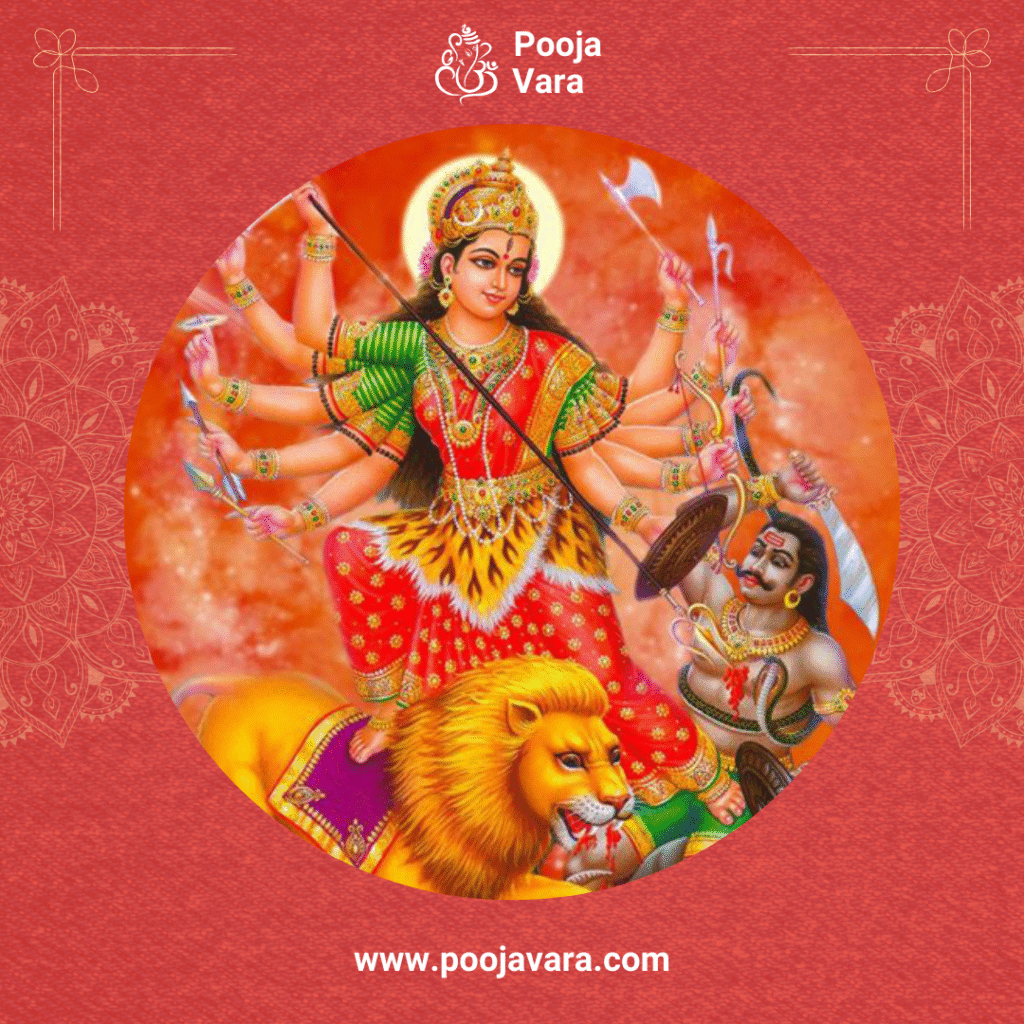
Chandi Homam, also known as Chandi Havan, is a Hindu fire ritual dedicated to Goddess Chandi, a powerful form of the Divine Mother associated with Goddess Durga and Shakti.
The ceremony generally involves the recitation of sacred texts and mantras, offerings into a consecrated fire, and prayers seeking the blessings of the Goddess. Depending on the tradition followed, the ritual may include the recitation of the Durga Saptashati, also known as the Devi Mahatmyam, which describes the divine power of Goddess Durga and her victories over forces representing evil and disorder.
The homam is performed by a qualified priest according to the chosen ritual tradition. The exact procedure, duration, mantras, and offerings may vary depending on the family’s customs and the form of Chandi Homam being performed.
Devotees traditionally perform this homam to express gratitude, seek divine grace, cultivate courage, and pray for peace and well-being.
For families in Delhi, arranging Chandi Homam at home or another suitable venue can provide an opportunity to participate in this sacred tradition together.
Goddess Chandi represents the strength of the Divine Mother and the triumph of righteousness over negative forces. Worshipping her is an important part of Shakta traditions, in which the Goddess is revered as the supreme divine power.
Chandi Homam holds significance for several reasons.
Chandi Homam is dedicated to the divine feminine energy believed to sustain and protect the universe. Through prayers and offerings, devotees seek the blessings of Goddess Chandi for strength, wisdom, and spiritual development.
The stories associated with Goddess Durga describe her victory over powerful adversaries. For devotees, these stories symbolize the ability to confront fear, overcome difficulties, and stand firm in the face of challenges.
Performing Chandi Homam is therefore traditionally associated with prayers for protection, resilience, and courage.
Fire occupies an important place in Hindu rituals. During a homam, offerings are made into the sacred fire while mantras are recited.
The ceremony symbolizes devotion, purification, and the offering of one’s prayers to the divine. Devotees may also use the occasion for reflection, gratitude, and renewed spiritual commitment.
Families may arrange Chandi Homam to pray for harmony, peace, prosperity, and the well-being of their household.
The ceremony can also serve as a collective act of devotion, bringing family members together to participate in traditional worship.
Chandi Homam is often associated with Navratri and other occasions dedicated to Goddess Durga. Some devotees also arrange the ritual for personal milestones, family observances, or other occasions considered important in their tradition.
The appropriate date and procedure should be discussed with the priest conducting the ceremony.
Chandi Homam may be performed on various occasions, depending on the family’s religious beliefs, regional customs, and the guidance of their priest.
Navratri is one of the most significant periods for worshipping Goddess Durga. Some devotees arrange Chandi Homam during Navratri to offer prayers to the Goddess and observe the festival through traditional rituals.
Families who worship Goddess Durga may perform Chandi Homam as part of their religious observances. The exact ceremony and its place within the broader celebration depend on the tradition being followed.
Some families arrange the homam to mark an important personal milestone or to offer prayers for their household’s well-being.
Devotees may consult a knowledgeable priest about performing Chandi Homam during a personally significant period. The priest can explain the traditional procedure and help determine an appropriate date.
Which date is best for Chandi Homam in Delhi? There is no single date suitable for every family or tradition. Consult your priest about the tithi, nakshatra, muhurat, and any specific observances relevant to your ceremony.
Chandi Homam is a meaningful Hindu ritual dedicated to Goddess Chandi, symbolizing divine strength, courage, protection, and the victory of righteousness. For devotees, the ceremony provides an opportunity to express faith, participate in sacred traditions, and pray for the well-being of their families.
If you are planning Chandi Homam in Delhi, start by understanding the ritual you want to perform, choosing a suitable date, and finding a priest familiar with your preferred tradition. Confirm the ceremony procedure, mantra recitations, samagri requirements, venue arrangements, and total cost before booking.
Preparing in advance can help you organize the ceremony smoothly and allow your family to participate with greater confidence and peace of mind.
Planning to perform Chandi Homam in Delhi? Explore suitable puja services, discuss your requirements with an experienced priest, and arrange your ceremony in advance.
May your prayers be an occasion for devotion, courage, peace, and spiritual growth.
