poojavara.com

Affordable Pooja Services in Mumbai – Book Verified Pandits Online

Affordable Pooja Services in Mumbai – Book Verified Pandits Online

In a bustling city like Mumbai, balancing work, family, and personal commitments often leaves little time to organize traditional religious ceremonies. Whether it’s a Griha Pravesh Pooja, Satyanarayan Katha, Ganesh Pooja, Lakshmi Pooja, or Navagraha Shanti, finding a knowledgeable and trustworthy priest at the right time can be challenging.

That’s where Pooja Services in Mumbai make a difference. Today, you can easily book experienced and verified Pandits online who perform authentic Vedic rituals according to your traditions, language, and preferred muhurat. From small home ceremonies to large-scale religious events, online pooja booking platforms have made spiritual services more accessible, affordable, and hassle-free.

In this comprehensive guide, you’ll learn everything about booking Pooja Services in Mumbai, the benefits of hiring verified Pandits, available rituals, pricing, and tips for choosing the right priest for your spiritual needs.

Ayudha Pooja

Why Choose Professional Pooja Services in Mumbai?

Religious ceremonies hold immense importance in Hindu culture. Every ritual is performed with specific mantras, procedures, and traditions that require proper knowledge.

Choosing professional Pooja Services in Mumbai ensures that every ceremony is conducted according to authentic Vedic scriptures without compromising religious customs.

Some major benefits include:

  • Verified and experienced Vedic Pandits
  • Affordable pricing with transparent charges
  • Online booking from anywhere
  • Multiple language options (Hindi, Marathi, Sanskrit, Telugu, Tamil, Kannada, Gujarati, etc.)
  • Doorstep pooja services
  • Flexible scheduling based on auspicious Muhurat
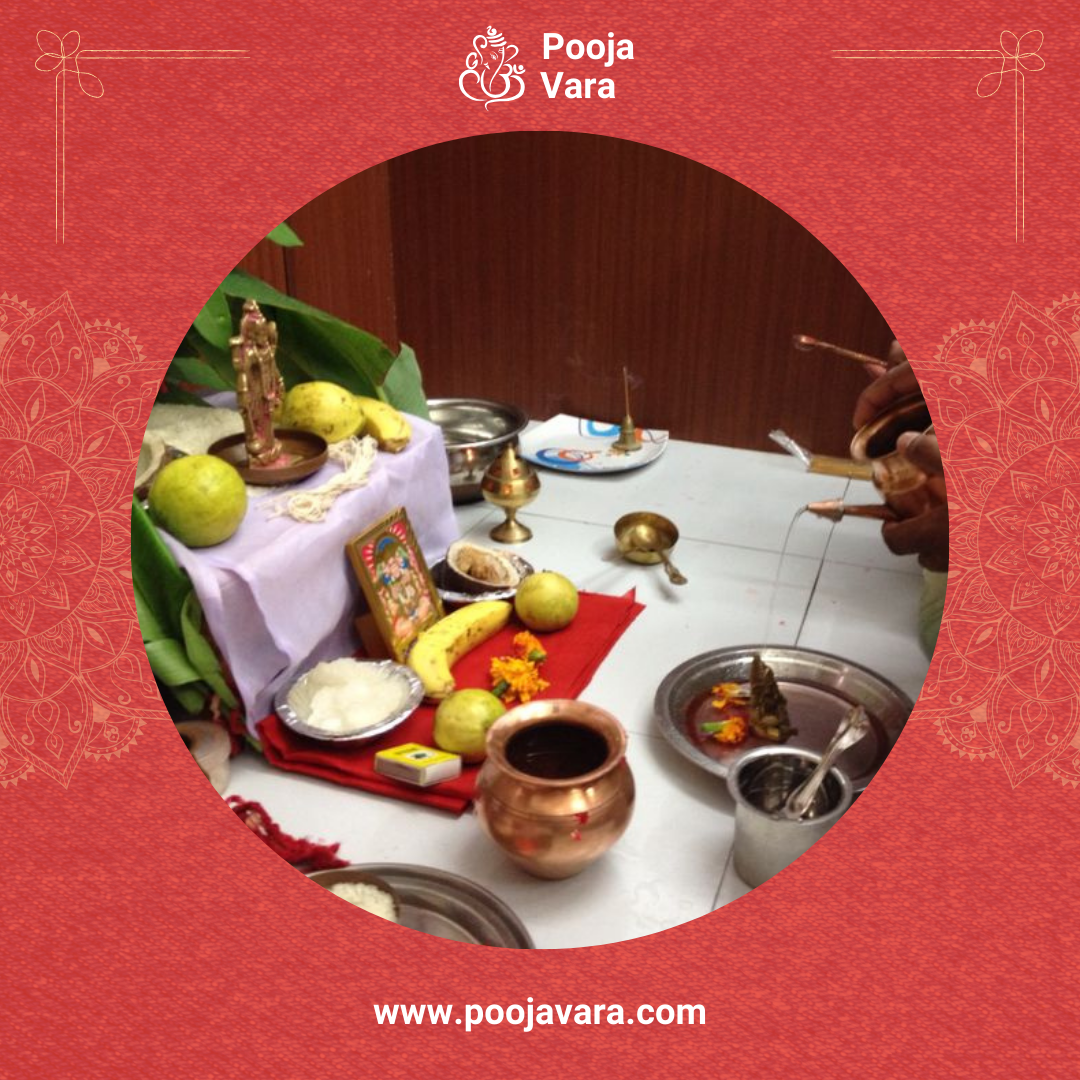
  • Complete pooja samagri assistance
  • Personalized rituals for every family tradition

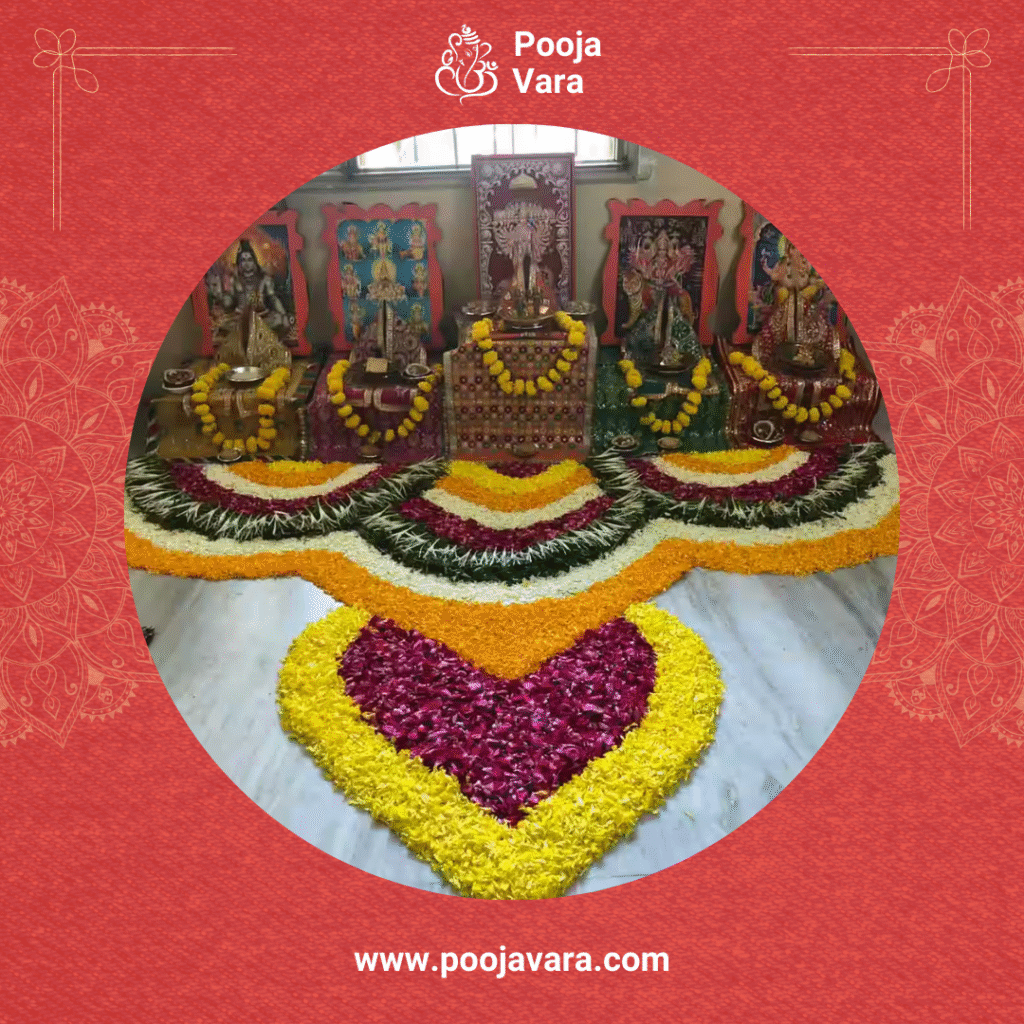
Whether you’re living in South Mumbai, Navi Mumbai, Thane, Borivali, Andheri, Powai, or Mira Road, professional Pandits can reach your location conveniently.

Types of Pooja Services Available in Mumbai

Professional Pandits perform a wide range of Hindu rituals for different occasions.

Griha Pravesh Pooja

One of the most commonly booked ceremonies after purchasing or renting a new home. It seeks divine blessings for prosperity, peace, and protection from negative energies.

Satyanarayan Pooja

Performed for happiness, family well-being, financial stability, and fulfillment of wishes. This pooja is ideal after marriage, new business openings, birthdays, anniversaries, or housewarming ceremonies.

Ganesh Pooja

Lord Ganesha is worshipped before every auspicious occasion to remove obstacles and bless new beginnings.

Lakshmi Kubera Pooja

Ideal for business owners and families seeking wealth, abundance, and financial growth.

Navagraha Shanti Pooja

Performed to reduce the adverse effects of planetary positions and improve health, career, relationships, and finances.

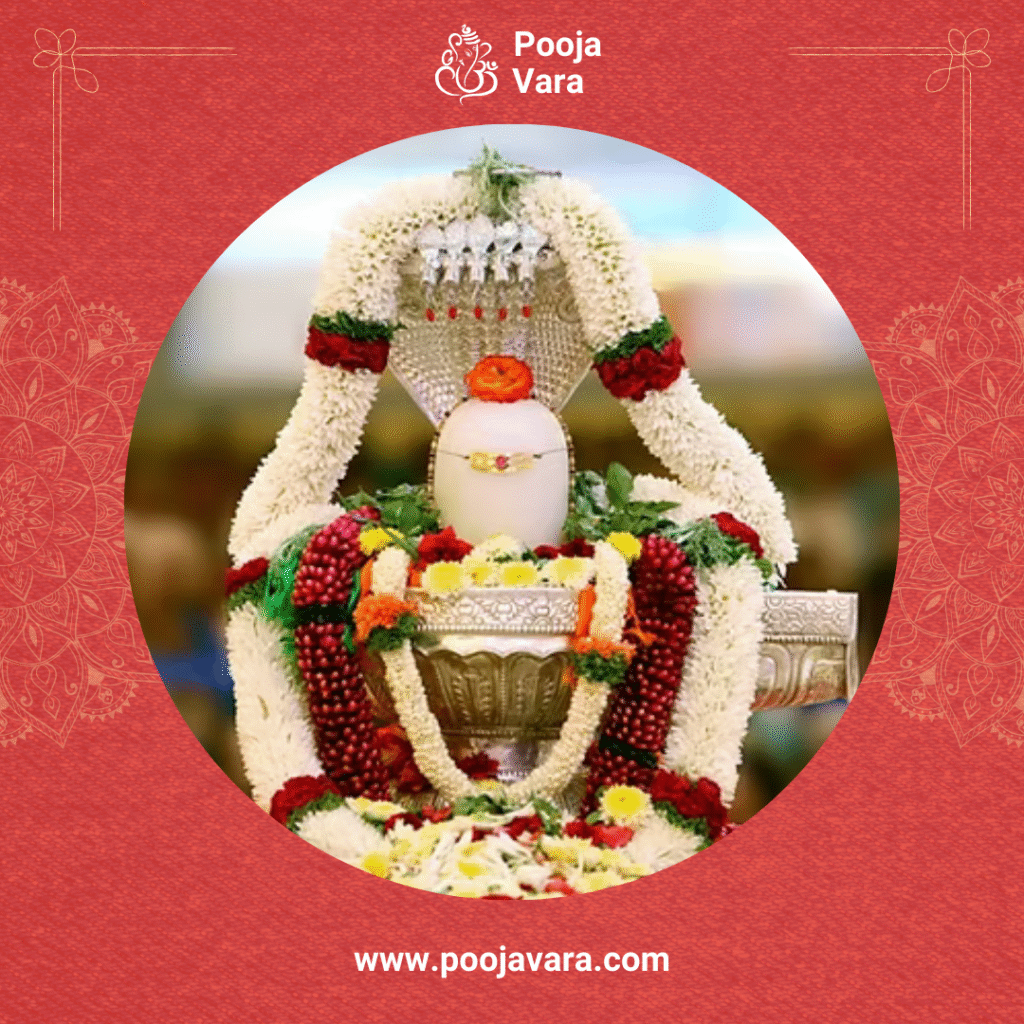
Rudrabhishekam

Dedicated to Lord Shiva, this powerful ritual brings spiritual growth, health, and protection.

Ayush Homam

Conducted especially for children’s birthdays to seek good health, long life, and protection.

Vastu Pooja

Recommended before entering a new home, office, shop, or commercial property to eliminate Vastu doshas.

Vehicle Pooja

Performed after purchasing a new car, bike, truck, or commercial vehicle to seek safe journeys and prosperity.

Marriage & Wedding Rituals

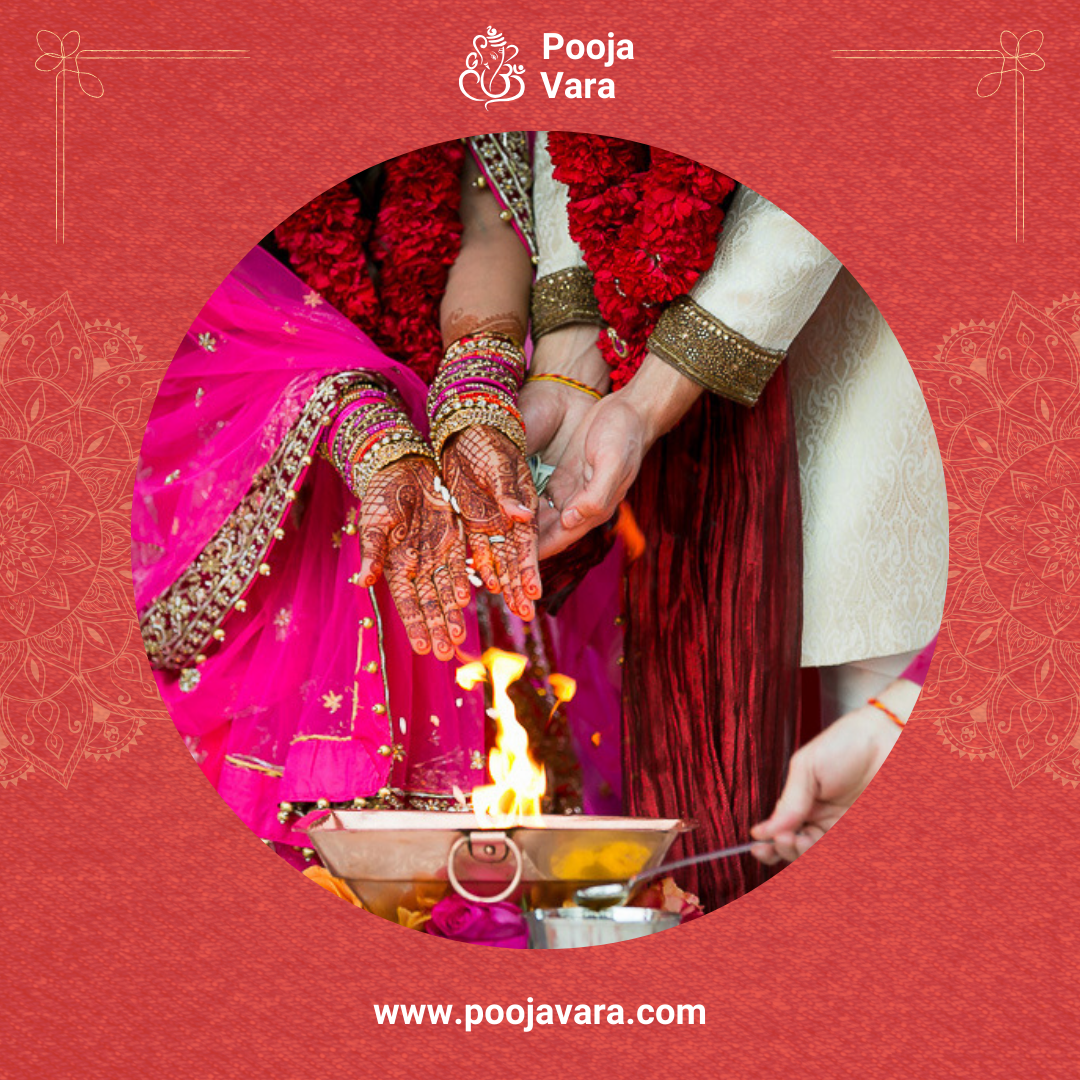
Experienced priests conduct complete Hindu marriage ceremonies according to regional traditions and customs.

Why Book Verified Pandits Online?

Finding a qualified Pandit through personal references isn’t always easy. Online platforms simplify the process by offering verified and experienced priests.

Benefits include:
1. Verified Experience

Only trained and knowledgeable Vedic priests perform the rituals.

2. Easy Online Booking

Book your preferred pooja in just a few clicks without visiting multiple temples.

3. Transparent Pricing

No hidden charges or unexpected costs.

4. Language Preference

Choose a priest who can conduct the ceremony in:

  • Hindi
  • Marathi
  • Telugu
  • Tamil
  • Kannada
  • Gujarati
  • Sanskrit
  • English
5. Samagri Assistance

Many service providers also arrange complete pooja materials.

6. Timely Arrival

Professional scheduling ensures priests arrive before the Muhurat.

Affordable Pooja Services in Mumbai

One of the biggest misconceptions is that hiring professional priests is expensive.

Today, Pooja Services in Mumbai are available at affordable rates depending on:

  • Type of pooja
  • Duration of ritual
  • Number of priests required
  • Homam or Havan inclusion
  • Location within Mumbai
  • Samagri requirements

Many online platforms offer customized packages suitable for every budget.

How to Book Pooja Services in Mumbai Online

Booking a priest online is a straightforward process.

Step 1

Choose your required pooja.

Step 2

Select your preferred date and Muhurat.

Step 3

Provide your address and contact details.

Step 4

Choose your preferred language.

Step 5

Receive confirmation from the assigned priest.

Step 6

The Pujari arrives on time and performs the ceremony according to Vedic traditions.

Conclusion

Performing sacred rituals with the guidance of an experienced priest brings spiritual peace, positive energy, and divine blessings. Thanks to modern technology, booking Pooja Services in Mumbai has become easier than ever. Verified online Pandits provide authentic Vedic ceremonies, transparent pricing, and convenient doorstep services, ensuring your family can celebrate every auspicious occasion with devotion and confidence.

Whether you’re planning a Griha Pravesh, Satyanarayan Pooja, Lakshmi Pooja, or a festival celebration, choosing a trusted online platform ensures your rituals are performed with precision, tradition, and care.

Book Your Pooja Today

Looking for reliable and affordable Pooja Services in Mumbai?

Book experienced, verified Pandits online and perform your sacred ceremonies with complete peace of mind. Choose your preferred pooja, language, and muhurat, and let expert Vedic priests bring divine blessings to your home.

FAQs

You can book online by selecting the pooja, choosing your preferred date, entering your location, and confirming your booking with a verified Pandit.

Yes. Professional pooja service providers work with experienced and verified Vedic priests who perform authentic rituals according to Hindu traditions.

Many providers offer complete pooja samagri packages. You can confirm this while booking.

Yes. Most online platforms allow you to choose priests who speak Hindi, Marathi, Telugu, Tamil, Kannada, Gujarati, Sanskrit, or English.

Yes. Most services offer transparent and budget-friendly pricing with customizable packages based on your requirements.

Book a Verified Pujari in Mumbai Online – Trusted Pandits for Every Hindu Ritual

Book a Verified Pujari in Mumbai Online – Trusted Pandits for Every Hindu Ritual

Mumbai is a city where tradition and modern living go hand in hand. From celebrating Ganesh Chaturthi with great devotion to performing Griha Pravesh ceremonies in newly purchased homes, Hindu rituals remain an essential part of life for millions of families. However, finding a verified Pujari in Mumbai who is knowledgeable, experienced, and available on your preferred date can often be a challenge.

With the convenience of online booking, you can now book a verified Pujari in Mumbai online without spending hours searching through contacts or relying on word-of-mouth recommendations. Whether you need a Pandit for a housewarming ceremony, Satyanarayan Katha, wedding, Lakshmi Pooja, Rudrabhishekam, or any other religious ceremony, professional online Pujari services make the process simple, reliable, and hassle-free.

In this guide, you’ll learn why booking a Pujari in Mumbai online is the best option, the services offered, how the booking process works, and what to look for when selecting a qualified priest.

Ayudha Pooja

Why Book a Verified Pujari in Mumbai?

Religious ceremonies are sacred occasions that deserve proper guidance and authentic Vedic rituals. A verified Pujari ensures every ritual is performed according to Hindu scriptures and traditions.

Choosing a professional Pujari in Mumbai offers several advantages:

  • Experienced in Vedic rituals and traditions
  • Verified identity and background
  • Fluent in Sanskrit, Hindi, Marathi, Telugu, Tamil, Kannada, and other regional languages
  • Punctual and professional
  • Transparent pricing
  • Available for home, temple, office, and online ceremonies
  • Guidance before, during, and after the pooja

Instead of worrying about arranging everything yourself, a verified priest helps make your ceremony peaceful and spiritually fulfilling.

Why Online Pujari Booking is Becoming Popular

Today’s busy lifestyle makes it difficult to find reliable priests through traditional methods. Online booking platforms have simplified the process by allowing devotees to choose experienced Pandits based on their requirements.

Benefits include:

Quick Booking

Reserve a priest within minutes from your mobile or computer.

Verified Priests

Only experienced and background-verified Pandits are listed.

Language Preferences

Choose priests who can conduct rituals in:

  • Hindi
  • Marathi
  • Sanskrit
  • Telugu
  • Tamil
  • Kannada
  • Gujarati
  • Bengali

Flexible Scheduling

Book ceremonies according to your preferred date and Muhurat.

Complete Ritual Assistance

Many services also help arrange:

  • Pooja Samagri
  • Kalash
  • Flowers
  • Prasad
  • Havan materials

Hindu Poojas You Can Book in Mumbai

A professional Pujari in Mumbai can perform almost every Hindu ritual.

Griha Pravesh Pooja
Satyanarayan Pooja
Ganesh Pooja
Lakshmi Pooja
Rudrabhishekam
Navagraha Pooja
Vastu Shanti Pooja
Wedding Ceremonies
Annaprashan Ceremony
Namkaran Ceremony
Mundan Ceremony
Ayush Homam
Shraddha & Pitru Pooja

Areas Covered by Pujari Services in Mumbai

Verified Pujaris are available across Mumbai, including:

  • Andheri
  • Bandra
  • Borivali
  • Dadar
  • Chembur
  • Ghatkopar
  • Powai
  • Kandivali
  • Malad
  • Mulund
  • Navi Mumbai
  • Thane
  • Vashi
  • Kharghar
  • Panvel
  • Mira Road
  • Goregaon
  • Bhandup
  • Kurla
  • Santacruz

No matter where you are located, online booking makes finding a trusted Pujari in Mumbai convenient.

How to Book a Pujari in Mumbai Online

Booking a priest online is a straightforward process.

Step 1

Choose your required pooja.

Step 2

Select your preferred date and Muhurat.

Step 3

Provide your address and contact details.

Step 4

Choose your preferred language.

Step 5

Receive confirmation from the assigned priest.

Step 6

The Pujari arrives on time and performs the ceremony according to Vedic traditions.

Conclusion

Booking a verified Pujari in Mumbai online is the easiest and most reliable way to ensure your Hindu rituals are performed with authenticity, devotion, and convenience. Whether you’re organizing a Griha Pravesh, Satyanarayan Pooja, Ganesh Pooja, Wedding Ceremony, Lakshmi Pooja, or any other sacred ritual, choosing an experienced priest helps make your spiritual occasion truly meaningful.

With Poojavara, you gain access to verified Vedic Pujaris, flexible scheduling, multilingual support, and dependable service across Mumbai. Skip the uncertainty of finding a priest through informal channels and enjoy a seamless booking experience for every important occasion.

Book your trusted Pujari in Mumbai today with Poojavara and perform your next pooja with confidence, tradition, and peace of mind.

FAQs

You can book a verified Pujari online by selecting your preferred pooja, choosing a date and time, sharing your location, and confirming the booking through a trusted platform like Poojavara.

You can book Griha Pravesh, Satyanarayan Pooja, Ganesh Pooja, Lakshmi Pooja, Rudrabhishekam, Navagraha Pooja, Wedding rituals, Namkaran, Annaprashan, Shraddha, Vastu Shanti, and many other Hindu ceremonies.

Yes. Verified Pujaris are experienced priests whose identity, experience, and ritual knowledge are checked before they are listed on the platform.

Yes. You can choose a Pujari who conducts rituals in Hindi, Marathi, Sanskrit, Telugu, Tamil, Kannada, Gujarati, Bengali, and other regional languages, depending on availability.

Many Pujari services offer assistance with arranging pooja samagri, flowers, havan materials, kalash, and other essentials. You should confirm this while booking.

What is Ayudha Pooja? Complete Meaning, History & Significance

What is Ayudha Pooja? Complete Meaning, History & Significance

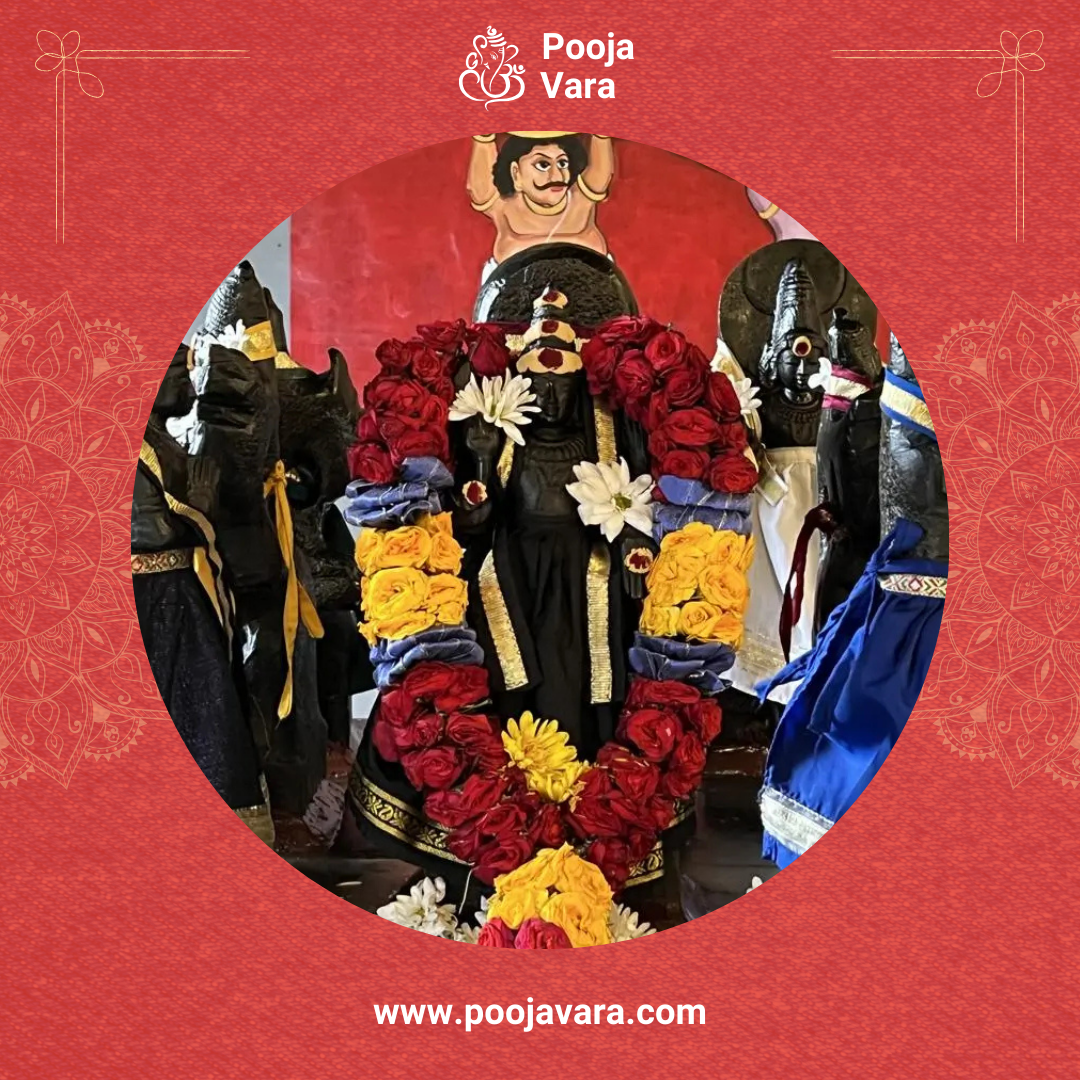
Ayudha Pooja is one of the most auspicious Hindu festivals celebrated across India, especially in South India. It is a unique tradition where tools, instruments, vehicles, machines, weapons, and even books are cleaned and worshipped to express gratitude toward work and knowledge. Ayudha Pooja falls on the ninth day of Navratri, also known as Maha Navami, and marks the victory of good over evil.

The purpose of this sacred festival is to honor the tools that support our livelihood and success. From farmers worshipping their plows to students honoring their books, and businesses decorating their equipment—Ayudha Pooja reminds us that work is worship and every tool has divine energy.

In this blog, we will explore:

  • The meaning and origin of Ayudha Pooja

  • Its mythological significance

  • Regional rituals and celebrations

  • Modern-day practices

  • Benefits and symbolism of the festival

Ayudha Pooja

Meaning of Ayudha Pooja

The word “Ayudha” means weapons or tools, and “Pooja” means worship. Therefore, Ayudha Pooja literally means the worship of tools and instruments.

Traditionally, weapons used in battle were worshipped, symbolizing strength, protection, and victory. Today, the meaning has expanded to include all tools that help individuals perform their duties or earn a livelihood. Some examples include:

  • Vehicles (cars, bikes, trucks)

  • Agricultural tools (plough, sickle, tractor)

  • Office tools (laptops, printers, machines)

  • Musical instruments

  • Household tools

  • Books and educational materials

Ayudha Pooja also symbolizes respect, discipline, and gratitude toward work and technology.

History & Mythological Background of Ayudha Pooja

Ayudha Pooja is deeply connected to Hindu mythology and the legends of Goddess Durga and Lord Rama.

1. Association with Goddess Durga

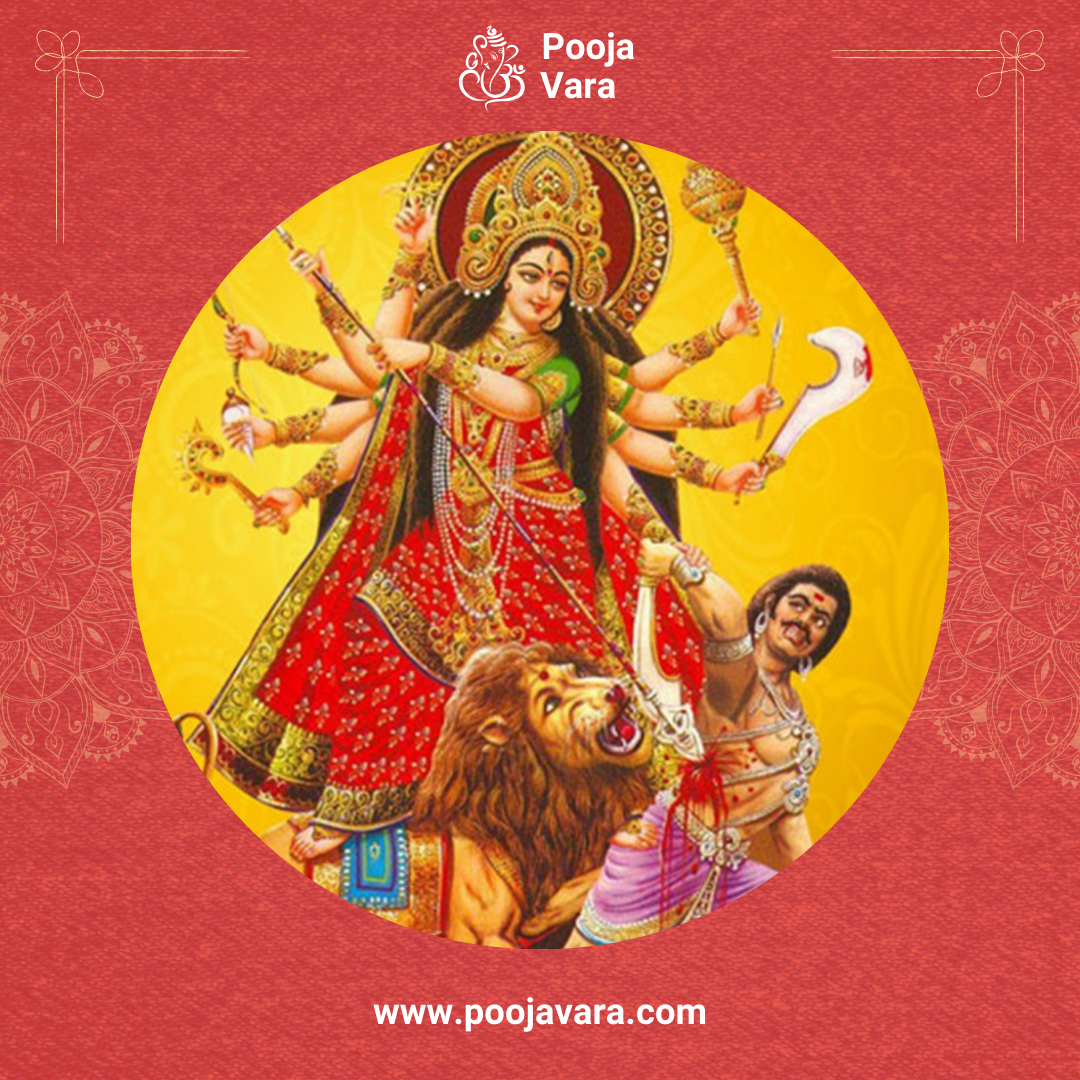
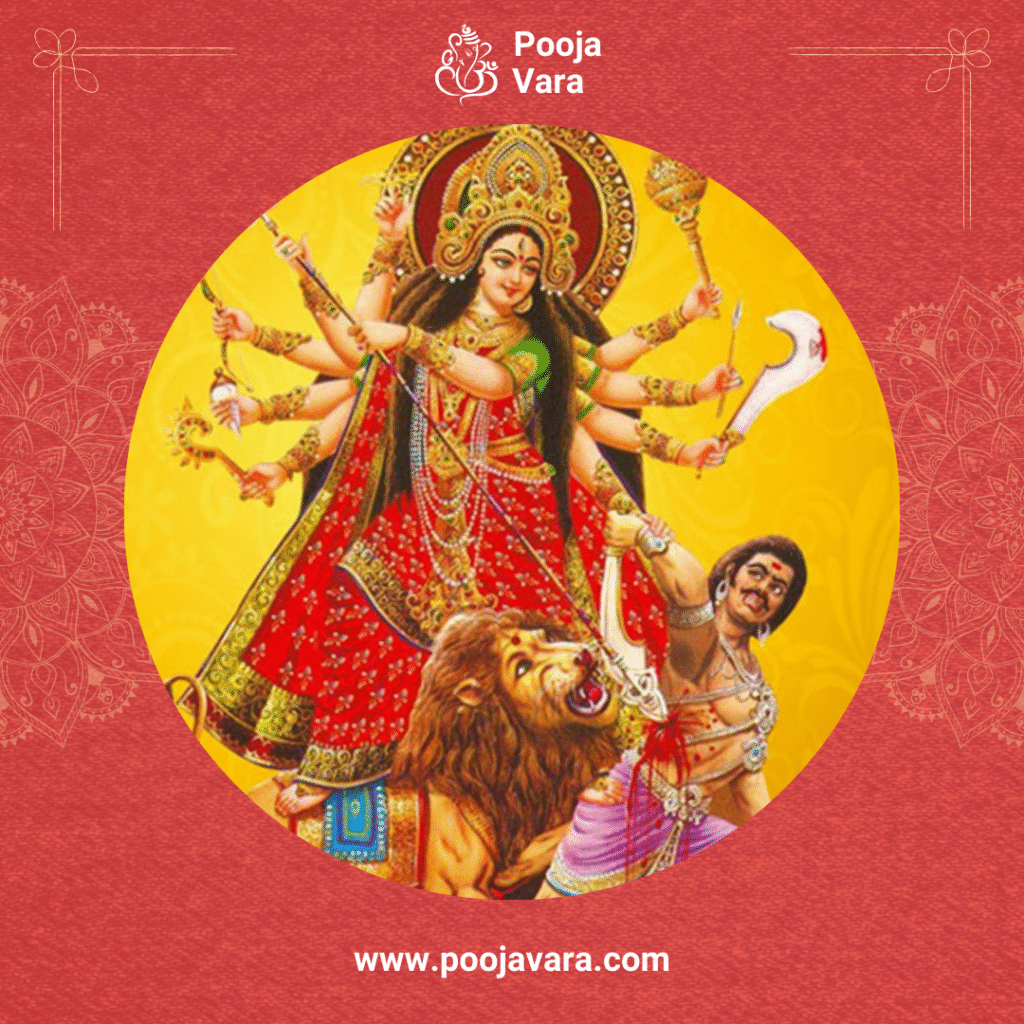
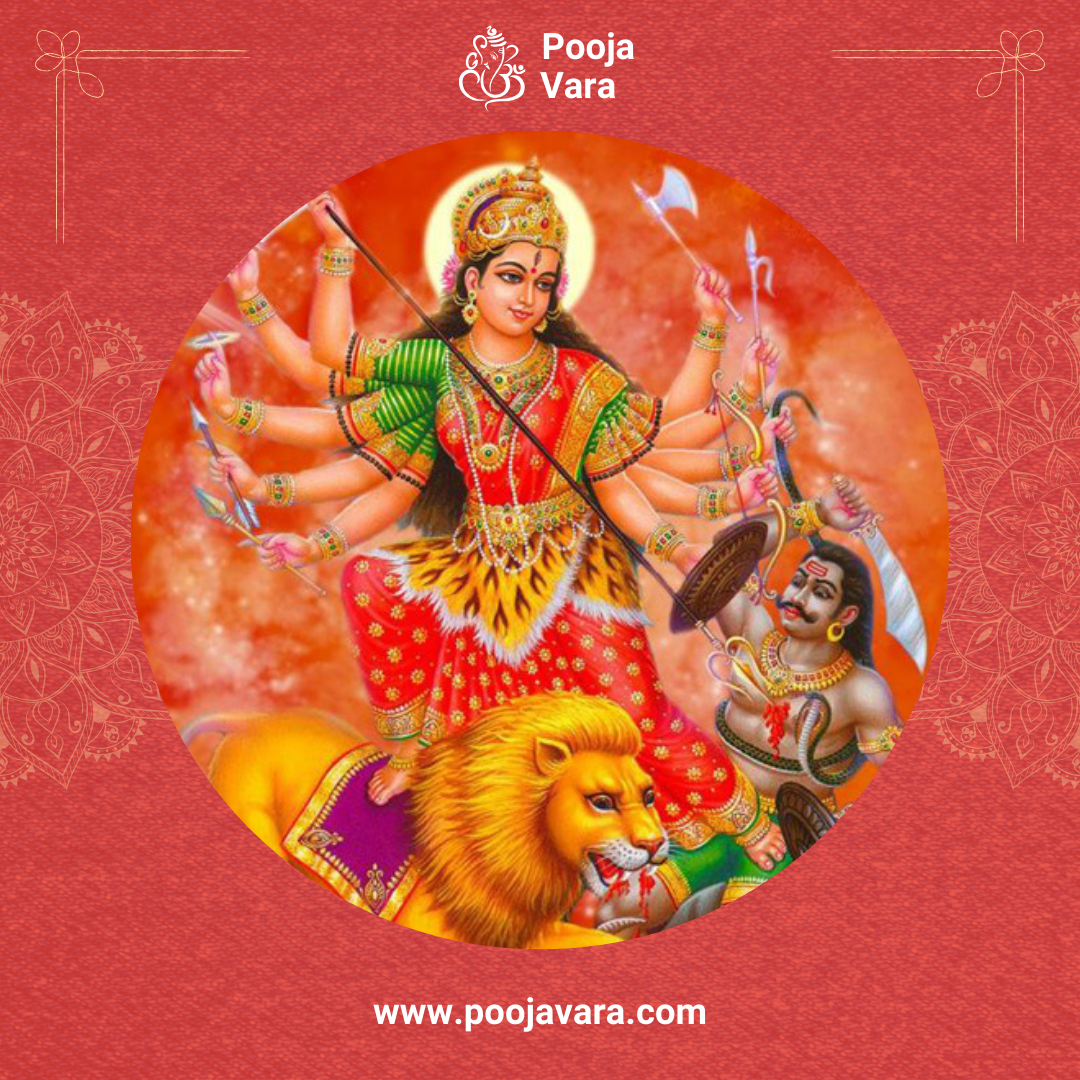
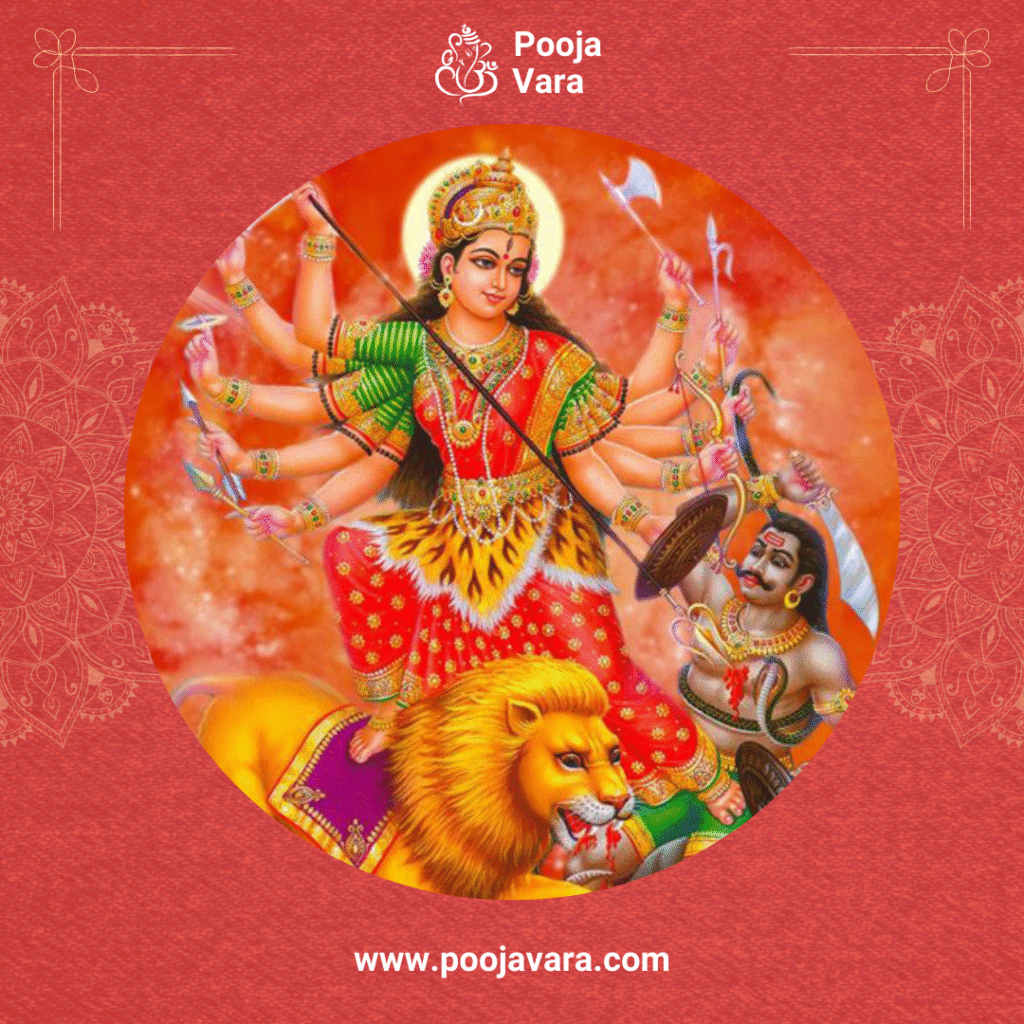
According to Hindu mythology, Goddess Durga fought the demon Mahishasura for nine days and finally defeated him on the tenth day—Vijayadashami. On the ninth day, the goddess is worshipped as Ayudha Lakshmi, and all weapons were honored for granting victory.

2. Connection with Lord Rama

Another legend states that Lord Rama performed Ayudha Pooja before going to war with Ravana in Lanka. He worshipped his bows, arrows, and chariots for strength and success.

3. Mahabharata Reference

The Pandavas hid their weapons in a Shami tree during their exile. On the day of Vijayadashami, they retrieved the weapons and worshipped them before entering the battlefield.

These stories emphasize the message that courage, dedication, and respect for tools lead to success.

When is Ayudha Pooja celebrated?

Ayudha Pooja is celebrated on the ninth day (Maha Navami) of Navratri, usually in the month of September or October according to the Gregorian calendar. The date varies each year based on the lunar calendar.

How is Ayudha Pooja Celebrated?

Celebrations vary across regions, occupations, and communities, but the core rituals remain similar:

Traditional Ritual Practices
  • All tools, instruments, books, vehicles, and machinery are thoroughly cleaned.

  • Items are decorated with turmeric, kumkum, sandalwood, flowers, and banana leaves.

  • Vehicles are washed, garlanded, and coconuts are broken in front of them (symbolic protection).

  • In homes, families arrange Pooja with lamps, incense sticks, and prasadam.

  • People avoid using tools on this day as a sign of respect.

  • Prayers are offered for prosperity, safety, and growth.

Importance & Significance of Ayudha Pooja

1. Celebrating Work & Knowledge

Ayudha Pooja honors the concept that every job has dignity, and every tool plays a role in supporting our success.

2. Expression of Gratitude

It teaches thankfulness for the resources and skills we receive.

3. Spiritual cleansing and renewal

Cleaning and polishing tools symbolize removing negativity and beginning fresh.

4. Cultural unity

People from all professions—business owners, mechanics, students, soldiers, teachers, and farmers—celebrate together.

5. Safety and prosperity

Ayudha Pooja invokes divine blessings for protection from accidents and failures.

Ayudha Pooja in Different States of India

State
Celebration Style
Tamil NaduWorship of vehicles, tools, and Saraswati Pooja for students
KarnatakaKnown as Ayudha Habba, tools and weapons worship
Andhra Pradesh & TelanganaCalled Astra Pooja, celebrations include musical instruments
KeralaBooks and educational tools are worshipped
Maharashtra & GujaratPart of Navratri & Dussehra rituals

Modern-Day Relevance of Ayudha Pooja

In today’s world, Ayudha Pooja extends beyond traditional tools to:

  • Computers, laptops, and smartphones

  • Office machinery and technology

  • Vehicles used in business and transport

  • Cameras and electronic systems

Corporate offices and startups also conduct Ayudha Pooja to:

  • Boost team unity

  • Encourage a positive work environment

  • Pray for business success

Even educational institutions organize Saraswati Pooja, motivating students to pursue knowledge.

Conclusion

Ayudha Pooja is a powerful reminder that success lies in respecting our work and the instruments that empower our journey. Whether you are a business owner, student, artist, mechanic, or farmer—this festival inspires discipline, gratitude, positive energy, and growth.

If you are looking to perform Ayudha Pooja, book a professional Purohit / Pooja Service and get complete guidance and support for performing the rituals traditionally.

Want to book Ayudha Pooja services for your home, office, shop, or factory?
👉 Contact us today to schedule your Pooja with expert priests.

FAQs

Ayudha Pooja is celebrated to worship and show gratitude towards tools, instruments, vehicles, and technology that help us in our daily work and success.

Tools, vehicles, books, machinery, weapons, musical instruments, computers and household tools are cleaned, decorated, and worshipped.

They are celebrated on the same day but represent different aspects—Ayudha Pooja honors tools, while Saraswati Pooja honors knowledge and education.

Traditionally, people avoid using tools, vehicles, and machinery on this day as a mark of respect.

Ayudha Pooja in 2025 will be celebrated on October 1st (date may vary depending on lunar calendar).

What is Sathabhishekam? Complete Meaning, Rituals & Spiritual Significance

What is Sathabhishekam? Complete Meaning, Rituals & Spiritual Significance

Celebrating life, longevity, wisdom, blessings, and family unity – Sathabhishekam is one of the most sacred Hindu ceremonies performed to honor a person or couple who completes 80 years of age or 81st year. It marks the rare achievement of long life blessed with health, family growth, and divine grace. In Indian culture, crossing 80 is considered a great milestone representing spiritual maturity and God’s blessings.

In this detailed guide, we explore what Sathabhishekam means, why it is performed, the procedure, benefits, puja rituals, and its spiritual importance, along with FAQs and booking guidance.

Sathabhishekam

What is Sathabhishekam?

The word Sathabhishekam (சதாபிஷேகம் / శతాబిషేకం / ശതാഭിഷേകം / शताभिषेकम) is derived from Sanskrit words:

WordMeaning
Shatha / ShataHundred
AbhishekamSacred bath / holy shower ceremony

Although the literal meaning is “Hundredth Holy Abhishekam”, the ritual is performed when a person enters their 80th year (81st year completion) according to the Hindu lunar calendar.

Who Performs Sathabhishekam?
  • Couples who complete 80 years of age

  • Individuals may also perform individually

  • Usually celebrated with children, grandchildren, relatives, and community members

Why Sathabhishekam Is Important?

It is believed that when a person crosses 80 years, they are blessed tremendously by the divine with:

  • A complete life cycle

  • Valuable experience and wisdom

  • Blessings of ancestors

  • Continued health & spiritual strength

Historical & Cultural Background

The tradition of performing Sathabhishekam originates from the Vedic Age. According to ancient scriptures, life beyond 80 is considered divine grace and a sign of karmic fulfillment. Similar ceremonies include:

Ceremony
Age
Ayushya HomamAny age for health
Shashtiapthapoorthi60 years
Bheemaratha Shanthi70 years
Sathabhishekam80 years

Among them, Sathabhishekam is the most spiritually powerful celebration.

Sathabhishekam Rituals & Procedure

The rituals vary by region (South India, Tamil, Telugu, Kannada, Malayalam), but the core sequence remains similar.

Main Rituals Performed During Sathabhishekam
1. Ganapathi Homam

To remove obstacles and begin the ceremony with divine blessings.

2. Mrityunjaya Homam

Performed for long life, healing, protection and strength.

3. Navagraha Homam

To balance planetary influences and enhance fortune.

4. Rudra Homam & Abhishekam

Strengthens physical, mental and spiritual well-being.

5. Kalasha Abhishekam

Holy water from consecrated Kalashas is poured over the couple symbolizing purification.

6. Mangalya Dharanam / Wedding Renewal

The husband ties a new mangalsutra around his wife’s neck, symbolizing renewed love and blessings.

7. Blessing Ceremony

The couple blesses children, grandchildren and relatives.

8. Annadanam (Food Donation)

Serving food to Brahmins, family, and poor people enhances good karma.

Spiritual Significance of Sathabhishekam

Sathabhishekam is not only a family celebration but a deep spiritual process.

Major Benefits of Sathabhishekam
Benefit
Description
Longevity & HealthHomams bring healing and vitality
Peace & HarmonyFamily unity and emotional bonding
Removal of DoshasPlanetary obstacles and karmic influences balanced
Blessings of Ancestors & GodsStrengthens spiritual protection
Renewal of MarriageSymbol of eternal commitment

Performing Sathabhishekam is believed to bring prosperity, peace, courage and divine energy to the family.

When Should Sathabhishekam Be Performed?

✔ After entering 80th year / completing 79 years (according to star and Tamil/Telugu calendar)

✔ On an auspicious day with guidance from a qualified priest
✔ Based on Nakshatra, Thithi, Panchangam

Usually performed at:

  • Temples

  • Homes

  • Marriage halls

  • Holy locations like Kashi, Rameswaram, Tirupati, Srirangam, Kanchipuram

Where to Perform Sathabhishekam?

Popular South Indian Temples
Location
Temple Name
Tamil NaduKumbakonam, Rameswaram, Madurai, Srirangam
Andhra PradeshTirupati, Vijayawada Kanaka Durga Temple
TelanganaYadagirigutta, Hyderabad Temples
KarnatakaDharmasthala, Udupi, Gokarna
KeralaGuruvayur Temple

Things Required for Sathabhishekam

  • Kalasham

  • Rice, Turmeric & Kumkum

  • Betel leaves & nuts

  • Fruits & Coconuts

  • Flowers & Garland

  • New clothes (saree & dhoti)

  • Navagraha materials

  • Ghee, Samith, Herbs for Homam

  • Mangal Sutra / Thali

Conclusion

Sathabhishekam is a divine celebration of life, gratitude, blessings and family unity. Performing this sacred ceremony brings peace, longevity, happiness, and spiritual growth to everyone involved. It honors the wisdom of elders and strengthens the bond between generations.

✨ Planning to celebrate Sathabhishekam for your parents or grandparents?
Book experienced priests, homam arrangements & temple services.

👉 Contact us today to plan a meaningful Sathabhishekam ceremony!
👉 For Pooja & Homam services, visit Poojavara

FAQs

To celebrate long life, strengthen health through homams, receive divine blessings, and renew marriage vows.

Yes, it can be done anytime after entering the 80th year.

Not compulsory but highly recommended for spiritual merit.

What is Bhima Ratha Shanti? Complete Meaning, Rituals & Spiritual Significance Explained

What is Bhima Ratha Shanti? Complete Meaning, Rituals & Spiritual Significance Explained

Life is a journey filled with milestones, blessings, challenges, and moments worth celebrating. In Hindu culture, reaching the age of 70 years is considered highly auspicious and spiritually significant. To honor this divine phase of life, families perform a sacred ceremony known as Bhima Ratha Shanti—a powerful ritual for longevity, good health, mental peace, and spiritual upliftment.

This celebration is not just a religious event but also a beautiful expression of love, gratitude, and blessings for elders who have guided generations with wisdom and experience.

In this blog, we will explore the complete meaning, history, rituals, benefits, significance, and how Bhima Ratha Shanti is performed traditionally.

Bhima Ratha Shanti

What is Bhima Ratha Shanti?

Bhima Ratha Shanti is a Hindu ritual celebrated when a person enters the 70th year (69 years, 11 months onward). It is one of the most important Shanti Homams performed during major elderly life milestones.

Meaning of the Term
TermMeaning
BhimaName of the 7th decade of life
Ratha (Ratham)Chariot, symbolizing life’s onward journey
ShantiPeace, divine blessings & protection

Thus, Bhima Ratha Shanti means seeking divine blessings for lifelong wellbeing and protection as one begins the 70th year of life.

Why is Bhima Ratha Shanti Celebrated?

The celebration marks the transition into a spiritually powerful stage of life. According to ancient scriptures, life after 70 is considered the time to:

  • Detach from worldly stress

  • Focus on spiritual growth

  • Experience peace and fulfillment

  • Seek divine blessings for continued good health

Benefits of Bhima Ratha Shanti

✨ Blessings for long and healthy life
✨ Protection from negative energies
✨ Strengthened family relationships and harmony
✨ Removal of karmic obstacles & past doshas
✨ Divine grace for mental peace and spiritual progress

Age Milestones in Hindu Shanti Homams

Ceremony
Age
Meaning
Shashtiabdhapoorthi60Beginning of spiritual life
Bhima Ratha Shanti70Strengthening life energy & longevity
Sathabhishekam80Sacred blessings and gratitude
Kanakabhishekam90Celebration of rare longevity
Santhi Homam (100th year)100Completion of a blessed life

How is Bhima Ratha Shanti Performed? (Step-by-Step Ritual Procedure)

1. Sankalpam

The ceremony begins with Sankalpam, where the couple sits before the priest to take a vow and seek blessings from deities.

2. Ganapathi Homam

Invocation of Lord Ganesha to remove obstacles and bless the rituals.

3. Navagraha Homam

A sacred fire ritual to satisfy planetary energies and avoid negative influences.

4. Mrityunjaya Homam

The most important ritual for

  • Protection from health issues

  • Long life

  • Relief from suffering

5. Kalashabhishekam

Holy water is poured over the couple for purification and divine grace.

6. Exchange of Garlands (Varmala)

The couple symbolically renews their marriage, representing continued love and companionship.

7. Blessings From Family & Elders

Everyone showers flowers and gives aashirvadam for well-being and long life.

8. Annadanam

Serving food to all guests brings punya (good karma) and blessings.

Items Required (Pooja Samagri List)

  • Fruits, flowers, coconut, betel leaves & nuts

  • Saree & dhoti for the couple

  • Kalasham set

  • Rice, turmeric, kumkum, sandal paste

  • Homam samagri, ghee, navadhanyam

  • Prasadam and sweets

  • Photos of deities

Traditional Dress Code

  • Men: Silk dhoti, angavastram

  • Women: Silk saree or traditional attire

Who Can Perform Bhima Ratha Shanti?

This ceremony is performed for:
✔️ Married couples jointly
✔️ Single individuals also can perform solo rituals
✔️ Elders aged 69+ based on janma nakshatra & tithi

Spiritual Significance of Bhima Ratha Shanti

  • Marks the point where body, mind & soul align with divine energy

  • Encourages wisdom sharing and emotional bonding

  • Represents gratitude for the journey of life

  • Connects generations through tradition

Symbolic Meaning
RitualRepresents
HomamPurification of karma
Garland exchangeReaffirming companionship
AbhishekamBlessings of renewal
AnnadanamSharing abundance

Bhima Ratha Shanti and Astrology

The homam reduces the effects of:

  • Shani dosha

  • Graha peeda

  • Pitru dosha

  • Rahu-Ketu afflictions

Conclusion

Bhima Ratha Shanti is a sacred celebration of life, gratitude, and divine blessings. It honors the wisdom of elders and strengthens family bonds while invoking spiritual protection and long-term wellbeing. Performing this ceremony with devotion brings peace, prosperity, and harmony to the entire household.

Looking to perform Bhima Ratha Shanti with professional priest support, samagri & complete arrangements?

👉 Book Pandit & Pooja Services Online
👉 Get personalized guidance & Muhurat suggestions
👉 Call or WhatsApp us today for booking inquiries

FAQs

It is a Hindu ceremony performed at the beginning of the 70th year to seek blessings for long life, peace, and good health.

Ganapathi Homam, Navagraha Homam, Ayush Homam, Mrityunjaya Homam, and Kalashabhishekam.

Yes, it can be conducted at home, temple, or community hall.

No, individuals can also perform it.

What is Sashtiapthapoorthi? Meaning, History & Spiritual Purpose Explained

What is Sashtiapthapoorthi? Meaning, History & Spiritual Purpose Explained

Celebrating major milestones in life has always been deeply rooted in Indian tradition. Among these sacred milestones, Sashtiapthapoorthi holds a unique and divine place. It marks the completion of 60 years of life, a powerful moment that symbolizes rebirth, renewal, and spiritual awakening. In Hindu culture, reaching the age of 60 is not just a birthday celebration—it is a deeply sacred ritual blessed by scriptures, sages, and ancestral wisdom.

This ceremony is believed to restore physical, emotional, and spiritual balance, bestowing divine strength, longevity, and harmony in family life. Today, many families celebrate Sashtiapthapoorthi with great devotion, often making it a grand event that combines religious poojai, family gatherings, and spiritual blessings.

In this article, we will explore What is Sashtiapthapoorthi, its meaning, history, spiritual purpose, rituals performed, benefits, and why it is important in modern life.

Sashtiapthapoorthi

What is Sashtiapthapoorthi?

The word Sashtiapthapoorthi (Sanskrit: षष्ट्यब्दपूर्ति) comes from:

  • Sashti / ShashtiSixty (60)

  • Abda / AapthaYears

  • Poorthi / PurnamCompletion

So Sashtiapthapoorthi literally means completion of 60 years of life.

It marks the moment when the Sun and the birth star return to the exact same position they were at the time of birth, completing a full astrological cycle. Symbolically, it represents the completion of the first phase of life (grihastha or householder stage) and the beginning of the second phase focused on spirituality, wisdom, and divine service.

Historical Significance of Sashtiapthapoorthi

In ancient Vedic times, life expectancy was considered around 100 years, divided into four stages called Ashramas:

StageAgePurpose
Brahmacharya0 – 25Learning & discipline
Grihastha25 – 50Family responsibilities & livelihood
Vanaprastha50 – 75Withdrawal from material duties, spiritual practice, mentoring younger generations
Sannyasa75 – 100Renunciation & self-realisation

Thus, at 60, a person enters Vanaprastha, transitioning from material focus to spiritual pursuit, inner peace, and blessings for society.

Sashtiapthapoorthi is performed to celebrate this transition and seek divine blessings for a healthy, peaceful, and purposeful second innings of life.

Why is Sashtiapthapoorthi Celebrated? (Spiritual Purpose)

1. Seeking blessings for long life

The ceremony includes powerful Ayush Homam, which invokes divine energies for renewed health and vitality.

2. Strengthening marital bond

The couple performs Kalyana Utsavam (renewal of marriage vows), symbolizing beginning a new chapter together.

3. Removing planetary obstacles

Special homams and chanting neutralize negative karma and protect against future challenges.

4. Expressing gratitude

It honors ancestors, family, Guru, and divine forces for guiding life’s journey.

5. Blessings for younger generations

The elders bless the family, passing on wisdom, strength, and cultural traditions.

Major Rituals Performed During Sashtiapthapoorthi

Ritual Name
Purpose
Ganapathi HomamRemoves obstacles and ensures successful ceremony
Navagraha HomamHarmonizes planetary influences
Ayush HomamBlessings for long life and good health
Mrityunjaya HomamProtection from illness and negative forces
Kalasha PoojaInvoking divine energy and purity
Kalyanam / Wedding ceremonyRenewal of marriage vows
Receiving blessings from eldersSpiritual transmission of positive energy

Many families invite Vedic priests to perform Sashtiapthapoorthi pooja at home, temple, or wedding halls. Today, booking online Sashtiapthapoorthi pooja services has become very convenient.

When Should Sashtiapthapoorthi Be Performed?

It is traditionally performed when a person completes 60 years according to:

  • Tamil Calendar / Panchangam

  • Birth star (Nakshatra)

  • Tamil months like Aadi, Aavani, Thai are considered highly auspicious

For example:

  • If someone was born in Thiruvonam star, Sashtiapthapoorthi is celebrated when the star returns after the 60th year.

Best Locations to Perform Sashtiapthapoorthi
  • Home or nearest temple

  • Kashi, Rameswaram, Kanchipuram, Thiruvannamalai, Srirangam, Tirupati, etc.

Tip: Consult a Vedic astrologer or purohit to choose the best date based on horoscope.

Benefits of Performing Sashtiapthapoorthi

Spiritual and Emotional Benefits
  • Brings peace, harmony, and prosperity

  • Removes long-standing obstacles and fears

  • Strengthens family unity & relationships

  • Enhances inner happiness and mental clarity

Health and Well-Being Benefits
  • Ayush homam revitalizes energy and pranic force

  • Helps reduce stress & negative influences

  • A spiritual restart for healthy living

Cultural and Social Benefits
  • Preserves Indian tradition for next generations

  • Inspires children about respect & values

How is Sashtiapthapoorthi Celebrated Today?

Modern celebrations include:
🎉 Family gathering & feasts
📸 Photography, videography, music & cultural programs
🌸 Temple visits & charity activities
🤝 Giving food or donations to the needy

For families living abroad (USA, UK, Australia, Singapore), online puja arrangements and live video participation are common.

Conclusion

Sashtiapthapoorthi is not just a milestone birthday—it is a divine celebration of life, gratitude, blessings, and spiritual rebirth. It strengthens family love, enhances well-being, and honors timeless heritage. Performing this sacred ritual with devotion unlocks peace, prosperity, and divine protection for the years ahead.

👉 Planning to perform Sashtiapthapoorthi pooja?
Book experienced Vedic Priests & Homam services with complete support for venue, materials, and rituals.
Make your Sashtiapthapoorthi a blessed and memorable occasion.
📞 Contact us today to make arrangements!

FAQs

Sashtiapthapoorthi is a Hindu ceremony celebrating the 60th birthday, marking the completion of a major life cycle and beginning a spiritually focused phase.

Ayush Homam, Ganapathi Homam, Navagraha Homam, Kalasha Pooja, and marriage vow renewal ceremony.

It seeks blessings for long life, health, peace, spiritual progress, and family harmony.

Yes, it can be organized at home, temple, or wedding halls based on convenience.


What is Venkateshwara Kalyanotsavam? Meaning, Rituals & Spiritual Significance

What is Venkateshwara Kalyanotsavam? Meaning, Rituals & Spiritual Significance

Venkateshwara Kalyanotsavam is one of the most sacred and celebrated rituals performed at Sri Venkateshwara Temple, Tirumala, and across many Tirupati Balaji temples worldwide. Devotees participate in this divine ceremonial marriage of Lord Venkateshwara (Vishnu) with Goddess Padmavathi (Lakshmi) to receive blessings for prosperity, marital harmony, family happiness, good fortune, and spiritual upliftment.

This divine wedding ceremony is considered an act of expressing devotion (bhakti) and surrender to the Supreme Lord, symbolizing the union of the soul (Jivatma) with the Supreme (Paramatma). The ritual draws thousands of devotees daily, making it one of the most powerful poojas performed in Tirumala.

Venkateshwara Kalyanotsavam

Meaning of Venkateshwara Kalyanotsavam

The word Kalyanotsavam is derived from Sanskrit:

  • Kalyanam = Marriage / Auspicious union

  • Utsavam = Festival / Celebratory ritual

So, Venkateshwara Kalyanotsavam means the grand festival celebrating the divine marriage of Lord Venkateshwara and Goddess Padmavathi.
It symbolizes the eternal bond of love, compassion, and blessings upon humanity.

According to legend, Goddess Padmavathi, the incarnation of Goddess Lakshmi, was born to King Akasha Raja, and Lord Srinivasa (Vishnu) married her to fulfill divine destiny. This marriage is recreated every day during the Kalyanotsavam ritual.

Where is Venkateshwara Kalyanotsavam Performed?

Although performed in many Balaji temples, the most popular one is at:

Sri Venkateshwara Temple, Tirumala
— inside the Sampangi Mandapam within the temple premises.

It is also conducted in:

  • TTD Temples across India & worldwide

  • Community temples and festivals

  • Homes and event halls through authorized priests

(Suggested Internal Linking: Link to related blogs like “How to book Tirumala Srivari Darshan tickets?” or “Most powerful Hindu Poojas for blessings.”)

Venkateshwara Kalyanotsavam Timings

DayDaily (including weekends & festivals)
Time10:00 AM – 12:00 PM approx.

The ritual takes around 1.5 to 2 hours, including chanting of Vedic mantras, offering prayers, and darshan.

Rituals Performed in Venkateshwara Kalyanotsavam

The Kalyanam follows traditional Hindu marriage ceremony elements:

1. Sankalpam

Devotees perform Sankalpam where the priests invoke blessings in their name and Gothram.

2. Ganapati & Punyahavachanam

Purification rituals and prayers to Lord Ganesha to remove obstacles.

3. Divine Wedding Ceremony

Idols of Sri Venkateshwara and Goddess Padmavathi are decorated with jewelry and silk garments and placed on decorated seats.

4. Exchange of Garlands

Symbolizing acceptance and eternal bonding.

5. Mangalya Dharanam

Priests tie the sacred mangalsutra on behalf of devotees.

6. Vedic Mantra Chanting

Pancharatra & Agama mantras enchant the environment with divine vibrations.

7. Mangala Aarti

Final blessings and distribution of sacred prasadam.

Benefits of Performing Venkateshwara Kalyanotsavam

Participating in this sacred ritual is believed to remove obstacles and grant blessings such as:

  • Happiness and harmony in marriage

  • Finding the right life partner

  • Relationship healing & avoiding divorce or disputes

  • Family well-being & prosperity

  • Wealth, success, and growth in career or business

  • Blessings for childbirth

  • Inner peace and spiritual upliftment

Many couples perform this pooja to strengthen their bond, while unmarried seekers perform it to remove obstacles in marriage.

Who Should Perform Venkateshwara Kalyanotsavam?

This pooja is recommended for:

  • Couples wishing for strong love and understanding

  • Newly married couples for lifelong harmony

  • Singles looking for a suitable alliance

  • Families facing stress or difficulties

  • Those seeking Goddess Lakshmi’s wealth and prosperity blessings

Children, elders, or even individuals can participate without restrictions.

Dress Code and Requirements

| Men | Dhoti/White Pancha or Kurta Pajama |
| Women | Saree or Traditional Dress (No modern western outfits inside the temple) |

Participants receive:

  • Laddu prasadam

  • Akshata (holy rice)

  • Silk saree/blouse piece & vastram

How to Book Venkateshwara Kalyanotsavam Tickets Online

Devotees can book tickets through:
➤ TTD Official Website (Online Services)
➤ TTD Information Centres
➤ Authorized temple counters

(Suggested Internal Linking: “Step-by-step guide: How to book TTD temple services online.”)

Ticket Price Range

Approx. ₹1,000 – ₹1,500 for two persons (varies by temple & date).

Spiritual Significance

The divine marriage represents:

  • Union of Purusha (God) and Prakriti (Nature)

  • Symbol of love, dharma, and balance of cosmic energies

  • Blessings for abundance and peace in the devotee’s life

It is believed that witnessing the Kalyanam removes sins and brings divine grace equal to visiting holy pilgrimage sites.

Conclusion

Venkateshwara Kalyanotsavam is one of the most spiritually uplifting ceremonies for devotees seeking divine grace, love, peace, and prosperity. Participating in this sacred ritual connects you deeply with the blessings of Lord Venkateshwara and Goddess Padmavathi, removing difficulties and opening doors to a life filled with abundance and harmony.

May Lord Balaji bless you and your family with success, prosperity, and happiness.

If you want to perform Venkateshwara Kalyanotsavam or need help arranging a priest or booking services online, contact us today.

FAQs

It is the ceremonial divine wedding of Lord Venkateshwara and Goddess Padmavathi performed at Tirumala and Balaji temples.

It grants blessings for marital harmony, prosperity, family happiness, and success.

Anyone—married couples, unmarried devotees, families, or individuals.

Approximately 1.5 to 2 hours.


Yes, authorized priests can conduct it at home or event halls with proper procedures.

What is Devata Kalyanotsavam? Meaning, Significance & Ritual Importance

What is Devata Kalyanotsavam? Meaning, Significance & Ritual Importance

Devata Kalyanotsavam is one of the most sacred and grand Hindu rituals performed in various temples across India, especially in South Indian traditions. It refers to the divine ceremonial wedding of deities, symbolizing the union of Lord Vishnu or Shiva with their consorts such as Lakshmi, Andal, Padmavathi, Parvati, or Bhu Devi. This holy ritual represents the eternal bond between the divine masculine and feminine energies, signifying prosperity, harmony, dharma, and universal balance.

Devotees believe that participating in or witnessing Devata Kalyanotsavam removes obstacles, strengthens marriages, resolves relationship issues, and invites blessings for happiness, peace, wealth, and fertility. Temples like Tirumala Tirupati, Bhadrachalam, Srisailam, Yadadri, Tiruchanoor, and Melkote are globally known for their grand celebrations of Devata Kalyanotsavam.

Devata Kalyanotsavam

Meaning of Devata Kalyanotsavam

The term Devata Kalyanotsavam is derived from:

  • Devata – Divine deity or God

  • Kalyanam – Marriage

  • Utsavam – Festival or celebration

Together it means “The Divine Marriage Festival of Deities.”

This sacred ritual symbolizes:

Harmonious union of Shiva-Shakti / Vishnu-Lakshmi energies

The divine marriage signifies the powerful merging of:

  • Purusha (spirit) and Prakriti (nature)

  • Strength and Compassion

  • Devotion and Grace

Significance of Devata Kalyanotsavam

The ritual holds deep spiritual, cultural, and astrological importance. It is believed that cosmic energy flows abundantly when divine energies unite, granting blessings to devotees.

Key Spiritual Benefits
  • Removes obstacles in life and career

  • Brings marital harmony and strengthens relationships

  • Blesses couples with fertility and healthy children

  • Brings peace, prosperity, wealth & good fortune

  • Helps overcome planetary doshas such as Kuja Dosha, Rahu-Ketu Dosha, Shani Dosha

  • Creates positive energy in the environment and home

  • Benefits for Unmarried Individuals

    Those seeking a suitable life partner participate in Devata Kalyanotsavam for:

Marriage opportunities

Removal of delay in marriage

Finding a compatible partner blessed by divine grace

Ritual Importance of Devata Kalyanotsavam

The ritual is performed by trained Vedic Pandits following Agama Shastra, Pancharatra, or Shaiva traditions. The ceremony includes:

Main Steps in Devata Kalyanotsavam
Ritual StepDescription
Navagraha PujaPlanetary blessings for the ceremony
PunyahavachanamPurification rituals
SankalpamDevotee’s intention and prayers
Alankaram (Divine Decoration)Dressing and ornamentation of deities
Mala-MatrumExchange of garlands between divine couple
Mangalya DharanamTying of sacred thread symbolizing marriage
Mantra Chanting & Vedic HymnsRecitation of Vedic verses
Aarti & Prasadam DistributionBlessings shared with devotees

The celebration concludes with mangala harathi, where devotees receive divine blessings and prasadam.

Where is Devata Kalyanotsavam Celebrated?

Some of the most famous temples where this ritual is performed include:

  • Tirumala Tirupati Balaji Temple – Sri Venkateswara & Sri Padmavathi

  • Bhadrachalam – Sri Rama & Sita Kalyanam

  • Srisailam Mallikarjuna Temple – Shiva-Parvati Kalyanam

  • Yadagirigutta – Narasimha Swamy & Lakshmi

  • Ahobilam, Varanasi, Kanchi, Melkote, Udupi, Trivandrum

Many devotees also perform Devata Kalyanotsavam at home with the guidance of Vedic Pandits.

Who Should Perform Devata Kalyanotsavam?

This ritual is highly recommended for:

  • Married couples seeking harmony and happiness

  • Couples facing relationship challenges

  • Individuals experiencing delay in marriage

  • Couples praying for children

  • Families wishing prosperity and peace

  • Business owners praying for success

Conclusion

Devata Kalyanotsavam is a deeply spiritual and powerful ritual that brings blessings, peace, and divine grace to devotees. Whether performed at temples or homes, it strengthens emotional bonds, removes life obstacles, and attracts prosperity and success. Participating in or sponsoring this ceremony is considered one of the most sacred acts that connect devotees directly with divine love.

Would you like to perform Devata Kalyanotsavam at home or temple with experienced Vedic Pandits?
📞 Contact us to book your Devata Kalyanotsavam Puja with complete Puja Samagri & guidance.

FAQs About Devata Kalyanotsavam

Devata Kalyanotsavam is the divine wedding ceremony of Hindu deities such as Lord Vishnu & Goddess Lakshmi or Shiva & Parvati, performed for prosperity & harmony.

Yes, it can be performed at home with Vedic procedures under the guidance of an experienced Pandit.

It removes obstacles, brings marital harmony, prosperity, fertility, and spiritual peace.

Typically, the ceremony takes around 1.5 to 2.5 hours depending on temple or home setup.


Puja samagri includes idols/photos of deities, flowers, fruits, mangalya thread, wedding clothes, turmeric, kumkum, kalash, rice, lamps, and coconuts.

Benefits of Performing Pooja Regularly: A Complete Guide for a Balanced & Positive Life

Benefits of Performing Pooja Regularly: A Complete Guide for a Balanced & Positive Life

Puja is one of the most powerful spiritual practices in Hindu culture. Beyond being a ritual, it is a way to connect with divine energy, invite positive vibrations, and maintain harmony in life. Whether performed at home or in a temple, the benefits of performing Puja regularly go far beyond religious beliefs—they influence mental, emotional, and even physical well-being.

In this detailed guide, we explore how daily puja can transform your life, why millions follow this practice, and how you can incorporate it into your routine easily.

What Are the Benefits of Performing Pooja Regularly?

Below are the top transformative benefits of Puja and how they impact your everyday life.

1. Brings Inner Peace & Mental Clarity

One of the greatest benefits of Puja is the deep sense of peace it creates. Sitting in front of the deity, lighting a lamp, chanting mantras, and meditating helps calm the mind.
This reduces stress, anxiety, and mental fatigue—problems that are extremely common in today’s fast-paced lifestyle.

Why it matters

  • Promotes mindfulness

  • Increases focus

  • Gives emotional stability

  • Reduces overthinking

Daily Pooja becomes a sacred pause—your time to reconnect with yourself.

2. Cleanses Negative Energies & Strengthens Positivity

According to Vedic traditions, lighting diyas, offering incense, chanting mantras, and ringing bells generate powerful vibrations. These vibrations remove negative energies and bring positive aura into the home.

The spiritual benefits include:

  • Uplifting energy levels

  • Harmonizing the environment

  • Enhancing peace inside the home

  • Removing emotional blockages

This is why many people perform Puja in the morning—to invite blessings for the entire day.

3. Enhances Spiritual Growth & Divine Connection

Puja helps individuals connect with a higher power, develop faith, and strengthen devotion. It deepens spiritual wisdom and encourages gratitude.

Spiritual benefits of Puja:

  • Builds inner strength

  • Enhances intuition

  • Helps overcome challenges with faith

  • Brings a sense of purpose

Daily rituals remind us that we are protected and guided by divine energy.

4. Attracts Prosperity, Abundance & Good Fortune

Lakshmi Puja, Ganesh Puja, and other traditional rituals are believed to attract financial stability and success.

Regular worship opens doors to new opportunities by creating a vibration of abundance.

What it influences:

  • Career growth

  • Financial stability

  • New opportunities

  • Positive outcomes in business

This is why people perform Puja before important beginnings.

5. Improves Health & Well-Being

A calm mind results in a healthy body. The mantras used during Puja—such as Gayatri Mantra or Maha Mrityunjaya—have a healing frequency that improves mental and physical wellness.

Health benefits of Puja:

  • Lowers stress

  • Improves sleep quality

  • Reduces blood pressure

  • Enhances emotional balance

Devotional routines also bring discipline, which supports a healthier lifestyle.

6. Strengthens Family Bonding

When performed together, Puja brings families closer. It creates shared moments of gratitude, prayer, and reflection.

Family benefits include:

  • Improved harmony

  • Reduced conflicts

  • Instills values in children

  • Creates a peaceful home environment

Families who pray together stay united.

7. Creates a Sense of Discipline & Routine

Performing Puja daily introduces healthy discipline—waking up early, organizing your day, and maintaining consistency.

This positively impacts your work, studies, and personal goals.

How to Perform Daily Pooja Easily

You don’t need elaborate rituals. A simple routine of:

  • Lighting a diya

  • Offering flowers

  • Chanting mantras

  • Meditating for 5–10 minutes

  • Expressing gratitude

…is enough to receive the divine benefits of Puja.

Conclusion — Bring Divine Blessings Into Your Life Everyday

Performing Puja regularly is more than a ritual—it is a way to invite peace, prosperity, protection, and positivity into your life. With just a few minutes daily, you can transform your emotional, spiritual, and mental well-being.

If you want to perform authentic Vedic Puja with expert guidance,
👉 Book Your Pooja Online at Poojavara Today!

FAQs About the Benefits of Pooja

Regular Pooja brings peace, removes negative energies, improves focus, and strengthens spiritual connection.

Even 5–10 minutes of simple worship is enough to bring positive changes.

Yes, chanting mantras and meditating during Pooja reduce stress levels significantly.

According to Vedic beliefs, yes. Rituals like Lakshmi Pooja and Ganesh Pooja attract abundance.

For daily Pooja, yes. For special rituals, booking a pandit is recommended.

How Poojavara Ensures Authentic Poojas

How Poojavara Ensures Authentic Poojas

In today’s digital age, finding authentic poojas performed with the right procedures, qualified priests, and pure intentions can be challenging. Many families struggle with unreliable pandits, unclear rituals, and lack of transparency.
This is where Poojavara brings a revolution — offering trustworthy, well-organized, and spiritually accurate pooja services both online and offline.

Whether it’s a simple home Ganapathi pooja or a grand Vastu Shanti, Poojavara ensures purity, correctness, and devotion in every step.

Why Authenticity Matters in Hindu Rituals

Authentic poojas is not just tradition — it defines:

Correct mantras for the right vibrations

Proper samagri for spiritual accuracy

Trained purohits who follow Vedic rituals

True intention and sanctity of the ceremony

When these elements align, the pooja delivers blessings, peace, prosperity, and positive results.

How Poojavara Ensures Authentic Poojas

1. Verified and Certified Purohits (Priests)

Poojavara works with trained, experienced, and certified Vedic scholars who have expertise in:

  • Vedic rituals

  • Agama procedures

  • Regional traditions

  • Samskara ceremonies

Each priest is verified before onboarding, ensuring accuracy and devotion during the ritual.

2. Standardized Vedic Ritual Procedure (Across All Poojas)

Every pooja on Poojavara follows a step-by-step standardized procedure, ensuring:

  • No skipped mantras

  • No shortcuts

  • Proper sankalpa

  • Clean and spiritual environment

This gives devotees a consistent and spiritually fulfilling experience.

3. High-Quality & Authentic Pooja Samagri

Poojavara provides pure, high-quality samagri including:

  • Organic haldi, kumkum, akshata

  • Fresh flowers & fruits

  • Copper kalash, diyas, and utensils

  • High-grade incense and ghee

This ensures that poojas are performed without compromise.

4. Transparent Pricing & No Hidden Charges

One major issue with traditional pooja arrangements is unclear pricing.
Poojavara solves this with:

  • Fixed package rates

  • Clear breakdown of items

  • No last-minute additions

  • Online secure payment options

This builds trust and ensures a smooth experience.

5. Customized Pooja Experience

Every home and family has unique requirements.
Poojavara offers:

  • Language preference (Sanskrit, Telugu, Kannada, Tamil, Hindi)

  • Region-specific pooja styles

  • Special samagri needs

  • Home, temple, or online arrangements

This personalization enhances authenticity.

6. Live Online Pooja Support (For Virtual Devotees)

For online poojas, Poojavara ensures:

  • HD video setup

  • Two-way communication

  • Proper guidance

  • Real-time mantra chanting

Devotees can participate fully from anywhere in the world.

7. Timely and Professional Service

Poojavara is known for punctuality and professionalism:

  • Priests arrive on time

  • Complete setup handled by the team

  • Pooja performed without disruptions

  • Clean-up after the ritual

This reliability makes the experience stress-free.

8. After-Pooja Report & Blessing Notes

Poojavara provides:

  • Detailed pooja summary

  • Mantra list

  • Blessing notes from the priest

This ensures transparency and spiritual satisfaction.

Conclusion

Poojavara has become India’s trusted platform for authentic poojas, performed with devotion, discipline, and pure Vedic tradition.
Whether you need a home ceremony, temple ritual, or online pooja — Poojavara ensures correctness, convenience, and complete peace of mind.

👉 Book your next pooja with Poojavara and experience the true essence of divine rituals.

FAQs

Poojavara follows strict Vedic procedures, verified priests, quality samagri, and transparent processes to maintain complete authenticity.

Yes, Poojavara only works with experienced and certified Vedic purohits.

Absolutely. You can choose Sanskrit, Telugu, Kannada, Tamil, or Hindi.

Yes, Poojavara offers complete pooja samagri kits with every booking.

Yes, each online pooja follows the same Vedic standards as offline rituals with real-time participation.