

Navagraha Pooja is an important Hindu religious ritual performed to worship the nine planetary deities, traditionally known as the Navagrahas. Many Hindu families perform this pooja to seek divine blessings, peace of mind, prosperity, harmony, and spiritual well-being. If you are looking for Navagraha Pooja in Delhi, understanding the rituals, preparations, significance, and priest-booking process can help you plan the ceremony according to your family’s traditions.
In Hindu astrology, the Navagrahas are associated with different aspects of life, including career, relationships, health, financial stability, and personal growth. Devotees may perform Navagraha Pooja during important life events, after consulting an astrologer, before starting a new venture, or as part of a broader religious observance.
Delhi offers access to temples, traditional priests, and online pooja booking services that can help families arrange religious ceremonies at home or at suitable venues. Whether you want to perform a simple Navagraha Pooja, a Navagraha Homam, or a more elaborate ritual with specific traditional procedures, choosing an experienced priest and preparing in advance can make the process easier.
In this complete guide, we explain the meaning of Navagraha Pooja, the nine planetary deities, its traditional significance, the pooja procedure, samagri requirements, approximate costs, and how to book a priest for Navagraha Pooja in Delhi.
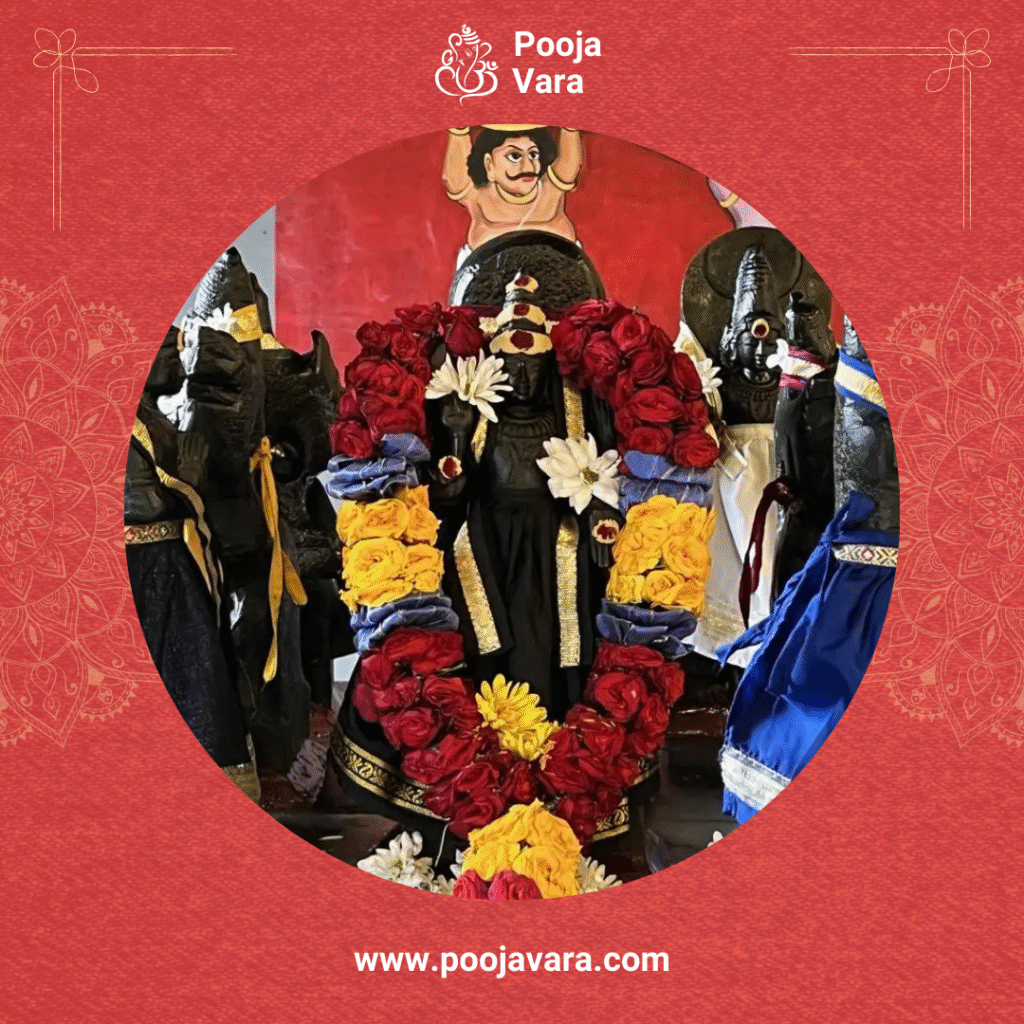
Navagraha Pooja is a Hindu ritual dedicated to the nine celestial deities collectively known as the Navagrahas. The Sanskrit word Nava means nine, while Graha refers to a celestial influence or planetary body within the traditional Hindu astrological framework.
The ritual is performed to express devotion, seek blessings, and pray for harmony and well-being. Depending on family traditions and the priest’s guidance, the ceremony may involve prayers, mantras, offerings, flowers, lamps, and other prescribed rituals.
Some families perform Navagraha Pooja as an independent ceremony, while others include it as part of a larger religious event, such as Griha Pravesh, Vastu Shanti, or a special homam.
People searching for Navagraha Pooja in Delhi may have different requirements. Some may want a simple pooja at home, while others may need a more elaborate ceremony involving a sacred fire ritual.
Before booking a priest, explain the purpose of the ceremony and ask which procedure is appropriate for your requirements and tradition.
The Navagrahas are nine planetary deities worshipped in Hindu religious traditions. Each has a distinct name and symbolic association.
The following associations reflect traditional Hindu astrology and religious beliefs.
Navagraha | Traditional association |
|---|---|
Surya (Sun) | Vitality, authority, confidence and leadership |
Chandra (Moon) | Mind, emotions, peace and mental balance |
Mangala (Mars) | Courage, energy, determination and action |
Budha (Mercury) | Communication, learning, reasoning and business |
Brihaspati or Guru (Jupiter) | Wisdom, knowledge, guidance and spiritual growth |
Shukra (Venus) | Relationships, comfort, creativity and prosperity |
Shani (Saturn) | Discipline, responsibility, patience and karma |
Rahu | Material ambitions, unconventional pursuits and worldly desires |
Ketu | Detachment, introspection and spiritual development |
In traditional Hindu astrology, the Navagrahas are believed to influence different aspects of human life. Devotees worship these deities as part of their religious practice.
The nine include the Sun and Moon, the five visible planets traditionally recognized in Indian astrology, and the lunar nodes Rahu and Ketu. Their interpretation belongs to a religious and astrological framework rather than scientifically established planetary effects on personal outcomes.
Families perform Navagraha Pooja for various spiritual and traditional reasons. The exact intention can differ according to family customs, astrological advice, and personal beliefs.
Many devotees perform Navagraha Pooja as a prayer for peace, harmony, and general well-being for themselves and their families.
Some families include the ritual in significant occasions, such as moving into a new home, beginning a business, or organizing a special family ceremony.
People sometimes consult an astrologer who recommends a Navagraha-related ritual based on a traditional horoscope interpretation.
If you are following astrological advice, discuss the recommended ritual with both the astrologer and the priest so that the ceremony matches your intended requirements.
Navagraha Pooja may be included in certain Griha Pravesh or Vastu Shanti ceremonies, depending on the family’s tradition and the priest’s recommended procedure.
For many families, the ritual is an opportunity to pray, reflect, and participate in an established religious tradition together.
It is important to understand that religious rituals may offer personal or spiritual comfort, but they cannot guarantee specific financial, career, relationship, or health outcomes.
The exact procedure for Navagraha Pooja can vary depending on the regional tradition, the priest, and whether the ceremony includes a homam.
If you are planning Navagraha Pooja at home in Delhi, ask your priest to explain the proposed procedure beforehand.
The ceremony usually begins with preparing and cleaning the designated space.
The family may arrange a pooja platform, clean cloth, lamps, flowers, and the required ritual materials. If a homam is planned, the priest will also need an appropriate, safe location for the sacred fire.
The priest may guide the family through Sankalpam, a traditional declaration of the intention behind the ritual.
Depending on the custom, this may include details about the devotee, the occasion, and the purpose of performing the pooja.
The priest performs the prescribed prayers and invocations according to the selected ritual procedure.
Ganapati worship may also be included at the beginning of the ceremony, depending on the tradition.
The nine planetary deities are worshipped using prescribed mantras, flowers, offerings, and other ritual materials.
The exact sequence and offerings may differ between traditions. Some ceremonies involve symbolic representations of the Navagrahas, while others follow different established procedures.
The priest may recite Navagraha mantras and conduct the prescribed offerings.
If the family has requested a specific ritual based on traditional astrological guidance, the priest should confirm the appropriate procedure in advance.
Some families choose to perform Navagraha Homam alongside the pooja.
A homam involves offerings into a sacred fire while the priest recites prescribed mantras. It requires additional materials, preparation, time, and fire-safety arrangements.
A Navagraha Pooja does not automatically include a homam, so confirm this when booking.
The ceremony may conclude with aarti, prayers, and distribution of prasadam according to the family’s tradition.
The priest can also explain any final observances or customary practices that the family wishes to follow.
The materials required for Navagraha Pooja depend on the procedure and whether a homam is included.
Commonly requested items may include:
Flowers and garlands
Fruits
Coconut
Betel leaves and betel nuts
Rice and other grains
Turmeric and kumkum
Camphor and incense
Oil or ghee for lamps
Cotton wicks
Kalash and water
Clean cloths
Offerings prescribed by the priest
Homa kund and homam materials, if required
Some traditions may prescribe specific grains, colours, flowers, or offerings for individual Navagrahas.
Important: Do not purchase the complete samagri list based only on a generic online checklist. Ask your priest for a ceremony-specific list because the requirements can vary.
When booking online, ask whether the service includes all pooja materials or whether your family needs to arrange them separately.
Navagraha Pooja is a meaningful religious observance for families who wish to worship the nine planetary deities and seek blessings according to Hindu tradition. Understanding the ritual procedure, preparing the required samagri, choosing an experienced priest, and confirming the arrangements in advance can help make the ceremony more organized and fulfilling.
Whether you plan a simple pooja at home, a ceremony at a temple, or a Navagraha Homam, make sure the priest understands your family’s customs, preferred language, and specific requirements.
If you are planning Navagraha Pooja in Delhi, start by selecting your preferred date, deciding whether you need a pooja or homam, and preparing a list of questions for the priest. Compare service inclusions and confirm the total cost before booking.
Ready to arrange your Navagraha Pooja? Explore available pooja services in Delhi, enquire about an experienced priest, and plan your ceremony with the right preparations for your family’s traditions.
