

Ganapati Pooja is one of the most widely performed Hindu rituals, dedicated to Lord Ganesha, the deity associated with wisdom, prosperity, good fortune, and the removal of obstacles. Whether you are moving into a new home, starting a business, celebrating a family occasion, or observing Ganesh Chaturthi, performing Ganapati Pooja in Delhi can be a meaningful way to begin an auspicious occasion.
Delhi is home to families from different regions of India, each following unique customs and traditions. Some families perform a simple Ganesh Pooja at home, while others arrange an elaborate ceremony with a qualified Hindu priest, traditional offerings, Vedic mantras, and additional rituals.
Finding the right priest and understanding the ceremony beforehand can make the entire experience more organized. Online puja booking services have also made it easier to enquire about experienced priests, check availability, arrange puja samagri, and plan rituals according to individual requirements.
In this complete guide, we will explain the significance of Ganapati Pooja, its traditional rituals, the samagri required, the benefits of hiring a priest, the factors affecting booking costs, and how to book a priest for Ganapati Pooja in Delhi.
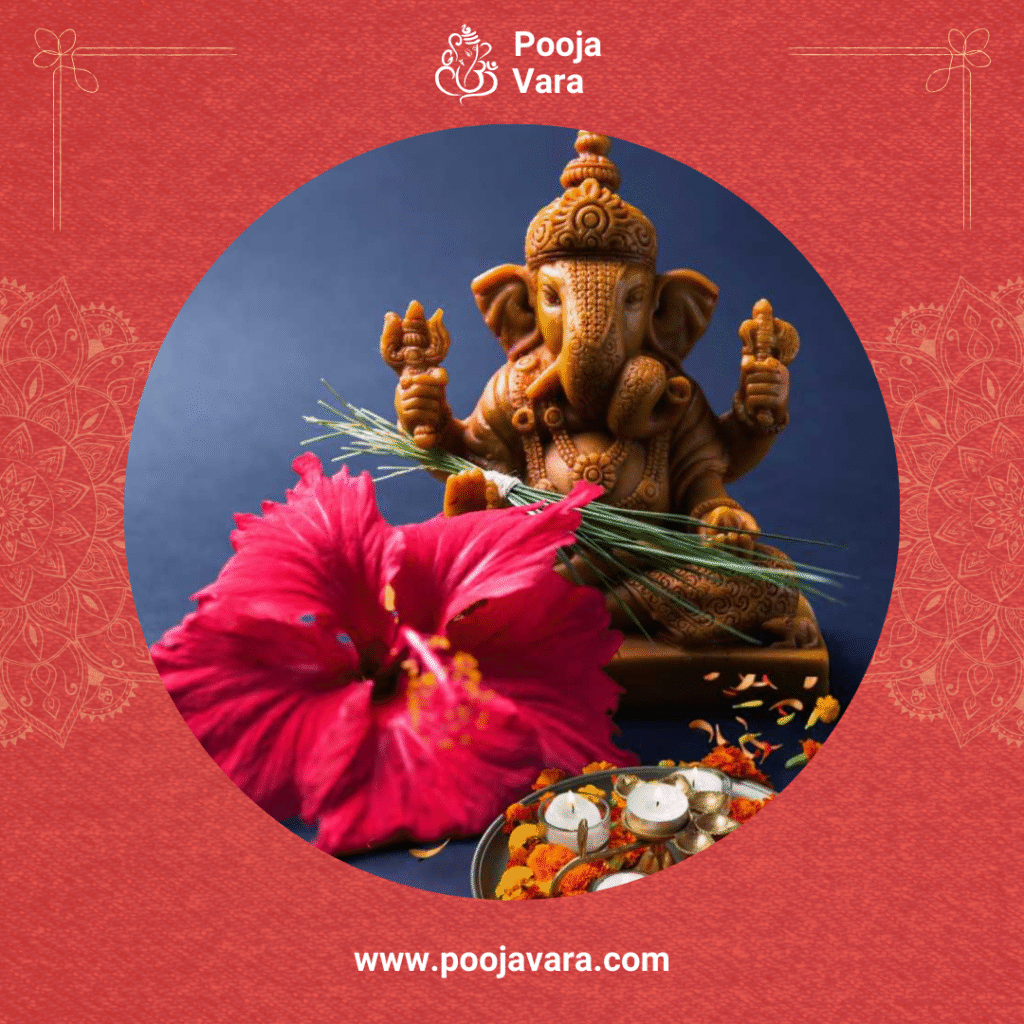
Ganapati Pooja, also known as Ganesh Pooja or Ganapati Puja, is a Hindu religious ceremony dedicated to Lord Ganesha.
Lord Ganesha is traditionally worshipped before many important beginnings, including weddings, housewarming ceremonies, business inaugurations, educational milestones, and other auspicious occasions.
The ceremony may involve the invocation of Lord Ganesha, the chanting of mantras, the offering of flowers and sweets, and prayers for prosperity and the successful completion of an undertaking.
The exact procedure depends on the family’s tradition, the purpose of the ceremony, and the priest conducting the ritual.
Families may perform Ganapati Pooja for several religious and personal occasions, including:
Seeking blessings before starting a new business.
Performing prayers before entering a new home.
Beginning wedding ceremonies and other important family functions.
Celebrating Ganesh Chaturthi.
Seeking blessings for education, career, and new endeavours.
Performing religious rituals during festivals and auspicious occasions.
If you are planning a ceremony in Delhi, discussing your specific purpose with the priest can help determine the appropriate procedure.
Lord Ganesha is revered as Vighnaharta, meaning the remover of obstacles, and is associated with wisdom, discernment, and auspicious beginnings.
Ganapati Pooja is therefore an important part of many Hindu ceremonies.
Many families begin important activities with prayers to Lord Ganesha. These may include purchasing property, opening a shop, starting a business, or beginning a new professional journey.
The ceremony provides an opportunity for families to come together, offer prayers, and observe their religious traditions.
Ganapati Pooja helps families preserve customs and pass religious practices to younger generations.
During Ganesh Chaturthi, families may install an idol of Lord Ganesha and perform daily worship or a more elaborate puja according to their customs.
Ganapati Pooja can be performed throughout the year, depending on the occasion and family tradition.
Some families choose specific festival dates or auspicious timings, while others perform the ceremony before an important event.
Ganesh Chaturthi is a major festival dedicated to Lord Ganesha. Families celebrate by performing puja, offering traditional foods, reciting prayers, and observing other customs according to their traditions.
If you need a priest during Ganesh Chaturthi in Delhi, booking early is advisable because demand may increase during the festival period.
Some families perform Ganapati Pooja as part of their Griha Pravesh preparations or include it within the larger housewarming ritual.
Discuss the complete ceremony with the priest to determine whether Ganapati Pooja will be performed separately or as part of the main puja.
Business owners may arrange Ganapati Pooja before opening a shop, office, showroom, or commercial establishment.
The ceremony can be planned according to the inauguration schedule and the family’s preferred religious customs.
If you wish to perform Ganapati Pooja at a specific auspicious time, consult a knowledgeable priest or an appropriate Hindu calendar.
The recommended muhurat may depend on the occasion, local calendar, and family tradition. Confirm the date and time with your priest before finalizing the booking.
The exact procedure for Ganapati Pooja can vary depending on the ceremony’s purpose and the tradition followed by the family. A priest can explain the steps and adapt the ritual to your requirements.
The following is a general overview of common elements of the ceremony.
The ceremony begins with preparing a clean and suitable area for worship.
Families may arrange a puja platform, an idol or image of Lord Ganesha, flowers, lamps, offerings, and the required puja materials.
For a home ceremony, ensure that the priest has sufficient space to conduct the ritual comfortably.
Sankalpam is the formal statement of intention for the puja.
Depending on the tradition, the priest may recite the sankalpam with details relating to the worshipper, occasion, and purpose of the ceremony.
The priest invokes Lord Ganesha through traditional prayers and mantras.
This part of the ceremony establishes the focus of worship and prepares the family for the subsequent rituals.
Devotees offer flowers, durva grass where appropriate, fruits, and other traditional items.
The priest may perform Ganapati Archana by reciting names of Lord Ganesha and offering flowers or other prescribed materials.
The specific offerings depend on the family’s tradition and the type of puja.
Modak and other sweets are traditionally associated with Lord Ganesha.
Families may offer modak, fruits, coconut, and other suitable naivedyam as part of the ceremony.
Ask the priest whether any specific food offerings are required and whether the family should prepare them in advance.
The priest recites the appropriate mantras and prayers.
Depending on the ceremony, additional recitations or rituals may be included.
Aarti is performed as an expression of devotion. Family members may participate by singing traditional devotional songs and offering prayers.
At the conclusion of the ceremony, prasad is distributed among family members and guests.
The priest may also explain any remaining rituals or customary practices that should be followed.
Important: This is a general outline, not a universal ritual sequence. Follow the procedure recommended by your priest for your particular tradition and occasion.
Preparing the required puja samagri in advance can help the ceremony proceed smoothly.
Common materials may include:
Category | Common items |
|---|---|
Main worship items | Ganesh idol or image, puja platform, clean cloth |
Flowers and leaves | Flowers, durva grass, betel leaves |
Traditional offerings | Coconut, bananas, seasonal fruits, modak or other sweets |
Puja essentials | Turmeric, kumkum, sandalwood paste, rice or akshata |
Lighting materials | Oil or ghee lamp, cotton wicks, incense sticks |
Ritual vessels | Kalash, water vessel, plates and bowls |
Other materials | Camphor, ghee, betel nuts and other items specified by the priest |
The exact list depends on the ceremony and regional practices.
Before purchasing anything, ask the priest for a complete checklist. This prevents unnecessary purchases and ensures that special materials are available when required.
Ganapati Pooja is a meaningful Hindu ritual that marks new beginnings, celebrates religious traditions, and brings families together in prayer. Whether you are preparing for Ganesh Chaturthi, moving into a new home, opening a business, or celebrating a special family occasion, proper planning can help make the ceremony more organized and memorable.
When looking for Ganapati Pooja in Delhi, consider the priest’s experience, your preferred tradition, the ceremony date, samagri requirements, and the total cost. Discuss your expectations in advance and confirm all arrangements before the puja.
Online puja booking services can make it easier to enquire about suitable priests and coordinate the arrangements for your ceremony.
Planning Ganapati Pooja in Delhi? Start by sharing your ceremony requirements, preferred date, location, and language with a suitable priest or puja service provider. Book in advance, prepare the required samagri, and make time for a peaceful and meaningful worship experience.
