poojavara.com

Top 10 Hindu Pujas in Hyderabad | Book Pandit Ji Online

Top 10 Hindu Pujas You Can Book Pandit Ji For in Hyderabad

Hyderabad — a city where tradition blends beautifully with modern life. From the serene temples of Jubilee Hills to the sacred homes of Banjara Hills, performing pujas with devotion is a vital part of every Hindu household.

But finding the right Pandit Ji in Hyderabad for your rituals can be time-consuming. That’s why online pandit booking platforms like Poojavara make it simple to connect with qualified, Vedic-trained Pandits for every occasion — all from the comfort of your home.

Let’s explore the Top 10 Hindu Pujas you can book Pandit Ji for in Hyderabad, and understand their spiritual significance.

1. Griha Pravesh Puja (Housewarming Ceremony)

Moving into a new home is one of life’s most auspicious moments. The Griha Pravesh Puja purifies the space from negative energies and invokes divine blessings from Goddess Lakshmi and Lord Ganesha for prosperity and peace.

  • Ideal Time: Performed before entering a new home, based on Muhurtham (auspicious time).

  • Main Deity: Lord Ganesha, Goddess Lakshmi

  • Pandit Ji Required: Yes, for Vastu Shanti and Griha Pravesh rituals.

📍 Book a certified Pandit for Griha Pravesh Puja in Hyderabad on Poojavara.com

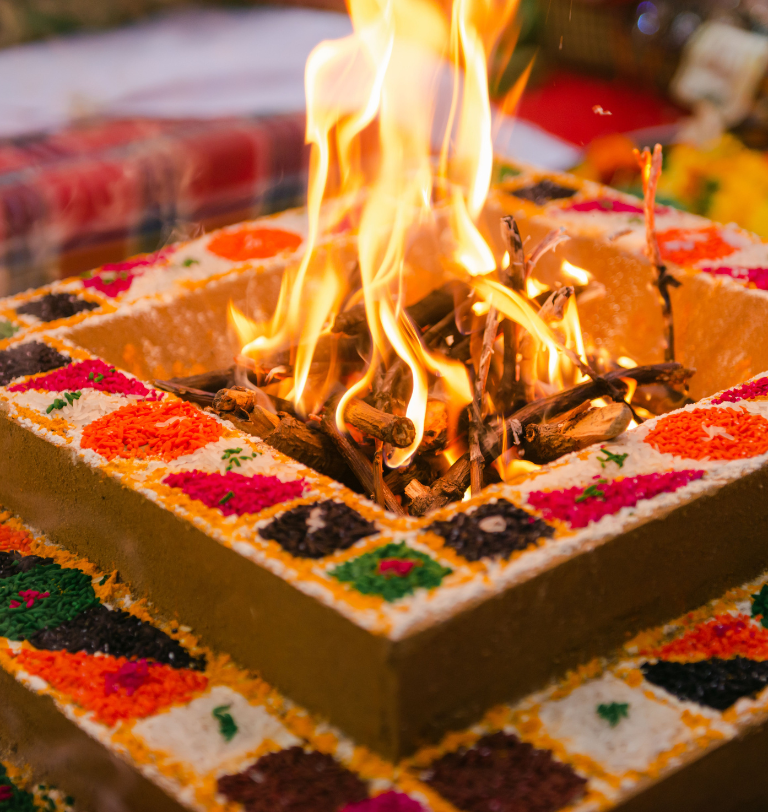
Grihapravesham

2. Satyanarayan Puja

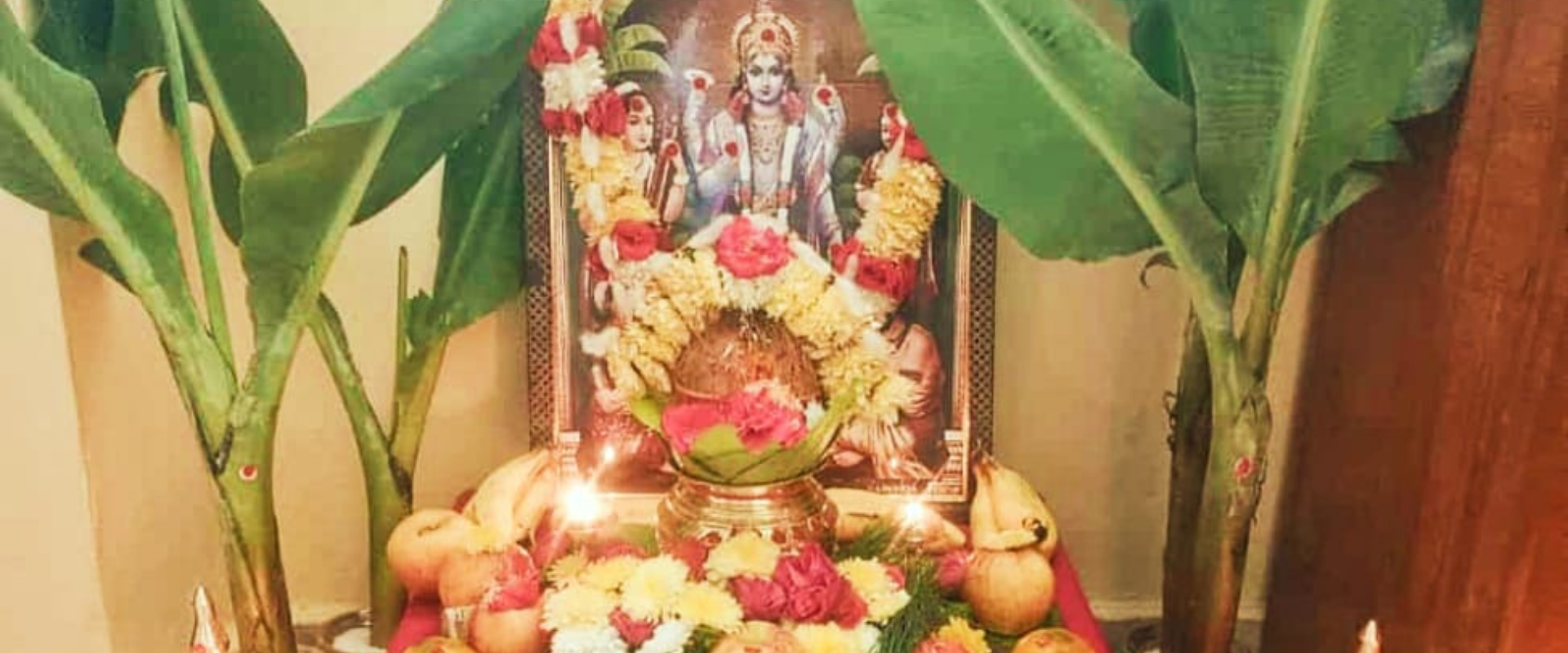
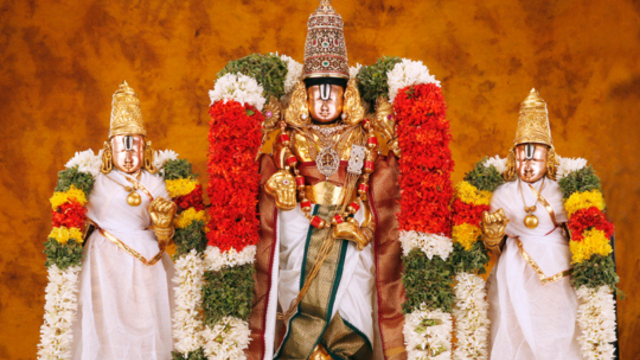
A sacred ceremony dedicated to Lord Vishnu, this puja is performed for success, health, and wealth. It’s usually done on full moon days or after major milestones like marriage or childbirth.

  • Duration: Around 2–3 hours

  • Essential Samagri: Kalash, fruits, tulsi leaves, prasadam, and banana leaves

🙏 Find experienced Satyanarayan Puja Pandits in Hyderabad who perform the ritual with authentic procedures.
Online Pooja

3. Lakshmi Puja (Diwali Special)

Performed to seek the blessings of Goddess Mahalakshmi, this puja brings prosperity and financial stability. In Hyderabad, many families also combine it with Kubera Puja for enhanced wealth and abundance.

  • Best Day: Diwali or Fridays

  • Pandit Tip: Use silver coins or idols of Lakshmi for maximum spiritual benefit

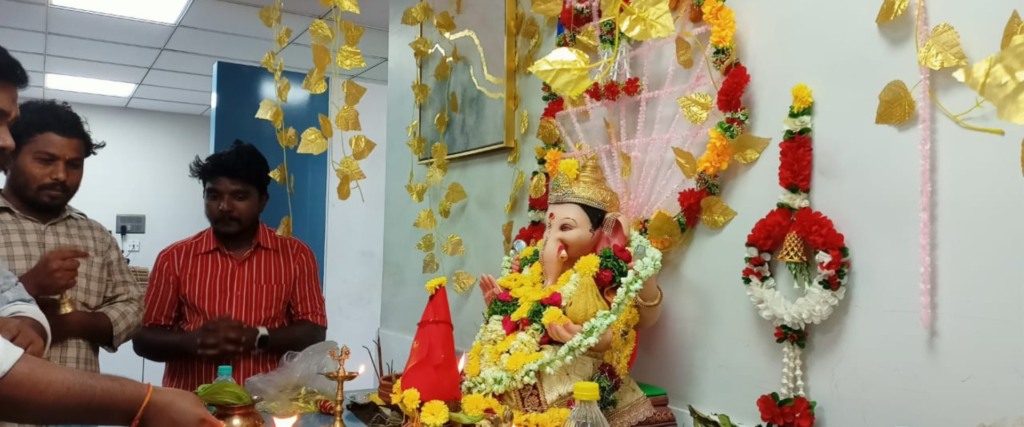
4. Ganesh Chaturthi Puja

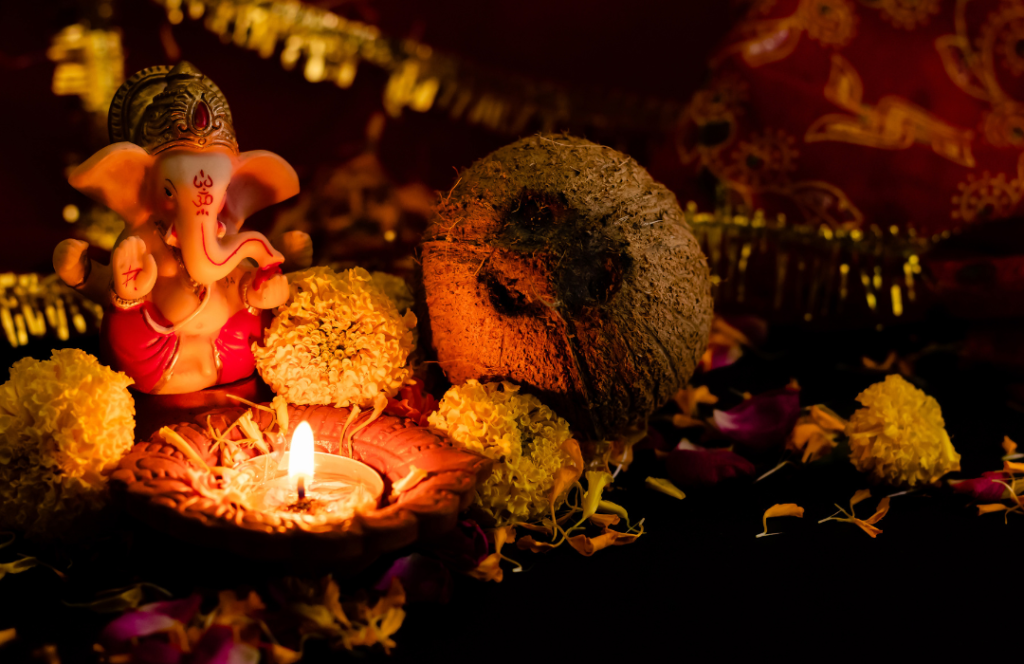
Hyderabad celebrates Ganesh Chaturthi with grandeur! Performing a Ganapathi Puja at home removes obstacles and brings harmony.

  • Main Deity: Lord Ganesha

  • Duration: 1–2 hours

  • Samagri: Modak, durva grass, red flowers, ghee lamps

🕉️ Book Ganesh Chaturthi Puja Pandit Ji in Hyderabad for both home and office ceremonies.
Online pooja

5. Namakaran Puja (Baby Naming Ceremony)

This ceremony is conducted to name the newborn under divine guidance. The Pandit Ji determines the name based on the baby’s nakshatra and janma kundali.

  • Ideal Time: 11th or 12th day after birth

  • Purpose: Bless the baby with good fortune, health, and long life

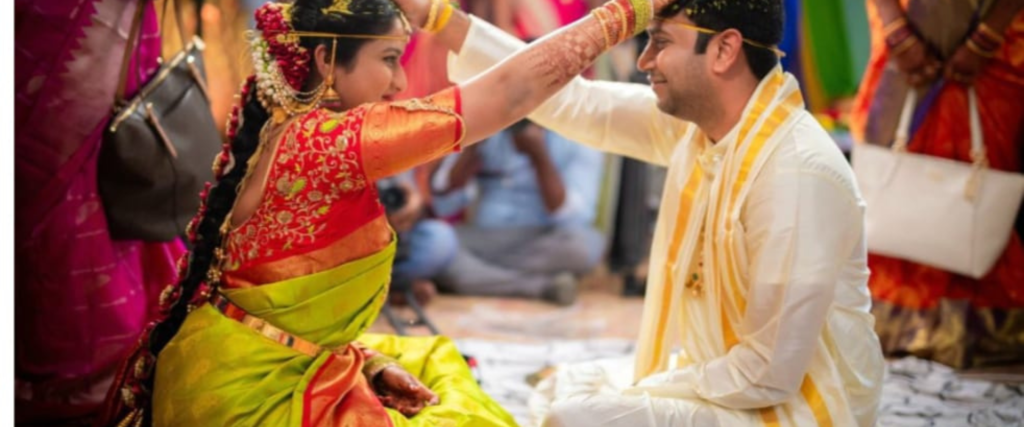
6. Vivah Puja (Hindu Wedding Rituals)

Weddings in Hyderabad blend cultural richness with sacred customs. A professional wedding Pandit Ji ensures every ritual — from Ganesh Puja to Saptapadi — is done as per the Vedic tradition.

  • Duration: Full-day ceremony

  • Pandit Role: Mantra chanting, Gotra matching, Havan, and blessings

💒 Hire experienced Wedding Pandits in Hyderabad for seamless and sacred ceremonies.
marriage

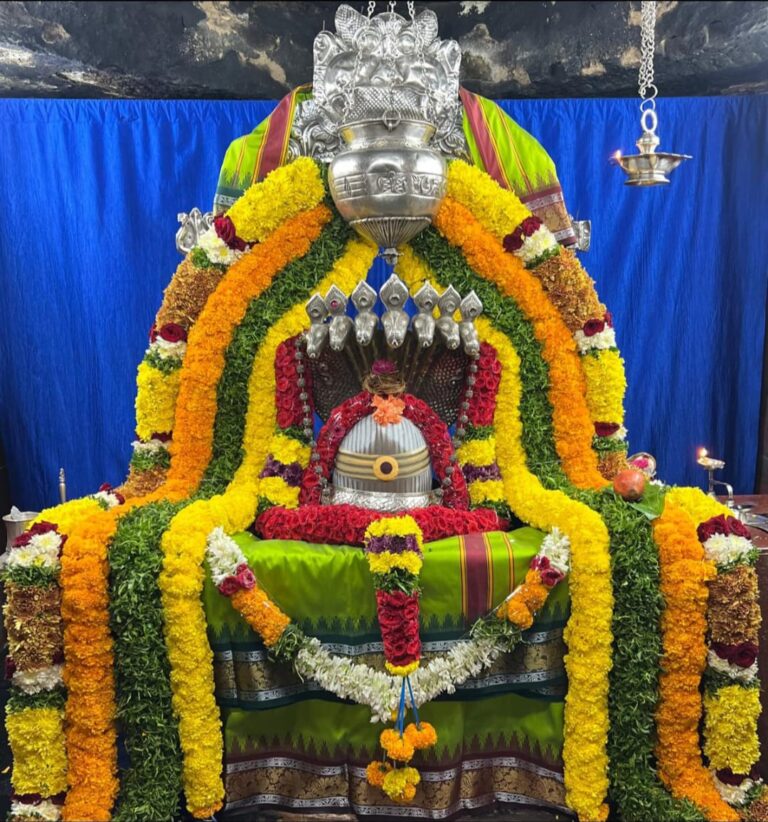
7. Rudrabhishekam Puja

This powerful Shiva Puja removes negative karma and promotes health, wealth, and spiritual growth.

  • Performed For: Lord Shiva

  • Benefits: Peace of mind, protection from planetary doshas, and inner strength
Rudrabhishek Pooja

8. Navagraha Puja

The Navagraha Puja balances the nine planetary forces affecting one’s horoscope. It’s especially recommended before major life changes like starting a business, marriage, or buying property.

  • Deities: Surya, Chandra, Mangal, Budh, Guru, Shukra, Shani, Rahu, Ketu

  • Pandit Requirement: Essential for accurate mantra chanting

9. Pitra Dosh Nivaran Puja

This ritual helps appease ancestors (Pitru Devatas) and remove ancestral karmic debts. It’s often performed during Pitru Paksha.

  • Purpose: Bring peace to departed souls and family prosperity

  • Best Performed: Along riverbanks or at home by a trained Pandit Ji

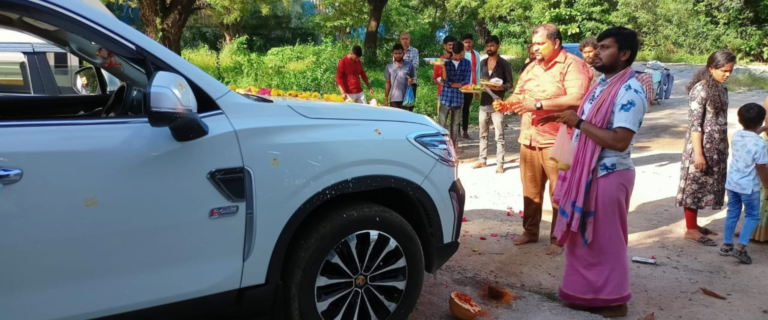
10. Ayudha Puja / Vahana Puja

A ritual of gratitude towards vehicles, tools, and instruments — commonly performed during Dussehra. Especially popular among business owners, mechanics, and drivers in Hyderabad.

  • Best Time: Navratri or Vijayadashami

  • Purpose: Ensure safety, smooth functioning, and divine blessings
Ayudha Puja

How to Book Pandit Ji Online in Hyderabad

Booking a Pandit Ji near you is now easy and transparent. Platforms like Poojavara.com offer:
✅ Certified and experienced Pandits
✅ Transparent pricing
✅ Puja Samagri included
✅ Language preference (Telugu, Hindi, Tamil, Kannada)
✅ Hassle-free doorstep service

Conclusion

Performing pujas with devotion connects us deeply with divine energy — and having a qualified Pandit Ji ensures your rituals are spiritually fulfilling and correctly executed.

If you’re in Hyderabad and planning an upcoming ceremony, from Griha Pravesh to Satyanarayan Puja, don’t wait —

👉 Book a Pandit Ji near you on Poojavara.com for a seamless, sacred, and stress-free experience.

FAQs About Booking Pandit Ji in Hyderabad

Yes, online platforms like Poojavara allow you to choose your preferred puja, language, and location in just a few clicks.

Not necessarily. Most online services provide complete Puja Samagri kits along with the Pandit Ji.

Yes, all listed Pandits are Vedic-trained and verified to ensure authenticity and proper rituals.

Depending on the puja type, charges range between ₹1,000–₹10,000 including samagri.

Ideally, 2–3 days in advance to get the right Muhurtham and availability.
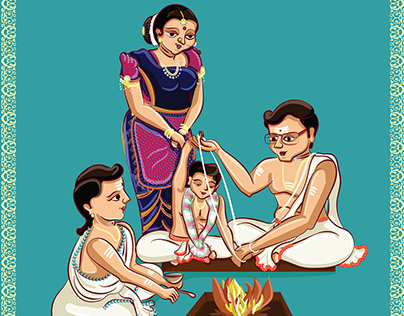
Upanayanam Ceremony: Meaning, Traditions & Relevance

Upanayanam Ceremony: Meaning, Traditions & Modern-Day Relevance

The Upanayanam ceremony, also known as the Sacred Thread Ceremony or Yajnopavita Samskara, is one of the most important rites of passage in Hindu culture. Deeply rooted in Vedic traditions, it symbolizes the beginning of a child’s formal spiritual education. While the rituals remain sacred, the way this ceremony is celebrated has evolved with time. In this guide, we’ll explore the meaning, history, rituals, traditions, and modern-day relevance of Upanayanam.

What is Upanayanam?

Upanayanam comes from the Sanskrit word “Upa” (near) and “Nayanam” (leading or guiding), meaning “leading the child closer to the guru or knowledge.” It marks the initiation of a boy into the study of the Vedas and spiritual discipline. Traditionally, it was performed for boys of the Brahmin, Kshatriya, and Vaishya communities, usually between the ages of 7 and 16.

Upanayanam

The Sacred Thread: Symbolism and Importance

The sacred thread (yajnopavita) is central to the Upanayanam ceremony.

  • Three Strands: Represent purity in thought, word, and deed.

  • Commitment: Symbolizes a promise to follow dharma and seek higher knowledge.

  • Spiritual Identity: Marks the transformation from childhood to student life (Brahmacharya).

Traditions and Rituals of Upanayanam

1. Pre-Ceremony Preparations

Families consult astrologers to choose an auspicious date (muhurat). Invitations are sent, and the child is prepared through cleansing rituals.

2. Key Rituals in the Ceremony
  •  
    • Alankara (Decoration): The child is adorned in traditional attire.

    • Mantra Initiation: The guru whispers the sacred Gayatri Mantra in the boy’s ear.

    • Wearing of the Sacred Thread: The most symbolic act of the ceremony.

    • Bhiksha: The child begs for alms from his mother, symbolizing humility and learning to depend on society.

3. Community & Family Role

The ceremony often takes place in temples or homes, with priests leading the rituals and relatives participating in the celebrations.

Modern-Day Relevance of Upanayanam

Though rooted in tradition, Upanayanam continues to hold significance in today’s world:

  • Spiritual Awareness: Reinforces the importance of values and discipline in youth.

  • Cultural Identity: Helps families preserve and pass on their heritage.

  • Adaptations: Some families now include daughters in the ritual, reflecting gender equality.

  • Global Celebrations: With diaspora communities, Upanayanam is now celebrated worldwide with modern touches like live streaming for relatives abroad.

Conclusion

The Upanayanam ceremony is not just a ritual—it is a bridge between tradition and modern life. It signifies spiritual awakening, cultural continuity, and the values of discipline and learning. While practices may evolve with time, the essence of Upanayanam remains timeless.

Call to Action: If you’re planning an Upanayanam ceremony, explore our guide on Traditional Hindu Rituals and connect with our experts for event planning, décor, and priest services. Let us help you celebrate this sacred milestone with authenticity and grace.

FAQs on Upanayanam Ceremony

Traditionally, it is performed between 7 and 16 years of age, depending on community customs.

Historically, it was reserved for boys, but many modern families now allow girls to participate as a step towards equality.

The three strands symbolize purity of thought, word, and deed, along with commitment to spiritual learning.

It is an important samskara, but many modern families may choose to skip or adapt the ritual based on personal beliefs.

Indian diaspora communities celebrate it in temples or cultural centers, often blending traditional rituals with modern conveniences.

Karna Vedha Muhurat: Right Age & Traditions Explained

When is the Right Time for Karna Vedha? Auspicious Muhurat & Traditions Explained

In Hindu tradition, Karna Vedha (ear piercing ceremony) is more than just a cultural practice—it’s a sacred Samskara with deep spiritual, health, and cultural significance. From enhancing energy flow to symbolizing a child’s initiation into learning and protection from negative forces, Karna Vedha holds a special place in Vedic rituals.

But one common question parents often ask is: “When is the right time for Karna Vedha?” Choosing the correct auspicious muhurat (timing) ensures that the ritual brings blessings, prosperity, and protection for the child. In this blog, we’ll explore the ideal age, Vedic traditions, auspicious muhurat, and significance of the Karna Vedha ceremony.

What is Karna Vedha?

Karna Vedha is one of the 16 Hindu Samskaras (rites of passage), where a child’s ears are pierced in a sacred ceremony performed with mantras and rituals. This practice is believed to:

  • Open the Nadis (energy channels) for better concentration.

  • Enhance intellectual growth and spiritual development.

  • Improve hearing and overall health according to Ayurveda.

  • Protect the child from negative energies.

Karna Vedha

When is the Right Time for Karna Vedha?

Traditionally, the ideal time for Karna Vedha is determined based on:

1. Child’s Age

Most scriptures recommend performing Karna Vedha in the 6th or 7th month after birth.

Alternatively, it can be done in the 3rd or 5th year of the child if missed earlier.

2. Gender Differences

For boys, Karna Vedha is often performed before the Upanayanam (sacred thread ceremony).

For girls, it can be performed in infancy or early childhood.

3. Astrological Muhurat

The muhurat is chosen based on the child’s horoscope, tithi, nakshatra, and planetary positions.

Auspicious months include Karthika, Chaitra, and Vaishakha.

📌 Tip: Always consult a qualified Vedic priest to find the best time according to your child’s horoscope.

Auspicious Muhurat for Karna Vedha

The selection of muhurat (auspicious timing) plays a crucial role in ensuring the ceremony’s success. Some general guidelines are:

  • Days considered auspicious: Monday, Wednesday, Thursday, and Friday.

  • Tithis: Dwitiya, Tritiya, Panchami, Saptami, Dashami, and Trayodashi.

  • Nakshatras: Rohini, Mrigashira, Pushya, Hasta, Swati, Anuradha, Shravana, Revati.

  • Avoid performing Karna Vedha during Amavasya (new moon) or inauspicious planetary periods.

Traditions & Rituals of Karna Vedha

The ceremony typically includes:

Ganesh Puja – to remove obstacles.

Homam (sacred fire ritual) – seeking divine blessings.

Chanting of Vedic mantras – to purify the ceremony.

Ear piercing – usually performed with a gold or silver needle.

Blessings & Aashirwad – from elders and priests.

Benefits of Karna Vedha

  • Promotes spiritual awareness.

  • Enhances concentration and intellect.

  • Balances doshas and improves health.

  • Connects the child with ancestral traditions.

Conclusion

Karna Vedha is not just a ritual—it’s a divine blessing for a child’s well-being, intellect, and protection. By performing it at the right age and auspicious muhurat, you ensure that your child receives positive vibrations and lifelong blessings.

👉 If you’re planning for your child’s Karna Vedha ceremony, consult expert priests at Poojavara for authentic rituals and auspicious muhurat guidance.

FAQs on Karna Vedha

Ideally, in the 6th or 7th month, or in the 3rd or 5th year of the child.

Yes, it can be performed at home with the guidance of a qualified priest and proper rituals.

While it is a Hindu Samskara, ear piercing is a common practice in many cultures worldwide.

Traditionally, gold or silver is preferred due to their purity and health benefits.

If missed in infancy, it can be performed later, but always consult a priest for the best alternative muhurat.

Daily Pooja Vidhi for Busy Professionals | Simple Home Rituals

Daily Pooja Vidhi at Home: A Simple Guide for Working Professionals

In today’s fast-paced world, finding time for spirituality can be challenging—especially for working professionals juggling jobs, meetings, and commutes. But daily pooja (worship) doesn’t have to be time-consuming or complicated. A simple, heartfelt ritual can keep you connected to divine energy, reduce stress, and bring clarity to your day.

This blog provides a simplified daily pooja vidhi at home, specifically curated for professionals who seek spiritual balance amidst their hectic schedules.

Why Daily Pooja Matters – Even with a Busy Lifestyle

  • Helps start your day with positivity and mindfulness

  • Creates a routine of discipline and gratitude

  • Aligns your mind, body, and spirit

  • Strengthens your connection to your Ishta Devata (personal deity)

Online Puja

Essential Items for Daily Pooja at Home

Before starting your daily pooja, gather these basic items:

  • Small brass/copper kalash with water
  • Diya (lamp) with ghee or oil
  • Incense sticks (agarbatti or dhoop)
  • Fresh flowers or tulsi leaves
  • Bell (ghanti)
  • Camphor or matchstick
  • Photo/idol of your deity
  • Mantra book or mobile app

Optional: Scented sandalwood paste (chandan), kumkum, rice grains (akshata), and fruits.

10-Minute Daily Pooja Vidhi for Working Professionals

You don’t need an hour-long procedure to connect with divinity. This 10-minute pooja method is authentic yet simplified:

Step-by-Step Guide
1. Cleanse the Space (1 minute)
  • Light a diya and incense stick.

  • Sprinkle a few drops of water to purify the area.

2. Dhyana (1 minute)
  • Sit silently. Take 3 deep breaths.

  • Focus your thoughts and bring your mind to stillness.

3. Prarthana & Sankalp (1 minute)
  • Fold hands and mentally state your sankalp (intention) for the day.

4. Lighting the Lamp & Offering (2 minutes)
  • Light the lamp, offer flowers or tulsi to the deity.

  • Optional: Apply chandan/kumkum on the idol and yourself.

5. Chanting or Listening to Mantras (3 minutes)
  • Chant simple mantras like:

    • Om Namah Shivaya

    • Om Namo Narayanaya

    • Gayatri Mantra

  • Or play them on your phone softly.

6. Aarti & Bell (1 minute)
  • Perform aarti with camphor or diya while ringing the bell.

  • Express gratitude and close your eyes in prayer.

7. Prasadam (1 minute)
  • Offer fruit or dry fruit as naivedyam, then consume it as prasadam.

Tips to Maintain Consistency

  • Choose a fixed time—preferably morning before leaving for work.

  • Use a small pooja setup on a table or shelf.

  • Even 5 minutes done mindfully is better than none.

  • Set a reminder on your phone.

  • Involve family for shared spiritual bonding.

Customizing Pooja by Deity

Depending on your personal beliefs, you can focus your daily worship:

  • For Ganesha – Chant “Om Gam Ganapataye Namah”

  • For Shiva – Offer bilva leaves, chant “Om Namah Shivaya”

  • For Vishnu – Use tulsi leaves, chant “Om Namo Narayanaya”

  • For Devi/Durga – Offer red flowers, chant “Om Dum Durgaye Namah”

Benefits of Daily Pooja for Working Professionals

✅ Reduces stress and anxiety
✅ Enhances mental clarity
✅ Builds discipline and routine
✅ Encourages spiritual growth
✅ Strengthens emotional resilience

Conclusion: Embrace Spirituality Without Stress

Daily pooja isn’t about long rituals—it’s about creating a moment of divine connection in your day. Even 10 minutes of mindful worship can uplift your mood, strengthen your focus, and bring peace into your daily hustle.

Remember: It’s not how long you pray, but how sincerely.

Call to Action

🙏 Want to perform pooja the right way every day?
Explore our Poojavara Pooja Kits and get everything you need in one place—delivered pan India.
Also, check out our Vedic Pooja Services for customized ceremonies at home.

FAQs

Yes, if pressed for time, washing hands, feet, and face is sufficient. But bathing is ideal when possible.

Absolutely. You can do pooja in the evening, ideally before sunset, with the same process.

Traditions vary. Many modern households allow a simple, heartfelt prayer without physical rituals.

That’s okay. Resume from the next day. The intention and consistency matter more than perfection.

Types of Homams and Their Significance | Vedic Rituals

🕉️ Understanding Different Types of Homams and Their Significance

In the vast spiritual landscape of Hinduism, Homams (or Homas) hold a sacred place. These powerful Vedic fire rituals are performed to invoke divine blessings, remove obstacles, and fulfill specific desires — from prosperity and health to spiritual growth and planetary peace.

In this blog, we will explore:

  • What a Homam is

  • Different types of Homams

  • Their individual significance and benefits

  • When and why you should perform them

Let’s dive into this sacred world of Vedic fire offerings and uncover the divine essence of each Homam.

🔥 What is a Homam?

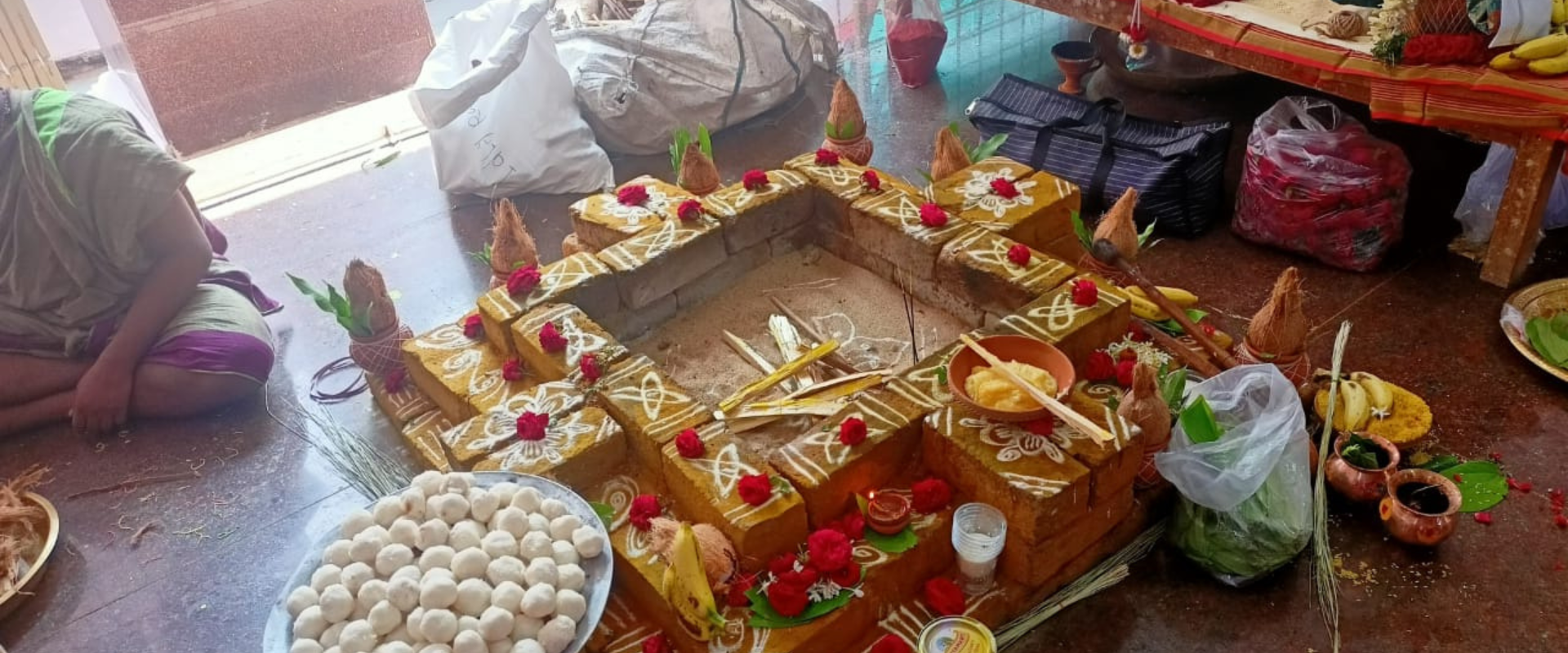
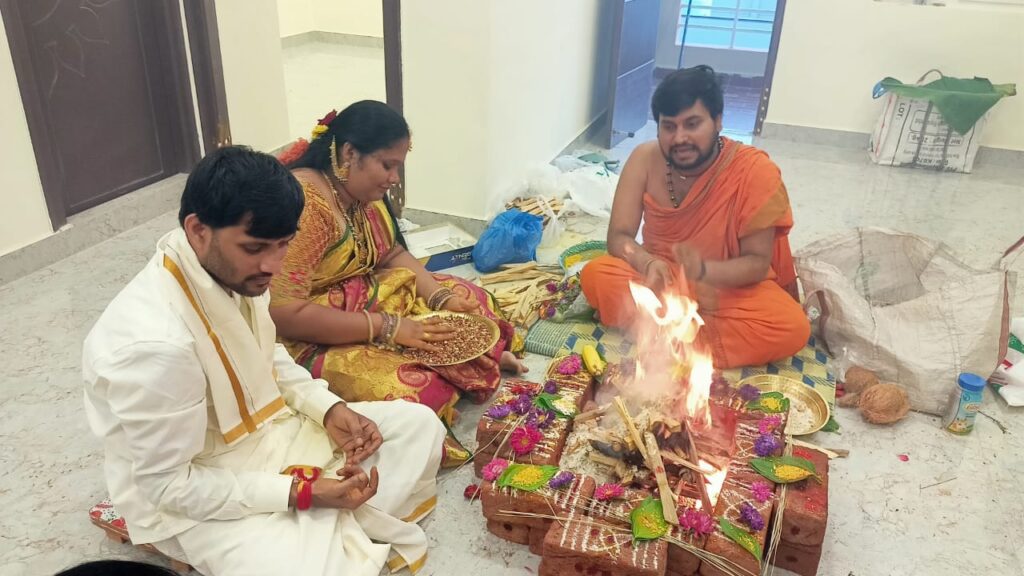
A Homam is a fire ritual performed in accordance with the Vedas to worship specific deities through offerings (Ahuti) made into the sacred fire (Agni). These rituals involve:

  • Mantra chanting by qualified priests
  • Offering of sacred materials (ghee, herbs, grains)
  • Aimed at pleasing the deity and gaining blessings
  •  
  • Homams are typically performed during:
  •  
  • Auspicious occasions
  • New beginnings (housewarming, childbirth, business)
  • Festivals or Vratams
  • Times of planetary afflictions (Doshas)
Homams

🌿 Types of Homams and Their Significance

🔱 1. Ganapathi Homam – For Removing Obstacles

Keyword: Ganapathi Homam benefits
Performed to invoke Lord Ganesha, the remover of obstacles.
Ideal for: New ventures, housewarming, exams, weddings.
Benefits:

  • Clears physical, emotional, and spiritual obstacles

  • Brings clarity and focus

  • Enhances success in any new initiative

➡️ Book Ganapathi Homam Online

🌕 2. Navagraha Homam – For Planetary Peace

Keyword: Navagraha Homam significance
Dedicated to the Nine Planets (Navagrahas), this Homam reduces negative planetary influences.
Ideal for: People experiencing astrology-related issues (Rahu/Ketu doshas, Shani Dasha).
Benefits:

  • Balances karma

  • Brings peace and harmony

  • Promotes health, wealth, and family unity

➡️  Book Navagraha Homam Online

🕯️ 3. Sudarsana Homam – For Protection & Health

Keyword: Sudarsana Homam for protection
Performed to invoke Lord Sudarsana, the weapon of Lord Vishnu.
Ideal for: Removing evil forces, black magic, and negative energies.
Benefits:

  • Cures chronic health issues

  • Offers spiritual protection

  • Ensures inner and outer cleansing

➡️ Book Sudarsana Homam Online

🔥 4. Lakshmi Kubera Homam – For Wealth & Prosperity

Keyword: Lakshmi Kubera Homam for money
A dual invocation of Goddess Lakshmi and Lord Kubera for abundance and financial growth.
Ideal for: Business growth, financial stability, career boost.
Benefits:

  • Attracts wealth and material success

  • Clears debts and boosts income

  • Enhances spiritual abundance

➡️ Book Lakshmi Kubera Homam Online

🌟 5. Ayushya Homam – For Longevity and Health

Keyword: Ayushya Homam for long life
Performed on birthdays or after recovery from illness to invoke Dhanvantri, the god of medicine.
Ideal for: Infants, elders, people recovering from illness.
Benefits:

🔱 6. Rudra Homam – For Inner Peace & Destruction of Negativity

Keyword: Rudra Homam benefits
A powerful ritual invoking Lord Shiva in his Rudra form.
Ideal for: Emotional purification, destruction of sins, planetary peace.
Benefits:

  • Brings mental clarity and emotional balance

  • Destroys accumulated karma

  • Promotes spiritual growth

  • ➡️ Book Rudra Homam Online
  •  

📅 When Should You Perform a Homam?

Homams are best performed during:

  • Auspicious Muhurats (consult your astrologer or priest)

  • Tithis like Pournami, Amavasya, Ekadashi

  • Festivals and Vrat days

  • Personal milestones (wedding, business launch, baby naming)

For accurate timing, it’s best to consult a Vedic priest or Jyotishi.

🙏 Final Thoughts: The Power of Fire Rituals

Homams are not just spiritual performances; they are energy-transforming Vedic rituals that work on physical, mental, and karmic levels. Whether you’re seeking peace, health, success, or protection, there’s a Homam designed for your unique needs.

Embrace these sacred rituals not just as tradition, but as tools to elevate your consciousness and align your life with higher energies.

📞 Call to Action

Looking to perform a Homam at home or temple?
Book trusted Vedic priests, find the right Muhurat, and get authentic Samagri delivered.

👉 Explore All Homam Services on Poojavara
📱 Call Us: +91-7780151337
🌐 Pan India Service | Verified Priests | Vedic Accuracy

FAQs

A Homam is a fire ritual aimed at pleasing specific deities to seek blessings, protection, and removal of obstacles in various aspects of life.

Yes. Especially Navagraha Homam, which helps balance planetary doshas and brings peace and harmony.

Yes, many Homams can be performed at home with the guidance of a qualified priest. However, some may require specific setups like Yagna Kundam.

Depending on the type, a Homam can take anywhere between 1 to 4 hours. Complex rituals like Chandi Homam may take longer.

It’s recommended to observe light fasting or eat sattvic food, but specific instructions will be provided by the priest.

Why Muhurat Matters: Auspicious Timings for Every Pooja

Why Muhurat Matters: Auspicious Timings for Every Pooja

In Hindu tradition, every ceremony—from naming a baby to buying a new home—is deeply rooted in spiritual significance. But did you know that even the timing of these rituals can influence their success?

This is where Muhurat comes in—a specific window of time, considered most auspicious for conducting religious activities. Whether it’s a Griha Pravesh, Annaprasanam, Aksharabhyasam, or a simple Satyanarayan Vrat, choosing the right Muhurat is believed to invite divine blessings and prosperity.

In this blog, we’ll explore the importance of Muhurat, how it is calculated, and why it matters for every type of Pooja or ritual.

What is Muhurat?

Muhurat (also spelled Muhurtham) is a unit of time in Vedic astrology that denotes an auspicious period for beginning new ventures, performing religious ceremonies, or making life-changing decisions.

According to Hindu scriptures, time is divided into 30 Muhurats per day, each approximately 48 minutes long. But not all of them are considered favorable.

Muhurat Matters

Why Muhurat Matters in Hindu Rituals

1. Aligning with Cosmic Energy

Performing a Pooja during a favorable Muhurat means syncing your intentions with cosmic energies. Vedic astrology considers the positions of celestial bodies—like the moon, sun, and planets—to determine the most harmonious time for your ritual.

2. Inviting Prosperity and Success

Starting any ritual at the wrong time may reduce its spiritual effectiveness. Choosing the right Muhurat ensures that your prayers are more likely to be fulfilled and brings peace, prosperity, and positivity into your life.

3. Avoiding Doshas (Negative Effects)

An incorrect timing can sometimes clash with planetary movements, leading to Doshas (unfavorable results). Muhurat helps in avoiding such astrological imbalances.

Types of Poojas and Their Auspicious Timings

Here’s a look at some important ceremonies and how Muhurat plays a role in each:

Griha Pravesh (Housewarming Ceremony)

Performing Griha Pravesh during an auspicious time like Shubh Muhurat or Abhijit Muhurat ensures blessings of peace, wealth, and good health in the new home. Avoid Rahu Kaal and Amavasya days.

👉 Read More: What is Griha Pravesh Pooja? Steps, Benefits & Muhurat

Annaprasanam (First Rice-Eating Ceremony)

Annaprasanam should be performed in a favorable Nakshatra like Rohini, Ashwini, or Anuradha, based on the child’s birth chart. A proper Muhurat ensures healthy digestion and long life for the baby.

👉 Related Post: Annaprasanam: Rituals, Meaning & Cultural Significance

Aksharabhyasam (Beginning of Learning)

This sacred ritual marks a child’s first step into education. A good Muhurat during Vasant Panchami or Saraswati Puja aligns the child’s mind with knowledge, intelligence, and academic success.

👉 Explore Now: Book Aksharabhyasam Ceremony Online

Marriage (Vivah Muhurat)

Weddings performed during Shubh Vivah Muhurat are believed to bring love, harmony, and longevity in the marital bond. Avoid inauspicious periods like Chaturmas and Pitru Paksha.

Satyanarayan Vrat or Pooja

Typically performed on Purnima (Full Moon) or Ekadashi, this Pooja brings divine grace, removes obstacles, and fulfills desires when done in a proper Muhurat.

How to Find the Right Muhurat

Consult a Vedic Astrologer

A Vedic astrologer considers your birth chart (Janma Kundli), Nakshatra, and Tithi to determine the best Muhurat.

Online Panchang and Muhurat Calculators

Many trusted websites and mobile apps like Drik Panchang, Poojavara, and AstroSage offer real-time Muhurat updates based on your location.

Avoid Rahu Kaal & Yamaganda

These are considered inauspicious time periods, usually lasting 90 minutes daily. Avoid any spiritual or financial decisions during this time.

Conclusion: Why Timing is Everything in Spirituality

Time is not just a number in Vedic culture—it’s energy. And choosing the right Muhurat amplifies the divine power of any ceremony. Be it a small Pooja at home or a grand wedding, aligning with auspicious timings ensures harmony, peace, and success in every aspect of life.

Ready to Perform Your Next Pooja with the Right Muhurat?

Book Vedic Pandits Online for all types of Poojas at Poojavara.com
✅ Get expert guidance on Muhurat, Samagri & Vidhi
✅ Pan India Services | Verified Pandits | Transparent Pricing

👉 Book Now

FAQs – Muhurat for Pooja

Muhurat is an auspicious time chosen based on astrological calculations for performing religious rituals or starting important life events.

While not mandatory, following a Muhurat is highly recommended to maximize the spiritual and material benefits of the ritual.

No. Rahu Kaal is considered inauspicious. It’s best to avoid starting any religious ceremony during this time.

Consult a Vedic astrologer or use online tools like Panchang or apps such as Poojavara to get accurate Muhurat timings.

Daily Pooja Benefits: Scientific & Spiritual Insights

Scientific and Spiritual Benefits of Performing Daily Pooja

Performing daily pooja (also spelled puja) is a timeless tradition deeply embedded in Hindu culture. While the spiritual significance of daily worship is well known, modern science also validates many of its benefits. From enhancing mental clarity to improving emotional balance, daily pooja rituals are more than just a religious practice — they are tools for holistic well-being.

Let’s explore how this sacred ritual bridges spiritual devotion with scientific wellness, and why incorporating pooja into your daily life can be transformative.

🕉 What is Daily Pooja?

Daily pooja refers to the act of worshipping the Divine every day, typically performed at a personal home altar. It includes:

  • Lighting a lamp (Deepam)

  • Offering flowers and food (Naivedyam)

  • Chanting mantras or prayers (like Vishnu Sahasranamam or Lalitha Sahasranamam)

  • Meditation and mindfulness

monthly poojas

🔬 Scientific Benefits of Performing Daily Pooja

1. Reduces Stress and Anxiety

Chanting mantras and focusing on a deity during pooja activates the parasympathetic nervous system, promoting relaxation. The repetition creates a meditative state, calming the mind and reducing cortisol (stress hormone) levels.

2. Enhances Focus and Mental Clarity

Performing rituals daily improves attention span, mindfulness, and discipline. Scientific studies on meditation show that consistent spiritual routines enhance neuroplasticity — the brain’s ability to adapt and grow.

3. Balances Emotions

Lighting a lamp and sitting in silence helps regulate emotions. It offers a structured pause, allowing emotional reset, especially after a hectic or overwhelming day.

4. Boosts Immunity and Health

The scent from incense sticks (like sandalwood and camphor) has been found to have antibacterial and purifying effects. Breathing in these natural aromas can improve air quality and respiratory health.

5. Improves Sleep Quality

Evening poojas, combined with chanting or soft bhajans, signal the body to wind down, balancing melatonin and promoting restful sleep.

🧘‍♂️ Spiritual Benefits of Daily Pooja

1. Deepens Divine Connection

Daily pooja serves as a spiritual discipline that fosters devotion (bhakti) and brings the individual closer to the divine, nurturing the soul’s longing for peace and purpose.

2. Cleanses the Aura and Environment

Burning camphor or dhoop during pooja not only purifies the physical space but also helps cleanse negative energies, creating a sacred and peaceful atmosphere.

3. Builds Positive Karma

Regular devotion is said to create good karmic imprints. Consistent prayer and offerings build compassion, gratitude, and humility — qualities that elevate one’s spiritual journey.

4. Aligns Mind, Body, and Spirit

Daily rituals help synchronize the five elements (Pancha Bhootas) within us. This alignment improves overall harmony and promotes spiritual evolution.

5. Creates a Sense of Belonging and Purpose

Pooja gives people, especially in families, a shared sense of tradition, values, and rootedness in spiritual culture.

🪔 Why You Should Start Performing Daily Pooja

Whether you are religious or spiritual, daily pooja can help you:

  • Establish a peaceful start to your day

  • Build a regular habit of mindfulness

  • Stay grounded amid modern-day chaos

  • Feel more centered and emotionally stable

You don’t need a complex ritual to begin. A simple offering of light, flowers, and sincere prayer is enough to bring divine grace and inner strength.

Explore: Book Pooja Services Online with Trusted Vedic Priests

✨ Conclusion: Bring Light Into Your Life with Daily Pooja

In today’s fast-paced world, daily pooja offers a powerful blend of spiritual depth and scientific wellness. Whether you’re seeking inner peace, stronger mental health, or divine blessings, this daily ritual can be a game-changer.

🙏 Start today with a small commitment — light a diya, close your eyes, and offer your heartfelt prayer. Let the divine energy guide you every day.

✅ Call to Action:

Ready to make your daily pooja more meaningful?
Explore Poojavara’s Pooja Kits & Book a Vedic Purohit Online

FAQs

Daily pooja improves mental peace, reduces stress, strengthens spiritual connection, and purifies your home environment.

Yes, scientific studies support that chanting and meditation during pooja reduce anxiety, improve brain function, and enhance emotional health.

Absolutely. A simple routine with lighting a lamp, chanting a mantra, and offering gratitude is enough to reap the benefits.

Ideally during Brahma Muhurta (early morning before sunrise) or Sandhya Kala (sunrise/sunset), when spiritual energies are at their peak.

It instills discipline, cultural values, emotional intelligence, and a sense of belonging from a young age.

Monthly Poojas for Prosperity & Positive Energy at Home

Monthly Poojas to Attract Prosperity and Positivity in Your Home

In today’s fast-paced life, it’s easy to feel disconnected from peace, stability, and prosperity. Our homes, where we seek comfort and balance, can benefit immensely from monthly spiritual practices. Performing regular monthly poojas (rituals) not only purifies the environment but also invokes divine blessings to attract prosperity, harmony, and positive energy.

In this guide, we’ll explore a list of monthly poojas, their spiritual significance, how to perform them, and how they can enhance the energetic vibrations of your living space.

🌿 Why Perform Monthly Poojas?

Monthly poojas are powerful Vedic rituals that align your home and family with universal energy cycles. They are especially beneficial to:

  • Cleanse negativity and bad omens

  • Attract wealth, health, and happiness

  • Enhance spiritual well-being and mental peace

  • Create an aura of positivity and divine protection

Did you know? Regularly observing monthly poojas can reduce doshas (planetary imbalances) and improve family bonding.

monthly poojas

📅 List of Important Monthly Poojas for Prosperity

Here’s a curated calendar of monthly poojas, each offering unique spiritual benefits:

1. Purnima Pooja (Full Moon Pooja)

When: Every Full Moon (Purnima)
Benefits: Enhances mental clarity, brings divine grace, promotes peace.
Recommended Rituals: Satyanarayan Katha, lighting ghee lamps, offering kheer (sweet rice).

🔗 Also read: What is Satyanarayan Pooja? Steps & Significance

2. Amavasya Pooja (New Moon Pooja)

When: Every New Moon (Amavasya)
Benefits: Clears ancestral karma, removes evil energies.
Rituals: Pitru Tarpanam, Deepa Danam (offering lamps), simple homam.

3. Sankashti Chaturthi Pooja

When: 4th day after Full Moon
Benefits: Removes obstacles, improves financial stability.
Rituals: Ganesh abhishekam, durva grass offering, chanting 108 names of Lord Ganesha.

4. Ekadashi Vrat and Pooja

When: 11th day of lunar fortnight (twice a month)
Benefits: Spiritual upliftment, better focus, clearing karmic debts.
Rituals: Vishnu Sahasranama chanting, tulsi offering, fasting.

5. Lakshmi Pooja (Every Friday or Monthly on Full Moon)

Benefits: Attracts wealth and abundance, enhances home luxury.
Rituals: Lotus offering, chanting “Shri Suktam“, lighting cow ghee diya.

6. Pradosham Pooja

When: Twice a month during Trayodashi (13th lunar day)
Benefits: Reduces bad karma, invites divine blessings.
Rituals: Rudra Abhishekam, Bilva Patra offerings, chanting Om Namah Shivaya.

7. Monthly Navagraha Pooja

When: Best performed at month-start
Benefits: Balances planetary energies, improves career and relationships.
Rituals: Lighting 9 diyas, navagraha stotra recitation, special archana.

🪔 Tips for Performing Monthly Poojas at Home

  • Keep a dedicated pooja space clean and sacred

  • Use pure ingredients like cow ghee, sandalwood, turmeric, and flowers

  • Light incense and diya every evening

  • Set clear intentions during each pooja

  • Play soft mantra chants or bhajans to create a spiritual ambiance

  • Seek help from professional Vedic priests for detailed rituals

🔗 Need help? Book Monthly Poojas with Certified Priests

🕉️ Conclusion: Turn Rituals into a Routine for Prosperity

Incorporating monthly poojas into your family’s routine is more than a tradition — it’s a lifestyle that nurtures your inner and outer world. From spiritual purification to financial growth, these rituals serve as sacred reminders to align ourselves with the energies of the universe.

Whether you perform a simple diya lighting or a full-fledged homam, consistency is the key to attracting long-term prosperity and positivity.

📲 Ready to Bring Divine Energy Into Your Home?

Book Your Monthly Poojas Now with Expert Priests →
Experience peace, protection, and prosperity — every single month.

FAQs About Aksharabhyasam

Early morning (Brahma Muhurat) or evening after sunset is ideal for performing poojas for spiritual benefits.

Yes, simple forms of poojas can be done by individuals. However, for full rituals, it’s advisable to consult Vedic priests.

Poojas align your home with divine vibrations, neutralize negativity, and invoke blessings that foster success, health, and wealth.

Fasting enhances spiritual energy but is optional. Follow your capability and consult tradition-specific practices.

Rudrabhishek Pooja: Meaning, Benefits & Rituals

What is Rudrabhishek Pooja and Why is it Performed?

Rudrabhishek Pooja is one of the most powerful and revered rituals in Hinduism, dedicated to Lord Shiva, the destroyer of evil and the transformer. This sacred Vedic ceremony invokes the divine energies of Lord Rudra, a fierce form of Lord Shiva, through Abhishekam (ritualistic bathing) of the Shivling using sacred offerings.

Whether you’re facing challenges in life, seeking peace, or desiring spiritual growth, Rudrabhishek is known to eliminate negativity, fulfill wishes, and bring prosperity. Let’s explore the deeper significance of Rudrabhishek, how it is performed, and why it holds immense spiritual value.

🌿 What is Rudrabhishek Pooja?

Rudrabhishek Pooja is a ritual of offering Panchamrit (milk, curd, honey, ghee, sugar) and sacred items like water, Bilva leaves, and flowers to the Shivling, accompanied by the chanting of Sri Rudram from the Yajurveda. The term “Rudra” refers to the fierce form of Lord Shiva, and “Abhishek” means ceremonial bathing.

It is believed that this Pooja purifies the environment, removes doshas (planetary defects), and grants divine blessings for health, wealth, and protection.

Rudrabhishek Pooja

📜 Scriptural Significance of Rudrabhishek

The origin of Rudrabhishek is found in ancient texts like:

  • Yajurveda – where the Rudram Chamakam hymns are chanted.

  • Shiv Purana – which glorifies the Abhishek of Shivling as one of the highest forms of worship.

  • Ramayana – Lord Rama performed Rudrabhishek at Rameshwaram to please Lord Shiva.

Rudrabhishek is also often performed during Sawan Maas, Mahashivratri, Mondays, and on birthdays or special occasions.

🌟 Benefits of Rudrabhishek Pooja

Performing Rudrabhishek with devotion is said to bring:

✅ Relief from Planetary Doshas (Graha Dosha)

Especially beneficial for those facing hardships due to Shani, Rahu, or Kaal Sarp Dosh.

✅ Peace of Mind & Emotional Stability

The vibration of the Rudram mantras helps reduce stress and brings calmness to the mind.

✅ Removal of Obstacles

Invoking Rudra energy helps in overcoming hurdles in career, health, and relationships.

✅ Health & Prosperity

Rudrabhishek blesses the devotee with good health, longevity, and prosperity.

✅ Ancestral Blessings

Performing Rudrabhishek in memory of ancestors brings peace to their souls and blessings to the family.

🪔 How is Rudrabhishek Performed?

The Pooja is typically performed by qualified Vedic priests and follows a strict procedure:

1. Sankalp (Resolution)

Devotee takes a vow and prays for a specific intention.

2. Invocation of Lord Shiva

Chanting of mantras to invite Shiva’s divine presence.

3. Abhishekam (Holy Bathing of Shivling)

Offerings used include:

  • Water from holy rivers

  • Milk, curd, ghee, honey, sugar

  • Coconut water, rose water

  • Bilva leaves, flowers, and Bhasma

4. Chanting of Rudram Chamakam

Priests chant the powerful Sri Rudram 11 times or more.

5. Aarti and Prasad Distribution

Concludes with an Aarti and distribution of offerings.

🧘 Best Time & Place to Perform Rudrabhishek

  • Best Days: Mondays, Mahashivratri, Pradosh Vrat, Sawan Mondays

  • Best Locations: Shiva temples, Jyotirlingas, or even at home with proper arrangements

For devotees across India, online platforms like Poojavara.com offer hassle-free booking of Rudrabhishek Pooja with certified priests, ensuring Vedic accuracy and convenience.

🕉️ Conclusion: Unlock Divine Power Through Rudrabhishek

Rudrabhishek is more than a ritual — it’s a sacred connection with the mighty Lord Shiva that purifies the soul, blesses the home, and sets life on a positive course. Whether performed during auspicious occasions or during tough phases in life, it ensures spiritual protection and prosperity.

🙏 Ready to Invite the Divine into Your Life?

Book Rudrabhishek Pooja online with experienced Vedic priests at Poojavara.com and let Lord Shiva’s blessings transform your journey.

FAQs About Aksharabhyasam

Rudrabhishek is a Vedic ritual dedicated to Lord Shiva where the Shivling is bathed with sacred items while chanting the Sri Rudram. It invokes peace, prosperity, and divine blessings.

Anyone seeking relief from problems, mental peace, spiritual upliftment, or protection from negative influences should perform Rudrabhishek Pooja.

Yes, Rudrabhishek can be performed at home with the guidance of a learned priest and proper Vedic procedures.

A standard Rudrabhishek Pooja may take between 1.5 to 3 hours, depending on the number of Rudram chants.

Traditional, clean, and modest attire is recommended. Men can wear dhoti-kurta and women can wear saree or salwar kameez.

Top 10 Annual Poojas Every Hindu Home Must Do

🪔 Top 10 Poojas Every Hindu Household Should Perform Annually

Hinduism is a religion rooted in rituals, devotion, and reverence for the divine. In every Hindu household, performing specific poojas (ritual worships) annually ensures spiritual well-being, prosperity, protection from negative energies, and blessings for the family. These poojas aren’t just traditional practices—they are a way to stay connected with our roots, culture, and the divine cosmic order.

In this article, we highlight the top 10 annual poojas that every household should consider performing. Whether you’re in India or abroad, these sacred rituals are powerful anchors of faith and energy.

🌟 Why Annual Poojas Are Important in Hindu Households

Performing poojas annually brings numerous benefits:

  • Maintains spiritual discipline
  • Removes negative energies
  • Strengthens family unity
  • Attracts divine blessings
  • Aligns the household with cosmic energies

These rituals serve as spiritual checkpoints that help families stay grounded and spiritually vibrant throughout the year.

top 10 annual poojas

🔟 Top 10 Annual Poojas for Every Hindu Household

1. Griha Pravesh Pooja (Housewarming Ceremony)

Performed before moving into a new home or annually for protection and positivity in the house.
Benefits: Removes vastu dosha, welcomes divine energies.

👉 Related Post: What is Griha Pravesh Pooja? Steps & Muhurat Guide

Grihapravesham

2. Ganapathi Homam

Done to invoke Lord Ganesha’s blessings before new beginnings, exams, or business ventures.
Benefits: Removes obstacles and grants success.

monthly poojas

3. Lakshmi Pooja (During Diwali)

Dedicated to Goddess Lakshmi, this pooja invites wealth, prosperity, and happiness.
Benefits: Financial growth and abundance.

4. Navagraha Pooja (Pooja for 9 Planets)

Performed to pacify the nine planetary deities and remove the ill effects of doshas.
Benefits: Balances life energies and brings peace.

5. Sathyanarayana Swamy Pooja

Usually done on full moon days (Pournami) or auspicious occasions.
Benefits: Fulfillment of desires, well-being, and family harmony.

Online Puja

6. Maha Shivaratri Pooja

A sacred ritual performed on the night of Lord Shiva’s cosmic dance.
Benefits: Inner peace, spiritual awakening, and liberation from sins.

7. Durga Pooja / Navratri Pooja

Nine nights dedicated to Goddess Durga, invoking her strength and protection.
Benefits: Victory over negativity and spiritual upliftment.

8. Ayudha Pooja / Vahana Pooja

Performed annually to bless vehicles, tools, and weapons—usually during Dussehra.
Benefits: Protection and longevity of possessions.

9. Pitru Paksha Shraddha Pooja

Ancestral pooja performed during Pitru Paksha to honor forefathers.
Benefits: Ancestral blessings and removal of pitru dosha.

10. Sankranti / Pongal Pooja

Marks the beginning of the solar calendar and is a harvest festival celebrated with gratitude.
Benefits: Gratitude to nature, prosperity in farming and food abundance.

📅 When Should You Perform These Poojas?

Each pooja has its own specific tithi (date) or muhurat (auspicious time). It’s best to consult a qualified Vedic priest or an online service like Poojavara to schedule the pooja according to your family’s needs.

✅ Conclusion: Keep the Tradition Alive

Performing these 10 sacred poojas annually keeps your home and family aligned with dharma, devotion, and divine energies. In today’s fast-paced life, reviving these rituals helps preserve culture and spirituality for generations to come.

🎯 Ready to perform a pooja?
Book Your Pooja with Poojavara Today » – Hassle-free, Vedic-approved, and delivered at your doorstep.

FAQs About Aksharabhyasam

Lakshmi Pooja during Diwali and Griha Pravesh Pooja are considered essential for wealth and home purification.

Some simple poojas can be done with devotion and the help of online guides, but for full rituals, it’s best to book a qualified priest.

Visit Poojavara.com to book certified Vedic priests for any pooja, with pan-India service.