

A Navagraha Homam in Delhi is a traditional Hindu fire ritual performed to worship the nine celestial deities associated with the Navagrahas. Many Hindu families arrange this homam to seek divine blessings, peace, prosperity, and spiritual well-being. It may also be performed during important life events, before starting a new venture, or as part of religious observances recommended by a family priest or astrologer.
In Hindu tradition, the Navagrahas represent nine celestial influences: Surya (Sun), Chandra (Moon), Mangala (Mars), Budha (Mercury), Brihaspati (Jupiter), Shukra (Venus), Shani (Saturn), Rahu, and Ketu. Devotees worship these deities through prayers, mantras, offerings, and prescribed rituals.
If you are planning a Navagraha Homam in Delhi, understanding the ceremony, required materials, priest selection, booking process, and expected costs can help you prepare with confidence. Whether you want to conduct the homam at home, in a temple, or at another suitable venue, advance planning can make the experience more organized.
This complete guide explains the significance of Navagraha Homam, how the rituals are generally performed, what you need to arrange, how to book an experienced priest in Delhi, and what to consider before confirming your booking.
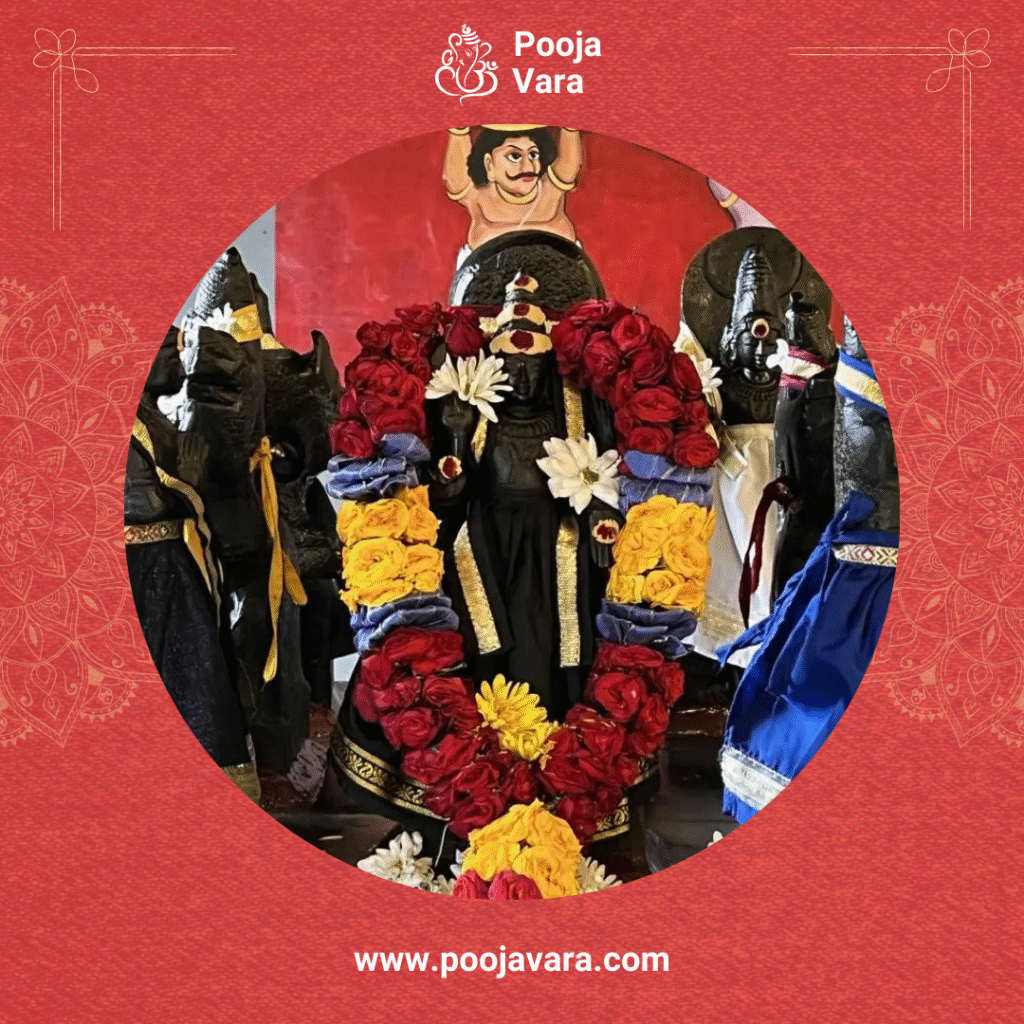
Navagraha Homam is a Hindu Vedic fire ritual dedicated to the nine Navagrahas. The word Nava means nine, Graha refers to the celestial bodies or astrological influences, and Homam refers to a ritual in which offerings are made into a sacred fire while mantras are recited.
The ceremony is traditionally performed with prayers to the nine planetary deities. The exact procedure can vary according to the family tradition, the priest’s Vedic practice, and the purpose of the ritual.
Families may arrange a Navagraha Homam for religious observances, personal milestones, or spiritual reasons. Some also perform it following astrological consultations.
A priest familiar with the relevant tradition can explain the ceremony, recommend the appropriate procedure, and guide the family through the preparations.
The Navagrahas hold an important place in Hindu religious and astrological traditions. Each graha is associated with particular qualities, symbolic meanings, and forms of worship.
Devotees perform Navagraha Homam to express devotion and seek blessings for different aspects of life.
Common reasons for arranging this ritual include:
Seeking peace and spiritual well-being.
Praying for harmony and prosperity within the family.
Observing religious traditions associated with planetary deities.
Performing a puja recommended by a family priest or astrologer.
Seeking blessings before an important personal or professional milestone.
Conducting a traditional homam as part of a broader religious observance.
These are religious beliefs and traditional purposes; the homam should not be considered a guaranteed way to change astrological outcomes or resolve medical, financial, or personal difficulties.
A Navagraha Homam generally includes worship of the following nine deities.
Surya represents the Sun and is traditionally associated with vitality, authority, illumination, and leadership. Worship may include Surya mantras and offerings prescribed for the ritual.
Chandra is associated with the Moon, the mind, emotions, and mental calmness in Hindu astrological traditions. Devotees offer prayers seeking peace and emotional harmony.
Mangala represents Mars and is traditionally associated with courage, strength, energy, and determination.
Budha represents Mercury and is associated with communication, learning, intelligence, and analytical ability.
Brihaspati, also known as Guru, represents Jupiter and is associated with wisdom, knowledge, spiritual guidance, and prosperity.
Shukra represents Venus and is traditionally associated with relationships, artistic pursuits, comfort, and material well-being.
Shani represents Saturn and is associated in Hindu astrology with discipline, responsibility, patience, and karma.
Rahu is a lunar node in Indian astrology and is associated with ambition, material desires, and unconventional experiences.
Ketu is the other lunar node and is traditionally associated with detachment, spiritual insight, and liberation.
The specific mantras, offerings, and sequence of worship depend on the priest’s tradition and the form of Navagraha Homam being performed.
The exact procedure may differ between Vedic traditions and regional practices. However, a typical Navagraha Homam may include the following stages.
The priest identifies a suitable location for the homam and prepares the ritual space.
Depending on the ceremony, preparations may include cleaning the area, arranging the homa kund, placing the required vessels, and organizing the puja materials.
For a home ceremony in Delhi, ensure that the space is well ventilated and suitable for the safe use of a ritual fire.
Sankalpam is the formal statement of intention at the beginning of the ceremony.
The priest may ask for details such as the devotee’s name, family details, and the purpose of the ritual, according to the tradition being followed.
Many homams begin with prayers to Lord Ganesha, who is traditionally worshipped before important religious undertakings.
The priest may perform Ganapati Puja and recite the relevant mantras before proceeding to the main ritual.
Depending on the prescribed procedure, the priest may establish a kalasha, perform purification rites, and invoke the deities associated with the ceremony.
The materials and sequence used at this stage vary according to the tradition.
The priest invokes and worships the nine Navagrahas through prescribed prayers and mantras.
Offerings may be made according to the ritual requirements, with each graha worshipped in the appropriate manner.
The central part of the ceremony involves offerings into the sacred fire while the priest recites the relevant mantras.
The materials used can include ghee, herbs, grains, or other prescribed substances, depending on the homam procedure.
Families should follow the priest’s instructions regarding offerings rather than assume that every Navagraha Homam uses an identical list of materials.
Purnahuti is the concluding offering made during many homam ceremonies.
It marks an important stage in completing the fire ritual and is performed according to the priest’s prescribed procedure.
The ceremony generally concludes with prayers for peace and well-being. Depending on the tradition, the priest may perform additional concluding rites and explain any final observances to the family.
Ask your priest about the expected duration and whether any additional pujas are included in the booking.
Navagraha Homam is an important Hindu religious ritual through which devotees offer prayers to the nine Navagrahas and seek blessings for peace, prosperity, and spiritual well-being. Understanding the ceremony, its traditional procedure, required materials, and booking arrangements can help you prepare for the occasion.
If you are planning a Navagraha Homam in Delhi, start by identifying your preferred date, venue, language, and family tradition. Choose a priest who is experienced in the required ritual, clarify whether puja samagri is included, and confirm the complete cost before making a booking.
Planning ahead can also help you arrange a suitable space, coordinate family participation, and address any practical requirements for conducting the homam safely.
Ready to arrange your Navagraha Homam in Delhi? Explore suitable priest booking options, discuss your ceremony requirements, and confirm your preferred date and arrangements in advance.
Choose a service provider who communicates clearly and understands your traditional requirements, so you can focus on participating in the ceremony with devotion and peace of mind.
