

When families face health concerns, uncertainty, emotional stress, or simply wish to pray for the long life and well-being of their loved ones, many turn to traditional Hindu rituals dedicated to Lord Shiva. Among these sacred rituals, Maha Mrityunjaya Homam holds a special place.
Performed with the chanting of the revered Maha Mrityunjaya Mantra and sacred fire offerings, this homam is traditionally associated with prayers for longevity, protection, courage, spiritual strength, and freedom from the fear of untimely death. The word “Mrityunjaya” is commonly understood as “one who conquers death,” referring to Lord Shiva in this particular form.
For people looking for Maha Mrityunjaya Homam in Chennai, understanding the purpose, procedure, preparation, suitable occasions, and booking considerations can make the experience more meaningful.
In this complete guide, we will explain everything you need to know about Maha Mrityunjaya Homam in Chennai, including its significance, procedure, benefits, required materials, ideal occasions, and how to arrange the ritual at home.
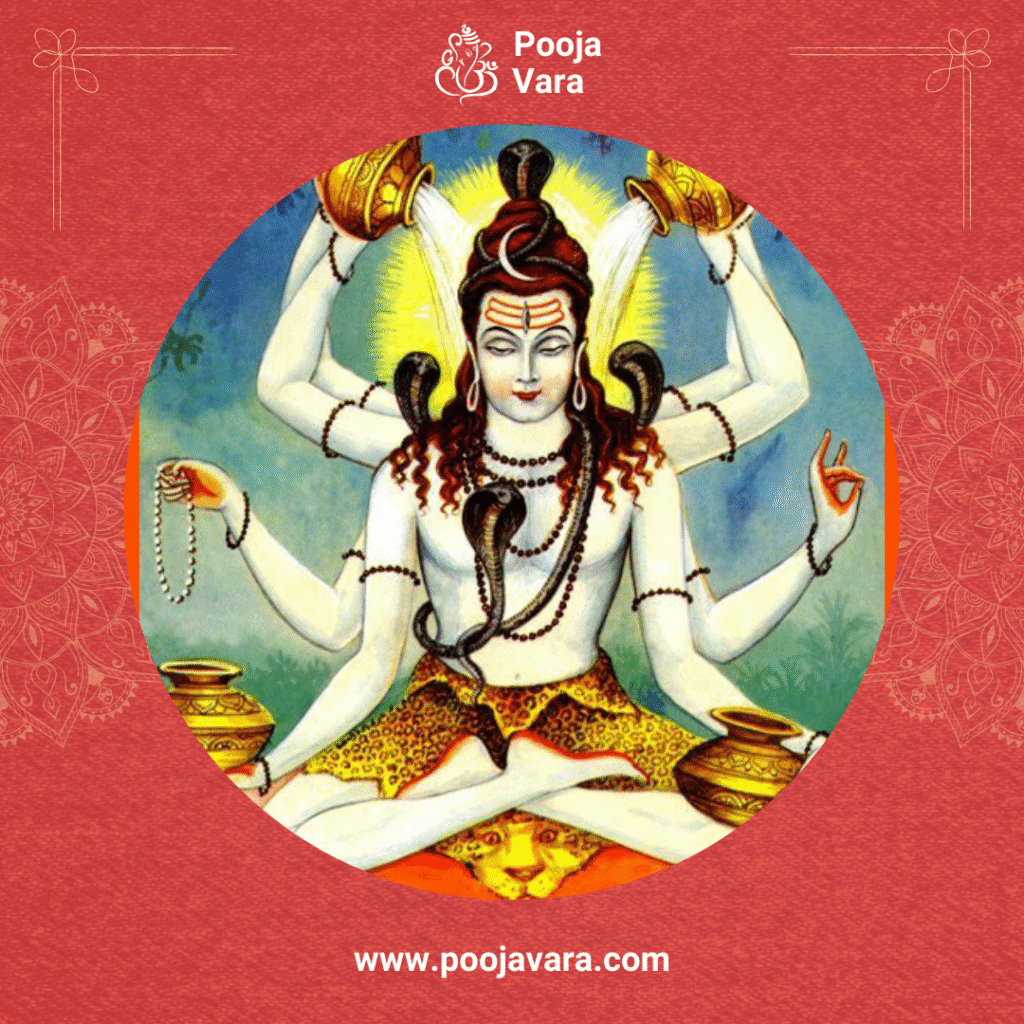
Maha Mrityunjaya Homam is a Vedic fire ritual dedicated to Lord Shiva in his form as Maha Mrityunjaya, traditionally associated with overcoming fear of death and seeking divine blessings for longevity and well-being.
The central part of the ritual involves chanting the Maha Mrityunjaya Mantra while offering prescribed materials into a sacred fire known as Agni. The fire ritual is accompanied by prayers, offerings, sankalpa, and other traditional Vedic procedures.
The famous Maha Mrityunjaya Mantra begins:
“Om Tryambakam Yajamahe Sugandhim Pushtivardhanam…”
It is traditionally recited as a prayer to Lord Shiva for protection, spiritual strength, longevity, and freedom from the fear associated with death.
The exact procedure and number of mantra repetitions can vary according to the tradition followed by the priest, the purpose of the homam, and the type of ceremony being performed.
Lord Shiva is worshipped as Mrityunjaya, a form associated with overcoming death and protecting devotees from untimely adversity.
For centuries, devotees have turned to the Maha Mrityunjaya Mantra during difficult periods. The homam combines mantra chanting with fire offerings, creating a structured devotional ceremony centered on Lord Shiva.
Traditionally, families perform this homam with intentions such as:
These are spiritual and devotional purposes, not guarantees of medical outcomes. A Maha Mrityunjaya Homam should not be considered a replacement for professional medical diagnosis, treatment, medication, or emergency care.
Chennai has a rich cultural and spiritual environment, with numerous temples, priests, Vedic scholars, and traditional Hindu communities.
For families living in Chennai, arranging a Maha Mrityunjaya Homam at home can be a convenient way to participate in the ceremony without needing to travel outside the city.
Depending on the priest or service provider, the homam may be conducted at:
Some services may also provide online or remote participation options, depending on their arrangements.
If you are searching online for Maha Mrityunjaya Homam Chennai, Mrityunjaya Homam in Chennai, or Maha Mrityunjaya Homam at home in Chennai, it is important to understand exactly what is included before making a booking.
Maha Mrityunjaya Homam is generally performed by trained priests or Vedic scholars who are familiar with the required mantras, procedures, offerings, and sankalpa.
When selecting a priest in Chennai, consider asking:
Choosing a priest based on clear communication and experience can help ensure that the family understands the ceremony before the scheduled date.
The exact Maha Mrityunjaya Homam procedure may differ depending on the Vedic tradition and priest. However, a typical ceremony may include several important stages.
Before the homam begins, the designated space is cleaned and prepared for the ritual.
The priest arranges the required puja materials, homa kund, kalasha, flowers, lamps, and other items.
The participants may also take a bath and wear clean traditional clothes before joining the ceremony.
The Sankalpa is an important part of the ceremony.
It establishes the intention of the ritual and may include details such as the devotee’s name, family details, gotra when known, location, and purpose of performing the homam.
For example, the family may perform the homam with a sankalpa seeking blessings for health, longevity, peace, protection, or the well-being of a particular family member.
Lord Ganesha is traditionally invoked at the beginning of many Hindu rituals.
The purpose is to seek blessings for an obstacle-free ceremony.
A sacred Kalasha is prepared and worshipped as part of the ritual.
Depending on the tradition, the kalasha may be decorated with leaves, flowers, and other auspicious items.
The priest invokes Lord Shiva in the form of Maha Mrityunjaya.
The Maha Mrityunjaya Mantra becomes the central focus of the ceremony.
The priest and participants chant the Maha Mrityunjaya Mantra according to the prescribed procedure.
The number of repetitions can vary based on the type and scale of the ritual.
Some extended forms of Maha Mrityunjaya worship may involve a much larger number of mantra repetitions or additional preparatory japa.
The homa kund is used to maintain the sacred fire.
Offerings such as ghee, herbs, grains, and other prescribed materials may be offered into the fire while the appropriate mantras are recited.
The exact Maha Mrityunjaya Homam samagri can vary depending on the priest and tradition.
Some traditions include an Abhishekam to Lord Shiva or a Shiva Lingam as part of the ceremony.
The exact sequence depends on the ritual method followed by the officiating priest.
The ceremony concludes with Poornahuti, the final offering into the sacred fire.
This represents the completion of the homam.
After the ceremony, the priest offers final prayers and blessings. Prasad may then be distributed to the participants.
Many devotees perform the homam because of its traditional spiritual associations.
The commonly described benefits include:
Maha Mrityunjaya worship is traditionally associated with prayers for long life and well-being.
Devotees may perform the homam as a prayer for protection from fear, uncertainty, and difficult circumstances.
Participating in mantra chanting and a structured spiritual ceremony can provide a sense of devotion, reflection, and emotional comfort.
Families sometimes perform Mrityunjaya Homam when a loved one is going through a challenging period or when they wish to offer prayers for someone’s well-being.
A homam brings family members together for prayer, chanting, and devotional participation.
It can also become an opportunity for families to maintain or reconnect with traditional spiritual practices.
It is important to understand that these are traditional religious beliefs and purposes, rather than scientifically established medical effects.
There is no single universally applicable date for every family.
The appropriate timing may depend on the family’s purpose, priest’s guidance, local Panchangam, and the specific tradition being followed.
Some devotees choose occasions such as:
Some Chennai-based service providers specifically mention Mondays and auspicious occasions among possible timings for Mrityunjaya Homa.
If you are unsure about the date, consult the priest performing the ceremony rather than selecting a date solely based on a generic online calendar.
Maha Mrityunjaya Homam in Chennai is a deeply respected Shiva ritual that brings together mantra chanting, sacred fire offerings, prayer, and family devotion.
Whether you are planning the ceremony for a family member, seeking blessings for longevity and well-being, or simply wishing to follow a traditional Shiva worship practice, understanding the procedure and requirements can help you prepare with confidence.
Before booking, confirm the priest’s experience, ritual method, samagri, duration, pricing, venue requirements, and sankalpa details. Most importantly, approach the homam as a spiritual and devotional practice while continuing any necessary professional medical care when health concerns are involved.
If you are looking to arrange a Maha Mrityunjaya Homam in Chennai, contact a trusted pooja service provider to discuss the suitable date, priest availability, ceremony requirements, and booking options.
Book your Maha Mrityunjaya Homam in Chennai and seek the divine blessings of Lord Shiva for peace, strength, protection, and well-being.
