

For many Indian families, a baby’s first taste of solid food is much more than a feeding milestone—it is a cherished cultural and spiritual occasion. Annaprasanam, also known as Annaprashana or the first rice-feeding ceremony, marks the traditional introduction of a baby to solid food. Families often celebrate the occasion with prayers, blessings, traditional rituals, and the presence of close relatives.
If you are planning Annaprasanam in Chennai, this guide will help you understand everything you need to know—from the meaning and significance of the ceremony to choosing an auspicious date, arranging pooja samagri, preparing the first food, and organizing the ceremony at home or another venue.
Annaprasanam is traditionally associated with the baby’s transition from a primarily milk-based diet to solid foods. Sources describing the ceremony commonly place it around the sixth month, although the exact timing and customs vary between families and communities.
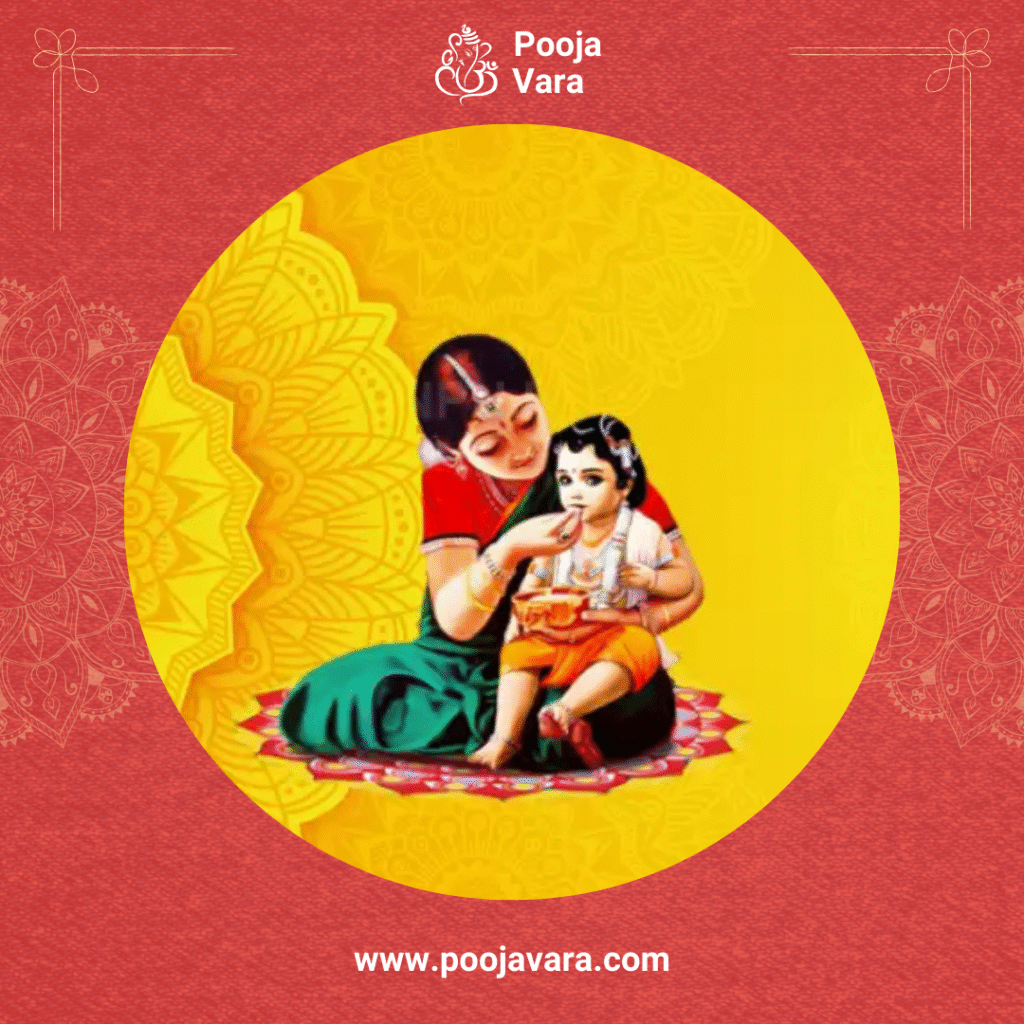
Annaprasanam is a traditional Hindu samskara that celebrates a baby’s first intake of solid food, usually cooked rice or a rice-based preparation.
The word is derived from Sanskrit terms associated with food and eating. The ceremony is widely regarded as one of the traditional rites of passage in Hindu culture and is performed to seek blessings for the child’s health, nourishment, growth, and well-being.
Depending on regional and family traditions, Annaprasanam may include:
The exact procedure is not identical everywhere. Customs can differ according to family tradition, sampradaya, region, and the guidance of the family’s priest.
Food has deep cultural and spiritual significance in Hindu traditions. Annaprasanam symbolically acknowledges the baby’s next stage of growth and the importance of nourishment.
For parents, the ceremony can represent:
The ceremony is therefore both a religious tradition and a memorable family milestone.
One of the most common questions parents ask is, “When should Annaprasanam be performed?”
Traditionally, Annaprasanam is often performed around the sixth month of the baby’s life, although specific practices vary. Some traditions consider different months for boys and girls, while others select a date based on the family’s customs and an auspicious muhurat.
Many families consult a priest or astrologer to select an appropriate Annaprasanam muhurat based on the baby’s birth details and the family’s tradition.
When planning Annaprasanam in Chennai, parents may consider:
There is no single universally applicable date or ritual format. It is best to consult your family priest for the specific muhurat followed by your tradition.
The religious ceremony and the baby’s ongoing nutrition should be considered separately.
The ceremonial feeding generally involves only a very small taste of the traditional food. Modern guidance emphasizes that complementary foods should be introduced when the baby is developmentally ready and, generally, around six months unless a pediatrician recommends otherwise. Breast milk or formula continues to remain important after complementary foods are introduced.
Parents should therefore avoid treating the ceremony as a full meal for the baby.
Rice is traditionally associated with Annaprasanam. Depending on family customs, the first taste may include:
Traditional recipes may contain ingredients that are not appropriate for every infant. Parents should choose the actual food offered to the baby based on the child’s age, readiness, allergies, and pediatric advice.
For example, current infant-feeding guidance recommends avoiding honey before the first birthday and avoiding foods that present choking risks.
The exact Annaprasanam vidhi varies, but a typical ceremony may follow this broad structure.
The ceremony space is cleaned and decorated with flowers, lamps, rangoli or kolam, and other traditional decorations.
A clean and comfortable area should be prepared where the baby and parents can sit safely.
Many families begin the ceremony by worshipping Lord Ganesha and seeking blessings for an auspicious and obstacle-free occasion.
The family priest guides the parents through the sankalpam, formally stating the purpose of the ceremony and invoking blessings for the child.
Depending on the family’s tradition, additional pujas may be performed. These can include family deity prayers or other customary rituals.
The selected food is prepared according to the family’s tradition. In some traditions, the food is first offered as naivedyam before being given to the baby.
This is the most anticipated moment.
A parent, grandparent, maternal uncle, or another designated family member may offer a tiny amount of food to the baby, depending on the family’s custom.
The baby does not need to eat a full spoonful or meal. The ceremony is symbolic.
Parents may seek blessings from grandparents, elders, relatives, and the family priest.
Some families place symbolic objects such as a:
The baby is allowed to reach toward an object. This is generally treated as a playful family tradition rather than a reliable prediction of the child’s future.
The ceremony may conclude with aarti, prayers, blessings, and distribution of prasadam.
Preparing the Annaprasanam pooja samagri in advance can make the ceremony much easier.
A general checklist may include:
The exact list should be confirmed with your priest because Annaprasanam samagri requirements can differ according to the ritual format.
Annaprasanam is a beautiful milestone that combines family tradition, prayers, blessings, and the baby’s transition toward complementary foods. Whether you choose to celebrate it at home or at a larger venue, thoughtful planning can make the occasion comfortable and memorable for both the baby and the family.
If you are planning Annaprasanam in Chennai, start by discussing the appropriate date and ceremony procedure with your family priest. Then prepare the pooja samagri, venue, decorations, food, photography, and other arrangements well in advance.
For parents who want a more convenient experience, professional pooja-service providers can help coordinate the ceremony from priest arrangements and samagri to decorations and other event requirements.
Planning your baby’s Annaprasanam ceremony in Chennai? Get in touch with a trusted pooja-service provider and start preparing for this beautiful family milestone today.
