

Moving into a new home, office, or commercial space is an exciting milestone. In Hindu tradition, however, a new property is not only a physical space—it is also considered a place where people live, work, and build their future. Vastu Shanti Pooja in Chennai is traditionally performed to seek blessings for harmony, prosperity, peace, and positive energy in a property.
Whether you have recently purchased a house, constructed a new building, renovated an old property, or are planning to move into a commercial space, a Vastu Shanti Pooja can be an important part of the traditional housewarming process.
In this complete guide, we will explain what Vastu Shanti Pooja means, when it is performed, the common rituals involved, the pooja samagri required, its traditional benefits, and how you can arrange Vastu Shanti Pooja in Chennai conveniently.
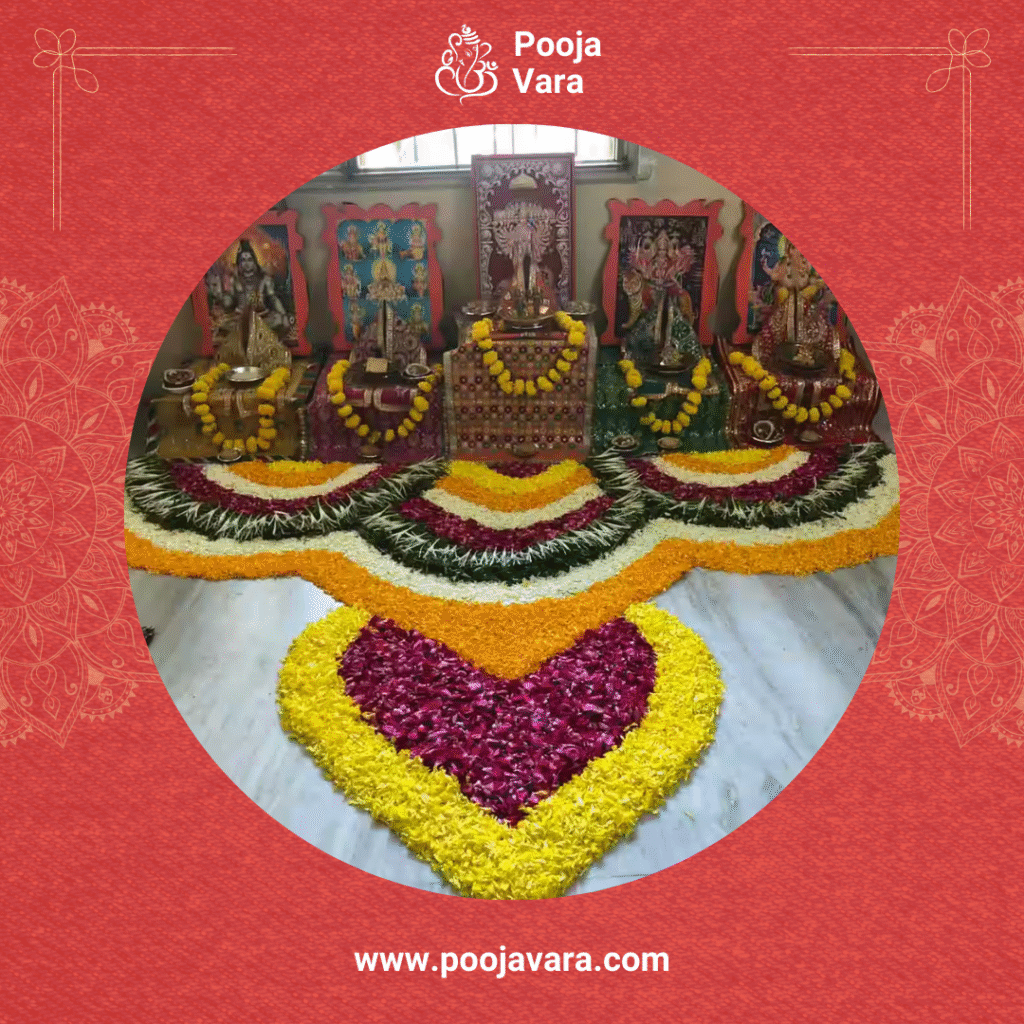
Vastu Shanti Pooja is a traditional Hindu ritual performed to seek blessings for a property and establish harmony between the occupants, the building, and the surrounding environment.
The word “Vastu” refers to a dwelling or property, while “Shanti” means peace. The ceremony is traditionally associated with worship, purification rituals, mantras, and offerings intended to create an auspicious environment.
The pooja may be performed in:
For families looking for Vastu Shanti Pooja in Chennai, the ceremony can be arranged at the property with the required rituals performed by a qualified priest.
According to Hindu traditions, a property can be influenced by its surroundings, construction, previous usage, and various Vastu considerations. Vastu Shanti Pooja is traditionally performed as a spiritual ritual to seek peace and auspiciousness.
Some common reasons for performing the ceremony include:
It is important to understand that these are religious and traditional beliefs, rather than scientifically established effects.
Choosing an appropriate date and time is an important part of many Hindu ceremonies.
A priest may consider factors such as:
For a Vastu Shanti Pooja in Chennai, families often consult a priest to identify an appropriate Muhurat based on their specific requirements.
Vastu Shanti Pooja is commonly performed along with or before Griha Pravesh, the traditional house-entry ceremony.
A typical sequence may include:
Vastu Shanti → Ganapati Pooja → Kalasha Pooja → Homa/Havan → Griha Pravesh
The exact sequence can vary according to family tradition, regional customs, and the priest performing the ceremony.
The exact rituals can differ depending on the family tradition and the type of property. However, a typical Vastu Shanti ceremony may include several important steps.
The ceremony may begin with prayers to Lord Ganesha.
Lord Ganesha is traditionally worshipped before many Hindu religious ceremonies as the remover of obstacles and for an auspicious beginning.
The priest performs Sankalpam, during which the purpose of the ceremony is formally stated.
The names of the family members, location, intention of the pooja, and other relevant details may be included according to the tradition being followed.
A sacred Kalasha may be prepared and placed as part of the ceremony.
The Kalasha is traditionally associated with purity, prosperity, abundance, and divine presence.
It may contain items such as:
The exact materials can vary depending on the ritual tradition.
One of the central parts of Vastu Shanti involves prayers associated with Vastu Devata.
The ritual is traditionally intended to seek blessings for harmony and auspiciousness within the property.
Depending on the ceremony, Navagraha Pooja may also be included.
The Navagrahas represent the nine planetary deities in Hindu tradition. Prayers and offerings are made seeking blessings and harmony.
This is especially common when the family chooses to combine Vastu Shanti with other traditional rituals.
A Homa/Havan may be performed by offering traditional materials into a sacred fire while chanting mantras.
The ceremony may involve offerings such as:
The priest performs the Homa according to the relevant ritual procedure.
The ceremony generally concludes with Purnahuti, the final offering into the sacred fire.
It traditionally signifies the completion of the Homa and the offering of the ceremony to the divine.
The ceremony may conclude with Aarti and distribution of Prasadam to family members and guests.
This provides an opportunity for everyone present to receive blessings and participate in the completion of the ceremony.
The required Vastu Shanti Pooja Samagri can vary depending on the priest and the specific rituals planned.
Common items may include:
If you book a complete Vastu Shanti Pooja service in Chennai, ask the service provider whether the pooja samagri is included in the package.
A new property represents an important milestone for a family or business. Vastu Shanti Pooja in Chennai provides a traditional way to begin this new chapter with prayers, rituals, and blessings for peace, prosperity, and harmony.
From selecting an auspicious Muhurat and arranging the required Vastu Shanti Pooja Samagri to performing Vastu Devata Pooja, Navagraha Pooja, Homa, and Aarti, planning the ceremony properly can make the experience smoother and more meaningful.
If you are looking for a convenient way to arrange Vastu Shanti Pooja services in Chennai, you can explore professional pooja services and choose a package that matches your family’s traditions and requirements. Book your Vastu Shanti Pooja in Chennai and begin your new journey with traditional prayers and blessings.
