

If you are looking for Rudrabhishek Pooja in Mumbai, you may be seeking more than just a traditional religious ritual. Rudrabhishek is one of the most revered forms of Lord Shiva worship, traditionally performed with sacred offerings such as water, milk, honey, curd, ghee, bilva leaves, flowers, and other pooja samagri.
For devotees, Rudrabhishek is a meaningful way to offer prayers to Lord Shiva, seek blessings, express gratitude, and begin important phases of life with spiritual devotion. Whether you want to perform Rudrabhishek for a personal sankalp, family well-being, a special occasion, or spiritual purposes, arranging the pooja correctly can make the experience more peaceful and convenient.
In a busy city like Mumbai, finding experienced priests, arranging the required Rudrabhishek samagri, selecting an appropriate date, and coordinating the pooja can sometimes feel difficult. This guide explains everything you need to know about Rudrabhishek Pooja in Mumbai, including its significance, benefits, samagri, procedure, suitable occasions, and how to book the pooja.
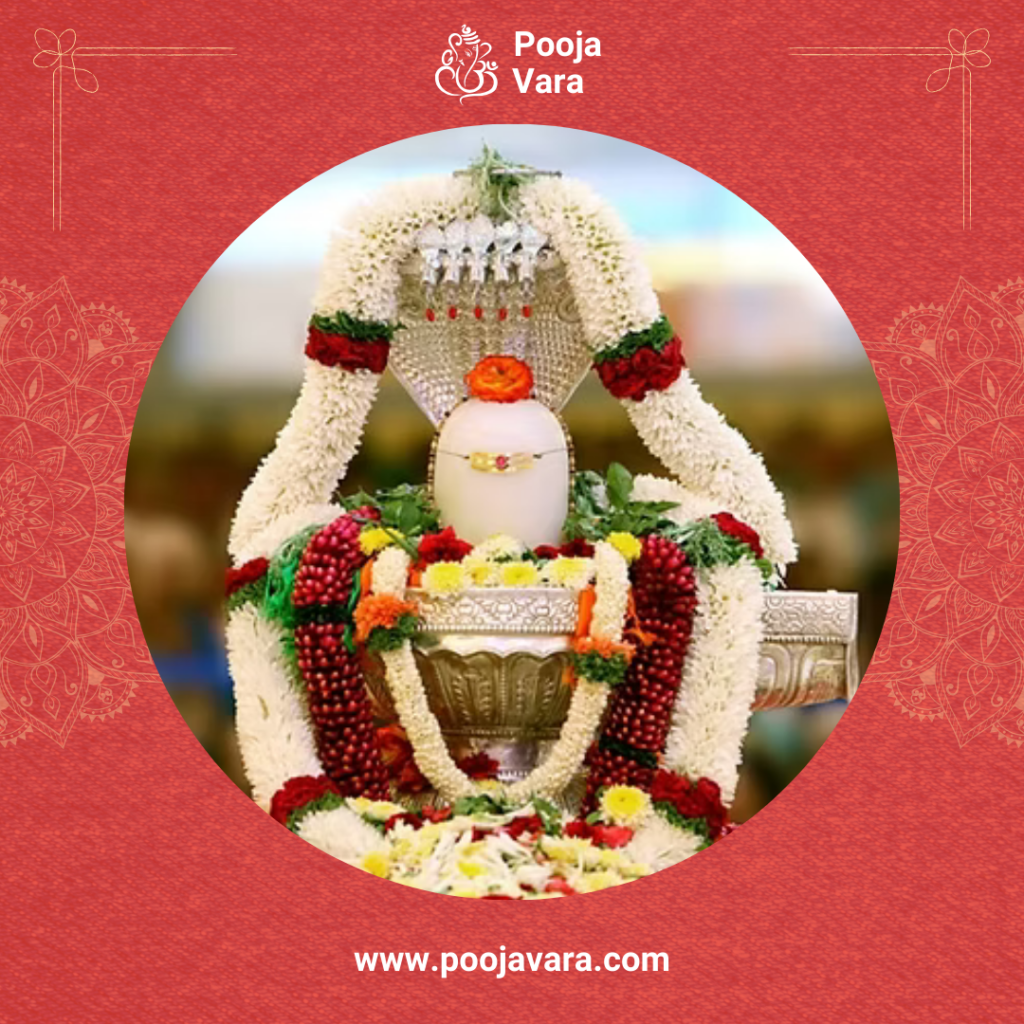
Rudrabhishek is a sacred Hindu ritual in which Lord Shiva is worshipped through the ceremonial bathing, or Abhishek, of a Shiva Lingam.
The word “Rudra” refers to a powerful form of Lord Shiva, while “Abhishek” means ritual bathing or offering. During the ceremony, different sacred substances are offered to the Shiva Lingam while priests traditionally chant Shiva mantras and portions of the Sri Rudram.
The ceremony can be performed at a temple, home, office, or another suitable place where the necessary arrangements can be made.
The exact procedure and offerings can vary depending on the tradition, priest, family customs, and type of Rudrabhishek being performed.
Devotees commonly perform Rudrabhishek to:
The focus of the ceremony is devotion and prayer rather than simply completing a ritual.
Mumbai is a fast-paced city, and organizing a traditional pooja can require considerable preparation. A professional pooja service can help coordinate the priest, samagri, procedure, and other arrangements.
When choosing a Rudrabhishek Pooja service in Mumbai, consider the following:
Look for priests who have experience conducting Rudrabhishek according to established Vedic traditions.
Ask whether the service includes the required Rudrabhishek pooja samagri or whether you need to purchase the items separately.
If you prefer privacy and convenience, you can choose a service that conducts Rudrabhishek at your home.
Before booking, understand what is included in the package, including priest dakshina, samagri, travel charges, and any additional services.
Choose a provider who can coordinate according to your preferred date and time, subject to priest availability and traditional considerations.
Rudrabhishek is primarily a spiritual practice, and devotees perform it with faith and devotion. Many Hindu traditions associate Lord Shiva worship with peace, purification, protection, and spiritual well-being.
Some commonly described Rudrabhishek benefits include:
The chanting of Shiva mantras and performance of Abhishek can create a calm and devotional atmosphere. Many devotees find the ritual helpful for prayer, reflection, and spiritual focus.
The repetitive chanting, structured ritual, and devotional environment can provide a peaceful experience and encourage mindfulness.
Devotees perform Rudrabhishek to express their devotion and seek the blessings of Lord Shiva for themselves and their families.
Families may perform Rudrabhishek as a collective prayer for harmony, peace, prosperity, and general well-being.
Rudrabhishek can be performed when making a personal spiritual commitment or seeking blessings before an important stage of life.
Rudrabhishek is particularly popular during important Shiva-related occasions such as Maha Shivratri and the holy month of Shravan.
Important: Religious benefits are matters of faith and tradition. They should not be presented as guaranteed medical, financial, or scientific outcomes.
One of the most common questions people ask before booking is: “What is required for Rudrabhishek Pooja?”
The exact samagri can differ according to the type of pooja and priest’s tradition. A general list may include:
If you book a Rudrabhishek Pooja in Mumbai through a professional service, confirm beforehand whether the package includes all required samagri.
While the exact procedure varies by tradition, a typical Rudrabhishek may include several stages.
The priest begins by taking the sankalp, stating the purpose of the pooja and details traditionally required for the ritual.
Lord Ganesha is worshipped at the beginning of many Hindu ceremonies to seek blessings for the successful completion of the ritual.
The priest prepares the required kalash and pooja setup according to the chosen ritual.
The central part of the ceremony involves offering sacred substances to the Shiva Lingam.
Depending on the tradition, offerings may include:
Shiva mantras and, depending on the ritual, portions of the Sri Rudram are recited during the ceremony.
Devotees offer Bilva leaves and flowers to Lord Shiva as part of the worship.
The ceremony generally concludes with Shiva Aarti, prayers, and distribution of prasad.
The priest may explain the appropriate procedure and offerings based on your specific pooja.
Rudrabhishek can be performed on various days depending on personal devotion, family traditions, and the guidance of a priest.
It is especially popular during:
Monday, traditionally associated with Lord Shiva, is considered an important day for Shiva worship.
The month of Shravan is particularly significant for Shiva devotees. Many people perform special Shiva poojas during this period.
Maha Shivratri is one of the most important occasions for Lord Shiva worship. Many devotees perform Abhishek and other Shiva rituals on this day.
Pradosh is another important period associated with Lord Shiva worship. Devotees may perform special prayers and Abhishek according to their traditions.
If you are unsure about the best date or time, consult an experienced priest who can guide you according to your family tradition and purpose of the pooja.
One of the most convenient options for families is Rudrabhishek at home.
Instead of travelling to a temple, devotees can arrange for a priest to visit their residence and conduct the ceremony.
This can be particularly convenient for:
Before booking a home Rudrabhishek, make sure you have enough space for the pooja setup and clarify whether the priest or service provider will bring the required samagri.
Booking a Rudrabhishek can be simple when you plan the requirements in advance.
First, discuss your purpose and determine which form of Rudrabhishek is appropriate.
Choose your preferred date and check priest availability.
Decide whether you want the ceremony at home, a temple, or another suitable location.
Ask whether the service includes complete pooja samagri.
Get clarity about the total cost and what is included.
Once the date, time, location, and requirements are confirmed, complete your booking.
For the best experience, avoid waiting until the last minute for popular dates such as Maha Shivratri, Shravan Mondays, and other auspicious occasions.
Rudrabhishek is a deeply meaningful form of Lord Shiva worship that combines sacred Abhishek, mantra chanting, prayer, and devotion. Whether you are planning the pooja during Shravan, Maha Shivratri, Pradosh, a Monday, or a personally significant occasion, proper preparation can make the ceremony more peaceful and memorable.
From arranging the Rudrabhishek samagri to selecting an experienced priest and deciding whether to conduct the ceremony at home or another suitable location, planning ahead helps ensure that everything is ready for the day of the pooja.
If you are planning Rudrabhishek Pooja in Mumbai, contact a trusted pooja service provider today. Share your preferred date, location, and requirements to receive guidance on the appropriate pooja, samagri, priest availability, and booking process.
Book your Rudrabhishek Pooja in Mumbai and begin your spiritual occasion with devotion and the blessings of Lord Shiva.
