

If you are looking for Navagraha Pooja in Chennai, you may be wondering what the ritual involves, when it should be performed, and why devotees choose to perform it. In Hindu tradition, the Navagrahas represent nine celestial influences—Surya, Chandra, Mangala, Budha, Guru, Shukra, Shani, Rahu, and Ketu. Navagraha Pooja is traditionally performed as a form of prayer seeking harmony, peace, and spiritual well-being.
Whether you are experiencing a challenging period, preparing for an important milestone, or simply wish to perform a traditional spiritual ritual, a properly conducted Navagraha Pooja can be an important part of your devotional practice.
In this complete guide, we will cover the Navagraha Pooja rituals, benefits, suitable occasions, samagri, procedure, and how to book Navagraha Pooja services in Chennai.
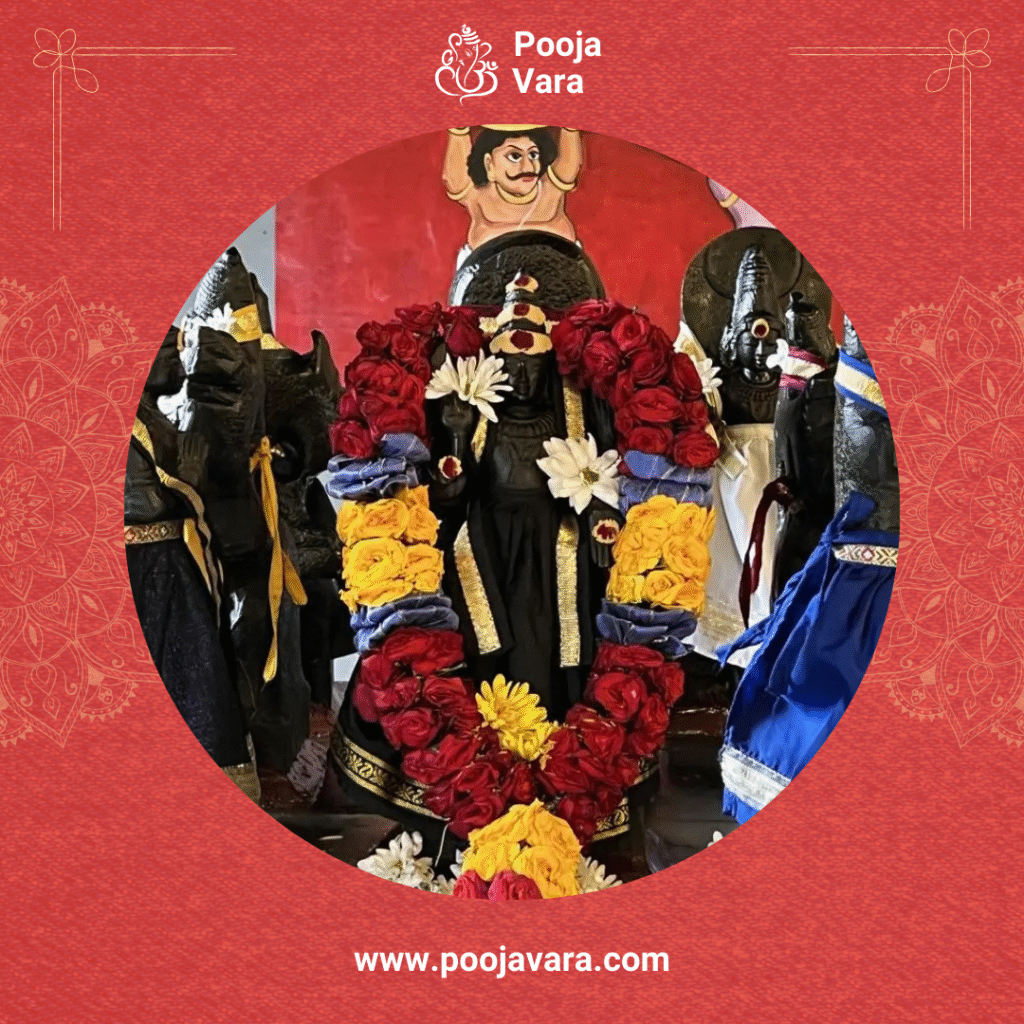
Navagraha Pooja is a traditional Hindu ritual dedicated to the nine Navagrahas or celestial deities. The word “Navagraha” comes from two Sanskrit words: Nava, meaning nine, and Graha, referring to celestial influences.
The nine Navagrahas are:
Surya (Sun) – Associated with confidence, vitality, leadership, and authority.
Chandra (Moon) – Traditionally associated with emotions, peace of mind, and mental stability.
Mangala (Mars) – Associated with courage, energy, and determination.
Budha (Mercury) – Associated with communication, learning, and intellect.
Guru (Jupiter) – Traditionally associated with knowledge, prosperity, and guidance.
Shukra (Venus) – Associated with relationships, comforts, creativity, and prosperity.
Shani (Saturn) – Traditionally associated with discipline, patience, responsibility, and perseverance.
Rahu – Associated in Jyotisha traditions with ambition, uncertainty, and unexpected developments.
Ketu – Associated with spirituality, detachment, and introspection.
A Navagraha Pooja is generally performed according to traditional customs, often with the guidance of a qualified priest.
Chennai has a rich spiritual and cultural heritage, with numerous temples and communities following traditional Hindu rituals. Devotees from across Chennai may choose to perform Navagraha Pooja at home, in a temple, or through professional pooja services.
Some people choose this pooja when they want to:
It is important to understand that religious benefits are matters of faith and tradition and should not be treated as guaranteed outcomes.
The exact procedure can vary depending on the family tradition, temple, priest, and purpose of the pooja. A typical Navagraha Pooja procedure may include the following steps.
The priest begins by taking a Sankalpam, which is a formal statement of the devotee’s intention to perform the pooja.
The devotee’s name and other relevant details may be included according to the tradition being followed.
Many Hindu rituals begin with prayers to Lord Ganesha. Ganapati Pooja is performed seeking blessings for the successful completion of the ceremony and removal of obstacles.
A sacred kalasha may be prepared and installed as part of the ritual. It represents auspiciousness and is an important element in many Hindu ceremonies.
The priest invokes the nine Navagrahas through traditional mantras and prayers.
This is followed by offerings and worship dedicated to the individual grahas.
Depending on the specific ritual, Navagraha Abhishekam may be performed using traditional substances such as water, milk, curd, honey, sandalwood, and other prescribed materials.
The exact materials can vary according to the tradition and type of pooja.
The priest chants relevant mantras and performs archana for the Navagrahas.
Devotees may participate by offering flowers, fruits, or other prescribed items.
Some Navagraha rituals include a Navagraha Homam, in which offerings are made into a sacred fire while specific mantras are chanted.
A homam may be included depending on the purpose and package selected.
The ceremony usually concludes with Aarti, followed by blessings and distribution of prasadam.
Traditional Hindu beliefs associate Navagraha Pooja with several spiritual and devotional benefits. These should be understood as traditional beliefs rather than scientifically established outcomes.
Devotees may perform Navagraha Pooja as a way of seeking inner peace and maintaining a positive spiritual outlook.
In Jyotisha traditions, certain planetary placements are believed to create challenges in different areas of life. Some devotees therefore perform Navagraha Pooja as a traditional remedial practice.
People may perform the pooja before starting a new business, moving into a new home, beginning a new career, or entering another important stage of life.
Families may conduct Navagraha Pooja together as a devotional activity and as an opportunity to pray for the well-being and harmony of family members.
For many devotees, the primary purpose is simply to express faith, devotion, gratitude, and reverence toward the Navagrahas.
The appropriate date and timing can depend on the purpose of the ritual and the individual’s horoscope.
A priest or qualified astrologer may recommend a suitable Navagraha Pooja date and muhurtham based on traditional practices.
People may consider performing the pooja during:
If the pooja is being performed specifically as a horoscope-based remedy, consulting a knowledgeable practitioner can help determine the appropriate procedure.
Navagraha Pooja in Chennai is a meaningful traditional ritual for devotees who wish to worship the nine Navagrahas and seek spiritual peace, harmony, and blessings. From Sankalpam and Ganapati Pooja to Navagraha archana, abhishekam, mantra chanting, and homam, the ceremony can be performed according to the family’s traditions and the purpose of the ritual.
If you are planning a Navagraha Pooja at home or looking for a convenient way to arrange a priest in Chennai, choose a reliable pooja service that clearly explains the rituals, samagri, timings, and inclusions.
Planning a Navagraha Pooja in Chennai? Book a qualified priest and make your traditional pooja arrangements simple and convenient.
