

For millions of devotees, Goddess Lakshmi represents wealth, prosperity, abundance, good fortune, and happiness. Performing Lakshmi Pooja in Mumbai is an important spiritual practice for families and businesses seeking divine blessings for financial stability, success, and overall well-being.
Mumbai is a vibrant city where tradition and modern life exist side by side. From homes and apartments to offices and commercial establishments, devotees regularly perform Lakshmi Pooja on auspicious occasions such as Diwali, Lakshmi Pooja, Akshaya Tritiya, Fridays, housewarming ceremonies, and other important Hindu festivals.
Whether you are performing the pooja for the first time or looking for an experienced pandit to conduct the rituals according to traditional customs, understanding the procedure, required samagri, benefits, and preparations can make the experience more meaningful.
In this complete guide, we will explain everything you need to know about Lakshmi Pooja in Mumbai, including the pooja procedure, samagri, benefits, auspicious occasions, and how devotees can arrange a traditional pooja at home.
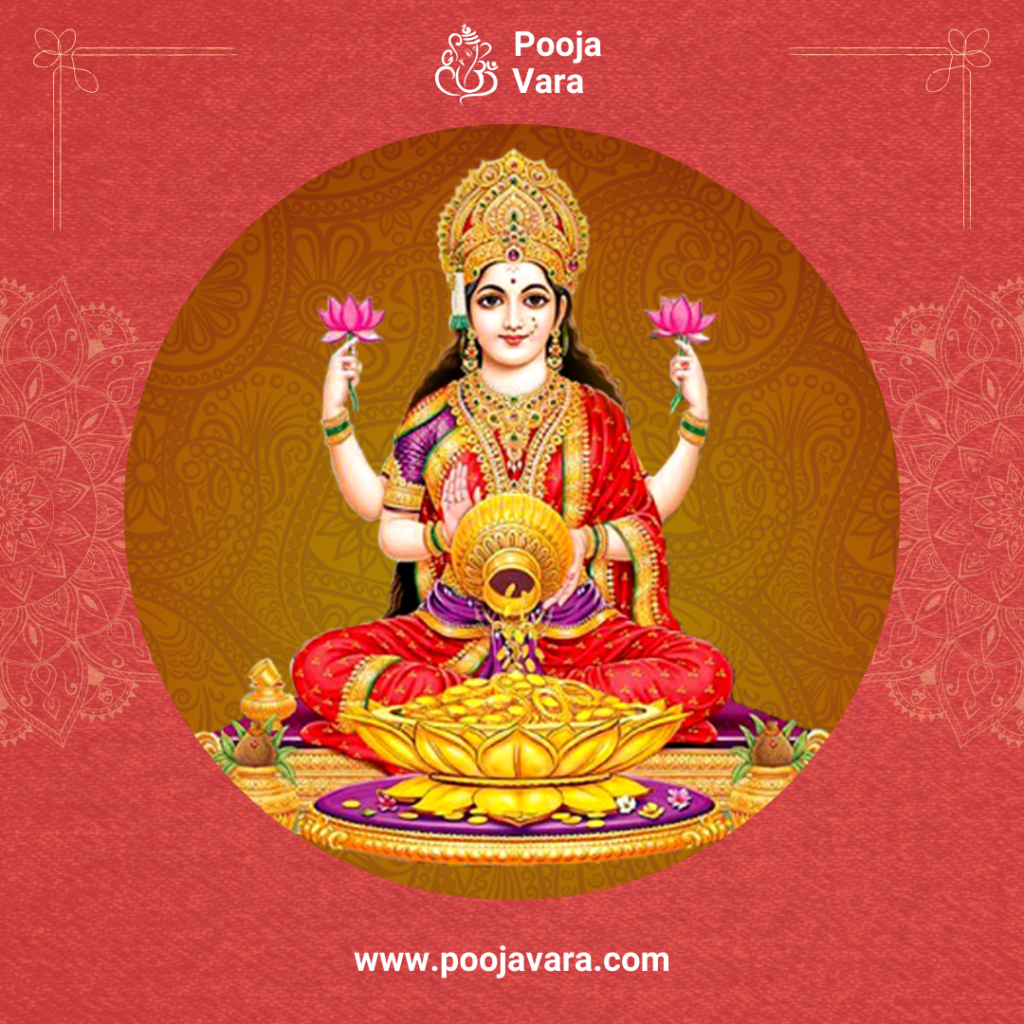
Lakshmi Pooja is a Hindu ritual dedicated to Goddess Lakshmi, the goddess associated with wealth, prosperity, fortune, abundance, and material well-being.
The pooja involves invoking Goddess Lakshmi and seeking her blessings for:
The rituals may vary depending on the region, family tradition, occasion, and type of Lakshmi Pooja being performed.
In Mumbai, many families prefer to perform Lakshmi Pooja at home with the guidance of a qualified pandit who can conduct the rituals and mantras according to traditional practices.
Mumbai is one of India’s major financial and commercial centers. With people from different communities and regions living in the city, religious traditions remain an important part of everyday life.
Performing Lakshmi Pooja in Mumbai can be especially significant for:
Many devotees believe that sincere prayer, cleanliness, positive intentions, and proper observance of traditional rituals create an auspicious environment for welcoming prosperity into their homes.
Lakshmi Pooja can be performed on different auspicious occasions. The exact date and muhurat may depend on the Hindu calendar and the purpose of the pooja.
Diwali is one of the most popular occasions for performing Lakshmi Pooja. Families clean and decorate their homes, light diyas, prepare offerings, and worship Goddess Lakshmi along with Lord Ganesha.
Friday is traditionally associated with Goddess Lakshmi. Some devotees perform special Lakshmi Pooja or Lakshmi-related prayers on Fridays.
Akshaya Tritiya is considered an auspicious day for beginning new ventures, investments, purchases, and spiritual activities. Some families perform Lakshmi Pooja on this occasion to seek blessings for prosperity and success.
Business owners may perform Lakshmi Pooja at their shops, offices, or commercial establishments, particularly during Diwali or the beginning of a new financial cycle.
Important: The most suitable pooja date and timing can vary according to the lunar calendar, location, family tradition, and specific ritual. Devotees should consult a knowledgeable priest for the appropriate muhurat.
Proper preparation of pooja samagri helps ensure that the ritual can be performed smoothly.
Common items used for Lakshmi Pooja may include:
The exact list may change depending on the specific type of Lakshmi Pooja and regional customs.
The detailed procedure may differ according to tradition, but a typical Lakshmi Pooja may include the following steps.
The pooja area and home are cleaned before the ritual. Devotees may decorate the entrance with rangoli, flowers, torans, and diyas.
A clean and suitable place is selected for the pooja. The idols or images of Goddess Lakshmi and Lord Ganesha are placed respectfully.
A kalash may be prepared with water and other traditional elements and placed according to the prescribed ritual.
Lord Ganesha is traditionally worshipped before beginning many Hindu rituals. Devotees seek his blessings for the successful completion of the pooja.
The devotee makes a spiritual resolve, stating the purpose of performing the pooja and seeking divine blessings.
The priest performs the prescribed mantras, offerings, and rituals dedicated to Goddess Lakshmi.
Flowers, fruits, sweets, kumkum, turmeric, rice, and other offerings are presented during the pooja.
The pooja concludes with Lakshmi Aarti and prayers. Family members participate and seek blessings.
The offerings are distributed among family members and devotees as prasad.
Devotees perform Lakshmi Pooja with the belief that Goddess Lakshmi’s blessings can bring prosperity and positivity into their lives.
Some commonly associated spiritual benefits include:
Devotees pray for financial stability, abundance, and responsible growth.
Business owners may perform Lakshmi Pooja while seeking success, growth, and new opportunities.
A devotional environment can encourage positivity, gratitude, and spiritual well-being within the family.
Devotees seek divine blessings to overcome difficulties and obstacles related to their personal and professional lives.
Lakshmi Pooja can be an opportunity for family members to come together in prayer and celebrate their shared traditions.
It is important to understand that religious rituals are matters of faith and devotion; they should not be viewed as a guaranteed method of achieving financial results.
Lakshmi Pooja in Mumbai is more than a religious ritual—it is an opportunity for devotees and families to come together, express gratitude, follow cherished traditions, and seek blessings for prosperity and well-being.
Whether you are celebrating Diwali, opening a new business, moving into a new home, or simply wishing to perform a traditional Lakshmi Pooja, proper planning can make the experience peaceful and meaningful.
From selecting the right muhurat and arranging pooja samagri to finding an experienced pandit, every part of the preparation contributes to a smooth ceremony.
If you are looking for a convenient way to arrange Lakshmi Pooja in Mumbai, explore Poojavara’s pooja services and book a suitable pandit for your requirements.
Bring tradition, devotion, and auspiciousness into your home with a professionally arranged Lakshmi Pooja. Contact Poojavara today to plan your pooja.
Lakshmi Pooja is a Hindu ritual dedicated to Goddess Lakshmi. Devotees perform it to seek blessings for prosperity, abundance, financial stability, happiness, and well-being.
The auspicious timing depends on the occasion and Hindu calendar. Diwali is one of the most popular occasions, but Lakshmi Pooja may also be performed on Fridays, Akshaya Tritiya, and other auspicious occasions. Consult a pandit for the appropriate muhurat.
Yes. Lakshmi Pooja can be performed at home. Families can conduct a simple prayer themselves or invite a qualified pandit for a more detailed traditional ritual.
Common samagri includes a Lakshmi idol or picture, Ganesha idol, flowers, fruits, sweets, rice, turmeric, kumkum, sandalwood, incense, camphor, diyas, kalash, coconut, betel leaves, betel nuts, and other traditional offerings.
Yes. Devotees can arrange a pandit for home Lakshmi Pooja in Mumbai. It is advisable to confirm the pandit’s availability, pooja procedure, charges, language preference, and samagri requirements in advance.
