

In Hindu tradition, fire is considered a sacred medium through which prayers and offerings are made to the divine. A Homam, also known as Havan or Yajna, is an ancient Vedic ritual performed by offering specially prepared materials into a sacred fire while chanting powerful Sanskrit mantras.
Today, many families in Mumbai perform Homam rituals for important occasions such as housewarming, marriage, childbirth, business success, health, prosperity, spiritual well-being, and removal of negative influences.
However, arranging a traditional Homam in a busy city like Mumbai can sometimes feel complicated. Finding an experienced priest, arranging the required Samagri, selecting the right Homam and choosing a convenient date and time are all important parts of the process.
Professional Homam services in Mumbai can make the entire experience easier by helping families organize the ceremony according to traditional Vedic practices.
In this complete guide, we will explain everything you need to know about Homam Pooja in Mumbai, including its significance, popular types, benefits, procedure, approximate costs, booking process and frequently asked questions.
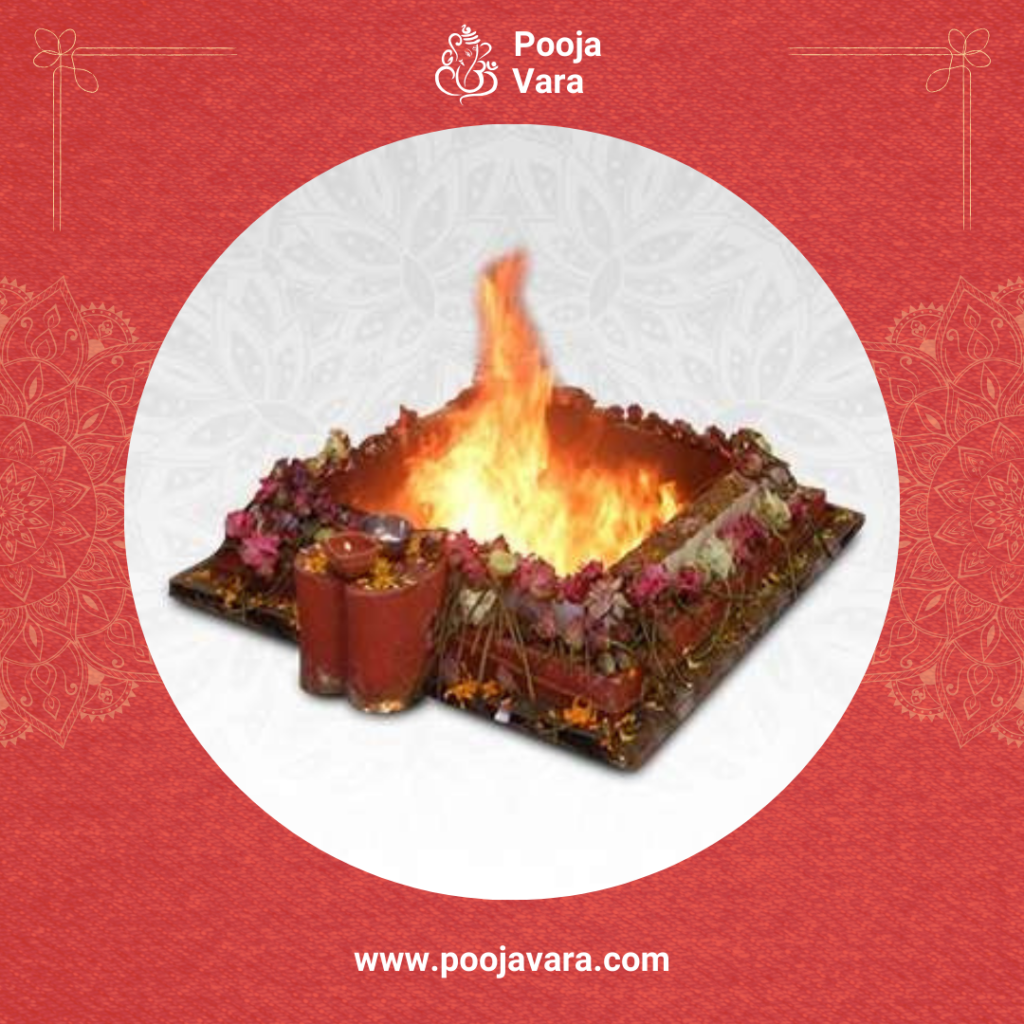
A Homam is a Vedic fire ritual in which offerings are placed into a specially prepared sacred fire while priests recite specific mantras.
The fire, known as Agni, holds an important position in Vedic traditions. During the ritual, different offerings such as ghee, grains, herbs, fruits and other sacred materials may be offered according to the specific Homam being performed.
The exact procedure varies depending on the purpose of the ceremony and the deity being worshipped.
A traditional Homam generally involves:
Because different Homams follow different procedures, it is advisable to consult a knowledgeable Vedic priest before selecting a ceremony.
Mumbai is a fast-paced metropolitan city where people often balance demanding careers, businesses and family responsibilities.
Despite modern lifestyles, many families continue to follow traditional Hindu rituals during important milestones.
Some common reasons for performing a Homam include:
The purpose and procedure should always be determined according to the family’s tradition and the guidance of the priest.
There are many types of Homams performed for different spiritual and religious purposes.
Ganapathi Homam is dedicated to Lord Ganesha and is commonly performed before starting important activities.
Families may perform it when:
It is traditionally associated with seeking Lord Ganesha’s blessings and removing obstacles.
Navagraha Homam is performed as part of traditional worship of the nine planetary deities.
It may be conducted as part of certain religious or astrological practices, particularly when families seek blessings and harmony in life.
The specific procedure and mantras can vary according to the priest’s tradition.
Sudarshana Homam is dedicated to Lord Sudarshana, associated with the divine discus of Lord Vishnu.
Devotees may perform this Homam as part of prayers for protection, spiritual strength and well-being.
Ayushya Homam is traditionally associated with prayers for longevity and well-being.
It is commonly performed for children and on certain auspicious occasions.
Parents may choose this ceremony as a way of offering prayers and seeking blessings for their child’s well-being and long life.
Lakshmi Homam is dedicated to Goddess Lakshmi, traditionally associated with prosperity, abundance and good fortune.
It can be performed by families or business owners as part of their religious practice when seeking blessings for prosperity and financial well-being.
Dhanvanthari Homam is dedicated to Lord Dhanvantari, traditionally associated with Ayurveda and healing.
Families may perform this Homam as part of prayers for health and well-being.
The Maha Mrityunjaya Homam involves the chanting of the Maha Mrityunjaya Mantra and is traditionally performed as a spiritual prayer for health, strength and protection.
The ritual should be conducted under the guidance of a qualified priest familiar with the appropriate Vedic procedure.
Homam is primarily a spiritual and religious practice, rather than a guaranteed solution to personal, financial or health problems.
Devotees traditionally associate Homam with several spiritual benefits, including:
The chanting of mantras and participation in a traditional fire ritual can create a focused and devotional atmosphere.
Families often perform Homam when beginning a new chapter, such as moving into a home or starting a business.
Homam allows families to preserve and continue Vedic traditions and rituals across generations.
The ceremony provides an opportunity to pray, meditate and express gratitude.
Certain Homams are traditionally performed before important events to seek divine blessings.
One of the most convenient options for families is Homam Pooja at home in Mumbai.
Instead of travelling to a temple, a qualified priest can conduct the ceremony at the family’s residence.
Home Homam services can be particularly convenient for:
Before booking, make sure the priest or service provider understands your requirements, family tradition and available space.
Adequate ventilation and a safe area for the sacred fire are also important.
Professional Homam services may include several components depending on the package selected.
Common inclusions can include:
However, inclusions vary between service providers.
Tip: Always ask for a complete list of inclusions before confirming your booking.
A Homam is more than a religious ceremony—it is an important part of India’s ancient Vedic tradition and provides families with an opportunity to come together in prayer, devotion and gratitude.
Whether you are planning a housewarming, family ceremony, religious occasion, new business beginning or a traditional Vedic ritual, selecting the right Homam and an experienced priest can make the experience meaningful and organized.
For families looking for Homam services in Mumbai, professional Pooja service providers can help with priest arrangements, Samagri, ceremony planning and the overall ritual process.
If you are planning a Homam at home or at another location in Mumbai, book your Homam Pooja with an experienced Vedic priest and make your ceremony simple, traditional and hassle-free.
