

Durga Pooja is a revered Hindu worship ritual dedicated to Goddess Durga, the divine embodiment of strength, protection, courage, and Shakti. For devotees, performing Durga Pooja is an opportunity to seek the Goddess’s blessings for peace, prosperity, protection, family well-being, and spiritual growth.
If you are looking for Durga Pooja in Chennai, you can arrange the ceremony at home, in a temple, or through professional pooja service providers. With online booking options becoming increasingly convenient, devotees can arrange a qualified pandit, pooja samagri, and other ceremony requirements without spending hours coordinating everything individually.
This guide explains everything you need to know about Durga Pooja in Chennai, including its significance, rituals, benefits, pooja samagri, suitable occasions, and how to book a pandit online.
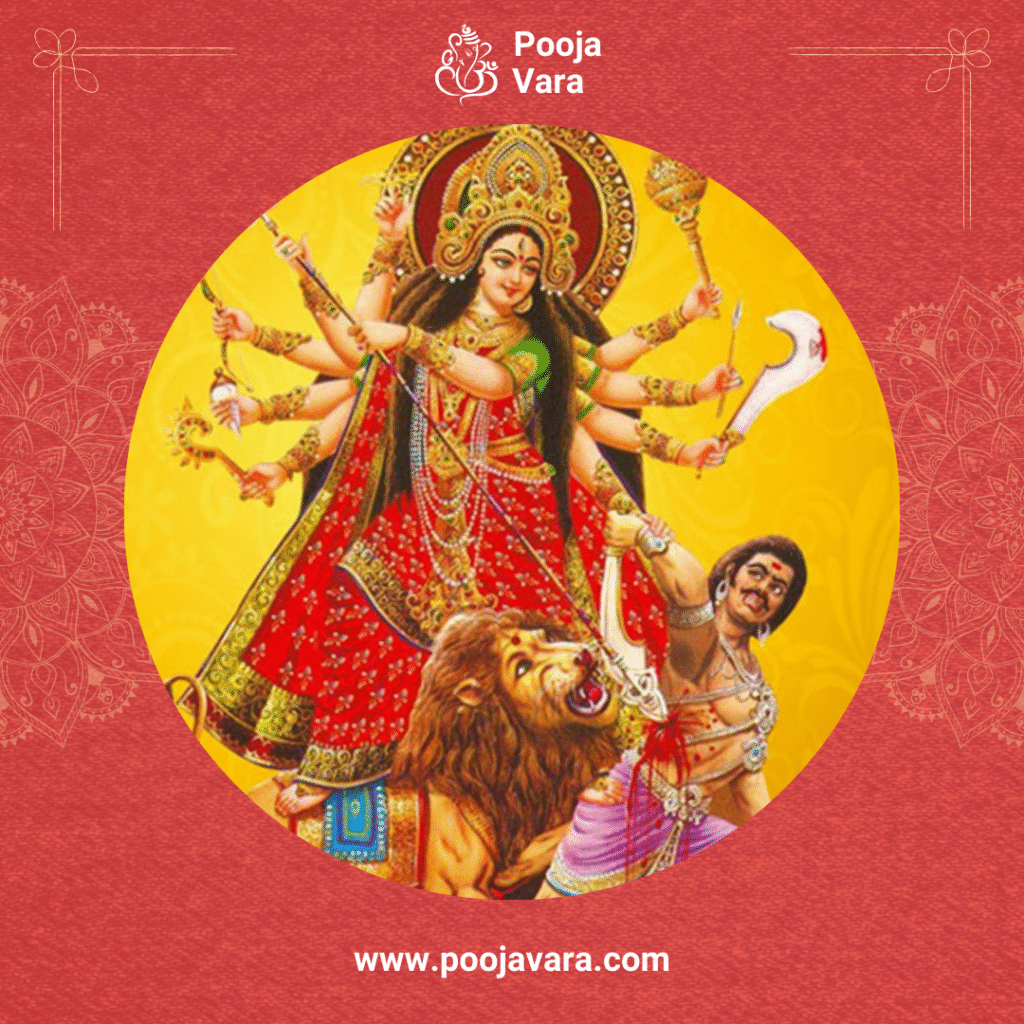
Durga Pooja is a traditional Hindu worship ceremony performed in honor of Goddess Durga. She is worshipped in various forms, including Durga, Mahishasura Mardini, Chandika, Katyayani, and other manifestations of Shakti.
The central purpose of the pooja is to express devotion and seek divine blessings. Depending on the tradition followed by the family, the ceremony may include Sankalpam, Ganapati Pooja, Kalasha Sthapana, Durga Avahana, mantra chanting, archana, offerings, aarti, and prasadam.
Durga Pooja can be performed for personal spiritual practices as well as for important occasions such as festivals, new beginnings, family ceremonies, and prayers for well-being.
Goddess Durga represents divine feminine power, courage, protection, and the victory of good over evil. Worshipping Goddess Durga is traditionally associated with seeking strength to overcome difficulties and challenges.
For many families, Durga Pooja is also an important spiritual practice that creates an atmosphere of devotion and positivity at home.
The ceremony can be performed according to regional and family traditions, so the exact rituals and mantras may differ depending on the sampradaya and the priest conducting the pooja.
Chennai has a rich Hindu cultural and spiritual tradition, with numerous temples, priests, and communities following different forms of Devi worship.
Devotees may choose to perform Durga Pooja in Chennai at home because it provides a comfortable environment for family members to participate in the ceremony.
Some common reasons for arranging the pooja include:
The purpose of the ceremony ultimately depends on the devotee’s personal faith, family tradition, and the guidance of the priest.
Durga Pooja can be performed on different auspicious occasions depending on the family’s tradition and the specific type of Durga worship being conducted.
Navratri is one of the most significant periods for Devi worship. Devotees worship different manifestations of Shakti during the nine-day period and may perform special poojas, chanting, fasting, and other devotional practices.
If you are planning Durga Pooja during Navratri in Chennai, it is advisable to arrange the priest and required materials in advance because demand for pooja services can increase during festival periods.
Families may also perform Durga Pooja on dates recommended by their family priest or based on their traditional calendar.
If the pooja is being performed for a specific purpose or ceremony, consult a qualified priest to determine the appropriate date and procedure.
The exact procedure can vary according to regional and family traditions. A typical Durga Pooja may include the following steps.
The pooja area is cleaned and decorated before the ceremony. Devotees traditionally take a bath and wear clean clothes.
The required pooja materials are arranged near the worship area.
Many Hindu ceremonies begin by invoking Lord Ganesha. The purpose is traditionally associated with seeking blessings for the smooth completion of the ceremony and removing obstacles.
The priest guides the devotee through the Sankalpam, a declaration of the intention behind performing the pooja.
The family may state their names and the purpose of the ceremony according to the traditional procedure.
A kalasha may be established as part of the ritual. Depending on the tradition, it may be decorated with mango leaves, coconut, flowers, turmeric, kumkum, and other sacred items.
The priest invokes Goddess Durga through prescribed mantras and rituals.
This stage is an important part of the ceremony because the devotee symbolically invites the divine presence of the Goddess into the worship.
The priest chants relevant mantras and performs Durga Archana using flowers and other offerings.
Devotees may participate by repeating the names or mantras as guided by the priest.
Traditional offerings may include:
The specific offerings can vary depending on the type of pooja and family tradition.
The ceremony generally concludes with Aarti, where a lit lamp is offered while devotional prayers are recited.
Family members can participate in the aarti and receive the blessings of the Goddess.
After the pooja, prasadam is distributed among family members and participants.
If you are arranging Durga Pooja at home in Chennai, preparing the pooja materials in advance can make the ceremony easier.
Commonly required items may include:
The exact Durga Pooja samagri depends on the ritual being performed. A qualified priest can provide the complete list before the ceremony.
Devotees perform Durga Pooja for spiritual, devotional, and personal reasons. Traditional beliefs associate Goddess Durga worship with several blessings.
Goddess Durga is traditionally worshipped as a powerful protector. Devotees pray for protection from difficulties and negative influences.
Durga represents Shakti, or divine power. Worshipping her is traditionally associated with developing courage, determination, and inner strength.
Many families perform Devi Pooja as a prayer for the happiness, peace, health, and prosperity of family members.
Participating in mantra chanting, meditation, prayer, and aarti can provide a peaceful spiritual environment.
Some devotees perform Durga Pooja before important milestones or new beginnings as an expression of faith and a prayer for divine blessings.
It is important to understand that these are traditional religious beliefs, rather than scientifically established outcomes.
Durga Pooja in Chennai is a meaningful way for devotees to worship Goddess Durga and seek her blessings for strength, protection, peace, prosperity, and family well-being. Whether you are planning the ceremony during Navratri, for a special family occasion, or as part of your regular spiritual practice, understanding the rituals and preparation can make the experience more organized and fulfilling.
If arranging a priest, pooja samagri, and ceremony by yourself feels difficult, an online pooja booking service can simplify the process.
Ready to perform Durga Pooja in Chennai? Choose a trusted pooja service, select your preferred date and location, confirm the required rituals, and book your priest in advance.
Book your Durga Pooja in Chennai today and make your sacred occasion simple, organized, and spiritually meaningful.
