

In Hindu tradition, certain rituals are performed not only for spiritual growth but also to seek divine protection, remove obstacles, and create a positive atmosphere at home or workplace. Chandi Homam is one such powerful Vedic ritual dedicated to Goddess Chandi, a fierce and protective manifestation of Goddess Durga.
For devotees living in Mumbai, arranging traditional rituals can sometimes be challenging due to busy schedules, limited space, and difficulty finding experienced priests. Booking a professional Chandi Homam in Mumbai allows devotees to perform the ritual according to traditional practices with the necessary samagri, Vedic mantras, and puja procedures.
Whether you are planning Chandi Homam for your family, a new home, business, spiritual well-being, or protection from negative influences, understanding the ritual beforehand can help you prepare properly.
In this complete guide, we explain the significance, benefits, procedure, samagri, ideal occasions, approximate cost, and important things to consider when booking a Chandi Homam in Mumbai.
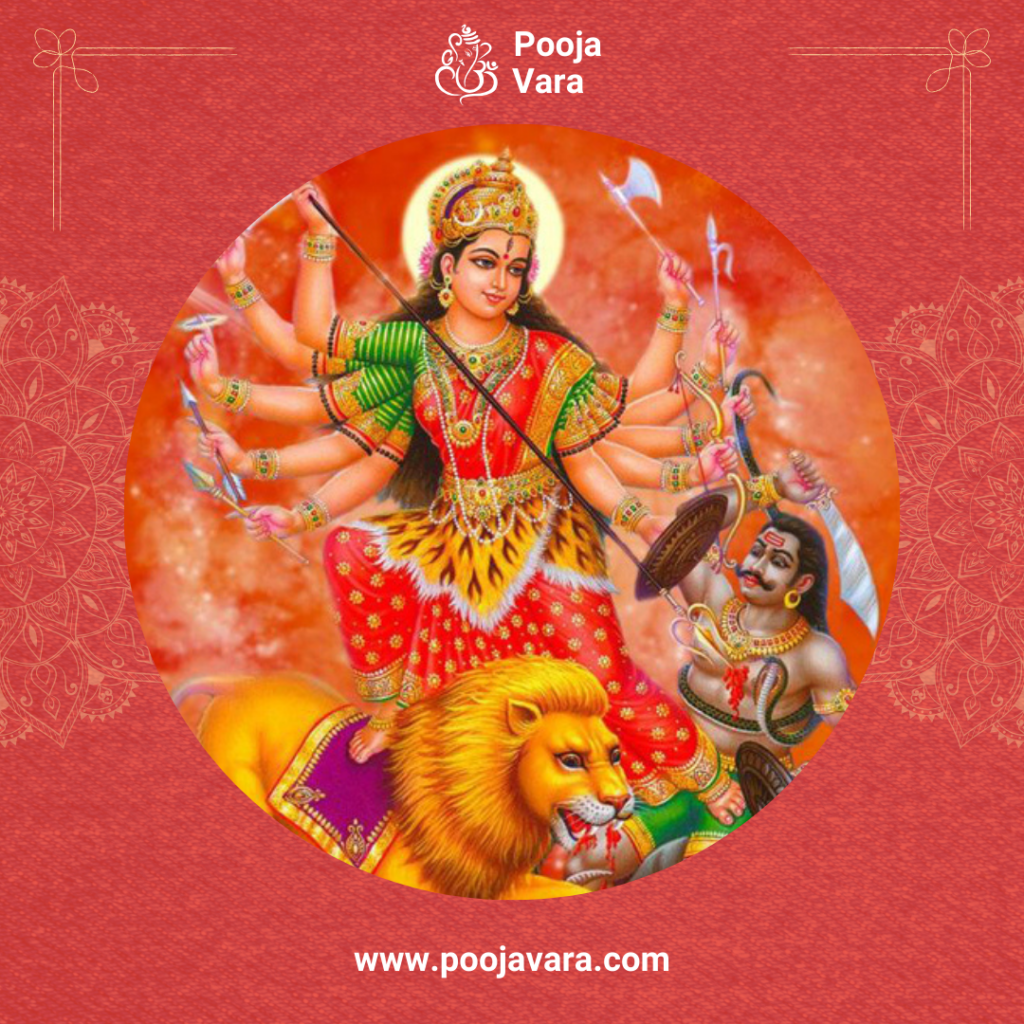
Chandi Homam, also known as Chandi Havan, is a sacred fire ritual dedicated to Goddess Chandi or Chamundeshwari, a powerful form of Goddess Durga.
The ritual involves invoking the divine energy of Goddess Chandi through Vedic mantras, offerings, and fire oblations. Depending on the tradition and purpose, the Homam may include the recitation of portions of the Devi Mahatmyam (Durga Saptashati) along with other traditional prayers and mantras.
The sacred fire, known as Agni, is considered an important medium through which offerings are made during the Homam.
A properly conducted Chandi Homam generally involves:
The exact procedure can vary according to the priest’s tradition, family customs, and the purpose of the ritual.
Chandi Homam is traditionally performed by devotees seeking the blessings and protective energy of Goddess Chandi.
Many families choose this Homam during important phases of life, particularly when they want to begin something new or seek spiritual strength during challenging circumstances.
Traditionally, Chandi Homam is associated with intentions such as:
It is important to understand that these are traditional spiritual beliefs, rather than scientifically established guarantees.
Goddess Chandi is traditionally worshipped as a powerful protective deity. Devotees perform Chandi Homam to seek protection from negative influences and difficulties.
The ritual is commonly performed with the intention of overcoming obstacles and challenges in personal, family, professional, or spiritual life.
The chanting of sacred mantras and performance of the Homam can create a peaceful and devotional atmosphere for participants.
Families may perform Chandi Homam together as a collective prayer for health, harmony, prosperity, and overall well-being.
Goddess Chandi represents divine feminine power and strength. Devotees may perform the ritual as a prayer for courage, determination, and inner strength.
Participating in mantra recitation, meditation, prayer, and traditional rituals can provide an opportunity for spiritual reflection and devotion.
Chandi Homam can generally be performed by individuals, couples, or families depending on the ritual format and the purpose of the Homam.
It may be suitable for:
The specific requirements may differ according to the tradition followed by the priest.
If you are unsure whether Chandi Homam is appropriate for your particular situation, discuss the purpose of the ritual with the priest before booking.
The procedure can vary depending on the sampradaya, priest, and type of Homam. However, a typical Chandi Homam in Mumbai may include the following stages.
The priest begins by taking Sankalpam, which establishes the intention behind performing the ritual. Details such as the devotee’s name, family and purpose of the Homam may be included according to tradition.
Lord Ganesha is traditionally worshipped before beginning major Hindu rituals. This is performed to seek blessings for the successful completion of the ceremony.
A sacred Kalasha is prepared and worshipped as part of the ritual. It represents divine presence and auspiciousness.
The priest invokes Goddess Chandi through traditional mantras and prayers.
Depending on the ritual format, relevant portions of Devi Mahatmyam, Chandi-related mantras, and other prayers may be recited.
The main fire ritual begins. Various traditional offerings are placed into the sacred fire while priests chant prescribed mantras.
The ceremony concludes with Purnahuti, the final offering into the sacred fire.
The ritual may conclude with Aarti, prayers, blessings, and distribution of prasadam.
The exact list of materials required for Chandi Homam depends on the ritual format and priest. Common items may include:
If you are booking a priest or service provider, ask whether Chandi Homam samagri is included in the package. This can make the preparation much easier.
The duration depends on the type and scale of the ritual.
A shorter Homam may take a few hours, while an elaborate Chandi ritual involving extensive recitation and additional ceremonies can take considerably longer.
Before scheduling your ceremony, confirm:
This is particularly important in Mumbai, where travel time and scheduling can affect the overall experience.
Chandi Homam may be performed on auspicious days determined according to Hindu traditions and the devotee’s purpose.
Depending on the family’s tradition, devotees may consider:
However, the most suitable date can depend on the individual’s intention, family tradition, Panchang considerations, and availability of the priest.
Therefore, it is advisable to consult an experienced priest before finalizing the date.
Mumbai is a large metropolitan city, and devotees may have different requirements depending on whether the Homam is conducted at a residence, temple, community hall, or another suitable location.
Before booking a Chandi Homam in Mumbai, consider the following:
The priest should be familiar with the relevant mantras, procedure, and traditional requirements.
Ask exactly what type of Chandi Homam will be performed and what is included.
Confirm whether the service provider supplies all required puja and Homam materials.
If the Homam is being conducted at home, keep a clean and sufficiently ventilated area ready for the Havan Kund.
A simple ceremony and an elaborate Chandi Homam may involve different numbers of priests.
Clarify the complete cost beforehand to avoid confusion later.
The cost of Chandi Homam in Mumbai can vary considerably depending on several factors.
These may include:
Instead of choosing a service solely based on price, devotees should consider the authenticity of the ritual, experience of the priests, transparency of pricing, and what is included in the package.
For current pricing, it is best to request a customized quotation based on your preferred date and requirements.
One of the convenient options for Mumbai residents is performing Chandi Homam at home.
A home-based Homam allows family members to participate together without having to travel to another location.
Before arranging the ritual at home, ensure that:
If your apartment has restrictions regarding fire rituals or smoke, discuss alternative arrangements with the priest or service provider.
Chandi Homam in Mumbai is a significant Hindu fire ritual performed to seek the blessings of Goddess Chandi and invoke divine protection, strength, and positivity. From preparing the required samagri to selecting an experienced priest and choosing an appropriate date, proper planning can make the ceremony more meaningful and organized.
Whether you want to perform Chandi Homam at home, during Navaratri, for your family, or as part of an important spiritual occasion, choosing a reliable puja service can simplify the entire process.
If you are planning a Chandi Homam in Mumbai, contact Poojavara to discuss your requirements, check priest availability, understand the ceremony details, and book your puja service. Make your sacred occasion convenient, traditional, and memorable for your family.
Lakshmi Pooja is a Hindu ritual dedicated to Goddess Lakshmi. Devotees perform it to seek blessings for prosperity, abundance, financial stability, happiness, and well-being.
The auspicious timing depends on the occasion and Hindu calendar. Diwali is one of the most popular occasions, but Lakshmi Pooja may also be performed on Fridays, Akshaya Tritiya, and other auspicious occasions. Consult a pandit for the appropriate muhurat.
Yes. Lakshmi Pooja can be performed at home. Families can conduct a simple prayer themselves or invite a qualified pandit for a more detailed traditional ritual.
Common samagri includes a Lakshmi idol or picture, Ganesha idol, flowers, fruits, sweets, rice, turmeric, kumkum, sandalwood, incense, camphor, diyas, kalash, coconut, betel leaves, betel nuts, and other traditional offerings.
Yes. Devotees can arrange a pandit for home Lakshmi Pooja in Mumbai. It is advisable to confirm the pandit’s availability, pooja procedure, charges, language preference, and samagri requirements in advance.
