poojavara.com

Satyanarayana Pooja: Rituals & Mantras Guide

Satyanarayana Pooja: Step-by-Step Guide with Mantras and Rituals

Performing a Satyanarayana Pooja is one of the most auspicious Hindu rituals dedicated to Lord Vishnu in his Satyanarayana form. This pooja is widely performed during housewarmings, naming ceremonies, birthdays, or any new beginnings to seek blessings for prosperity, health, and harmony.

Whether you are a first-timer or looking for a comprehensive Satyanarayana Pooja Vidhi, this guide will walk you through every essential step—from samagri list to mantras, dos and don’ts, and deeper spiritual significance.

What is Satyanarayana Pooja?

Satyanarayana Pooja is a Hindu ritual dedicated to Lord Vishnu, who represents truth and benevolence. The word “Satya” means truth and “Narayana” is another name for Vishnu. This ritual is performed to show gratitude or to ask for blessings before starting something new.

Why Perform Satyanarayana Pooja?

  • To gain blessings for a new home, job, or venture

  • To remove obstacles and past karmic debts

  • For peace, prosperity, and spiritual growth

  • As part of a Satyanarayana Vrat (fast) for wish fulfillment
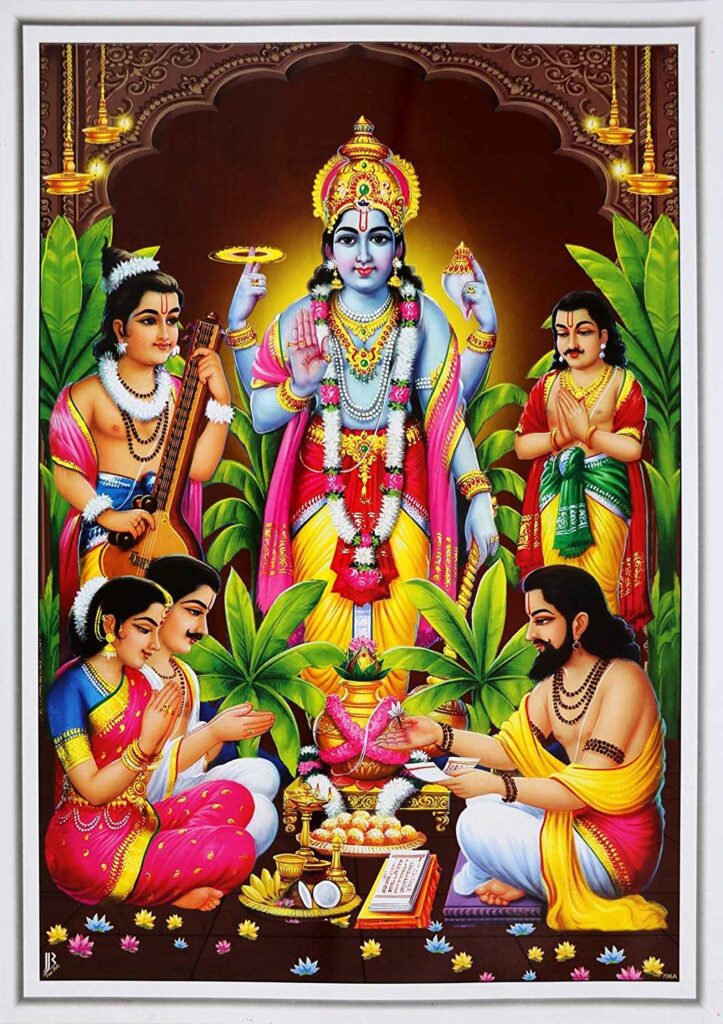
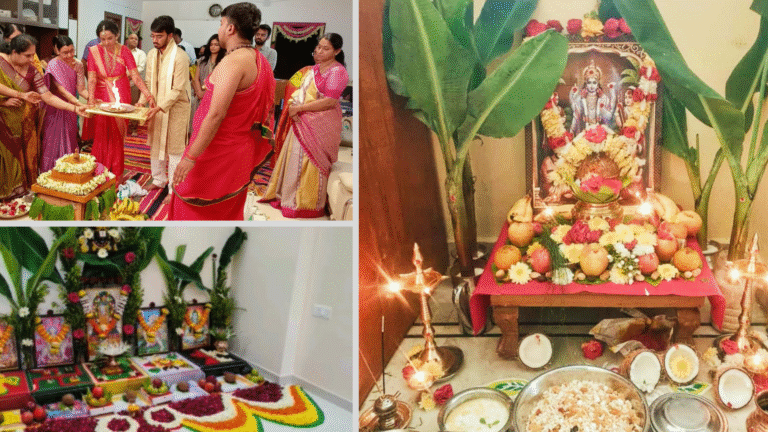
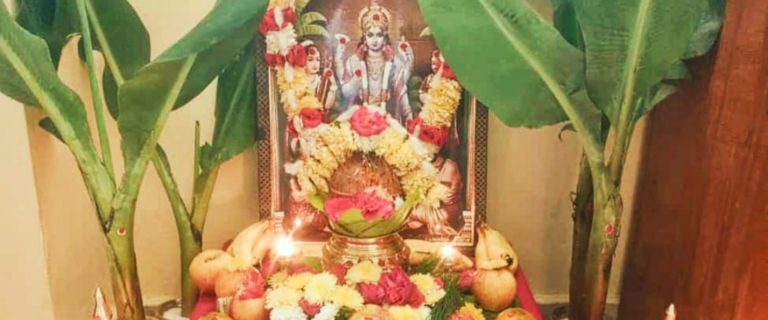
Satyanarayana Pooja

Satyanarayana Pooja Samagri (Materials Required)

Here’s the list of items needed for the pooja:

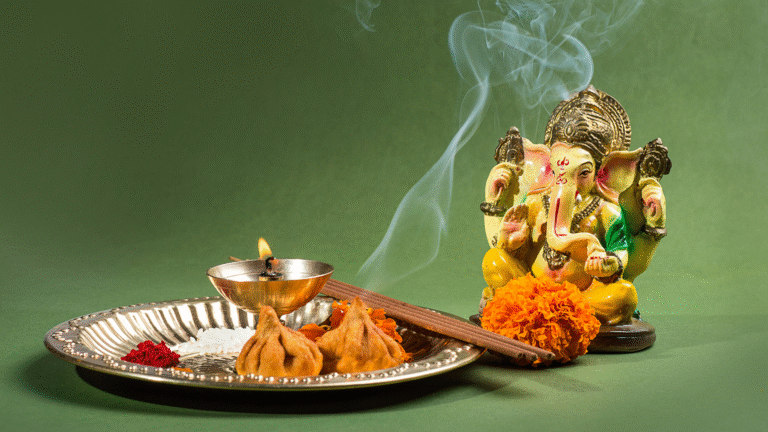
  • Kalash (copper pot) with coconut and mango leaves
  • Turmeric, kumkum, rice, sandalwood paste
  • Fresh flowers and garlands
  • Betel leaves and nuts
  • Banana leaves or plates
  • Fruits (especially bananas), sweets, jaggery, sugar
  • Panchamrit (milk, curd, honey, sugar, ghee)
  • Pooja bell, diya, agarbatti (incense sticks)
  • Satyanarayana Vrat Katha book
  •  

💡 Tip: Arrange all items neatly on a clean altar or pooja platform covered with a fresh cloth.

Step-by-Step Guide to Perform Satyanarayana Pooja

Step 1: Purify the Space and Yourself
  • Clean the pooja area and take a bath before starting

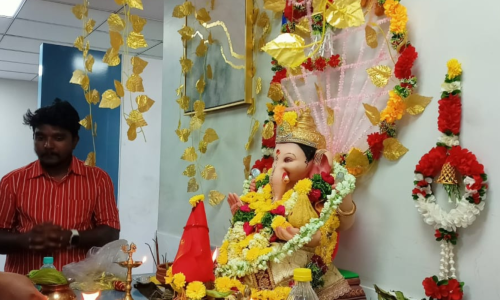
  • Place the idol/photo of Lord Satyanarayana and decorate it

Step 2: Kalash Sthapana (Invoking the Lord)
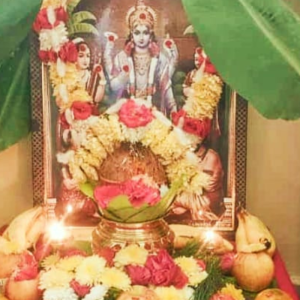
  • Fill a kalash with water, place mango leaves and coconut

  • Apply turmeric and kumkum to the kalash and place it beside the deity

Step 3: Sankalpam (Intention)
  • Recite the Sankalpam mantra by stating your name, gotra, date, place, and reason for performing the pooja

Step 4: Ganapati Pooja
  • Start with worshipping Lord Ganesha to remove obstacles

  • Chant the Ganapati mantra:
    “Om Gan Ganapataye Namah”

Step 5: Main Satyanarayana Pooja
  • Offer flowers, fruits, and prasadam to Lord Vishnu

  • Light a lamp and incense sticks

  • Chant the Satyanarayana Ashtottara Shatanamavali (108 names) or Vishnu Sahasranama

  • Offer Panchamrit and perform aarti

Step 6: Satyanarayana Katha Recitation
  • Recite the 5 chapters (adhyayas) of Satyanarayana Vrat Katha

  • Each story shares moral lessons about the importance of truth, devotion, and gratitude

Step 7: Aarti and Prasadam Distribution
  • Conclude the pooja by singing the Satyanarayana Aarti

  • Offer prasadam (sheera, fruits, bananas, and panchamrit) to everyone
Online Puja

Important Mantras for Satyanarayana Pooja

1. Invocation Mantra
“Om Namo Bhagavate Vasudevaya”
(Chanted during the main pooja)

2. Vishnu Gayatri Mantra
“Om Narayanaya Vidmahe
Vasudevaya Dhimahi
Tanno Vishnu Prachodayat”

3. Aarti Song (Commonly Sung):
“Om Jai Satyanarayan Swami”

Benefits of Performing Satyanarayana Pooja

  • Brings peace and happiness in the family

  • Fulfills wishes and removes obstacles

  • Attracts divine grace and spiritual upliftment

  • Ideal for home warming (Griha Pravesh), business openings, and new ventures

✅ Many devotees observe the Satyanarayana Vrat on Purnima (full moon) for maximum spiritual benefit.

Do’s and Don’ts During Satyanarayana Pooja

Do’s:
  • Perform it with pure intention and cleanliness

  • Maintain a sattvic (pure) diet before and after the pooja

  • Involve all family members in the katha and aarti

Don’ts:
  • Avoid leaving the pooja mid-way

  • Don’t consume non-veg or alcohol on the day of the pooja

  • Avoid anger, arguments, or distractions during the katha

Conclusion: Invite Divine Grace into Your Life

Satyanarayana Pooja is not just a ritual—it’s a powerful expression of devotion and surrender to the divine truth. Whether you’re starting something new or seeking peace, this pooja can invite divine blessings, prosperity, and clarity into your life.

Ready to perform Satyanarayana Pooja at home?

🎉 Book an online priest or get a complete Satyanarayana Pooja kit delivered to your doorstep!
📩 Contact us now for personalized pooja guidance or virtual pooja support.

FAQs About Aksharabhyasam

The best day to perform Satyanarayana Pooja is on a Purnima (full moon) or on Ekadashi. It can also be performed on any day with proper devotion.

Yes, you can perform Satyanarayana Pooja at home with basic pooja samagri and by following the right procedure, mantras, and devotion.

Observing a fast is optional. Devotees can choose to fast or consume sattvic food on the day of the pooja.

Common prasadam includes sheera (semolina sweet), fruits like bananas, panchamrit, and dry fruits.

Modern vs Traditional Marriage: What Works Best Today?

Modern vs Traditional Marriage: What Works Best Today?

Marriage has long been considered a sacred institution. But as society evolves, so do the values and expectations around it. In today’s world, couples are choosing between two dominant paradigms: modern marriage and traditional marriage.

While traditional marriages emphasize roles, stability, and family values, modern marriages prioritize equality, personal growth, and emotional compatibility. The big question is: Which one works better in today’s fast-paced, ever-changing world?

In this blog post, we’ll explore the key differences, benefits, and challenges of both types of marriage, helping you decide what aligns best with your values and lifestyle.

What is a Traditional Marriage?

Traditional marriage is rooted in cultural norms and religious values, often with defined roles for each partner. In most societies, it reflects a patriarchal structure, where the man is seen as the provider and the woman as the caregiver.

Key Characteristics of Traditional Marriage:

Gender roles are well-defined

Family and societal approval are central

Often arranged or semi-arranged

Emphasis on commitment and duty

Decisions made collectively with family input

Pros:

  • Stability and long-term security

  • Strong support from extended family

  • Cultural continuity and shared values

Cons:

  • Limited personal freedom

  • Gender role rigidity

  • Lower emphasis on emotional compatibility

Marriage

What is a Modern Marriage?

Modern marriage reflects the changing dynamics of today’s world. It is built on mutual respect, equality, and shared responsibilities, often challenging conventional gender roles.

Key Features of Modern Marriage:
  • Partners choose each other based on love

  • Roles are fluid and based on agreement

  • Career, personal goals, and freedom are prioritized

  • Communication and emotional connection are key

Pros:

  • Greater autonomy and flexibility

  • Equal partnership in decision-making

  • Emphasis on compatibility and mutual growth

Cons:

  • Lack of family support in some cases

  • Higher chances of conflict due to independence

  • Societal resistance in conservative settings

Modern vs Traditional Marriage: Key Differences

AspectTraditional MarriageModern Marriage
Partner SelectionArranged/Family-approvedLove-based/Individual choice
Gender RolesClearly definedFluid and negotiable
Decision-MakingFamily-orientedPartner-centric
Career & IndependenceSecondary for womenEncouraged for both
Emotional ExpressionLimited or restrainedOpen and encouraged
Divorce/Separation ViewTabooAccepted if compatibility fails
marriage

Which Works Best Today?

There’s no one-size-fits-all answer. The success of a marriage depends on the individuals involved, their upbringing, expectations, and willingness to grow together.

Modern Marriage Works Well If:
  • You value independence and equality

  • You seek emotional depth and open communication

  • You’re willing to redefine roles

Traditional Marriage Works Well If:
  • You prioritize family values and stability

  • You’re comfortable with defined roles

  • Cultural continuity is important to you

Can You Combine Both? The Hybrid Approach

Many couples today are creating a hybrid model, blending the best of both worlds.

For example:

  • Respecting cultural traditions while choosing a partner based on love

  • Sharing responsibilities but embracing certain traditional roles

  • Seeking family blessings but maintaining autonomy

This balanced approach often leads to a more adaptable and sustainable relationship.

Conclusion: Choose What Aligns With You

Whether you’re inclined toward a traditional setup or a modern partnership, the most important factor is mutual understanding and compatibility.

No matter what path you choose, a successful marriage requires:

  • Trust
  • Respect
  • Shared values
  • Continuous communication

Thinking about marriage or relationship counseling?
🔗 Connect with relationship experts who understand both traditional and modern values.
💬 Schedule a free 15-minute clarity call today!

FAQs About Aksharabhyasam

Traditional marriage emphasizes cultural roles and family involvement, while modern marriage focuses on individual choice, equality, and emotional compatibility.

Success depends on the couple. Modern marriages offer flexibility, but traditional ones may provide stronger social and family support.

Yes, many couples today blend both approaches to create a balanced marriage that honors tradition while embracing modern values.

Modern marriages may see higher divorce rates due to changing expectations and greater independence, but also promote healthier separations when needed.

Bhoomi Pooja: Rituals & Guide for Property Owners

Bhoomi Pooja: Significance, Rituals, and Step-by-Step Guide for New Property Owners

Buying land or starting construction is a major milestone. In Hindu tradition, this moment is incomplete without invoking the blessings of Mother Earth (Bhoomi Devi) through a sacred ritual called Bhoomi Pooja.

Whether you’re building a home, office, or any new structure, Bhoomi Pooja is considered the first and most essential ritual before beginning construction. It not only seeks divine blessings but also ensures positivity, prosperity, and protection for your project.

In this blog, you’ll learn the meaning, benefits, and step-by-step procedure of Bhoomi Pooja—especially tailored for new property owners looking to start their journey on a spiritual and auspicious note.

What is Bhoomi Pooja?

Bhoomi Pooja, also known as Bhoomi Puja or Bhumi Pujan, is a traditional Hindu ritual performed before beginning construction on a piece of land. It is a ceremonial worship of Bhoomi Devi, the Earth Goddess, along with Vastu Purusha and other deities.

The ritual aims to:

Cleanse the land of past negative energies

Appease Earth deities and local spirits

Remove Vastu doshas

Seek prosperity and safety during and after construction

Bhoomi Pooja

Why is Bhoomi Pooja Important for New Property Owners?

For first-time landowners and real estate investors, Bhoomi Pooja plays a crucial spiritual and cultural role. Here’s why it’s important:

Cleanses Negative Karma

The land may carry residual energies from past activities. The pooja purifies these.

Ensures Vastu Compliance

Appeasing the Vastu Purusha sets the foundation for a Vastu-compliant home or office.

Invokes Blessings for Smooth Construction

Bhoomi Pooja eliminates obstacles and ensures timely project completion.

Protects Future Residents or Users

The ritual shields occupants from health, financial, or spiritual troubles.

When Should Bhoomi Pooja Be Performed?

Choosing the right time is key to the success of Bhoomi Pooja. The muhurat is typically selected based on:

  • Owner’s Janma Nakshatra (birth star)

  • Astrological charts

  • Favorable tithis (dates) such as Shukla Paksha

  • Days like Monday, Thursday, or Friday are usually preferred

Tip: Consult a local Vedic priest or astrologer to find the best time for your Bhoomi Pooja.

Step-by-Step Bhoomi Pooja Procedure

1. Sankalpam (Resolution)

The head of the family declares the intention of the ritual, mentioning name, date, and purpose.

2. Ganapati Pooja

Lord Ganesha is invoked to remove all obstacles before the construction begins.

3. Kalash Sthapana

A sacred copper pot (Kalasha) with coconut and mango leaves is placed, representing divine presence.

4. Bhoomi Devi & Vastu Purusha Invocation

Special mantras are chanted to honor Mother Earth and Vastu Purusha, seeking their permission.

5. Digbandhanam (Guarding Directions)

Thread and turmeric rice are placed in all four directions to guard the land spiritually.

6. Navagraha Pooja

The nine planetary gods are worshipped to reduce astrological doshas.

7. Soil Digging Ceremony

A symbolic act of digging a small pit marks the beginning of construction, sometimes accompanied by planting a coconut or stone.

8. Poornahuti & Aarti

The ritual ends with the final offering to the fire and Aarti to all deities.

Items Required for Bhoomi Pooja

Here’s a basic checklist of commonly required items:

  • Turmeric, Kumkum, Sandalwood paste

  • Kalash (copper pot), Coconut, Mango leaves

  • Betel leaves, Betel nuts, Flowers, Fruits

  • Camphor, Ghee, Incense sticks, Lamps

  • Navadhanya (nine grains)

  • Bricks, Stone, or idol for planting

📦 Pro Tip: Many temples and online services offer Bhoomi Pooja kits with all essential items.

Conclusion: Build with Blessings

Performing Bhoomi Pooja is not just a ritual—it’s a sacred commitment to respect the Earth, seek divine blessings, and ensure harmony in your new space. For new property owners, this pooja marks the beginning of a safe, prosperous, and spiritually aligned journey into homeownership or development.

🙏 Whether you’re constructing your dream home or launching a new commercial space, start with a Bhoomi Pooja to invite positivity and progress.

👉 Planning your Bhoomi Pooja soon?
✅ Get help with Vastu-compliant planning, priest bookings, and pooja kits today.
📞 Contact us for spiritual consultations and home rituals.

FAQs About Aksharabhyasam

Bhoomi Pooja is performed to purify the land, invoke blessings from Bhoomi Devi and Vastu Purusha, and ensure successful and safe construction.

While you can participate, it is recommended to have a qualified Hindu priest lead the ceremony for proper Vedic procedures.

The entire Bhoomi Pooja usually takes around 1.5 to 2 hours, depending on the rituals and number of deities involved.

Yes, it is a traditional and spiritual safeguard against negative energy, ensuring a smooth and blessed construction journey.

Ayushya Homam: Meaning, Benefits & Procedure Explained

Ayushya Homam: Meaning, Benefits & Procedure Explained

In Hindu tradition, longevity, good health, and protection from untimely death are considered divine blessings. One sacred Vedic ritual that invokes these blessings is Ayushya Homam—a powerful fire ceremony dedicated to Lord Ayur Devata, the deity of life and health.

Whether you’re planning this ritual for your child, a loved one, or yourself, understanding the Ayushya Homam meaning, benefits, and procedure can help you perform it with intention and reverence.

What is Ayushya Homam?

Ayushya Homam is a sacred fire ritual performed to invoke divine protection, promote longevity, and restore good health. The word “Ayushya” comes from Ayush, meaning life or age, and “Homam” refers to a sacrificial fire ritual.

The Homam is performed by chanting powerful Vedic mantras from the Rig Veda, Yajur Veda, and Atharva Veda, seeking blessings from Ayur Devata for a long, healthy, and prosperous life.

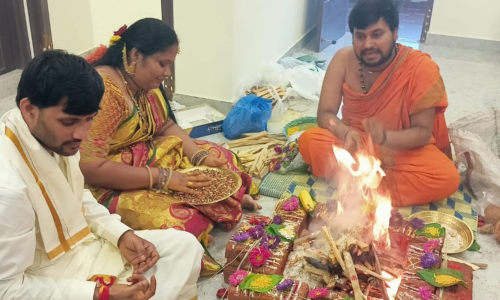
Ayushya Homam

When Should Ayushya Homam Be Performed?

Ayushya Homam is commonly performed:

On birthdays, especially for children

After recovering from major illnesses or surgeries

To ward off untimely or unnatural death as per horoscope doshas (like Mṛityu Yoga)

During Ayushya Muhurat based on the individual’s Janma Nakshatra

Pro Tip: Ayushya Homam is often recommended by astrologers for those with health-related doshas or short life indications in their charts.

Who Can Perform Ayushya Homam?

Anyone seeking divine health and longevity can perform this Homam. It is especially beneficial for:

  • Infants and children, as a protective ritual

  • Elderly people, to promote strength and vitality

  • Patients recovering from chronic or life-threatening illnesses

  • Individuals facing astrological doshas affecting health and lifespan

Homams

Benefits of Ayushya Homam

1. Promotes Long Life

The primary purpose of this Homam is to enhance the lifespan and remove any negative karmic influences that shorten life.

2. Strengthens Physical and Mental Health

It balances body and mind, providing strength, stamina, and clarity.

3. Cures Chronic Illnesses

Ayushya Homam is often done to aid recovery from serious diseases and prevent relapse.

4. Shields from Accidents and Untimely Death

The mantras and offerings create a protective aura around the individual.

5. Energizes the Environment

The sacred fire purifies the surroundings, removing negative energy and vibrations.

Ayushya Homam Procedure: Step-by-Step Guide

1. Sankalpam (Vow Declaration)

The ritual begins with the individual or guardian taking a Sankalpam, stating their name, gotra, purpose, and date.

2. Ganapathi Puja

Invoking Lord Ganesha ensures obstacle-free proceedings.

3. Kalasha Sthapana

Setting up the holy pot (Kalasha) with water, mango leaves, and coconut symbolizes the deity’s presence.

4. Invocation of Ayur Devata

Mantras are chanted to invoke Lord Ayur Devata and other supporting deities.

5. Main Homam

The Homa fire is lit, and sacred Ayushya Sukta Mantras are recited while offering ghee, herbs, and samagri.

6. Poornahuti (Final Offering)

A grand offering is made into the fire, signifying the ritual’s completion.

7. Ashirvadam (Blessings)

The individual receives blessings from the priest and elders and consumes prasadam.

Where is Ayushya Homam Commonly Performed?

While the Homam can be done at home, many prefer conducting it at temples for greater spiritual impact.

Famous Temples for Ayushya Homam:
  • Thirukkadaiyur Temple (Tamil Nadu) – Known for rituals that prevent untimely death

  • Sri Kalahasti Temple (Andhra Pradesh) – For health-related dosha remedies

  • Guruvayur Temple (Kerala) – Popular for child-related Homams

Conclusion: A Ritual for Lifelong Vitality

Ayushya Homam is not just a ritual—it’s a spiritual shield, a lifelong blessing, and a Vedic prescription for health and prosperity. Whether you’re celebrating a child’s birthday, recovering from an illness, or seeking protection from negative planetary influences, this Homam offers divine assurance.

Want to organize an Ayushya Homam for yourself or a loved one?
📞 Consult with a local Vedic priest or book a ritual service online.
🌿 Let longevity and health become divine gifts in your life.

FAQs About Aksharabhyasam

Ayushya Homam is performed to promote good health, longevity, and protection from untimely death. It invokes blessings from Ayur Devata.

It is usually performed on birthdays, after major health recovery, or when recommended by astrologers to remove life-threatening doshas.

Yes, it can be performed at home with a qualified priest, though doing it in a temple is considered more auspicious.

The entire procedure usually takes around 2 to 3 hours, depending on the number of priests and mantras involved.

What is Aksharabhyasam? Meaning, Rituals & Significance

What is Aksharabhyasam? Meaning, Rituals & Significance

In Hindu culture, education is not just an academic milestone—it’s a sacred journey. And this journey begins with Aksharabhyasam, a traditional ceremony that marks a child’s initiation into learning and literacy. This first step into the world of knowledge is deeply symbolic and celebrated with spiritual fervor, particularly in South India.

Whether you’re a parent planning your child’s first writing ritual or someone curious about Hindu traditions, this article will guide you through the meaning, rituals, muhurat, and spiritual importance of Aksharabhyasam.

What is Aksharabhyasam?

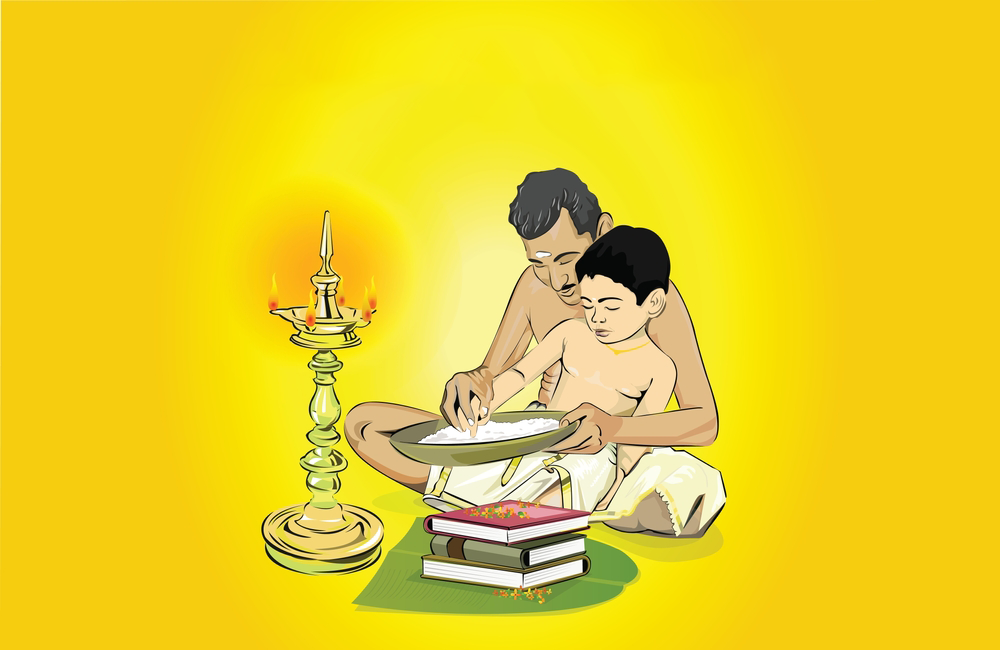
Aksharabhyasam (also known as Vidyarambham or Ezhuthiniruthu in Kerala) literally means “initiation into letters.” The word combines Akshara (letters or alphabets) and Abhyasam (practice or initiation).

It’s a sacred ritual that symbolically introduces a child to the world of education, wisdom, and Saraswati—the Goddess of learning.

Aksharabhyasam

When is Aksharabhyasam Performed?

The ceremony is generally performed when a child is between 2.5 to 5 years old, right before formal schooling.

Auspicious Days for Aksharabhyasam:
  • Vasant Panchami (dedicated to Goddess Saraswati)

  • Vijayadashami (end of Navaratri, symbolic of victory of knowledge)

  • Saraswati Puja

  • Guru Purnima

💡 Pro Tip: Always consult a priest or astrologer to choose an auspicious muhurat (timing) based on the child’s horoscope.

How is Aksharabhyasam Performed?

The Aksharabhyasam ritual is often held at temples or at home with the presence of a priest.

Step-by-Step Rituals:
1. Ganapati Pooja

The ceremony begins with a prayer to Lord Ganesha to remove obstacles and ensure a smooth start to the child’s learning journey.

2. Saraswati Pooja

Special offerings are made to Goddess Saraswati, asking for blessings of intelligence, creativity, and wisdom.

3. Writing the First Letters

The child is helped by a parent or guru to write the first letters, often on a plate filled with:

  • Rice grains or

  • Turmeric paste on a slate
    Traditionally, the first letters are either:

    • “Om”

    • “Sri”

    • The first letters of local alphabets (like “అ” in Telugu, “அ” in Tamil, or “अ” in Hindi)

4. Blessings and Prasad

The child receives blessings from elders and the deity, and Prasadam (sacred offering) is distributed.

top 10 annual poojas

Significance of Aksharabhyasam in Hinduism

  • Spiritual Start: Aligns the child’s life with divine energies from an early age.

  • Cultural Identity: Connects the child to ancestral customs and Vedic traditions.

  • Educational Blessings: Invokes the power of knowledge and clears karmic blockages for a successful academic journey.

  • Family Unity: Brings family and community together to celebrate the child’s milestone.

Where to Perform Aksharabhyasam?

Popular Temples for Aksharabhyasam in South India:

  • Saraswati Temple, Basar (Telangana)
  • Gnana Saraswati Temple, Koothanur (Tamil Nadu)
  • Sharada Peetham, Sringeri (Karnataka)
  • Dakshina Mookambika Temple, Kerala

Conclusion: A Sacred Beginning to Lifelong Learning

Aksharabhyasam is more than just a ceremony—it is a sacred investment in your child’s future. By marking the beginning of their educational journey with divine blessings, you ensure a path filled with wisdom, success, and spiritual growth.

🎓 Planning an Aksharabhyasam ceremony for your child?
📍 Choose an auspicious date, consult your family priest, or book a ritual online.
🪔 Let the journey of learning begin with devotion and purpose.

FAQs About Aksharabhyasam

Aksharabhyasam is ideally performed when a child is between 2.5 to 5 years old, before formal schooling begins.

Goddess Saraswati, the deity of learning, and Lord Ganesha are worshipped during the Aksharabhyasam ceremony.

The child usually writes the word ‘Om’ or ‘Sri’ or the first letter of the local script in rice or turmeric paste with the help of parents or a guru.

Yes, it can be performed at home under the guidance of a qualified priest, although many prefer doing it in temples for added spiritual significance.

Top 10 Most Auspicious Poojas for New Beginnings in Hinduism

Top 10 Most Auspicious Poojas for New Beginnings in Hinduism

In Hinduism, every new beginning is deeply spiritual. Whether it’s a new home, business, job, or phase in life—Hindus turn to divine rituals and poojas to invoke blessings, remove obstacles, and align with cosmic energies. Performing specific poojas helps purify the environment, bring positive vibrations, and ensure success in new ventures.

In this article, we’ll explore the top 10 most auspicious poojas for new beginnings, backed by tradition and spiritual significance. Whether you’re starting a family, moving into a new home, or launching a business, these rituals can set the foundation for peace, prosperity, and protection.

1. Ganapathi Pooja – The Obstacle Remover

Lord Ganesha is worshipped as Vighnaharta—the remover of obstacles. Any new venture or auspicious beginning traditionally starts with a Ganapathi Pooja. It ensures a smooth path ahead and wards off negativity.

When to Perform: Before housewarming, weddings, business launches, or educational endeavors.
Best Day: Chaturthi or any Monday/Tuesday.

Online pooja

2. Satyanarayan Pooja – For Prosperity and Harmony

This pooja is dedicated to Lord Vishnu, the preserver of the universe. It is ideal for families entering new homes, starting new jobs, or celebrating personal milestones.

When to Perform: After achieving or aiming for a significant life goal.
Best Day: Full Moon (Purnima).

Online Puja

3. Griha Pravesh Pooja – For New Homes

Moving into a new house? Griha Pravesh Pooja cleanses the space of negative energies and invites peace, wealth, and health into the household.

Includes: Vastu Shanti, Navagraha Shanti, and Lakshmi pooja.
Ideal Time: Consult a priest for an auspicious muhurat (date and time).

Purohit

4. Lakshmi Pooja – For Wealth and Financial Growth

Before starting a new business or financial venture, seek the blessings of Goddess Lakshmi—the deity of wealth. Her pooja invites abundance and prosperity.

Best Time: Fridays or during Diwali (especially on Dhanteras or Kojagiri Purnima).
Commonly Combined With: Kubera Pooja.

5. Saraswati Pooja – For Knowledge and Learning

Perfect for students or professionals embarking on new learning journeys or academic pursuits. Also great for artists and writers beginning new projects.

Occasions: School admissions, college courses, creative work launches.
When: Vasant Panchami or Navratri.

6. Navagraha Pooja – For Cosmic Balance

Planets (grahas) play a vital role in our karmic path. Navagraha Pooja balances negative planetary influences and supports smooth transitions in life.

When Needed: When astrology suggests planetary afflictions.
Best Days: Saturdays or astrologically determined days.

7. Durga Pooja – For Strength and Protection

Starting something that requires courage or protection? Worship Goddess Durga to gain strength, victory, and to ward off evil.

When: During Navratri, Fridays, or Amavasya (New Moon).
Suitable For: Women-led ventures, legal matters, health battles.

8. Hanuman Pooja – For Bravery and Determination

Ideal for those starting tough physical journeys—military careers, sports, or overcoming personal challenges.

When: Tuesdays or Hanuman Jayanti.
Benefit: Boosts stamina, willpower, and wards off fear and black magic.

9. Rudra Abhishekam – For Transformation and New Beginnings

This powerful pooja dedicated to Lord Shiva is ideal for letting go of the past and initiating spiritual or personal transformation.

When: Mondays or during Pradosham.
Performed With: Offerings of milk, honey, ghee, and water on Shiva Linga.

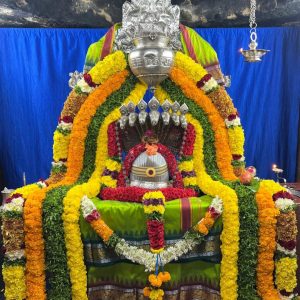
Rudrabhishek Pooja

10. Ayushya Homam – For Long Life and Health

Perfect for babies, elders, or individuals recovering from illness at the start of a new chapter. It invokes blessings of Lord Ayur Devata for health and longevity.

When: On birthdays or after major health recovery.
Performed By: Experienced priests with Vedic chanting.

Conclusion: Begin Your Journey with Divine Blessings

In Hinduism, a new beginning isn’t just a physical act—it’s a spiritual alignment with divine forces. Whether you’re opening a new shop, entering a new home, or starting a personal transformation journey, performing the right auspicious pooja aligns your energy with success, peace, and prosperity.

Ready to start your new chapter with divine blessings?
📞 Consult your local priest or explore online pooja booking platforms today!
🕉️ May your new beginning be filled with light, growth, and grace.

FAQs About Auspicious Poojas in Hinduism json Copy Edit

Ganapathi Pooja is the most commonly performed for any new beginning, as Lord Ganesha is known to remove obstacles and bring success.

Griha Pravesh Pooja should be performed before moving into a new home, ideally during an auspicious time or muhurat determined by a priest.

Yes, most poojas can be performed at home with guidance from a priest or using pooja kits available online or from temples.

Consult local temples or use online platforms offering Vedic services. Priests can guide you on the appropriate muhurat and materials.

What is Griha Pravesh Pooja? Steps, Benefits & Muhurat

What is Griha Pravesh Pooja? Steps, Benefits & Muhurat

Griha Pravesh Pooja is one of the most sacred and auspicious rituals in Hinduism, performed when entering a new home. This ceremony is believed to bring peace, prosperity, and positive energy into the house. The idea is that the home is not just a physical space, but a living entity that deserves respect and blessings.

In this blog post, we will explore everything you need to know about Griha Pravesh Pooja, including its significance, the essential steps involved, the benefits, and the ideal muhurat to perform this ceremony. Whether you’re moving into a new house or planning to host a Griha Pravesh, this comprehensive guide will ensure you perform the ritual with the right knowledge and intentions.

What is Griha Pravesh Pooja?

Griha Pravesh Pooja, often referred to as “housewarming pooja,” is an ancient Vedic ritual conducted to cleanse and sanctify a new home. The term ‘Griha’ means home, and ‘Pravesh’ means entry. Essentially, it marks the spiritual entry into the new abode, invoking divine blessings and removing any negative energies that may exist within the space.

This pooja is usually performed when a family moves into a new house or after major renovations. It is also believed to help remove any doshas (flaws) in the construction of the house, ensuring a prosperous and harmonious life for the inhabitants.

Pandit Ji online

Why is Griha Pravesh Pooja Important?

The importance of Griha Pravesh Pooja lies in its ability to purify the home, filling it with positive energy, and creating a protective shield for the inhabitants. Here are some key reasons why this ceremony is crucial:

1. Purification of the Home: The pooja cleanses the house from any negative energies, which may have accumulated over time due to various factors such as previous occupants or construction work.

2. Invoking Prosperity: Griha Pravesh Pooja brings the blessings of Goddess Lakshmi, the goddess of wealth, ensuring financial stability and prosperity for the family.

3. Spiritual Protection: The pooja invokes the blessings of Lord Ganesha and other deities, protecting the house from any evil or misfortune.

4. Harmony and Peace: This ritual fosters positive vibrations, leading to a peaceful and harmonious atmosphere in the home, enhancing the well-being of the residents.

Steps Involved in Griha Pravesh Pooja

To perform a successful Griha Pravesh Pooja, follow these steps:

1. Prepare the House

Before the pooja, ensure that the house is clean and free from clutter. All rooms should be arranged properly, and a designated area for the pooja should be set up with all the necessary items.

2. Choose the Right Muhurat

Selecting the right muhurt (auspicious time) for performing the Griha Pravesh Pooja is essential. The pooja should be performed during a favorable muhurat, usually calculated based on the position of the stars and planets. It is important to consult a priest or astrologer for an accurate muhurat.

3. Invite Deities and Guests

Invite your family members and friends to join you in the ceremony. The family’s head or the eldest member typically begins the pooja. The priest, if hired, will guide the ceremony, reciting mantras and prayers.

4. Perform the Rituals

The pooja involves various rituals, including:

Lord Ganesha’s Worship: Begin by offering prayers to Lord Ganesha, who removes obstacles and ensures a smooth transition into the new home.

Lighting the Lamp: A lamp or diya is lit to symbolize the arrival of light and positivity.

Kalash Pooja: A copper or brass pot filled with water, mango leaves, and coconut is placed at the pooja area. This represents the presence of divinity in the house.

Offering Fruits and Flowers: Fruits and flowers are offered to the deities as a sign of respect and gratitude.

Vastu Pooja: The pooja includes prayers for the proper alignment of the house according to Vastu Shastra, ensuring peace and prosperity.

5. Enter the Home

Once the rituals are completed, the family enters the house with a sense of spiritual fulfillment. It is customary to enter the house with the right foot first.

Benefits of Griha Pravesh Pooja

Griha Pravesh Pooja is not just a ritual, but a practice that offers several benefits to the family and the home:

1. Positive Vibes: It purifies the environment, removes negativity, and fills the home with positive energies.

2. Blessings for Health and Wealth: By invoking blessings from various deities, the pooja ensures that the inhabitants enjoy good health, prosperity, and wealth.

3. Protection from Evil: Griha Pravesh Pooja is believed to protect the family from any evil spirits or ill luck.

4. Peace and Harmony: This pooja promotes peace, joy, and harmony in the house, strengthening relationships among family members.

Right Muhurat for Griha Pravesh Pooja

The right time, or ‘muhurta,’ is crucial for the successful performance of Griha Pravesh. The ideal muhurat is chosen based on the lunar calendar and the movement of celestial bodies. Typically, the pooja is performed during the following times:

1. Shubh Muhurat: This is the most auspicious time, where the planets align to bring good fortune.

2. Morning or Afternoon: It is recommended to perform the pooja in the early morning or afternoon, avoiding the evening.

3. Avoiding Rahu Kalam: Rahu Kalam is an inauspicious time, usually in the late afternoon, and should be avoided for the pooja.

Consult with a qualified astrologer or priest to choose the most favorable muhurat for your Griha Pravesh.

Conclusion

The right time, or ‘muhurta,’ is crucial for the successful performance of Griha Pravesh. The ideal muhurat is chosen based on the lunar calendar and the movement of celestial bodies. Typically, the pooja is performed during the following times:

1. Shubh Muhurat: This is the most auspicious time, where the planets align to bring good fortune.

2. Morning or Afternoon: It is recommended to perform the pooja in the early morning or afternoon, avoiding the evening.

3. Avoiding Rahu Kalam: Rahu Kalam is an inauspicious time, usually in the late afternoon, and should be avoided for the pooja.

Consult with a qualified astrologer or priest to choose the most favorable muhurat for your Griha Pravesh.

Planning your Griha Pravesh? Get expert advice on muhurat selection and rituals. Contact us today to ensure a smooth and auspicious entry into your new home!

FAQs About Griha Pravesh Pooja

Griha Pravesh Pooja should be performed when you move into a new home, after completing major renovations, or when there is a significant shift in the family dynamics. The best time is during an auspicious muhurat, usually calculated based on the lunar calendar.

While it is ideal to have a priest guide the pooja, you can also perform the ritual with family members, provided you follow the necessary steps and recite the required mantras.

The key rituals include praying to Lord Ganesha, lighting a lamp, offering fruits and flowers to the deities, and performing Vastu Pooja to ensure the home is aligned with positive energy.

Yes, it is best to perform the pooja in the northeast or north part of the house, as this direction is considered highly auspicious in Vastu Shastra.