

Finding the right spiritual remedy for planetary challenges can be an important part of traditional Hindu practice. Navagraha Homam in Mumbai is a Vedic ritual performed to worship the nine Navagrahas and seek their blessings for peace, prosperity, harmony, and overall well-being.
In Vedic astrology, the Navagrahas are Surya (Sun), Chandra (Moon), Mangala (Mars), Budha (Mercury), Guru (Jupiter), Shukra (Venus), Shani (Saturn), Rahu, and Ketu. Rahu and Ketu are understood in Jyotisha as lunar nodes rather than physical planets.
A Navagraha Homam may be performed when an astrologer identifies challenging planetary placements, doshas, or significant planetary periods in a person’s birth chart. Many families also choose the ritual as a traditional spiritual practice for peace, prosperity, and auspicious beginnings.
If you are searching for Navagraha Homam in Mumbai, this guide explains its significance, benefits, procedure, suitable muhurat, expected cost, preparations, and how to arrange the ritual with a qualified priest.
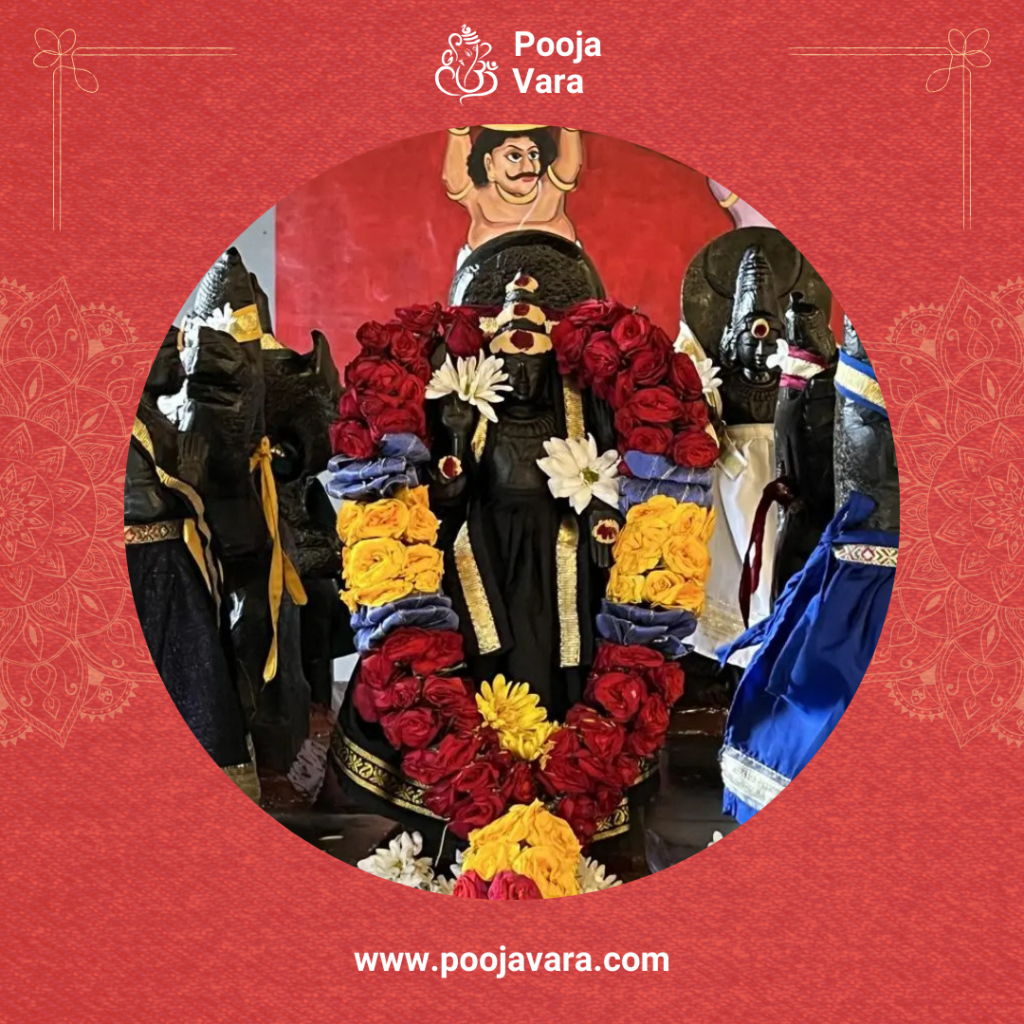
Navagraha Homam is a Vedic fire ritual dedicated to the nine planetary deities. The ceremony involves invoking the Navagrahas through traditional mantras, offerings, and prayers into the sacred fire.
The Sanskrit term Navagraha refers to the nine grahas traditionally used in Jyotisha: the Sun, Moon, Mars, Mercury, Jupiter, Venus, Saturn, Rahu, and Ketu.
During the Homam, the priest performs the required sankalpa, invokes the deities, chants prescribed mantras, and makes offerings into the Agni. The exact sequence can vary according to the tradition followed, the purpose of the ritual, the priest, and the individual’s horoscope.
Unlike a simple planetary prayer, a Homam places particular emphasis on Agni, mantra recitation, offerings, and Vedic ritual procedures.
Mumbai is home to people from many regions of India, and families often look for priests who can conduct rituals according to their preferred language and tradition.
A Navagraha Homam in Mumbai can be arranged at a home, temple, or another suitable location, depending on the priest and the type of ceremony.
Common reasons devotees consider Navagraha rituals include:
It is important to understand that these are traditional religious and astrological beliefs, rather than scientifically established effects.
The Navagrahas are traditionally associated with different areas of life in Jyotisha.
Surya is traditionally associated with vitality, authority, confidence, leadership, and one’s relationship with father or authority figures.
Chandra is associated in Jyotisha with the mind, emotions, peace of mind, memory, and maternal connections.
Mangala is traditionally connected with courage, energy, determination, property, siblings, and physical strength.
Budha is associated with communication, intelligence, learning, business, mathematics, and analytical abilities.
Guru or Brihaspati is traditionally associated with wisdom, education, spirituality, children, prosperity, and guidance.
Shukra is associated with relationships, beauty, luxury, creativity, arts, comforts, and material enjoyment.
Shani is traditionally associated with discipline, patience, responsibility, hard work, time, and perseverance.
Rahu is one of the lunar nodes and is traditionally associated with ambition, sudden changes, unconventional experiences, and material desires.
Ketu, the other lunar node, is traditionally associated with spirituality, detachment, introspection, and liberation.
The specific interpretation of each graha depends on the individual’s horoscope and the Jyotisha tradition being followed.
Devotees traditionally perform Navagraha Homam with several spiritual and astrological intentions.
If a person’s Janma Kundali is interpreted as having unfavorable planetary placements or doshas, an astrologer may recommend Navagraha worship as a traditional remedial practice.
Families may perform the Homam with the intention of creating a peaceful and spiritually positive atmosphere at home.
Navagraha worship is commonly associated with prayers for prosperity, stability, success, and the removal of perceived obstacles.
Some families perform Navagraha Homam before or during significant events such as marriage, starting a business, moving into a new home, or beginning an important professional phase.
The chanting of mantras, participation in the Homam, and traditional offerings can provide devotees with a structured spiritual experience and an opportunity for prayer and reflection.
These benefits should be understood within the context of Hindu religious tradition and Vedic astrology rather than as guaranteed outcomes.
The exact procedure can differ according to the priest, sampradaya, regional tradition, and purpose of the ceremony. A typical Navagraha Homam procedure may include the following stages.
The priest takes a formal intention or sankalpa for the ceremony. Details such as the devotee’s name, nakshatra, rashi, and purpose of the ritual may be included.
Many Vedic ceremonies begin with prayers to Lord Ganesha before proceeding with the main ritual.
The priest prepares the required kalasha and invokes the divine presence according to the ritual tradition.
The nine grahas are invoked through appropriate mantras and prayers.
The sacred fire is established as the central element of the Homam.
The priest chants the relevant mantras and offers prescribed materials such as ghee, grains, herbs, and other Homam samagri into the sacred fire.
Specific offerings are made while invoking the blessings of Surya, Chandra, Mangala, Budha, Guru, Shukra, Shani, Rahu, and Ketu.
The ceremony concludes with the final offering, traditionally known as Purnahuti.
The priest offers prayers for the devotee and family, followed by prasadam according to the arrangement.
Choosing the appropriate Navagraha Homam muhurat in Mumbai is an important part of planning the ceremony.
There is no single universal date or time that is suitable for every individual. The appropriate muhurat may depend on factors such as:
For a personalized ceremony, it is advisable to consult a qualified priest or Jyotisha practitioner rather than selecting a date solely from a generic online calendar.
For general religious observance, priests may also recommend particular weekdays, Nakshatras, or auspicious periods depending on the tradition being followed.
A Navagraha Homam in Mumbai is a traditional Vedic ritual through which devotees worship the nine Navagrahas and seek spiritual blessings for peace, prosperity, harmony, and auspiciousness.
Whether you are considering the ceremony because of a Kundali recommendation or simply wish to perform Navagraha worship as part of your family’s spiritual practices, choosing the right priest and clearly understanding the procedure, muhurat, samagri, and cost can make the experience more organized.
If you are planning Navagraha Homam in Mumbai, Poojavara can help you explore suitable pooja and Homam services and arrange the ceremony according to your requirements.
Looking to book a Navagraha Homam in Mumbai? Contact Poojavara to discuss your preferred date, location, priest requirements, and ceremony details.
