

The Maha Mrityunjaya Homam in Mumbai is a sacred Vedic fire ritual dedicated to Lord Shiva and centered around the powerful Maha Mrityunjaya Mantra. Traditionally, devotees perform this homam as a prayer for health, longevity, protection, peace of mind and relief from the fear of untimely death.
The word Mrityunjaya is commonly understood as “victory over death,” while the Maha Mrityunjaya Mantra is also known as the Tryambakam Mantra. The mantra is a Vedic verse associated with Rudra/Shiva and is traditionally used in japa and homa.
For families in Mumbai looking to perform this ritual, an important question is how the ceremony works, what benefits are traditionally associated with it, how much it may cost, and how to choose an appropriate Maha Mrityunjaya Homam muhurat.
This guide covers everything you need to know before booking a Maha Mrityunjaya Homam in Mumbai.
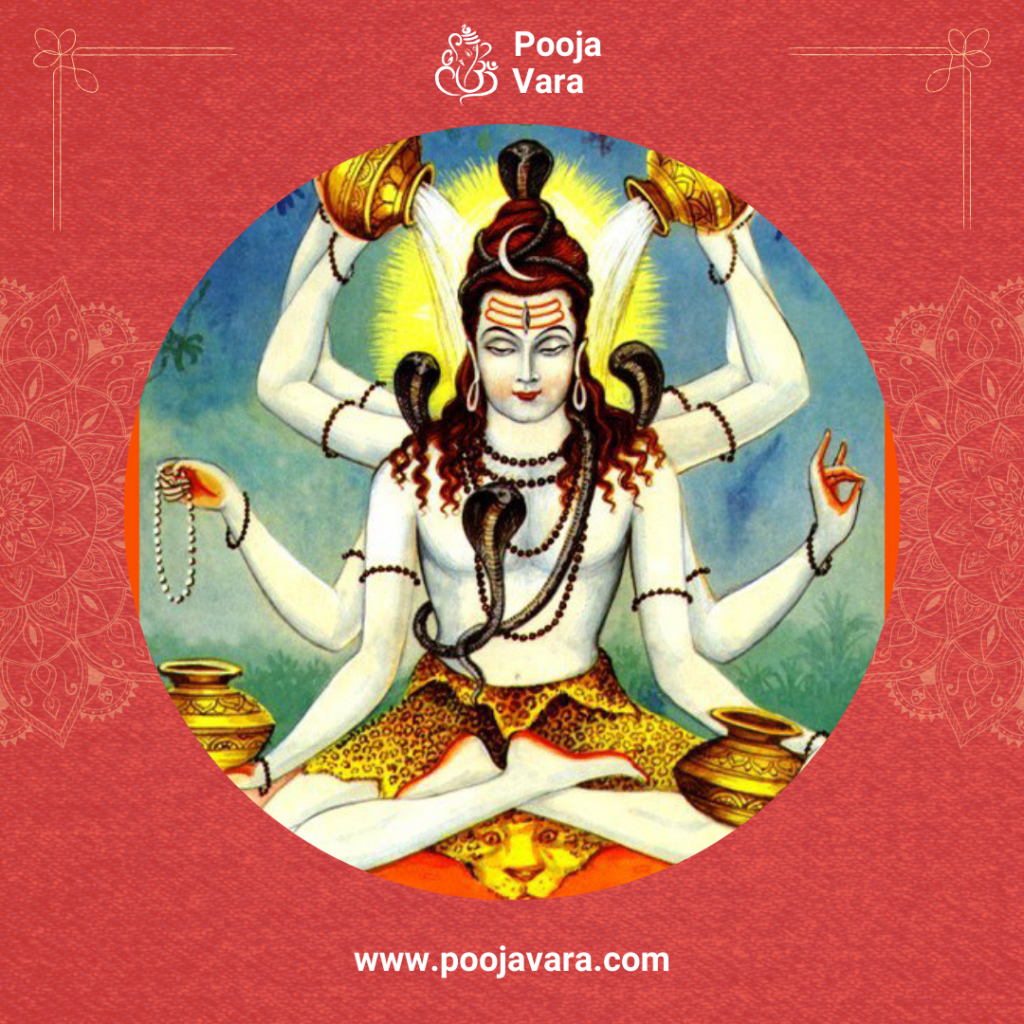
Maha Mrityunjaya Homam is a Vedic homa or fire ritual performed as an offering to Lord Shiva. During the ceremony, priests chant the Maha Mrityunjaya Mantra and make prescribed offerings into the sacred fire.
The mantra is:
Om Tryambakam Yajamahe Sugandhim Pushti-Vardhanam
Urvarukamiva Bandhanan Mrityor Mukshiya Maamritat
The mantra invokes Tryambaka, the three-eyed form of Shiva, and traditionally expresses a prayer for liberation from the fear and bondage associated with mortality.
The exact procedure can vary according to the sampradaya, priestly tradition, purpose of the sankalpam, number of mantra recitations and scale of the homam. Some versions include a shorter homam, while larger ceremonies may involve extensive japa and multiple priests.
Mumbai is home to people from diverse cultural and spiritual traditions, and families may choose to perform this homam at home, in a temple or at another suitable location.
Devotees traditionally consider Maha Mrityunjaya Homam for occasions such as:
The ritual is ultimately a spiritual and devotional practice. It should not be considered a replacement for medical diagnosis, treatment or professional healthcare. Some service providers also explicitly describe the ritual as being performed alongside, rather than instead of, medical care.
The following benefits are traditionally associated with the ritual. They should be understood as religious beliefs and spiritual purposes, rather than guaranteed medical outcomes.
Maha Mrityunjaya Homam is commonly performed when devotees wish to pray for good health and recovery.
Families may organize the ceremony for someone undergoing a difficult period or as part of a broader spiritual practice focused on well-being.
One of the central themes associated with the Mrityunjaya tradition is longevity.
The ritual is traditionally performed with the intention of seeking Ayushya, or long life, and divine blessings for continued well-being.
The Maha Mrityunjaya Mantra is traditionally associated with overcoming fear of death and difficult circumstances. Chanting the mantra during a homam can therefore become an important spiritual practice for devotees seeking inner strength and peace.
Participating in a structured prayer ceremony involving mantra chanting, meditation and sacred fire may provide devotees with a sense of calm, focus and spiritual reassurance.
Homa rituals traditionally involve offerings into Agni, the sacred fire, accompanied by mantras and prayers. Devotees may perform the ceremony as part of spiritual purification and devotion to Lord Shiva.
The homam can also be performed as a family sankalpam, where prayers are made for the health, longevity and overall well-being of a particular family member or the household.
The exact Maha Mrityunjaya Homam procedure may vary depending on the priest, tradition and scale of the ceremony. A commonly described sequence can include the following stages.
The location is cleaned and prepared for the ritual. The homa kund and required puja materials are arranged before the ceremony begins.
For a home ceremony in Mumbai, it is important to have adequate ventilation and a safe area for the sacred fire.
The ceremony may begin with prayers to Lord Ganesha.
This is traditionally done before the main ritual to seek blessings and remove obstacles.
Depending on the tradition, Punyaha Vachanam may be performed as part of the purification and sanctification process.
The priest takes the sankalpam, stating the purpose of the ceremony and relevant details of the devotee.
Details such as name, gotra and nakshatra may be requested where applicable. The specific requirements depend on the priestly tradition.
A kalasha may be prepared and worshipped as part of the ritual.
The main focus then turns toward Lord Shiva and the Maha Mrityunjaya Mantra.
The number of recitations can differ significantly depending on the type and scale of the ceremony. Sources describing different formats mention counts such as 108, 1,008, 11,000 or larger anushthana counts.
The priest chants the prescribed mantras while offerings are made into the sacred fire.
The offerings and sequence depend on the particular vidhanam being followed.
The main homam concludes with Poornahuti, the final offering into the sacred fire.
The ceremony concludes with blessings and distribution of prasadam.
The precise order and inclusions can vary, so devotees should confirm the complete vidhi with their chosen priest before booking.
The Maha Mrityunjaya Homam in Mumbai is a deeply significant Shiva ritual traditionally performed for prayers related to health, longevity, protection, peace and spiritual well-being. From selecting the appropriate muhurat to understanding the procedure, samagri and cost, proper preparation can help families perform the ceremony with clarity and devotion.
If you are planning a Maha Mrityunjaya Homam in Mumbai, choose an experienced priest or trusted puja service that clearly explains the vidhanam, muhurat, materials, number of priests and complete cost before booking.
Looking to perform Maha Mrityunjaya Homam in Mumbai? Contact Poojavara to discuss your preferred date, location and requirements and get guidance for arranging the ceremony according to your tradition.
