

When life seems to be moving through a difficult phase—whether it involves career obstacles, financial instability, relationship concerns, health-related worries, or repeated delays—many devotees turn to traditional Vedic rituals for spiritual guidance and peace. Navagraha Pooja in Mumbai is one such important Hindu ritual performed to seek the blessings of the nine planetary deities, traditionally known as the Navagrahas.
According to Vedic astrology, the positions and influences of the nine celestial bodies can affect different areas of an individual’s life. Navagraha Pooja is performed with the intention of reducing unfavorable planetary influences and strengthening positive energies through prayers, mantras, offerings, and other prescribed rituals.
For devotees living in Mumbai, arranging a Navagraha Pooja at home with an experienced priest can be a convenient way to perform the ceremony according to traditional practices without having to travel far.
In this guide, we will explain what Navagraha Pooja is, its benefits, rituals, who should perform it, the approximate Navagraha Pooja cost in Mumbai, and how you can book the pooja with a qualified priest.
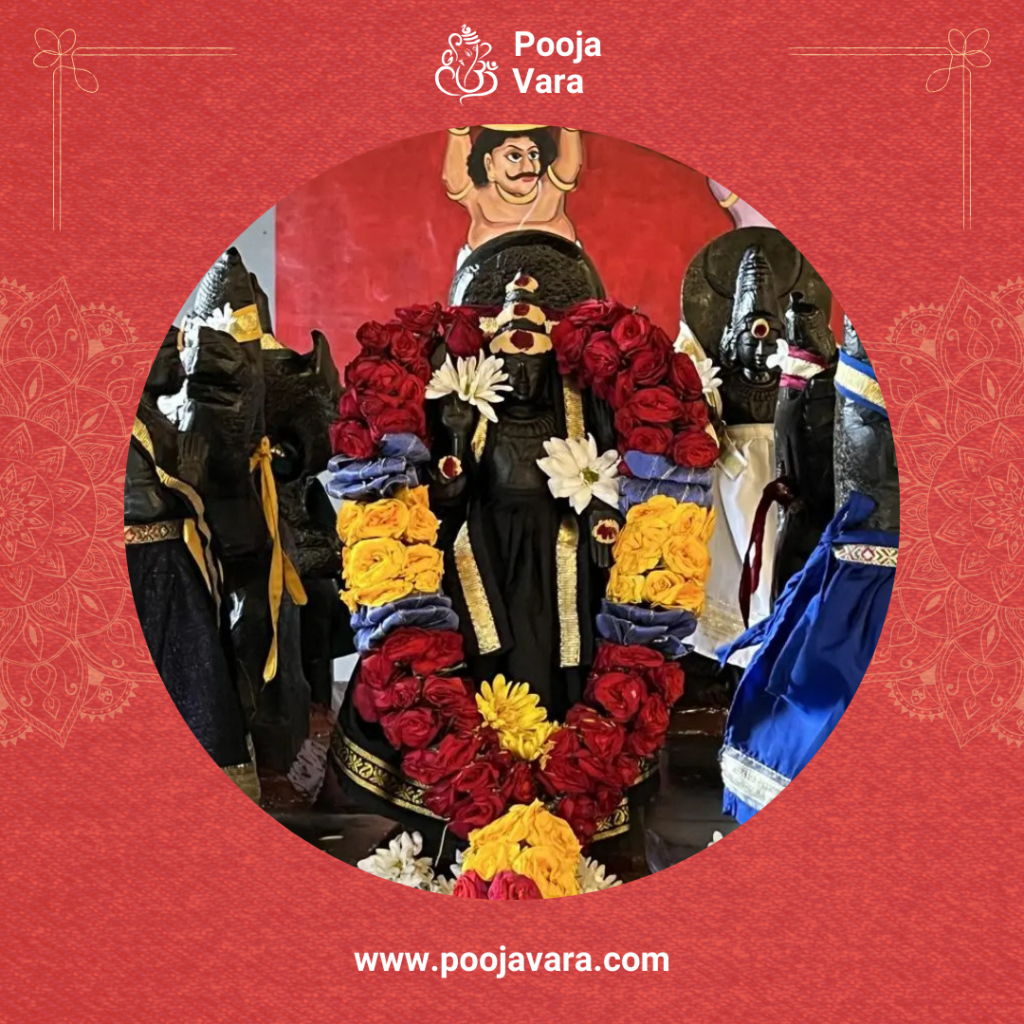
Navagraha Pooja is a traditional Hindu Vedic ritual dedicated to the nine Navagrahas:
Surya (Sun)
Chandra (Moon)
Mangala (Mars)
Budha (Mercury)
Guru or Brihaspati (Jupiter)
Shukra (Venus)
Shani (Saturn)
Rahu
Ketu
Each planetary deity is associated with different aspects of life. Devotees perform Navagraha Pooja to pray for harmony, protection, prosperity, mental peace, and overall well-being.
The pooja may be recommended based on a person’s Janma Kundali, particularly when an astrologer identifies unfavorable planetary placements, doshas, or periods associated with challenging planetary influences.
However, many families also perform Navagraha Pooja as a general spiritual practice for peace and prosperity.
Mumbai is a fast-paced city where people often have demanding professional and personal schedules. Traveling to a temple or arranging a traditional ceremony outside the city may not always be convenient.
Booking a Navagraha Pooja in Mumbai allows devotees to perform the ritual at home, office, or another suitable location.
An experienced Vedic priest can guide the family through the required rituals, mantras, sankalpam, offerings, and other procedures.
Some devotees choose to perform the pooja at important milestones such as:
The benefits associated with Navagraha Pooja are primarily spiritual and devotional. Devotees believe that sincerely performing the ritual can help create a positive and peaceful environment.
One of the main reasons people perform Navagraha Pooja is to seek relief from unfavorable planetary influences identified in a horoscope.
The pooja involves prayers and offerings to all nine planetary deities rather than focusing on only one planet.
Regular prayer and Vedic chanting can provide a sense of calm and spiritual focus. Families often perform Navagraha Pooja when they are experiencing stress, uncertainty, or emotional disturbances.
Devotees may perform Navagraha Pooja when facing repeated professional obstacles, business difficulties, or delays in important plans.
The ceremony is intended to seek divine blessings for clarity, stability, and progress.
Navagraha Pooja is also performed by devotees who wish to pray for financial stability and prosperity.
It is important to understand that the pooja is a spiritual practice and should not be considered a guaranteed financial solution.
The ceremony brings family members together for prayer and devotion. Many families perform the pooja with the intention of creating a peaceful and positive atmosphere at home.
Devotees believe that worshipping the Navagrahas helps create spiritual protection and encourages positive energy in their surroundings.
Certain planetary periods, such as Shani Mahadasha, Sade Sati, or challenging Rahu and Ketu periods, are traditionally considered significant in Vedic astrology.
In such situations, an astrologer or priest may recommend specific prayers or planetary remedies.
Understanding the nine planetary deities helps explain the purpose of Navagraha worship.
Surya represents vitality, confidence, leadership, authority, and self-expression.
Chandra is traditionally associated with emotions, mental peace, imagination, and the mind.
Mangala represents courage, strength, energy, determination, and action.
Budha is associated with communication, intelligence, learning, business, and analytical abilities.
Guru represents wisdom, knowledge, spirituality, prosperity, education, and guidance.
Shukra is associated with relationships, beauty, comforts, creativity, luxury, and artistic abilities.
Shani is traditionally associated with discipline, responsibility, patience, karma, hard work, and perseverance.
Rahu is associated with ambition, material desires, unconventional experiences, and sudden changes.
Ketu is associated with spirituality, detachment, intuition, and liberation.
The exact procedure can vary according to the family tradition, priest, temple tradition, and purpose of the ceremony.
A typical Navagraha Pooja procedure may include the following steps.
The ceremony may begin with prayers to Lord Ganesha to seek blessings and remove obstacles before beginning the main ritual.
The priest performs the sankalpam, formally stating the intention of the pooja and invoking divine blessings for the devotee or family.
A kalasha may be established as part of the ritual according to the prescribed tradition.
The nine planetary deities are invoked through traditional prayers and mantras.
Depending on the ritual method, the deities or representative idols may receive abhishekam using prescribed materials.
Specific mantras associated with the nine planetary deities are chanted during the pooja.
Flowers, fruits, grains, lamps, incense, and other traditional offerings may be made according to the priest’s instructions.
The priest performs archana and offers prayers for the devotee’s stated intentions.
The ceremony generally concludes with aarti and prayers.
After completion of the ritual, prasadam is distributed to the participants.
The duration depends on the type and scale of the ceremony.
A simple Navagraha Pooja may take approximately 1–2 hours, while a more elaborate ceremony involving additional homam, abhishekam, or other Vedic rituals may take longer.
If you are booking a priest for a home pooja in Mumbai, ask about the expected duration before confirming your booking.
The Navagraha Pooja cost in Mumbai can vary depending on several factors, so there is no single fixed price applicable to every ceremony.
Typical pricing may depend on:
For a basic home ceremony, prices may commonly start from a few thousand rupees, while elaborate Navagraha Pooja packages with homam and additional rituals can cost considerably more.
Before booking, ask for a complete quotation that clearly explains what is included in the package.
Depending on the service provider, a Navagraha Pooja package may include:
Always confirm the inclusions before booking because different service providers may offer different packages.
Navagraha Pooja in Mumbai is a meaningful traditional ritual for devotees seeking spiritual peace, divine blessings, and harmony in their lives. Whether you are performing the ceremony because of an astrological recommendation or simply as an act of devotion, following the proper Vedic procedure with the guidance of an experienced priest can make the experience more organized and meaningful.
From understanding the nine planetary deities to selecting the right date, priest, pooja materials, and package, planning ahead can help you conduct the ceremony smoothly.
If you are looking to book Navagraha Pooja in Mumbai, choose a trusted pooja service that provides experienced priests, transparent pricing, proper ritual guidance, and convenient home services.
Book your Navagraha Pooja in Mumbai today and begin your spiritual journey with devotion, faith, and the blessings of the Navagrahas.
Navagraha Pooja is a traditional Hindu ritual dedicated to the nine planetary deities—Surya, Chandra, Mangala, Budha, Guru, Shukra, Shani, Rahu, and Ketu. Devotees perform it to seek blessings, spiritual peace, and harmony.
The cost varies depending on the type of ceremony, priest count, pooja materials, homam, travel, and other requirements. Basic ceremonies may cost a few thousand rupees, while elaborate rituals can cost more.
Yes. Navagraha Pooja can be performed at home with the assistance of a qualified priest who can arrange or guide you through the required rituals and pooja materials.
A basic ceremony may take around 1–2 hours, while an elaborate pooja with homam and additional rituals can take longer.
Yes. Navagraha Pooja traditionally involves worshipping all nine planetary deities: Sun, Moon, Mars, Mercury, Jupiter, Venus, Saturn, Rahu, and Ketu.
