

Moving into a new home is one of the most important milestones in life. Whether you have purchased a new apartment, constructed a house, or moved into a renovated property, many Hindu families perform traditional rituals to create a spiritually positive and peaceful environment. One of the most significant rituals associated with this purpose is Vastu Shanti Pooja.
If you are looking for Vastu Shanti Pooja in Mumbai, this complete guide explains everything you need to know—from its significance and benefits to the pooja procedure, required samagri, suitable occasions, muhurat, and how to arrange a qualified pandit.
Mumbai is a fast-paced city where people frequently move into newly purchased apartments, redeveloped homes, and newly constructed properties. A properly organized Vastu Shanti Pooja can help families begin their new chapter with faith, tradition, and positive intentions.
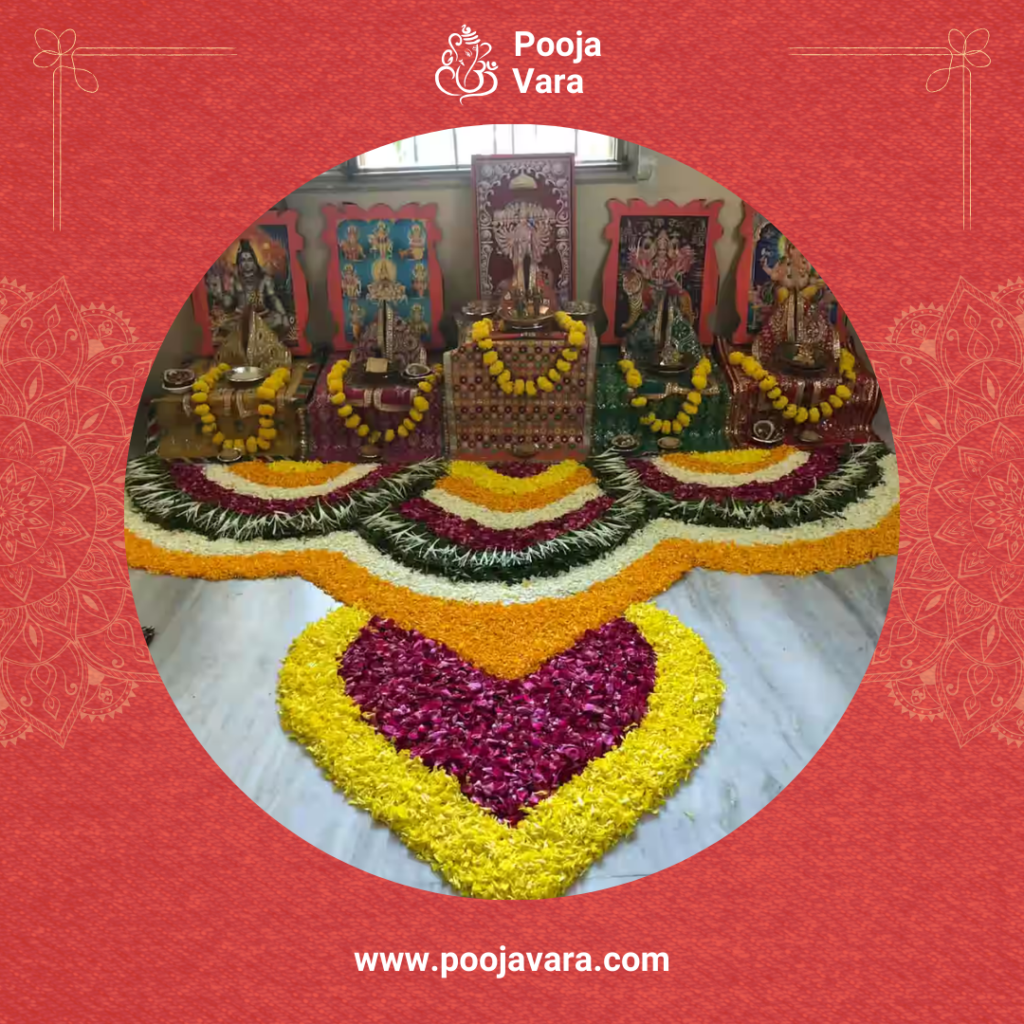
Vastu Shanti Pooja is a Hindu religious ceremony performed to seek blessings for harmony, peace, prosperity, and positive energy within a property.
The ceremony is traditionally associated with Vastu Shastra, an ancient Indian architectural and spiritual system that emphasizes harmony between living spaces, nature, and cosmic energies.
The word “Vastu” refers to a dwelling or place of residence, while “Shanti” means peace. Therefore, Vastu Shanti Pooja can broadly be understood as a ritual intended to establish peace and auspiciousness within a home or property.
The pooja may involve prayers and offerings to various deities, Vastu Purusha, the Navagrahas, and other divine forces according to the family’s tradition and the priest’s prescribed procedure.
Families choose to perform Vastu Shanti Pooja for several traditional and spiritual reasons.
Entering a new home is considered an important transition. Performing a Vastu Shanti Pooja provides an opportunity for the family to seek divine blessings before beginning their new life in the property.
The ceremony is traditionally performed with the intention of creating a peaceful and harmonious atmosphere for everyone living in the home.
Many families perform the pooja to seek blessings for prosperity, happiness, good fortune, and overall well-being.
For many Hindu families, Vastu Shanti Pooja is an important part of their religious and cultural traditions when moving into a new property.
Some families perform Vastu Shanti after constructing a new house or completing significant structural renovations.
It is important to understand that these are religious and traditional beliefs, rather than scientifically established guarantees of particular outcomes.
One of the most common questions people ask is: When should Vastu Shanti Pooja be performed?
The ceremony is commonly considered for occasions such as:
The exact date and time, or Vastu Shanti Pooja muhurat, may depend on factors such as the Hindu calendar, nakshatra, tithi, location, and the family’s religious customs.
For an auspicious date, it is advisable to consult a qualified pandit rather than selecting a muhurat solely from a generic online calendar.
Although they are closely connected, Vastu Shanti Pooja and Griha Pravesh Pooja are not necessarily identical.
Griha Pravesh is traditionally associated with entering or inaugurating a home. It includes rituals intended to mark the family’s auspicious entry into the property.
Vastu Shanti, on the other hand, focuses specifically on Vastu-related prayers and seeking harmony and peace within the property.
Depending on regional customs, family traditions, and the priest’s recommendations, both ceremonies may be performed together.
If you are planning a housewarming ceremony, you can also explore our guide on [Griha Pravesh Pooja in Mumbai] for additional information.
The exact procedure can vary depending on the family’s tradition, regional customs, priest, and type of ceremony. A typical Vastu Shanti ceremony may include several stages.
The priest begins by taking a Sankalp, or sacred intention, on behalf of the family. Details such as the names of family members and the purpose of the ceremony may be included.
Lord Ganesha is traditionally worshipped at the beginning of many Hindu ceremonies because he is associated with auspicious beginnings and the removal of obstacles.
A sacred kalash may be established as part of the ceremony. It represents auspiciousness and divine presence.
A purification ritual may be performed using sacred water and mantras. The purpose is traditionally to purify the surroundings and prepare the space for the ceremony.
The priest performs prayers associated with Vastu Purusha, the symbolic deity connected with the energy and layout of the dwelling.
Depending on the prescribed ritual, prayers may be offered to the Navagrahas, or nine planetary deities.
A sacred fire ritual may be performed. Offerings are made into the fire while specific mantras are chanted.
The priest performs the prescribed Vastu-related prayers and offerings according to the selected ritual procedure.
The ceremony may conclude with Purnahuti, the final offering into the sacred fire.
Aarti is performed, followed by distribution of prasad to family members and guests.
The procedure may differ based on the specific Vedic tradition followed by the priest.
If you are arranging a Vastu Shanti Pooja in Mumbai, it is useful to confirm the complete samagri list with your pandit before the ceremony.
Common items may include:
The exact requirements can vary considerably depending on the type of Vastu Shanti ceremony. Therefore, do not purchase a large quantity of items based solely on a generic list.
The Vastu Shanti Pooja cost in Mumbai can vary depending on several factors.
These may include:
Instead of selecting a priest based only on the lowest price, consider the priest’s experience, clarity about the rituals, language preferences, inclusions, and overall service quality.
When booking a Vastu Shanti Pooja in Mumbai, ask for a clear quotation explaining what is included in the package.
Organizing a traditional ceremony in Mumbai can be challenging because of busy schedules, travel, apartment restrictions, and the difficulty of finding an available priest.
A reliable booking process should ideally include:
Confirm whether you require only Vastu Shanti or a combined ceremony such as Vastu Shanti and Griha Pravesh.
Share your preferred dates with the pandit and ask for an appropriate muhurat based on your requirements and traditional practices.
Ask whether the priest or service provider will arrange the samagri or whether the family needs to purchase it.
Some ceremonies may require more than one priest depending on their scope.
If your family prefers Sanskrit, Hindi, Marathi, Telugu, Kannada, Tamil, or another language, discuss this before booking.
Get clarity about pandit dakshina, samagri, travel, and any additional charges before the ceremony.
Clean the property and keep the designated pooja area ready before the pandit arrives.
A new home represents more than bricks, walls, and interiors—it represents a new beginning for your family. Vastu Shanti Pooja in Mumbai offers families a traditional way to mark that beginning with prayers, devotion, and the blessings of the divine.
Whether you are moving into a new apartment in Mumbai, completing the construction of your dream home, or planning a Griha Pravesh ceremony, choosing the right pandit and preparing the rituals in advance can make the experience smoother and more meaningful.
Start by deciding which rituals you need, selecting an appropriate date and muhurat with a qualified priest, confirming the pooja samagri, and understanding the complete cost before booking.
Planning a Vastu Shanti Pooja in Mumbai? Contact a trusted pooja service provider today to check pandit availability, discuss your ceremony requirements, and arrange your pooja at a convenient date and location.
Vastu Shanti Pooja is a traditional Hindu ceremony performed to seek peace, harmony, auspiciousness, and divine blessings for a home or property.
It is commonly performed when moving into a new home, after constructing a house, after major renovations, or on occasions recommended by a qualified priest according to family tradition.
Yes. The ceremony can traditionally be adapted for apartments and flats. However, residents should check their housing society’s rules regarding havan, fire, smoke, noise, and timing.
The cost varies according to the type of ceremony, number of priests, pooja samagri, duration, travel, and additional rituals. It is best to request a detailed quotation before booking.
Common materials include kalash, coconut, mango leaves, rice, turmeric, kumkum, flowers, fruits, ghee, camphor, havan samagri, grains, and other items specified by the priest.
